

Contents
Fire odor can cling to a home long after the flames are out because smoke particles settle deep into surfaces, fabrics, and ductwork. Odor after fire damage can be reduced by cleaning soot with the right products, filtering the air with HEPA units, and treating textiles and vents carefully. Some smells won’t respond to basic cleanup alone, though, which is where advanced deodorization methods can make a difference. The key is finding where the odor is trapped and choosing the right treatment to remove it.
Key Takeaways
- Remove soot and smoke residue from all affected surfaces using appropriate cleaners and soot sponges.
- Use HEPA air purifiers to capture smoke particles and reduce lingering odors in the air.
- Clean ducts, vents, and HVAC filters to stop odor from recirculating through the home.
- Wash fabrics, curtains, and upholstery with odor-neutralizing cleaners or professional textile treatment.
- Call a fire odor specialist if smoke smell remains in porous materials, insulation, or drywall.
Why Fire Odor Lingers
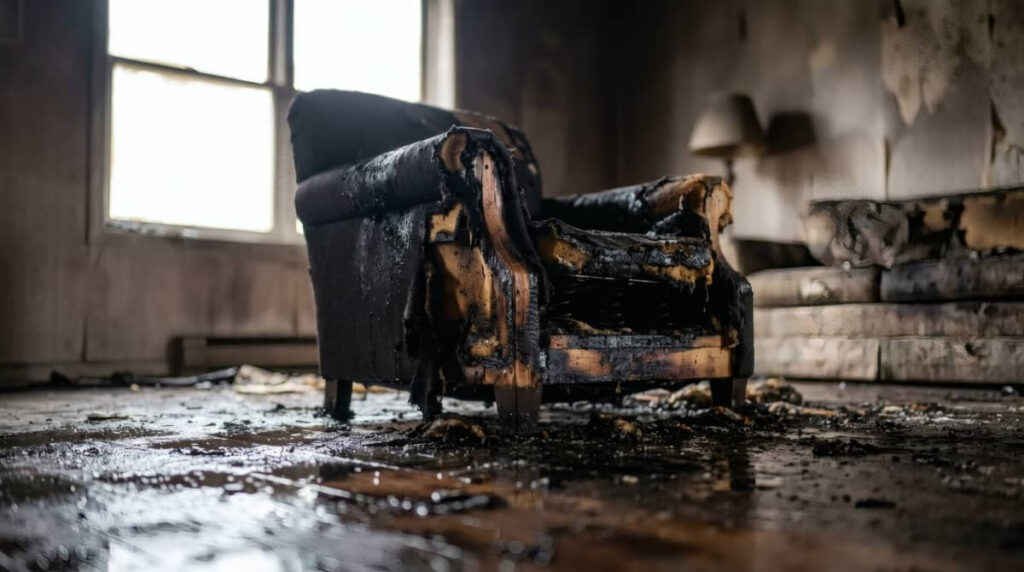
Even after the flames are out, fire odor can linger because smoke particles, soot, and charred materials seep into porous surfaces like drywall, wood, fabric, and insulation.
In the fire aftermath, you’re dealing with microscopic residues that keep releasing volatile compounds long after the visible damage stops. Heat also opens tiny pores in materials, so odor molecules settle deeper and stay trapped.
That’s why scent persistence can feel stronger in closed rooms, HVAC ducts, and hidden cavities. You’re not imagining it; the odor often reappears when humidity rises or surfaces warm up.
Understanding this helps you see the problem as a material issue, not a personal failure. With the right approach, you can restore a cleaner, safer space and feel at home again.
How to Clean Fire Odor From Surfaces
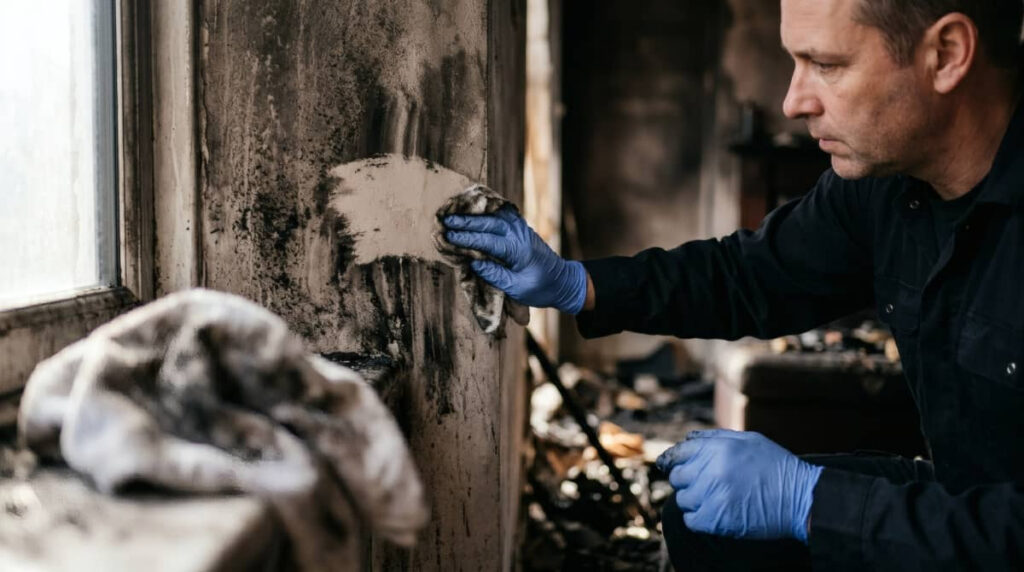
Start by cleaning every affected surface with the right method for its material, because fire odor clings to soot, oils, and residue that simple wiping won’t fully remove.
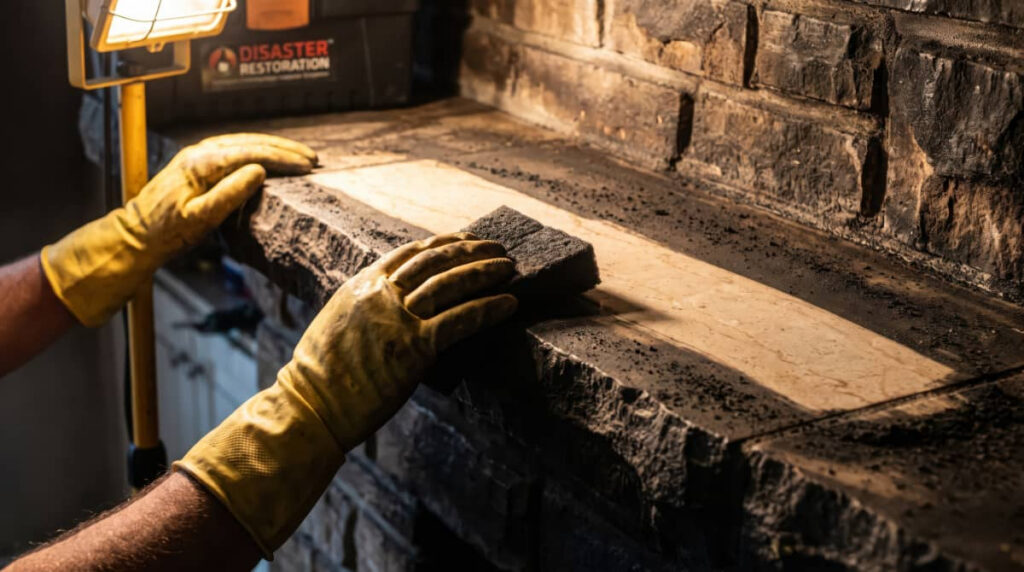
You’ll get better results when you match cleaning techniques to surface materials: use a dry soot sponge on painted walls, mild detergent on washable hard surfaces, and a manufacturer-safe cleaner on sealed wood or metal.
Test a hidden spot first, then work gently from top to bottom so you don’t spread contamination. Change cloths often, rinse tools frequently, and dry each area completely.
If you’re cleaning together after a fire, take it one room at a time. Careful, consistent cleaning helps your space feel familiar again and reduces the odor at its source, not just on the surface.
How HEPA Filters Remove Smoke Smell
HEPA filters help remove smoke smell by trapping the tiny airborne particles that carry odor, instead of just moving them around.
You can count on high HEPA efficiency because these filters capture smoke particles as air passes through a dense fiber matrix. That means fewer contaminants recirculate into your living space, so the air feels cleaner and safer for everyone in your home.
You’ll still need time and continuous operation, but the filter gives you a reliable first line of defense after fire damage.
Choose a unit rated for your room size, replace the filter on schedule, and keep doors closed for best results.
With the right setup, you’re not dealing with this alone—you’re restoring comfort, one breath at a time.
How to Remove Odor From Ducts and Fabrics
To remove odor from ducts and fabrics after fire damage, you need to target both the air pathways and the materials that hold smoke residue.
Start with duct cleaning: replace filters, vacuum supply and return vents with a HEPA unit, and wipe accessible metal surfaces with a mild detergent. This helps clear trapped soot so your system doesn’t recirculate stale smoke.
For fabric treatment, launder washable items in warm water with oxygen-based cleaner, then air-dry them fully. For upholstery and curtains, use a fabric-safe odor neutralizer and test a hidden spot first.
Keep the room ventilated while you work, and repeat cleaning if the smell lingers. When you treat ducts and textiles together, you make your home feel cleaner, safer, and more like yours again.
When to Call a Fire Odor Pro
When should you bring in a fire odor pro? If smoke smell lingers after cleaning, or fire damage has reached insulation, drywall, HVAC, or hidden cavities, you need expert help.
You can scrub surfaces and ventilate rooms, but deep odor often means contamination in porous materials. A pro uses restoration techniques like thermal fogging, hydroxyl treatment, sealing, and targeted source removal to neutralize odor at the molecular level.
Call sooner if you notice soot residue, headaches, or persistent mustiness, especially after water from firefighting.
You’re not failing by asking for help; you’re protecting your home and health. A qualified team will assess the damage, explain options, and guide you through the next steps with confidence and care.
Frequently Asked Questions
How Long Does Fire Odor Typically Last Indoors?
You’ll usually notice fire odor for days to weeks indoors, but heavy smoke can linger months. Fire odor duration depends on porous materials and ventilation, so improving indoor air quality helps you reclaim your space quickly.
Can House Plants Help Reduce Smoke Odors?
Yes, you can use air purifying plants, but they won’t remove smoke odors alone. Pair them with natural deodorizing techniques like ventilation, HEPA filtration, and activated charcoal so you’ll feel safer and more at home.
Is Fire Odor Harmful to Pets and Children?
Yes—fire odor can irritate your pets and children like a hidden spark. You should improve pet safety fast, because fire odor effects may include breathing and eye irritation. Ventilate, clean surfaces, and monitor symptoms closely.
What Home Products Absorb Smoke Smell Naturally?
You can use baking soda and activated charcoal to absorb smoke smell naturally. Place bowls nearby, vacuum fabrics, and air out rooms. They’ll help you regain a fresh, comfortable home without harsh chemicals.
Can Paint Seal in Remaining Fire Odor?
Yes, but it’s not a silver bullet. You’ll get better odor sealing with specialized primer, then finish coat; paint effectiveness depends on fully cleaned, dry surfaces. You can handle this, and it’s doable.
Wrap-Up
After a fire, you don’t just clear the ash—you calm the hidden smoke that keeps whispering through your home. You remove soot from surfaces, run HEPA filtration, and treat fabrics and ducts so the odor has nowhere left to hide. If the smell still lingers, you call in pros to finish the work. Like tending a wound, you restore the space layer by layer, until the air feels clean, safe, and yours again.