

Contents
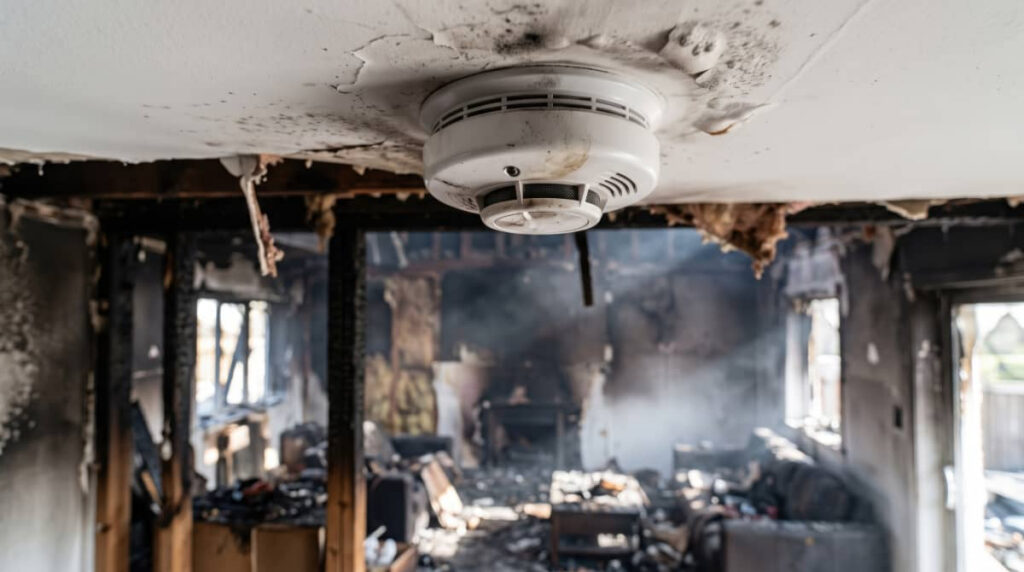
After a storm, you need to pinpoint where Smoke Odor is coming from before you treat it. Standing water, soot, mud, and hidden moisture can trap smells in walls, floors, and HVAC systems, while surface cleaning alone may not solve the problem. You can reduce the damage quickly by drying, cleaning, and controlling humidity in the right order, but some materials can hold odor far longer than others.
Key Takeaways
- Identify odor sources room by room, checking hidden cavities, vents, carpets, drywall edges, and HVAC registers.
- Remove standing water, mud, soot, and debris quickly to limit moisture and odor buildup.
- Dry affected areas with dehumidifiers and air movers, and open wall cavities only when insulation or framing is wet.
- Clean hard surfaces with appropriate cleaners, use odor absorbers like charcoal or baking soda, and replace porous materials when needed.
- Inspect and clean HVAC systems, maintain humidity below 60%, and monitor for lingering odors or mold growth.
Find the Source of Storm Odors
Before you treat storm odors, you need to trace where they’re coming from.
Begin with a storm aftermath assessment of rooms, insulation, vents, and hidden cavities, because odor can linger where moisture and soot settled.
Use odor identification techniques by separating smells into categories: musty, smoky, chemical, or sewage-like.
Move room to room with doors closed, then open one space at a time to isolate the strongest source.
Check drywall edges, carpet backing, HVAC registers, and attic or crawlspace access points.
You’re not alone in this step; a careful search gives you control and confidence.
Note any areas that smell stronger after warm air or airflow changes, since that often reveals trapped contamination.
Mark each suspect location before you clean.
Remove Standing Water and Debris
You should pump out any standing floodwater as quickly as possible to reduce moisture retention and limit odor buildup.
Then clear mud, silt, and debris from all affected surfaces so contaminants don’t keep releasing smell or supporting microbial growth.
Once the area’s drained and cleaned, you’ll have a stable base for the next odor-removal steps.
Pump Out Floodwater
Start by pumping out floodwater as soon as it’s safe to do so, because standing water can quickly worsen structural damage, corrosion, and odor problems.
You’ll reduce moisture load faster with controlled water extraction, which supports flood prevention by limiting hidden seepage into walls and subfloors.
Use a submersible pump or wet vacuum sized for the volume, and discharge water to a lawful drainage point away from the foundation.
Keep electrical equipment out of wet zones, and monitor the pump so it doesn’t run dry.
Work room by room, removing water evenly to avoid stress on warped materials.
As you restore the space, you’re joining other resilient homeowners who act quickly, methodically, and safely to protect their homes and air quality.
Clear Mud And Debris
Once the standing water is down, clear out mud, silt, and debris before they dry and harden onto floors, walls, and fixtures.
Wear gloves, boots, and a respirator, then shovel solids into heavy-duty bags or buckets.
Use mud removal techniques like plastic scrapers, wet vacs with coarse filters, and low-pressure rinsing to lift residue without spreading contamination.
Work from the cleanest area toward the exit so you don’t track sludge back in.
Separate salvageable items from contaminated waste, and keep porous materials that soaked through out of your living space.
Check local debris disposal options, including curbside pickup, transfer stations, or licensed disposal services.
You’re rebuilding a safer, cleaner space, and each careful pass helps restore control, reduce odor, and protect your home.
Dry Out Walls, Floors, and Contents
You need to dry walls thoroughly to reduce moisture that can trap smoke odor and support mold growth.
Use controlled airflow, dehumidification, and targeted heat to dry floors and contents without warping materials or spreading contamination.
Check moisture levels as you work so you can protect salvageable items and verify the structure’s dryness.
Dry Walls Thoroughly
Pull moisture out of walls, floors, and contents as quickly as possible to stop smoke odors from settling in and to reduce the risk of mold.
You’ll dry walls thoroughly with focused drying techniques that match the wall materials in your space. Use air movers to push warm, dry air across surfaces and aim dehumidifiers at the room so humidity drops fast.
Open wall cavities only if water reached insulation or framing, and check for damp spots behind baseboards, trim, and seams. Keep airflow steady until readings show the materials have returned to normal.
If your home was flooded and smoked, you’re not alone; this step helps your space recover cleanly and safely, so your household can breathe easier again.
Protect Floors And Contents
After walls are dry, protect floors and contents by moving vulnerable items out of the affected area and setting up controlled drying around what can’t be removed. You’ll reduce secondary damage by lifting furniture on blocks, placing plastic or foam under legs, and using breathable coverings for dust control.
For floor protection, keep fans angled to move air across surfaces without forcing debris deeper into carpet or seams. Check subfloors, padding, and baseboards for trapped moisture, then dehumidify until readings stabilize.
For content preservation, separate salvageable items by material and dry them in a clean, conditioned space. Label, document, and rotate items so you can track progress. Stay consistent, and you’ll protect your home while restoring a safe, familiar space.
Clean Soot, Mud, and Flood Residue
Start by removing soot, mud, and flood residue from all affected surfaces as soon as conditions are safe. You’ll work more effectively when you sort materials by hardness and porosity, then use soot removal techniques and mud cleaning methods that match each surface.
Wear gloves, a mask, and eye protection, and keep the area ventilated.
Wipe painted walls with a dry soot sponge first, then a damp microfiber cloth.
Lift caked mud from floors with a plastic scraper, then wash with clean water and a neutral cleaner.
Rinse metal, tile, and sealed wood until no gritty film remains.
You belong in a steady recovery process, and each careful pass reduces abrasion, staining, and hidden residue.
Dry everything promptly so surfaces stay stable and ready for the next step.
Remove Smoke Odors From Damaged Areas
Once soot, mud, and flood residue are gone, you can focus on trapping and removing smoke odor from damaged areas before it settles deeper into porous materials.
Start by ventilating the space and sealing off clean rooms so airborne particles don’t spread. Use smoke removal techniques such as HEPA vacuuming, wiping hard surfaces with alkaline cleaners, and misting fabric-safe neutralizers on salvageable items.
For odor absorption methods, place activated charcoal, baking soda, or zeolite near affected walls, flooring, and stored contents.
Replace any saturated insulation, drywall, or padding that still holds odor after cleaning. You’ll get better results by treating each surface based on its material and damage level.
Stay patient; steady, targeted work helps your space feel safe again.
Clean HVAC Systems and Air Ducts
Your HVAC system can trap smoke odor long after visible damage is gone, so inspect the air handler, return vents, and ductwork before you restart it. You’ll protect your home’s air quality by treating the system as part of the cleanup, not an afterthought.
Turn off power, remove accessible debris, and vacuum grilles with a HEPA tool. Then schedule professional duct maintenance to clean coils, blower components, and interior runs with odor-neutralizing methods.
- Replace filters with high-MERV units rated for smoke particles.
- Seal disconnected sections so contaminated air can’t recirculate.
- Run the fan briefly after cleaning and verify the smell is fading.
When you do this together, you’re helping your space feel safe again, and you’re joining neighbors who’ve restored comfort after the storm.
Decide What Porous Materials to Save or Replace
After you’ve cleaned the HVAC system, assess porous materials that can hold smoke odor deep in their fibers. You’ll need a careful material evaluation for carpets, drapes, insulation, upholstery, and ceiling tiles.
If the item stayed wet, charred, or released a strong odor after surface cleaning, replacement often gives you the most reliable result. During mold assessment, look for discoloration, softening, or a musty smell; those signs mean hidden contamination may be present.
You can usually save solid wood, metal, glass, and sealed finishes if they’re structurally sound and fully cleanable. Label each item, document damage, and group anything questionable for a second review.
This approach helps you protect your space without guessing, and it keeps you aligned with others who value a safe, healthy home.
Use Dehumidifiers and Air Scrubbers
Deploy dehumidifiers and air scrubbers to stabilize the space and reduce lingering odor particles. You’ll create a cleaner recovery zone when you pair controlled moisture removal with targeted filtration.
Set dehumidifier settings to maintain steady, moderate extraction, and keep doors closed so the unit works efficiently. Place the air scrubber near the most affected room, but don’t block intake or discharge paths.
- Check hose routing and tank capacity before you start.
- Run the scrubber continuously during the drying phase.
- Move both units room by room until odors fade.
You’re not handling this alone; these tools give your team a dependable way to restore air quality with measurable, professional control.
Prevent Mold and Odors From Returning
Once the visible water is gone, you still need to stop hidden moisture from feeding mold and odor rebound. Check wall cavities, baseboards, and insulation with a moisture meter, and keep running dehumidifiers until readings stabilize.
Replace wet drywall, carpet padding, and porous insulation fast, because they trap contamination. Clean hard surfaces with detergent, then apply an EPA-registered antimicrobial where appropriate for mold prevention.
Seal clean, dry materials only after they’ve fully dried, and keep HVAC filters fresh so spores don’t recirculate.
For odor management, ventilate daily, monitor humidity below 60%, and inspect for damp spots after rain or plumbing use.
You’re not handling this alone; these steps help your space stay safe, stable, and welcoming.
Frequently Asked Questions
How Soon Should I Contact My Insurance Company After Storm Damage?
Contact your insurance company right away after storm damage, ideally within 24 hours. You’ll protect your insurance policy, start the claim process quickly, and join a supported path toward recovery with confidence and clarity.
Can I Stay in My Home During Smoke Odor Cleanup?
Yes, you can stay, but only if smoke contamination is low and health risks stay minimal. Imagine a faint haze; you’ll need strong ventilation, sealed rooms, and professional guidance to protect your home and peace of mind.
What Safety Gear Is Needed for Flood and Soot Cleanup?
You need personal protective equipment: N95 or higher respirator, gloves, goggles, waterproof boots, and disposable coveralls. Follow cleanup safety precautions, keep skin covered, and you’ll reduce exposure while working safely and confidently.
How Do I Document Storm Damage for Claims?
Photograph all damage, list dates, and save receipts; your damage assessment should note affected areas, serial numbers, and cleanup costs. Submit everything promptly to support the claim process, and you’ll feel organized, informed, and supported.
When Should I Call a Professional Restoration Company?
You should call a professional restoration company when storm severity exceeds your cleanup capacity, or when water, smoke, or structural damage threatens health. They’ll assess hazards, protect your home, and speed your restoration timeline.
Final Thoughts
You’ve now traced the hidden sources of storm odors, cleared away standing water and debris, and dried every vulnerable surface. With careful cleaning, HVAC attention, and the right mix of dehumidifiers and air scrubbers, you’ve helped your space breathe easier again. Some materials may need to be gently retired, but that’s part of a clean recovery. Keep humidity in check, and you’ll reduce the chance of lingering scents or unwelcome microbial guests returning.