

Contents
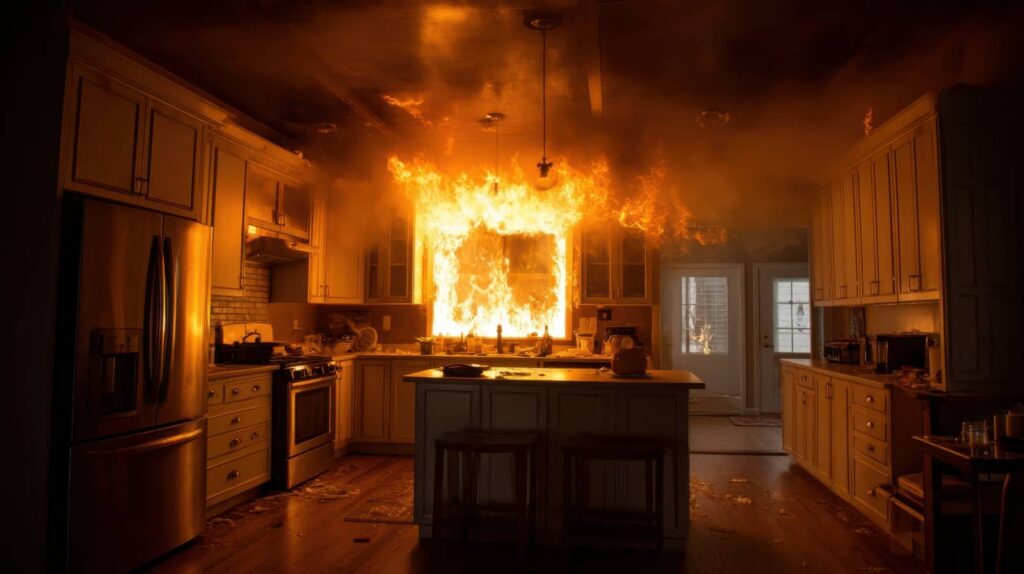
When smoke leaves its mark, it can feel like a warning flag over the whole space. Emergency Smoke Odor Removal requires fast action: remove charred materials, open windows, run fans, and clean hard surfaces with the right solution before residue settles deeper. Fabrics and HVAC components can hold odor longer than walls do, and if the smell lingers after basic cleanup, that’s often the point where professional help becomes the smarter next move.
Key Takeaways
- Remove burned items and clean smoke sources with detergent and warm water to stop odors at the source.
- Open windows, doors, and use fans to create strong cross-ventilation right away.
- Vacuum soot and wipe hard surfaces with mild detergent, rinsing afterward to remove residue.
- Wash fabrics promptly, dry them fully, and replace HVAC filters to prevent lingering smoke smells.
- Call professionals if odor persists in walls, hidden cavities, or large areas after cleanup.
Remove Smoke Odor at the Source
To remove smoke odor at the source, you need to eliminate the materials that are still releasing odor-causing residue.
Start with smoke source identification: inspect ash, charred fabrics, porous surfaces, and hidden debris. You’ll get faster results when you remove burned items, bag them tightly, and discard them outside your living area.
Clean salvageable surfaces with detergent and warm water, then treat porous materials with targeted odor absorption techniques like activated charcoal or baking soda.
Replace filters in affected appliances if residue settled there. Don’t overlook drawers, vents, and upholstery seams, where contamination lingers.
When you handle the source directly, you protect the whole household and help everyone breathe easier again.
Ventilate the Space Immediately
Once you’ve removed the worst smoke sources, get fresh air moving right away.
Open windows and doors on opposite sides of the space to create cross-ventilation, and turn on exhaust fans to strengthen air circulation.
If you’ve got box fans, place one facing outward in a window to push contaminated air outside while another pulls in fresh air from the cleanest opening.
Keep interior doors open so air can move freely through each room.
Run HVAC fans only if the system doesn’t recirculate smoke-laden air; otherwise, keep it off until conditions improve.
Stay with your space and monitor airflow patterns, because stagnant pockets trap odor fast.
Acting quickly helps your household feel less overwhelmed and gives everyone a cleaner, safer starting point for the next cleanup steps.
Clean Smoke Residue From Surfaces
Start with the hardest surfaces first, because smoke residue clings to them and keeps re-releasing odor into the air. You can remove most buildup with targeted cleaning techniques matched to residue types: dry soot, greasy film, or sticky tar.
Wear gloves, use microfiber cloths, and work from top to bottom so you don’t spread contamination.
- Vacuum loose particles with a HEPA tool.
- Wipe walls and trim with a mild detergent.
- Rinse surfaces with clean water after washing.
- Change cloths often to avoid smearing residue.
- Test a small spot before cleaning painted finishes.
If you stay methodical, you’ll protect your space and help your home feel normal again. Focus on hard, nonporous areas, then reassess for lingering odor.
Remove Smoke Odor From Fabrics and HVAC
Fabric and HVAC systems can hold smoke odor long after hard surfaces look clean, so you’ll need to treat both directly.
Start with fabrics cleaning: wash machine-safe items with heavy-duty detergent and an odor booster, then dry them completely in fresh air.
For curtains, upholstery, and rugs, vacuum slowly with a HEPA filter, then apply a fabric-safe deodorizer. Test any cleaner on a hidden spot first.
For HVAC maintenance, replace the filter right away, then run the system briefly only after ducts and vents are wiped free of soot.
If your unit has washable grilles, remove and clean them before reinstalling.
Keep windows open when possible so the space vents faster, and repeat treatment until the smell fades.
When to Call Smoke Odor Removal Professionals
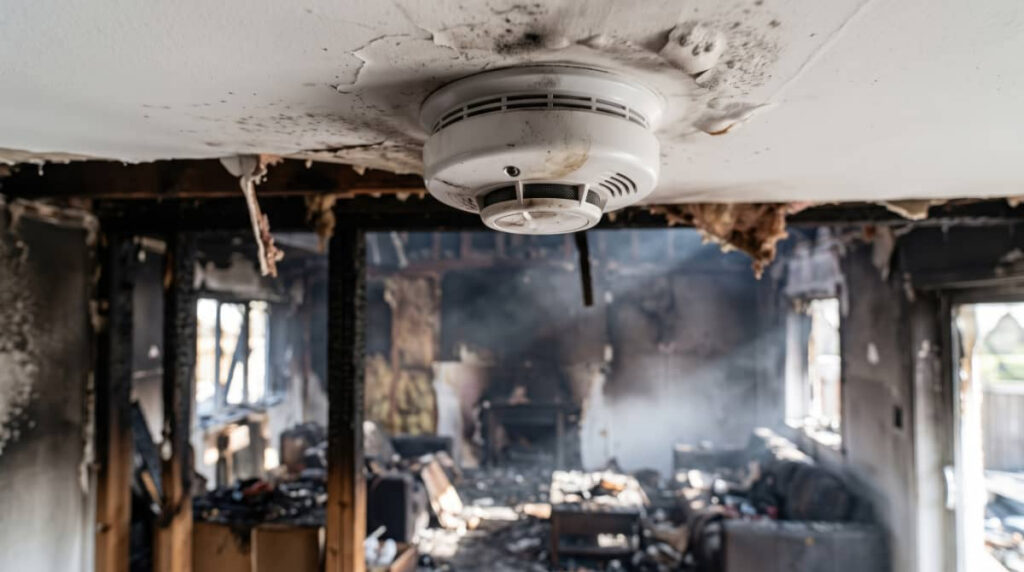
If smoke odor still lingers after you’ve cleaned fabrics, replaced HVAC filters, and aired out the space, it’s time to bring in professionals. You should call them when odor returns after smoke detection alarms, when soot reached insulation or ductwork, or when you’re filing insurance claims and need documented mitigation.
- Persistent odor in walls
- Visible soot in hidden cavities
- Ongoing irritation after cleanup
- Moisture plus smoke residue
- Large-loss or multi-room damage
A certified team uses thermal fogging, hydroxyl treatment, and surface sealing to neutralize embedded compounds.
They’ll test affected areas, map contamination, and give you a clear plan, so you can re-enter your home with confidence and get back to normal faster.
Frequently Asked Questions
How Long Does Smoke Odor Linger After a Fire?
Smoke odor can linger for days to months after a fire, depending on materials, ventilation, and cleanup. You’ll reduce lingering effects faster with prompt smoke remediation, thorough source removal, and professional treatment.
Can Smoke Smell Return After Initial Cleaning?
Yes, smoke smell can return after cleaning because hidden smoke particle absorption in fabrics, drywall, and HVAC can release again. You’ll need residual odor detection, deeper source removal, and sealing to prevent recurring contamination.
Is Ozone Safe for Indoor Smoke Odor Removal?
No, ozone isn’t safe for indoor smoke odor removal when you’re present; think of a silent storm. You should use it only in vacant spaces, because ozone effectiveness depends on controlled exposure and ozone safety.
Will Air Purifiers Eliminate Deep Smoke Odors?
Air purifiers won’t fully eliminate deep smoke odors, but you can reduce them. You should target smoke odor sources with HEPA and activated-carbon air purifier types, then ventilate, clean, and seal absorbed residue for lasting results.
How Do I Tell if Smoke Damaged Materials Need Replacement?
You’ll know from a material assessment: if smoke damage leaves warping, corrosion, staining, or lingering odor after cleaning, replace it. Like a ship after a storm, you can’t salvage everything prioritize safety, structure, and trust.
Recap
In an emergency, you can beat smoke odor fastest when you act in sequence: remove the source, ventilate immediately, clean every salvageable surface, and treat fabrics and HVAC filters. As a coincidence, the same steps that clear visible soot also clear stubborn odor because they eliminate the particles carrying it. If the smell lingers after you’ve cleaned and aired out the space, don’t wait call smoke odor removal professionals before contamination spreads.