

Contents
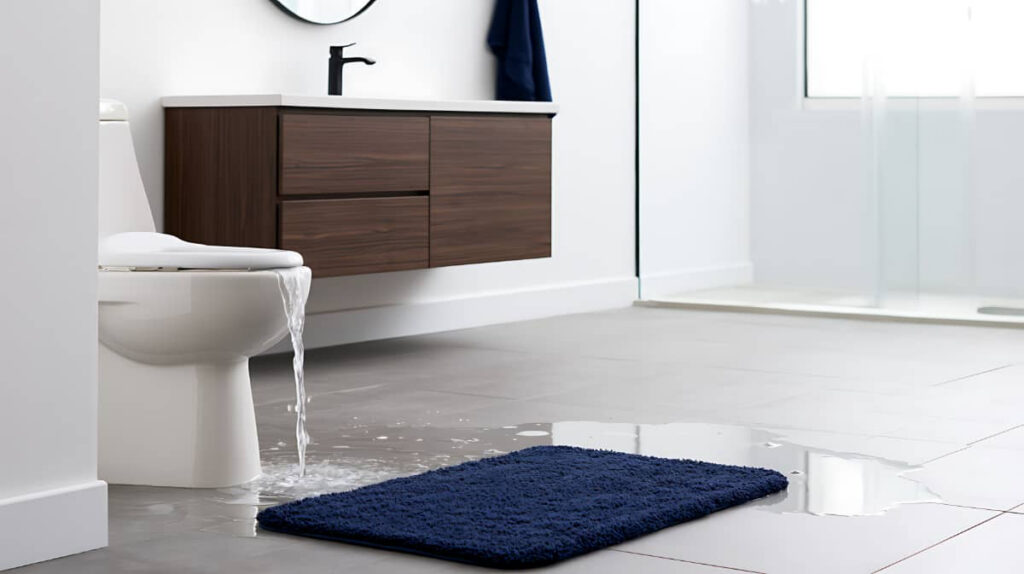
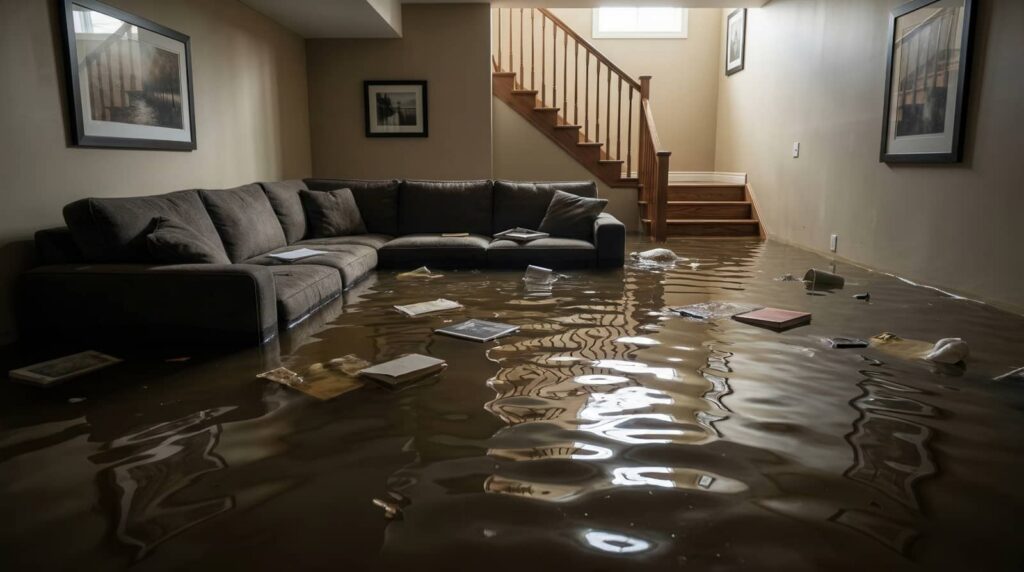
A burst pipe can turn a room into a crisis in minutes, and you need to act fast. First, you shut off the water source and secure the area to prevent hazards. Then you remove standing water and dry all surfaces with proper equipment. Finally, you clean and sanitize everything to reduce mold risk and protect the structure, but the real damage often hides where you can’t yet see it.
Key Takeaways
- Stop the water source and shut off electricity in affected areas to prevent further damage and safety hazards.
- Secure the area by evacuating if needed, marking hazards, and calling emergency services when structural damage or gas is suspected.
- Remove standing water quickly using extraction equipment, then dry carpets, walls, and hidden spaces with fans and dehumidifiers.
- Clean and disinfect all affected surfaces after drying, using appropriate detergents and EPA-registered disinfectants.
- Prevent mold by discarding soaked porous materials and ensuring all areas are completely dry and monitored.
Stop the Water and Secure the Area
The first step is to stop the source of the water as quickly as possible and then secure the area to prevent further damage or injury. You should shut off the main supply, close local valves, or call a qualified technician if the water source isn’t obvious.
Next, put safety measures in place: turn off electricity in affected zones, keep everyone out of slippery or unstable rooms, and mark hazards clearly.
If you smell gas or notice structural damage, leave and contact emergency services. You’re not handling this alone; these steps help your team stay protected and focused.
Remove Standing Water and Dry the Area
Once you’ve stopped the source and made the area safe, remove standing water as quickly as possible to limit further damage and mold growth.
You’ll want to use water extraction equipment first, working from the lowest points toward drains or containment areas. After bulk water is gone, check carpets, padding, baseboards, and hidden corners for residual moisture.
Then apply drying techniques that move air across surfaces and reduce humidity, such as fans, dehumidifiers, and open pathways for circulation. Keep doors or vents positioned to support balanced airflow.
Monitor progress with a moisture meter so you can confirm the area is drying evenly. Stay methodical, and trust that each careful pass helps protect your space, reduce structural stress, and get your home back to normal.
Clean and Sanitize to Prevent Mold
Disinfect all affected surfaces to reduce the risk of mold and bacterial growth after the area is dry.
You should clean walls, floors, trim, and fixtures with a detergent solution first, then apply an EPA-registered disinfectant that matches the material.
Follow the label’s contact time so the product can work fully. Use gloves, eye protection, and good ventilation while you work.
For porous items that stayed wet too long, you may need to discard them to support mold prevention.
Keep your sanitation techniques consistent: rinse when required, dry surfaces completely, and monitor hidden spaces like baseboards and cavities.
If you’re restoring your home with care, you’re protecting your space and everyone in it.
Thorough cleaning now helps your household feel safe, steady, and ready to recover.
Frequently Asked Questions
How Soon Should Insurance Be Notified After Water Damage?
Notify your insurer immediately, ideally within 24 hours, so you protect policy coverage and speed the claims process. You’ll reduce delays, document loss accurately, and stay connected with your recovery team throughout.
Can Electrical Systems Be Safely Turned Back On?
You shouldn’t turn electrical systems back on until a qualified electrician confirms electrical safety and completes power restoration. You can protect your home by drying components, checking outlets, and testing circuits methodically before re-energizing.
What Items Should Be Professionally Restored or Replaced?
You’ll usually professionally restore or replace soaked drywall, insulation, carpets, upholstery, and electronics; in one family’s flooded living room, quick restoration priorities saved salvageable materials, and you’ll feel supported while technicians methodically assess what’s safe.
How Long Does Structural Drying Usually Take?
Structural drying usually takes 3–5 days, though you’ll sometimes need longer for heavier saturation. You’ll get faster results when you run drying equipment continuously, monitor moisture levels, and keep airflow steady throughout the process.
When Should a Plumber Inspect the Source of Damage?
You should call a plumber immediately, before drying starts, so they can perform water leak detection and confirm the source. Prompt plumbing maintenance helps you protect your space, reduce damage, and feel supported.
Conclusion
When you act fast, you protect your home and health. Water damage can begin microbial growth in as little as 24 to 48 hours, so every minute counts. Stop the source, remove all standing water, and dry the area thoroughly. Then clean and sanitize to reduce contamination and limit mold risk. If you follow these critical steps methodically, you’ll restore safer conditions, prevent further damage, and give yourself the best chance for a successful recovery.