

Contents
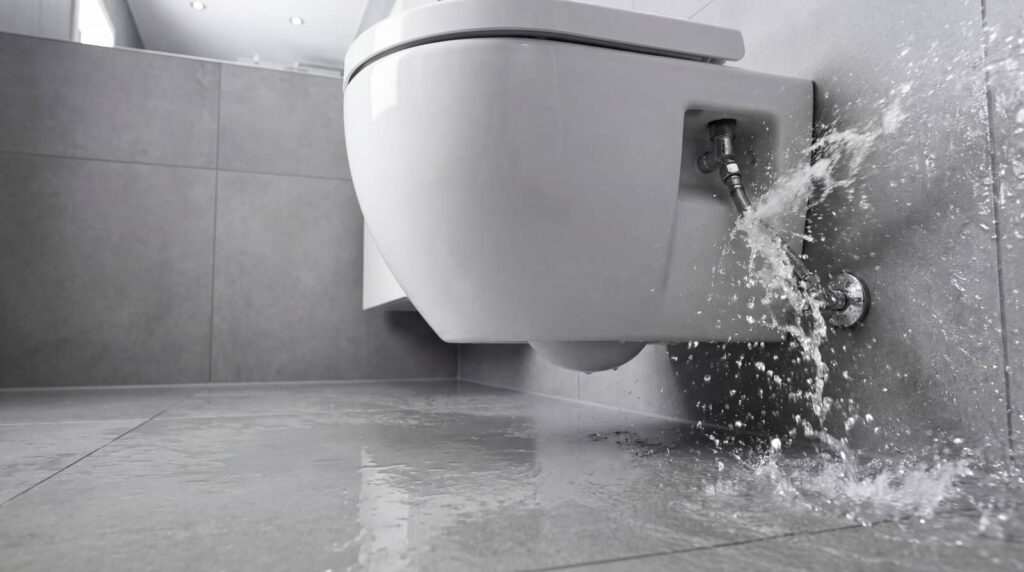
After severe weather, sewage can stay energized by hidden electrical faults, so you shouldn’t enter the area without checking first. You need to stop the leak safely, block sewage from spreading indoors, and then clean hard surfaces with proper disinfection and drying. Each step of sewage cleanup after severe weather lowers health risks, but the order matters more than most people realize—especially when one mistake can make the damage much worse.
Key Takeaways for Sewage Cleanup After Severe Weather
- Turn off power and avoid flooded areas; call emergency services if sewage involves main lines or electrical hazards.
- Wear gloves, boots, and masks, and keep children and pets away from contaminated areas.
- Block spread by sealing doorways, using barriers, and limiting traffic through affected rooms.
- Remove sewage with wet vacs or disposable towels, then clean hard surfaces with detergent and disinfectant.
- Dry everything fast with fans and dehumidifiers, checking hidden spaces for trapped moisture.
Stop the Sewage Leak Safely
Before you do any cleanup, stop the sewage source if you can do so without exposing yourself to unnecessary risk. Your first priority is safety, so don’t enter flooded areas if you see electrical hazards, strong odors, or unstable flooring.
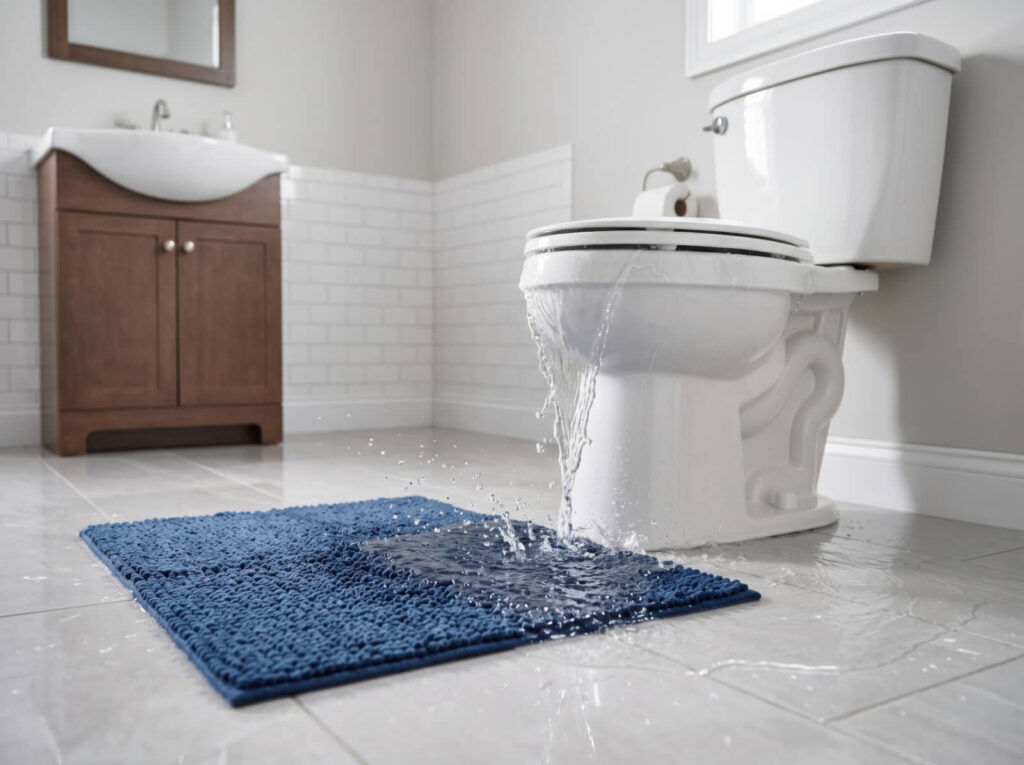
Use sewage leak detection by checking visible pipe breaks, overflowing fixtures, and backed-up drains, then isolate the affected line if you can reach the shutoff safely. If the leak involves a main line or utility connection, call emergency response or your local utility right away.
Stay out of direct contact with wastewater, wear protective gear if you must be near it, and keep children and pets away. You’re not handling this alone; acting quickly and carefully helps protect everyone in your home.
Keep Sewage From Spreading Indoors
Once the leak is under control, contain the affected area right away so wastewater doesn’t track through the house. You can prevent contamination by isolating the space and keeping foot traffic out.
Work with your household as a team, and act fast:
- Place absorbent barriers at thresholds.
- Seal entryways with plastic sheeting and tape.
- Shut doors and limit access.
- Remove shoes or cover them before crossing clean areas.
Keep supplies, pets, and children away from the zone. If water has reached adjacent rooms, mark those boundaries clearly so everyone in your home knows where to stop.
Your goal is to stop movement now, not later. By controlling the path of wastewater, you protect your home, your people, and the shared spaces you’re counting on.
Clean Up Sewage and Dry Wet Areas
With the area contained, you can start removing sewage and drying the affected surfaces.
Wear protective gear and follow safety precautions before you scrub, pump, or wipe anything. Use a wet vacuum, buckets, and disposable towels to lift contaminated water and solids.
Bag debris securely and remove porous items that can’t be disinfected. Wash hard surfaces with detergent first, then apply a disinfectant rated for sewage cleanup and let it stay wet for the full contact time.
Open windows, run fans, and use dehumidifiers to dry floors, walls, and framing fast. Check hidden cavities, baseboards, and insulation for lingering moisture.
You’re not alone in this work; careful cleanup protects your home, your health, and everyone who belongs there.
Frequently Asked Questions
How Can I Tell if Sewage Water Entered My HVAC System?
Check for sewage odor, visible sludge, corrosion, and damp insulation around vents, ducts, and the air handler. Use sewage detection methods and schedule a thorough HVAC system inspection; you’ll confirm contamination and protect your home.
Should I File an Insurance Claim Before or After Cleanup?
File first, then clean up—like setting a safety net before climbing. You’ll protect insurance coverage and start the claim process promptly. Document damage, call your insurer, and follow their instructions before remediation begins.
When Is Professional Sewage Remediation Necessary?
You need professional sewage remediation when contamination covers porous materials, lingers over 24 hours, or creates sewage safety and health risks. You’ll protect your household faster, and you won’t miss hidden contamination.
What Vaccinations Are Recommended After Sewage Exposure?
You’ll usually need hepatitis A and tetanus vaccinations after sewage exposure; your clinician may also review typhoid, rabies, and other vaccination types based on sewage risks, wound status, and local exposure conditions.
How Do I Sanitize Items That Cannot Be Washed?
Like a stubborn stain, you can’t wash non washable items, so use disinfection methods approved for the material: wipe with EPA-registered disinfectant, seal porous pieces for disposal, and air-dry thoroughly; you’re protecting your space safely.
Recap
When severe weather hits, you need to stop sewage leaks safely, keep contamination from spreading indoors, and clean wet areas fast. Wear protective gear, avoid electrical hazards, and seal off the affected space before you begin. Remember: one inch of floodwater can contain millions of harmful bacteria. That statistic shows why quick, careful action matters. If you stay methodical, you’ll reduce health risks and help your home recover faster.