

Contents
When stormwater gets inside your property, you’re often dealing with more than a simple mess. Storm water damage repair is the process you use to assess the intrusion, remove standing water, dry affected materials, clean contaminated surfaces, and restore damaged areas. It also helps you catch hidden moisture before it causes structural decay or mold. Knowing what’s involved can change how you respond in the first critical hours.
Key Takeaways
- Storm water damage repair restores property after flooding or storm runoff by removing water, drying materials, cleaning contamination, and rebuilding damaged areas.
- It is important because it prevents hidden moisture, structural deterioration, and mold growth while improving indoor safety.
- The process usually starts with immediate water extraction, damage documentation, power shutdown if safe, and professional assessment.
- Repair often includes mold remediation, removal of unsalvageable porous materials, sanitizing surfaces, and monitoring moisture levels.
- A complete repair also addresses drainage and sealing issues to help prevent future stormwater intrusion.
What Is Storm Water Damage Repair?
Storm water damage repair is the process of evaluating, removing, drying, cleaning, and restoring materials damaged by heavy rain, runoff, or flooding linked to a storm. You use it to return your property to safe, functional condition while limiting hidden moisture and structural deterioration.
This work often includes inspecting water paths, checking affected walls, floors, and insulation, and applying repair techniques matched to the materials involved. It also supports stormwater management by reducing future intrusion through improved drainage, sealing, and runoff control.
You’ll often see technicians document damage, measure moisture, and verify drying before reconstruction begins. When you understand the process, you can coordinate repairs with confidence and stay connected to a team that knows how to protect your space.
What to Do After Storm Flooding?
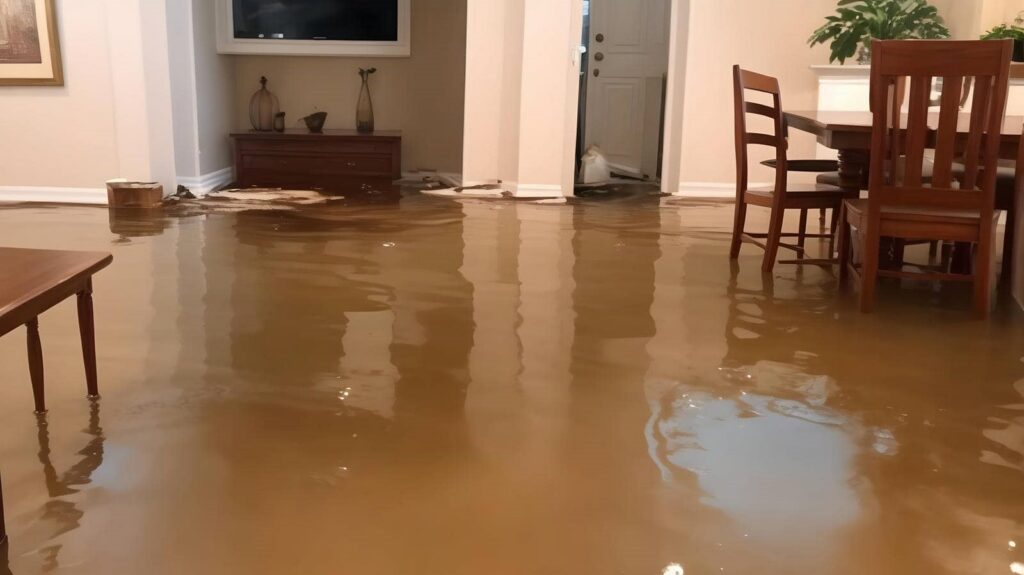
After floodwater enters your property, act quickly to limit structural damage, mold growth, and electrical hazards. Turn off power only if you can reach the main switch safely, then document damage with photos for insurance claims.
Wear gloves, boots, and a mask before entering affected areas. Remove standing water with pumps or wet vacs, and move wet belongings to a dry, ventilated space.
Contact your insurer, a licensed restoration pro, and local authorities if needed. Use flood recovery tips like separating salvageable items from ruined materials and drying surfaces within 24 to 48 hours.
Keep your family informed, and update your emergency preparedness plan so everyone knows where to go, who to call, and what supplies to keep ready during the next storm.
How Storm Water Damage Spreads in Buildings
When stormwater enters your building, it follows wall cavities, floor seams, utility penetrations, and other internal pathways that can carry moisture far beyond the visible leak point.
You may not see the full extent of the damage right away because water can migrate into framing, insulation, subfloors, and other hidden structural spaces.
As damp materials stay wet, mold growth and moisture transfer can spread through adjacent surfaces, worsening both material decay and indoor air quality.
Water Pathways Inside
Water rarely stays where the storm first pushes it, and once it gets inside, it travels along the building’s weakest points: through roof seams, wall cavities, window frames, utility penetrations, baseboards, and floor gaps.
You’ll see water pathways form quickly, then connect rooms through interior drainage routes that you didn’t expect. Track the flow with a methodical check:
- Inspect entry points for active seepage.
- Follow wet staining toward lower finishes.
- Note pooled water near thresholds and drains.
- Map movement from one surface to the next.
This approach helps you identify where moisture enters, spreads, and lingers, so you can coordinate repairs with confidence.
When you understand these routes, you and your team can act faster, reduce cleanup time, and protect the spaces you rely on.
Hidden Structural Migration
Once you’ve tracked visible pathways, the next concern is where storm water keeps moving out of sight inside the structure. You can’t assume the leak stopped at the first wet spot; hidden migration often follows joists, wall cavities, insulation edges, and slab joints.
Water wicks through porous materials, then travels laterally until it meets a barrier or weak point. That spread can soften sheathing, swell framing, and loosen fasteners, which puts structural integrity at risk.
You should inspect for shifting trim, sagging drywall, and subtle floor deflection because they often signal movement beyond the entry point. In a strong repair plan, you map these concealed routes, document affected assemblies, and act quickly so your building’s core stays stable and your team stays confident.
Mold And Moisture Spread
As moisture lingers in hidden cavities, mold can start spreading before the damage looks severe on the surface. You need to treat storm water as a building-wide contaminant, because it moves through wall voids, insulation, and flooring seams.
Once trapped, humidity fuels growth, odors, and material decay.
- Inspect wet drywall and trim fast.
- Remove porous materials that stay damp.
- Dry framing with dehumidifiers and airflow.
- Verify moisture control before rebuilding.
If you act quickly, you protect your space and the people who rely on it.
Strong mold prevention starts with stopping hidden moisture, not just cleaning visible stains. When you join a careful response plan, you reduce spread, speed recovery, and keep your home safer and healthier.
Signs You Need Storm Water Damage Repair
If your property still shows damp spots, discoloration, peeling paint, musty odors, or warped materials after a storm, you may need storm water damage repair.
You should also inspect ceilings, baseboards, and flooring for swelling, staining, or soft spots, since these often indicate hidden intrusion.
If doors stick, windows won’t close cleanly, or your electrical outlets trip, water may have compromised structural or system components.
Don’t ignore recurring condensation or efflorescence on masonry; both can signal ongoing saturation.
Reviewing flood preparedness tips helps you spot these problems faster, and checking insurance coverage early can reduce delays in getting help.
When these warning signs appear, act quickly so you can protect your home, limit further deterioration, and stay connected to a community of prepared property owners.
What Storm Water Damage Repair Covers
Storm water damage repair covers a structural damage assessment to identify weakened framing, damaged walls, and compromised foundations.
It also includes water removal and drying to reduce saturation in building materials and limit further deterioration.
If contamination is present, you’ll need mold and contamination cleanup to remove hazardous growth and restore safe indoor conditions.
Structural Damage Assessment
When water from a storm reaches your home, a structural damage assessment determines whether the building’s load-bearing components have been compromised.
You’ll want a trained inspector to check framing, beams, joists, and walls for movement, cracking, or distortion. This step protects your home’s foundation integrity and guides repair techniques that match the damage you’re facing.
- Measure settlement and slab displacement.
- Inspect sill plates, studs, and connectors.
- Check roof trusses and floor systems for deflection.
- Document lateral shifts, fractures, and code concerns.
Water Removal And Drying
Water removal and drying come next, because standing water and elevated moisture levels can quickly spread damage through flooring, wall cavities, insulation, and structural materials.
You’ll need to extract water fast with pumps, wet vacuums, and targeted airflow so moisture doesn’t linger.
Then you can map damp zones with meters, set dehumidifiers, and position air movers to speed evaporation.
Effective drainage solutions help redirect runoff away from the structure, while proven restoration techniques stabilize materials and reduce secondary losses.
You’re not handling this alone; each step builds a safer, drier space for your home and everyone in it.
Continuous monitoring confirms when hidden pockets of moisture have dropped to acceptable levels, so you can move forward with confidence.
Mold And Contamination Cleanup
Mold can begin growing within 24 to 48 hours after storm water intrusion, so contamination cleanup has to start as soon as drying and safety checks allow. You’ll remove porous materials that can’t be sanitized, then clean salvageable surfaces with EPA-approved agents.
Technicians perform contamination testing to confirm hidden growth, track airborne spores, and verify that your space is safe again.
- Isolate affected rooms.
- Wear PPE and control dust.
- Disinfect structural surfaces.
- Apply mold prevention strategies, including humidity control and leak repair.
This process protects your household, reduces odor, and helps you regain a clean, trusted environment.
When you follow a disciplined cleanup plan, you’re not just fixing damage—you’re restoring confidence in the place you call home.
How to Choose a Storm Damage Company?
Choosing the right storm damage company starts with verifying that the contractor has the proper licensing, insurance, and experience to handle your specific type of damage. You should confirm contractor qualifications by asking for references, certifications, and documented storm response projects.
Review insurance considerations carefully: the company needs liability coverage, workers’ compensation, and clear billing practices that align with your policy.
Ask how they assess moisture intrusion, structural compromise, and hidden contamination, because accurate diagnostics prevent repeated repairs. A reliable team explains timelines, permits, and material replacement standards in plain language.
You want a contractor who communicates quickly, documents every step, and helps you feel like part of a capable recovery team. That combination protects your property, your claim, and your peace of mind.
Frequently Asked Questions
How Long Does Storm Water Damage Repair Usually Take?
You’ll usually see storm water damage repair take 3–14 days, depending on the repair timeline, weather impacts, and drying needs. You can expect faster results when damage is limited and access stays clear.
Will Insurance Cover Storm Water Damage Repair Costs?
Yes, your policy may cover storm water damage repair costs, but coverage limits and exclusions matter. You’ll need to document damage, start the claim process quickly, and work with your insurer to confirm benefits.
Can Mold Form After Storm Water Damage?
Yes—mold can form within 24 to 48 hours after storm water damage. You should prioritize water extraction and mold prevention immediately, because damp materials let spores spread fast, and you’ll protect your home and community.
Is Storm Water Damage Repair Safe to DIY?
Sometimes, but you shouldn’t DIY storm water damage repair unless you’re sure the area’s dry and uncontaminated. Use DIY safety precautions, inspect structure, and follow storm prevention tips. If you smell mold or sewage, call a pro.
How Much Does Storm Water Damage Repair Typically Cost?
You’ll usually pay $1,000–$5,000 for storm water damage repair, depending on repair factors like square footage, drying, mold, and materials. Your cost breakdown often includes labor, remediation, and replacement, with severe damage costing much more.
Recap
Storm water damage repair helps you restore your property after flooding, leaks, or wind-driven rain. You should act fast to remove water, dry materials, and stop hidden moisture before it spreads like wildfire through walls and floors. A thorough repair process protects your structure, reduces mold risk, and returns safe indoor conditions. If you see stains, odors, or warped materials, you need professional help right away to limit damage and get your property back on track.