

Contents
After even a small kitchen fire, you may discover that smoke can spread farther than the flames, like ink in water. Emergency fire cleanup should begin by assessing damage fast, securing the site, and preventing water from causing more harm. Soot, odors, and hidden mold can turn a manageable cleanup into a much larger repair job. With the right steps, you can protect your home, speed recovery, and know when it’s time to bring in the pros.
Key Takeaways
- Assess fire damage carefully and prioritize safety by wearing PPE, shutting off electricity, and checking for unstable structures.
- Secure the area with barriers, document hazards, and start water extraction quickly to limit secondary damage.
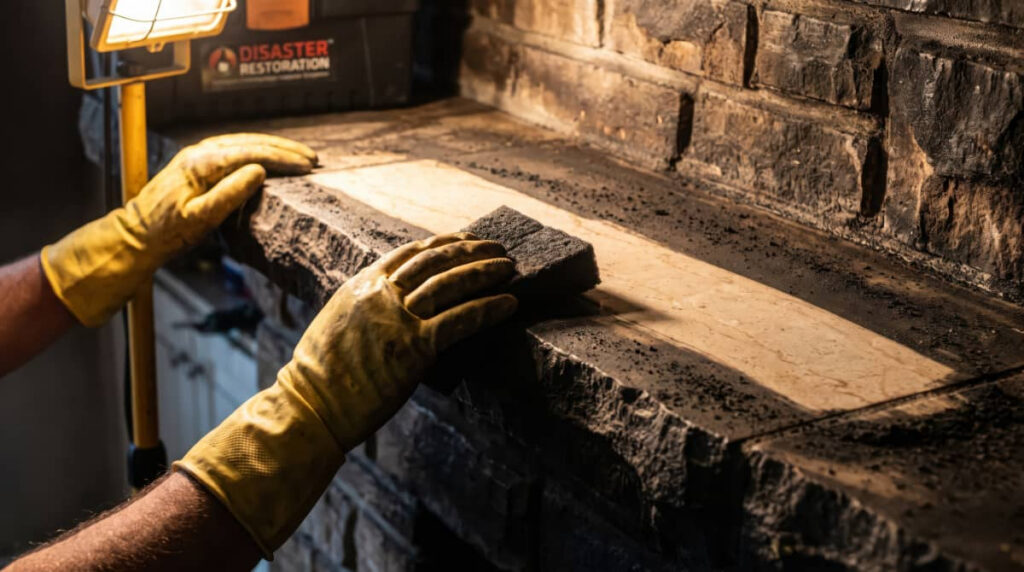
- Remove soot and ash using HEPA vacuums and chemical sponges, and bag debris to prevent contamination.
- Clean salvageable belongings promptly, but separate severely damaged items showing charring, warping, or strong odors.
- Call professional restoration experts for structural, electrical, HVAC, or heavy smoke damage, and document everything for insurance claims.
Assess Fire Damage and Safety First
Before you start any cleanup, assess the fire damage and make sure the area is safe to enter. You should begin with a careful fire assessment, noting visible charring, smoke staining, warped materials, and any lingering odors.
Check ceilings, floors, and walls for instability, and look for water damage from firefighting efforts. Wear proper PPE, including gloves, boots, and a respirator, because soot and ash can irritate skin and lungs.
Follow safety measures like shutting off electricity and avoiding damaged appliances until a qualified professional clears them. If you’re part of a recovery team, communicate clearly and document hazards together so everyone stays aligned.
This step helps you protect yourself, reduce risk, and plan cleanup with confidence.
Secure the Fire-Damaged Area
Once you’ve confirmed the site is safe enough to enter, secure the fire-damaged area to prevent further loss and keep hazards contained. You should post clear barriers, lock doors, and mark unsafe rooms so everyone knows where access stops.
If windows or openings are exposed, cover them to support area containment and reduce outside intrusion. Shut off utilities only when trained personnel direct you, and keep a log of who enters and leaves.
Wear protective gear, move carefully, and avoid disturbing unstable materials. These fire safety steps help you protect your space, preserve evidence for claims, and stay organized as a team.
When you act quickly and methodically, you make cleanup safer for everyone involved.
Address Water Damage Fast
When water enters a fire-damaged property, you need to remove it fast to prevent mold, structural weakening, and further material loss. You should start water extraction right away with pumps, wet vacuums, and professional drying equipment, then monitor humidity and hidden moisture in walls, floors, and insulation.
This quick response supports mold prevention and helps you protect the spaces your family or team depends on. Document the damage, then clear drains and verify that the source is fully stopped before you continue.
You’re not handling this alone—trained cleanup crews can coordinate the drying plan, reduce secondary damage, and restore safer conditions. Fast action keeps repairs manageable, lowers health risks, and helps your property recover with less disruption and more confidence.
Remove Soot, Ash, and Debris Safely
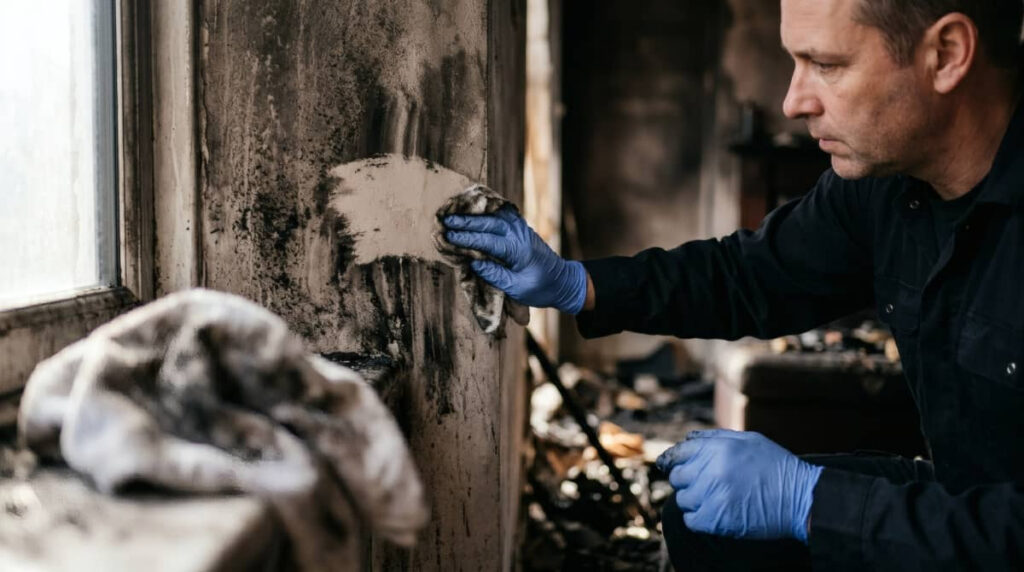
Carefully remove soot, ash, and loose debris to stop corrosive residue from spreading and to make the site safer to work in. You’ll want to wear gloves, eye protection, and a fitted respirator, then work from top to bottom with dry soot removal techniques like HEPA vacuuming and chemical sponges.
Bag debris as you go so you don’t track contamination through clean areas. Use approved ash disposal methods, and double-bag fine dust before sealing containers. Keep tools dedicated to cleanup, and change filters when they clog.
Move slowly around fragile surfaces, because aggressive scrubbing can drive particles deeper. If you’re coordinating with your crew, stay consistent so everyone handles materials the same way and keeps the space controlled, orderly, and ready for the next step.
Eliminate Smoke Odor From Surfaces
Smoke odor can cling to walls, ceilings, trim, and contents, so you’ll need to treat every affected surface before the smell settles in deeper.
Start with dry smoke removal, then wash hard surfaces with a detergent solution that breaks down residue.
Apply odor neutralizers to porous and nonporous materials as directed, because they help bind lingering particles instead of masking them.
Keep ventilation moving with fans and open windows when conditions allow, and replace HVAC filters so contaminated air doesn’t recirculate.
You don’t have to tackle this alone; a steady, methodical approach helps your space feel familiar again.
If odors persist, repeat treatment after surfaces dry.
Consistent cleanup gives your home the best chance to recover fully.
Clean Salvageable Belongings Safely
Once you’ve confirmed an item can be saved, clean it right away so soot and odor don’t set deeper into the material.
Wear gloves, eye protection, and a respirator to protect personal safety while you sort and wipe. Move each item to a clean, dry space, then use salvage techniques that match the material.
Vacuum loose ash with a HEPA tool before touching fabrics, books, or electronics. Wipe hard surfaces with a mild detergent and microfiber cloth, rinsing often so residue doesn’t spread.
For delicate belongings, test a small area first and stop if colors bleed or fibers weaken. Keep clean items separate from damaged ones, and label everything clearly.
You’re not doing this alone; careful handling helps your belongings stay with you.
Prevent Mold After Fire Cleanup
After fire cleanup, you should dry wet materials fast to limit moisture that can trigger mold growth.
Run dehumidifiers and increase airflow in hidden spaces like wall cavities, crawl spaces, and cabinets where dampness can linger.
Check these areas daily and keep drying until moisture readings return to safe levels.
Drying Wft Materials
As soon as water has been used to extinguish a fire, you should dry wet materials quickly to reduce the risk of mold growth and secondary damage. You can protect your space with steady moisture control and proven drying techniques that move air across surfaces and remove dampness before it settles in.
Act fast, and you’ll keep cleanup moving in the right direction.
- Remove saturated items and separate salvageable materials.
- Wipe hard surfaces so water doesn’t linger.
- Check progress often and replace damp cloths or pads.
When you stay consistent, you help your team restore a cleaner, safer environment. You’re not handling this alone; careful drying gives everyone a better path forward and supports a more confident recovery after the fire.
Dehumidify Hidden Spaces
Even when visible water is gone, you still need to dehumidify hidden spaces to stop trapped moisture from feeding mold after fire cleanup.
You should inspect wall cavities, under flooring, attic voids, and cabinet backs where hidden moisture lingers.
Use targeted dehumidification methods such as low-grain refrigerant units, air movers, and directed ventilation to pull vapor from materials and air pockets.
Keep doors open when safe, and monitor humidity with a hygrometer so you can verify drying progress.
If you smell musty odors or see swelling, act quickly; those signs mean moisture remains.
When you control humidity early, you protect your property and help your cleanup team work as one, restoring a safer, healthier space for everyone.
Restore Walls, Floors, and Ceilings
Start by inspecting walls, floors, and ceilings for structural damage, soot staining, water saturation, and lingering odors, since these surfaces often need different repair methods.
You’ll protect structural integrity by removing damaged drywall, checking framing, and planning insulation replacement where heat or moisture got in.
Choose wall treatment that seals stains and supports fresh paint selection. For ceiling restoration, replace warped panels and verify material selection matches the existing assembly.
For floor refinishing, dry the subfloor fully, then sand, repair, and reseal surfaces to restore safety and appearance. Keep aesthetic considerations aligned with durability so your space feels whole again.
- Match repairs to the damaged layer
- Dry, clean, and seal before finishing
- Prioritize long-term performance over quick fixes
Call Fire Cleanup Professionals When Needed
If you see deep structural damage, heavy soot, lingering smoke odor, or widespread water intrusion, you’ll need professional fire cleanup support.
You should call experts when damage extends beyond surface cleaning, because they’ve got the tools to assess hazards and prevent hidden problems.
Acting early can protect your home’s structure and make the recovery process safer and faster.
Recognizing Severe Damage
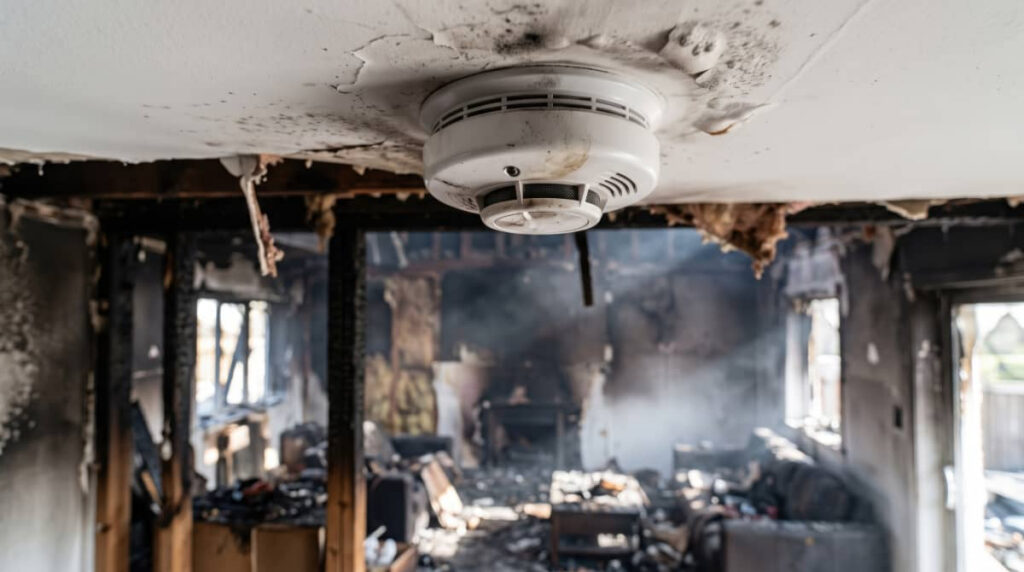
When fire damage goes beyond surface soot or minor smoke staining, you may be dealing with structural, electrical, or toxic residue hazards that need professional cleanup. You can spot severe conditions by reading fire patterns and other damage indicators around ceilings, framing, and hidden cavities.
These signs help you understand that the fire reached deeper than the finish layer and changed materials at a code-level risk. Trust your observations, but keep your distance and protect your household’s safety.
- Warping, cracking, or sagging suggests heat stress in load-bearing materials.
- Charring near outlets or wiring points signals possible electrical compromise.
- Oily residue or pungent odor can indicate persistent contamination inside surfaces.
You’re not alone here; careful recognition helps your cleanup team respond with confidence and restore your space safely.
When To Call Experts
Severe fire damage often means the cleanup has moved beyond safe DIY work, and that’s the point where you should bring in trained fire restoration professionals.
You should call them if you see structural instability, heavy soot, or persistent smoke odor after ventilation. A certified team can perform a fire damage assessment, identify hidden hazards, and prioritize safe entry, debris removal, and contamination control.
If electrical systems, insulation, or HVAC components were exposed, don’t guess; get expert consultation right away. You’ll protect your home, your health, and your peace of mind by letting specialists handle the technical work.
When you bring in the right crew, you’re not facing this alone—you’re joining a process designed to restore safety, stability, and normal life.
Speed Up Insurance Claims
To speed up your insurance claim after a fire, start by documenting the damage immediately with clear photos, videos, and a written inventory of affected items.
Keep every receipt, contractor estimate, and cleanup log in one folder so your insurance documentation stays organized and easy to submit.
Contact your insurer fast and ask what they need for the claim process, then send updates promptly.
You’ll move things along when you:
- Photograph each room before debris removal.
- Record model numbers, quantities, and approximate values.
- Save correspondence and claim reference numbers.
If you’re working with a restoration team, ask them for detailed reports and drying logs.
That proof helps your adjuster verify losses and keeps you connected to a team that’s got your back.
Frequently Asked Questions
What Personal Documents Should Be Saved First After a Fire?
Save your identification, passports, birth certificates, deeds, wills, and financial statements first. Next, secure personal insurance papers and important records. These help you prove identity, file claims, and rebuild quickly, safely, and confidently.
How Soon Can I Re-Enter My Home After Fire Damage?
You can re-enter only after a fire damage assessment confirms re-entry safety. Don’t go back until officials clear the structure, utilities, and air quality. If you must retrieve items, wear protective gear and enter with supervision.
Which Items Should Never Be Cleaned After Smoke Exposure?
You shouldn’t clean asbestos, wet insulation, charred food, melted plastics, or electronics with severe smoke damage; like a broken compass, they point nowhere. Use restoration methods instead, and you’ll protect your home and community.
Can Fire-Damaged Food Still Be Safely Consumed?
No, you shouldn’t eat fire-damaged food. You’re protecting fire safety and food safety by discarding anything exposed to heat, smoke, soot, or water. Keep sealed, intact packages only if you can verify they’re unharmed.
How Do I Protect Pets During Fire Cleanup?
You can keep your companions out of harm’s way by sealing a safe room, using pet safety gear, and storing emergency supplies nearby. You’ll reduce soot exposure, noise stress, and escape risks during cleanup.
Final Thoughts
After a fire, every minute counts, and every careful step matters. You’ve assessed the damage, secured the space, and tackled water, soot, and odor before they spread further. You’ve also protected against mold, salvageable areas, and documented everything for insurance. If the job feels too large or unsafe, call in professionals—because the right help can speed recovery, reduce risk, and bring your property back to safety sooner.