

Contents
After a storm flood, you need to stop smoke odors at the source by removing wet debris, drying the space fast, and cleaning contaminated surfaces before the smell settles deeper. You should also inspect HVAC components, since ducts can spread odor through the building. The right cleaning agents and odor treatments can help, but the sequence matters, and one missed step can keep the problem alive far longer than you expect.
Key Takeaways
- Remove odor sources first by discarding soaked porous materials, cleaning soot, and checking walls, insulation, carpets, and HVAC returns.
- Dry floodwater quickly with pumps, fans, open vents, and dehumidifiers to stop moisture from locking in smoke odors.
- Clean hard surfaces and washable areas with detergent, mild alkaline cleaners, or degreasers, then repeat until cloths come away clean.
- Inspect and sanitize HVAC ducts and vents, and replace clogged filters with high-efficiency media before running the system.
- Use odor-neutralizing products, test natural options carefully, and consider professional restoration for severe storm flood smoke damage.
Stop Smoke and Flood Odors at the Source
To stop smoke and flood odors at the source, you need to remove the moisture, residue, or damaged material causing the smell before you treat the air.
Start with source identification: inspect walls, insulation, carpets, padding, HVAC returns, and hidden cavities for soot, wetness, or moldy debris. Pull out porous materials that hold odor, and bag them promptly.
Wipe hard surfaces with a detergent solution to remove smoke film and flood residue. Use odor prevention techniques by isolating contaminated zones, sealing salvageable items, and keeping clean items away from the affected area.
If you can still smell it after cleaning, the source’s still there. Keep checking until each material is dry, clean, and stable, so your space feels safe and you can move forward with confidence together.
Dry Flood Damage Fast
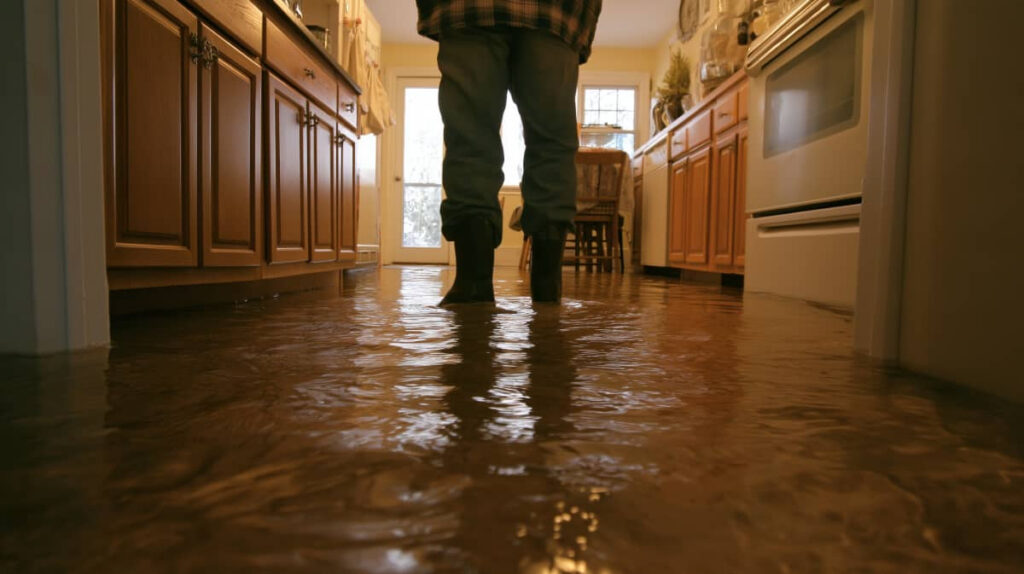
Remove standing water immediately with pumps, wet vacs, or absorbent tools to reduce ongoing damage and odor generation.
Next, increase airflow fast by running fans, opening vents, and using dehumidifiers to accelerate evaporation.
Then check hidden moisture in walls, floors, and insulation, because trapped water can keep smoke odors active and cause secondary contamination.
Remove Standing Water
Get rid of standing water as fast as possible, because trapped moisture lets smoke odors sink deeper into flooring, drywall, and insulation.
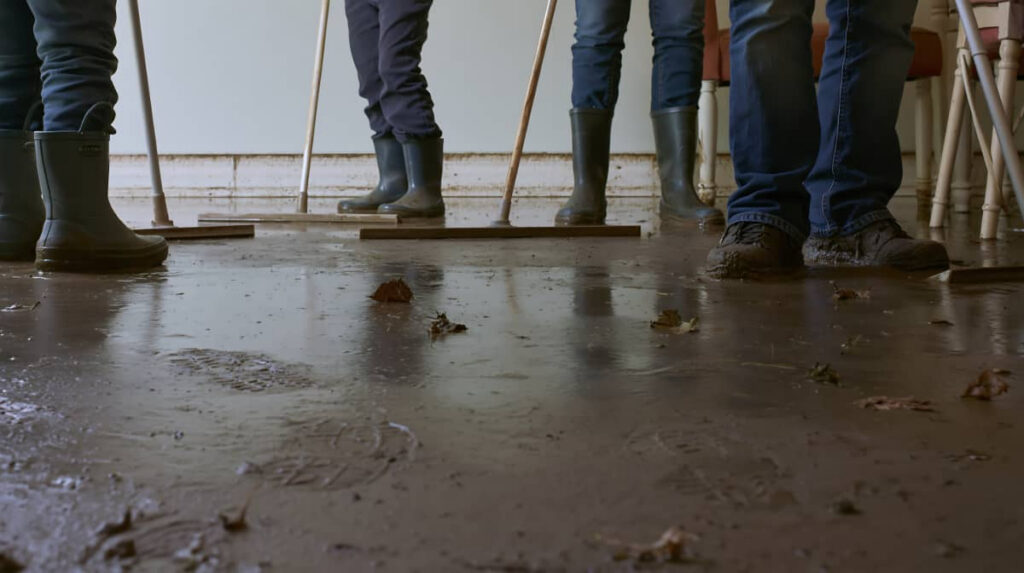
You should start water extraction with pumps, wet vacs, or a squeegee, then move room by room until surfaces stay visibly dry.
Check under rugs, inside closets, and along baseboards, since hidden puddles keep contamination active.
If you can, remove soaked items that block access and slow drying.
Treat this step as part of flood prevention: the less time water stays in place, the less odor binds to materials.
Wear gloves and boots, and watch for slippery floors or electrical hazards.
When you work quickly and methodically, you protect your space, support your crew, and set up the next phase of cleanup.
Increase Airflow Quickly
Once standing water is out, you need to move air through the space fast so damp materials dry before smoke compounds settle deeper into porous surfaces.
Open windows and interior doors to create crossflow, then place box fans to push air from wet areas toward exits. Use ventilation techniques that draw fresh air in and exhaust stale, smoky air out.
If you’ve got a dehumidifier, run it alongside strong air circulation to help lower surface moisture and speed cleanup. Keep fans clear of debris and aim them across, not directly at, saturated wall cavities or carpets.
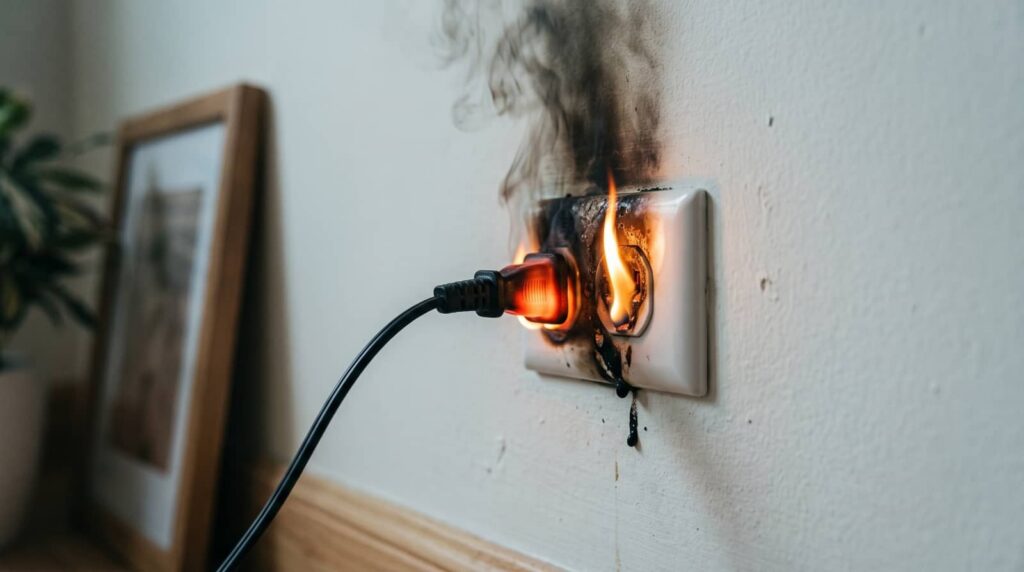
Check that electrical gear is dry and safe before use. By acting together on airflow, you protect your space, reduce lingering odor, and make the next restoration steps easier for everyone involved.
Dry Hidden Moisture
Hidden moisture can keep smoke odor trapped long after visible water is gone, so you need to dry wall cavities, flooring edges, insulation, and other concealed spaces as fast as possible.
Use moisture detection tools to map damp pockets behind trim, under subfloors, and inside cabinets, then target them with air movers, dehumidifiers, and controlled heat.
Don’t rely on surface dryness; materials can still hold odor-causing residues. Keep humidity control tight so moisture doesn’t migrate back into dry areas and reawaken smells.
If you’re working with your crew or family, assign checks every few hours and log readings so everyone stays aligned.
When you dry hidden moisture fast, you reduce odor persistence, lower mold risk, and get your space back on track together.
Remove Smoke Residue From Surfaces
Smoke residue clings to walls, ceilings, furniture, and hard surfaces after a fire or heavy smoking, and you need to remove it before the odor can fully dissipate.
Start with surface cleaning using a dry microfiber cloth or HEPA vacuum to lift loose soot without smearing it.
Then wash washable areas with a mild alkaline cleaner mixed per label directions, working from top to bottom in small sections. Rinse with clean water and dry completely to prevent re-deposition.
For nonporous items, use a degreasing solution and fresh cloths so you’re not pushing residue back into the surface.
Finish with odor neutralization on clean, dry surfaces so trapped smoke compounds break down instead of lingering.
Repeat until cloths come away clear, and you’ll restore a cleaner, fresher space.
Clean HVAC Ducts After Smoke Damage
You should inspect the HVAC ducts for soot, ash, and odor residue before running the system.
Check supply and return vents, registers, and accessible duct sections for contamination.
After cleaning, sanitize the air vents with an appropriate HVAC-safe disinfectant to reduce lingering smoke odor.
Inspect Duct Contamination
After a smoke event, inspect HVAC ducts for soot, ash, and odor residue before running the system again. Use a flashlight and access panels to check trunks, branches, and returns.
During duct inspection, look for gray film, damp buildup, and particles lodged at seams or around fasteners. Trace contamination sources back to registers, filter slots, blower compartments, and any openings that pulled in smoke-laden air.
If you find heavy deposits, mark each section so your cleanup team can target the worst paths first. You don’t have to guess or work alone; a careful survey gives you a clear plan and helps your home feel safe again.
Document what you see, then decide which ducts need professional cleaning before airflow resumes.
Sanitize Air Vents
Scrub and sanitize HVAC vents and duct surfaces only after you’ve confirmed the system is safe to open. Wear gloves, eye protection, and a respirator.
Remove grilles, vacuum loose soot, then apply an EPA-registered cleaner for vent cleaning. Wipe all accessible metal surfaces, let them dry, and replace clogged filters with high-efficiency air filtration media.
If you smell persistent smoke, seal joints, check insulation, and schedule professional duct cleaning. Your goal is clean airflow that helps your home feel like yours again.
- Fresh supply vents reduce lingering odor.
- Clean returns protect shared air.
- Dry ducts limit mold growth.
- New filters catch fine smoke particles.
- A sanitized system restores calm.
Use Odor Removers That Actually Work
To neutralize smoke odors effectively, choose products formulated to break down odor-causing particles rather than just mask them. You’ll get better results from enzyme sprays, hydroxyl generators, and activated charcoal than from perfume-heavy cleaners.
For light residue, test natural alternatives like white vinegar, baking soda, or coffee grounds in small, contained areas; they can reduce lingering smell but won’t fully treat porous materials.
When you need faster, stronger action, use commercial products labeled for smoke, soot, or fire cleanup and follow the dilution and dwell-time instructions exactly. Apply them to fabrics, trim, and hard surfaces after cleaning, then ventilate the space well.
Reapply as needed until the odor drops to a neutral baseline. You’re not fighting this alone—consistent treatment works.
Call Restoration Pros for Severe Damage
When smoke has penetrated walls, insulation, HVAC ducts, or structural materials, call a restoration company rather than trying to handle it yourself. You need a professional assessment to identify hidden contamination, moisture, and corrosion before odors spread further.
Restoration techniques like thermal fogging, HEPA filtration, duct cleaning, and sealed material removal work best when trained crews coordinate them in sequence.
- You avoid wasting time on failed DIY fixes.
- You protect your household from lingering irritants.
- You reduce the chance of recurring odor.
- You restore comfort faster with a team that knows the process.
- You get support from people who understand what you’re facing.
If the damage feels overwhelming, you’re not alone; skilled pros can guide you through each step and help your space feel livable again.
Frequently Asked Questions
Can Storm Flood Smoke Odors Return After Cleaning?
Yes, they can return if odor persistence remains in porous materials or moisture reactivates residues. You should use thorough cleaning techniques, then monitor humidity and ventilation, so you feel confident your space stays fresh.
How Long Do Lingering Smoke Smells Usually Last?
Lingering smoke smells can stick around for days or months if you don’t act fast. You’ll see lingering odors fade as you cut smoke absorption in fabrics, drywall, and insulation with thorough cleaning and ventilation.
Are Storm Flood Smoke Odors Harmful to Pets?
Yes, they can be harmful to your pets. You should limit odor exposure, since pet sensitivity varies and smoke residues may irritate airways, eyes, and skin. If symptoms appear, call your veterinarian promptly.
What Household Items Worsen Smoke Odor Removal?
You’ll worsen smoke odor removal by using baking soda, vinegar solutions, charcoal filters, and essential oils too early or in excess; they can mask smells, trap residue, or react with soot, reducing neutralization.
Should Insurance Cover Professional Odor Remediation?
Yes—treat insurance like a shield: your insurance policies may cover professional odor remediation if smoke damage stems from a covered loss. You’ll want to document remediation costs, review exclusions, and file promptly.
Wrap-Up
To remove storm flood smoke odors, you need to act fast and work methodically. Stop the source, dry wet areas, and clean smoke residue from every hard surface. Don’t forget your HVAC system, since contaminated ducts can spread odor again. Use proven odor removers to break down lingering particles. As the adage goes, “A stitch in time saves nine.” If the damage is severe, call restoration pros before the smell sets in deeper.