

Contents
Could it be true that Commercial Water Mitigation is less about cleanup and more about stopping hidden damage before it spreads? When you face a leak, storm intrusion, or burst line, you need a fast assessment, water extraction, drying, and material protection to limit downtime and loss. The real challenge is knowing what can be saved, when mold risk begins, and how a qualified team determines the right next move.
Key Takeaways
- Commercial water mitigation limits and controls water damage in business properties after leaks, floods, or burst pipes.
- It focuses on stopping further damage, protecting safety, and reducing downtime.
- Common steps include assessing the damage, removing standing water, and drying affected materials.
- Fast mitigation helps prevent mold growth, warped materials, and structural deterioration.
- It also supports salvage of equipment, inventory, documents, and other business assets.
What Commercial Water Mitigation Means
Commercial water mitigation is the process of limiting and controlling water damage in a business property after a leak, flood, burst pipe, or other intrusion. You act quickly to stop further loss, protect equipment, and keep your team’s workspace safe.
In practice, you assess affected areas, remove standing water, dry materials, and document conditions for insurance and recovery. Effective mitigation strategies also help you reduce downtime and prevent secondary damage to structures, finishes, and inventory.
You’ll often work with trained specialists who use moisture detection, extraction, and dehumidification to stabilize the property. When you respond with a clear plan, you protect operations, support your staff, and stay connected to a professional recovery process that puts your business back on track.
How Storm Water Spreads in Buildings
Once you’ve started mitigation, it helps to understand how storm water travels through a building.
You’ll see storm water dynamics at work as water enters through roof seams, wall joints, windows, and foundation cracks, then moves with gravity into lower levels. It doesn’t stay where you first spot it; it can follow framing, pipes, insulation, and duct chases, spreading into hidden cavities.
Porous materials accelerate building absorption, so drywall, carpet, wood, and ceiling tiles can wick moisture far beyond the entry point.
In shared commercial spaces, this spread can affect adjacent rooms and tenants, making early assessment important.
When you understand these paths, you can coordinate better with your mitigation team and protect the whole property.
Immediate Water Mitigation Steps
First, you should shut off the water source to stop further intrusion and limit structural damage.
Then, remove standing water with appropriate extraction equipment as quickly as possible to reduce absorption into flooring, walls, and fixtures.
After that, dry the affected areas using dehumidifiers and air movers to stabilize moisture levels and prevent secondary damage.
Shut Off Water Source
Cut off the water at the source immediately to stop the damage from spreading. You should locate the main shutoff valve, confirm which line feeds the affected area, and close it fully.
In commercial spaces, clear labeling of plumbing systems helps you act fast during emergency procedures and protects water safety. If you can’t isolate the line, contact a licensed technician for precise leak detection and control.
Document the event for insurance claims, then notify your team so everyone follows risk management protocols. Keep drainage solutions ready, but don’t restore the water supply until the source is verified and repairs are complete.
Regular maintenance protocols and staff training improve response time and support flood prevention across your facility, helping you stay coordinated and confident.
Remove Standing Water
Start removing standing water as soon as the source is controlled to limit further absorption and secondary damage. You should deploy appropriate water removal techniques immediately, such as wet vacuums, submersible pumps, and extraction tools matched to the affected area.
Prioritize high-volume removal first, then work methodically across low spots, seams, and perimeter edges where water collects. This reduces standing water dangers, including microbial growth, material distortion, and hidden structural stress.
Wear the right PPE, isolate energized equipment, and keep traffic out of the zone so your team can work safely and efficiently. In commercial spaces, fast extraction helps protect shared assets and keeps everyone aligned on recovery goals.
Use continuous monitoring to verify that no pooled water remains before you move to the next mitigation step.
Dry Affected Areas
Once standing water is removed, you need to dry the affected areas quickly to stop moisture from migrating into walls, flooring, insulation, and concealed cavities.
You should start with a detailed moisture assessment to identify wet materials, hidden saturation, and high-risk zones.
Then, deploy dehumidification techniques that match the building’s size, air volume, and material load.
Use air movers to keep air circulating across damp surfaces, and maintain controlled temperature and humidity levels to accelerate evaporation.
Check progress often with meters and visual inspections so you can confirm drying is moving in the right direction.
When you act fast and stay methodical, you protect the property, reduce secondary damage, and keep your team aligned with proven commercial mitigation practices.
What Materials and Assets Can Be Saved
You can often save salvageable building materials such as structural framing, concrete, metal, and some finishes if you dry and stabilize them quickly.
You can also protect equipment and inventory by isolating, cleaning, and documenting them before corrosion or contamination spreads.
In many cases, you can restore documents and records if you recover them early and use controlled drying methods.
Salvageable Building Materials
After a commercial water intrusion, only materials that dry quickly, retain structural integrity, and don’t trap contamination are usually worth salvaging.
You should begin with material evaluation and damage assessment, then apply salvage techniques that match the substrate. Concrete, steel framing, and some masonry often respond well to preservation methods if moisture is removed fast and corrosion is controlled.
Gypsum board, insulation, and swollen wood products usually fail because they lose structural integrity and harbor mold. Your restoration options depend on contamination level, drying time, and cost considerations.
Use inventory analysis to separate reusable assemblies from items that require removal, and document everything for the team.
When you make careful choices, you protect the building, reduce downtime, and keep your project aligned with professional standards.
Protectable Equipment And Inventory
Beyond building materials, the next priority is identifying equipment and inventory that can be cleaned, dried, and returned to service without compromising safety or performance.
You should isolate items by exposure level, then inspect motors, controls, shelving, packaging, and stock for corrosion, contamination, or warped components.
Trained crews use protective gear to handle wet assets, reducing cross-contamination and personal risk. Your inventory management process should track serial numbers, locations, and restoration status so you can make fast, documented decisions.
Nonporous tools, sealed electronics, and durable fixtures often respond well to controlled drying and sanitation.
Perishable, chemically sensitive, or heavily saturated goods usually need disposal. Clear labeling and staged storage help your team protect salvageable assets, maintain continuity, and keep operations moving with confidence.
Restorable Documents And Records
Paper records, photos, microfilm, and digital media can often be salvaged if you act quickly and match the drying method to the material. You can save invoices, contracts, binders, and customer files when you isolate them, stabilize humidity, and prevent mold.
Freeze-drying works well for coated paper and bound volumes, while air-drying suits limited quantities of uncoated sheets. For images and film, you should use archival techniques that minimize handling and keep emulsions intact.
Digital media may survive if you power it down, dry it carefully, and send it for data recovery. Document preservation depends on rapid assessment, clean staging, and clear labeling so your team can track what’s restorable.
When you respond together, you protect records, reduce loss, and keep your business moving forward.
How Pros Assess the Damage
When pros assess commercial water damage, they start with a full site inspection to identify the water source, map the spread, and determine what materials have been affected.
You’ll see them use damage assessment techniques and professional evaluation methods to document conditions with photos, moisture meters, and thermal imaging. They compare readings across walls, floors, ceilings, and contents, then assign severity levels so your team knows what’s impacted.
- Wet drywall seams
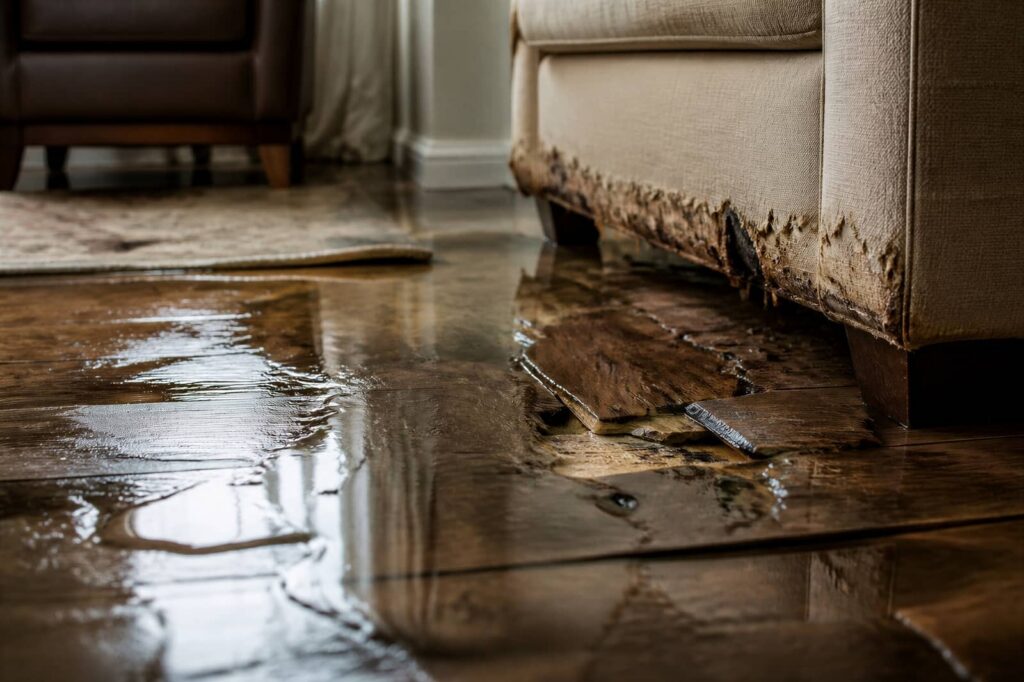
- Warped flooring edges
- Stained ceiling tiles
- Moisture behind baseboards
- Saturated insulation pockets
This process gives you a clear, defensible record for insurance, facility planning, and coordinated recovery.
It also helps your people stay aligned, because everyone works from the same verified findings instead of guesswork.
Why Fast Drying Protects Your Building
Fast drying helps you limit moisture levels before mold can take hold and spread through your building materials.
It also reduces the risk of warped framing, weakened finishes, and other structural damage caused by prolonged water exposure.
Mold Growth Prevention
Moisture left behind after a commercial water intrusion creates ideal conditions for mold to begin colonizing surfaces within 24 to 48 hours, so rapid drying is critical to protecting your building.
You can reduce risk by applying mold prevention techniques that remove moisture before spores settle and spread. When you act quickly, you help your team keep shared spaces cleaner, safer, and more consistent for occupants.
For long term mold management, monitor humidity, inspect hidden cavities, and verify that materials reach dry standards.
- Extract standing water fast
- Run air movers and dehumidifiers
- Open access to damp areas
- Track moisture with meters
- Document drying progress daily
Structural Damage Reduction
Even a brief delay after a commercial water intrusion can let water weaken drywall, swell wood framing, corrode metal components, and compromise finishes before you notice visible damage.
You protect structural integrity by removing standing water fast and lowering moisture in hidden cavities, so materials don’t keep absorbing stress. Rapid drying also limits expansion and shrinkage cycles that can split joints, loosen fasteners, and distort flooring.
When you inspect for trapped moisture, you can reinforce water barriers around penetrations, seams, and wall bases before deterioration spreads.
That disciplined response helps your building stay sound, code-aligned, and safe for the people who rely on it every day. It also keeps small problems from becoming expensive repairs.
Faster Business Recovery
When you dry a commercial property quickly after water intrusion, you shorten downtime and get operations moving again before damage spreads into systems, stock, and occupied areas.
Fast extraction and targeted dehumidification protect your building’s materials, keep indoor conditions stable, and support business continuity. You also reduce financial implications tied to lost sales, overtime labor, replacement inventory, and code-related repairs.
- Keep critical rooms usable
- Limit mold growth
- Protect electrical and HVAC components
- Preserve documentation and equipment
- Reopen with confidence sooner
You and your team stay aligned when drying starts immediately, because every hour saved lowers risk and helps you return to normal operations with less disruption.
Common Storm Water Sources in Commercial Spaces
Storm water often enters commercial spaces through predictable pathways, and understanding these sources helps you reduce damage before it spreads. You’ll usually see failures in storm drainage, roof runoff, poorly sealed loading docks, and clogged drainage systems near entry points.
During a site assessment, you can map low spots, confirm water retention capacity, and identify where flood barriers may help. Landscape design also matters: graded pavement, compacted soil, and missing curbs can channel runoff toward doors and utility rooms.
Strong stormwater management means checking gutters, downspouts, and trench drains before each storm. If water starts to pool, your emergency response should focus on isolating the area, protecting equipment, and restoring flow quickly so your team stays safe and your operation stays resilient.
When Mold Becomes a Real Risk
Moisture that lingers for more than 24 to 48 hours can create a real mold risk in commercial buildings. You need to treat wet materials fast, because porous surfaces can support growth and spread spores through your space.
Strong mold prevention strategies start with drying, cleaning, and verifying that hidden moisture’s gone.
- Damp drywall can harbor colonies.
- Carpets trap water and odor.
- Ceiling tiles weaken quickly.
- HVAC components can circulate spores.
- Employees may face health risks.
When you act early, you protect your team, your property, and your shared work environment. You also reduce downtime and keep your building’s indoor air quality more stable.
If you spot discoloration, musty smells, or recurring dampness, don’t wait—those signs mean mold may already be establishing itself.
What to Expect From Emergency Water Mitigation
Emergency water mitigation begins with a rapid assessment of the affected area, source control, and a plan to stop further damage.
You’ll see an emergency response team isolate wet zones, protect adjacent spaces, and document the water damage for remediation planning.
Next, technicians extract standing water, remove saturated materials, and deploy drying equipment to lower moisture in structural components and contents.
They’ll monitor humidity, surface conditions, and hidden cavities to confirm drying progress and reduce secondary risks.
You can expect clear communication about each step, along with practical guidance that helps your facility stay operational and aligned with best practices.
Throughout the process, the team works to stabilize the property, control contamination, and restore safe conditions quickly and efficiently.
How to Choose a Water Mitigation Team
When you choose a water mitigation team, start by confirming that the company responds quickly, has commercial experience, and can explain its process clearly.
You need a partner who documents losses, protects occupied areas, and coordinates with your staff. Review team qualifications, insurance coverage, and certifications, then ask how they manage project timelines and communication.
A reliable crew should give you a scope, moisture readings, and a realistic recovery plan.
- 24/7 dispatch and on-site arrival
- Proven work in offices, retail, or industrial sites
- Clear moisture mapping and drying logs
- Defined project timelines with milestones
- Direct contact for updates and approvals
Choose a team that helps you feel informed, supported, and ready to reopen with confidence.
Frequently Asked Questions
How Much Does Commercial Water Mitigation Typically Cost?
You’ll typically pay $1,000 to $10,000+, depending on cost factors like damage extent, square footage, and drying needs. Compare service comparisons carefully, because faster response, equipment quality, and labor rates can change your total.
Does Insurance Usually Cover Commercial Water Mitigation Services?
Usually, you’ll get coverage if the loss is sudden; most of commercial policies include water damage protections. You’ll still need to review coverage options and policy exclusions, because flooding or neglect often aren’t covered.
Can Employees Stay in the Building During Mitigation?
Usually, you can’t stay in the building during mitigation if employee safety is at risk. You’ll minimize work disruptions by relocating staff, isolating affected areas, and following your contractor’s clearance guidance.
How Long Does Commercial Water Mitigation Usually Take?
You’ll usually see commercial water mitigation take 3–7 days, though severe water damage can extend the restoration timeline. You’ll feel confident when your team responds quickly, dries materials thoroughly, and verifies moisture readings before reopening.
What Permits Are Needed for Commercial Water Mitigation Work?
You’ll usually need building, plumbing, electrical, and demolition permits; in many jurisdictions, most commercial mitigation jobs trigger at least one permit. You should verify permit requirements and mitigation regulations before starting, so you stay compliant.
Summary
When storm water hits your commercial property, every minute counts. You need fast mitigation to protect drywall, flooring, inventory, and equipment before damage spreads. For example, if a burst pipe floods a server room overnight, rapid extraction and drying can prevent costly data loss and downtime. By acting quickly and calling trained professionals, you can limit repairs, reduce mold risk, and get your business back up and running sooner.