

Contents
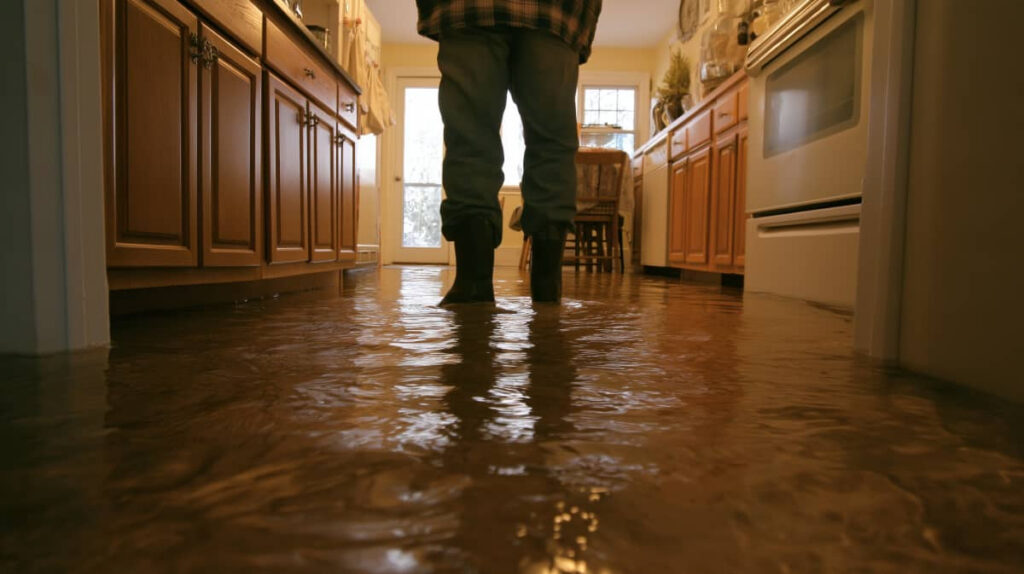
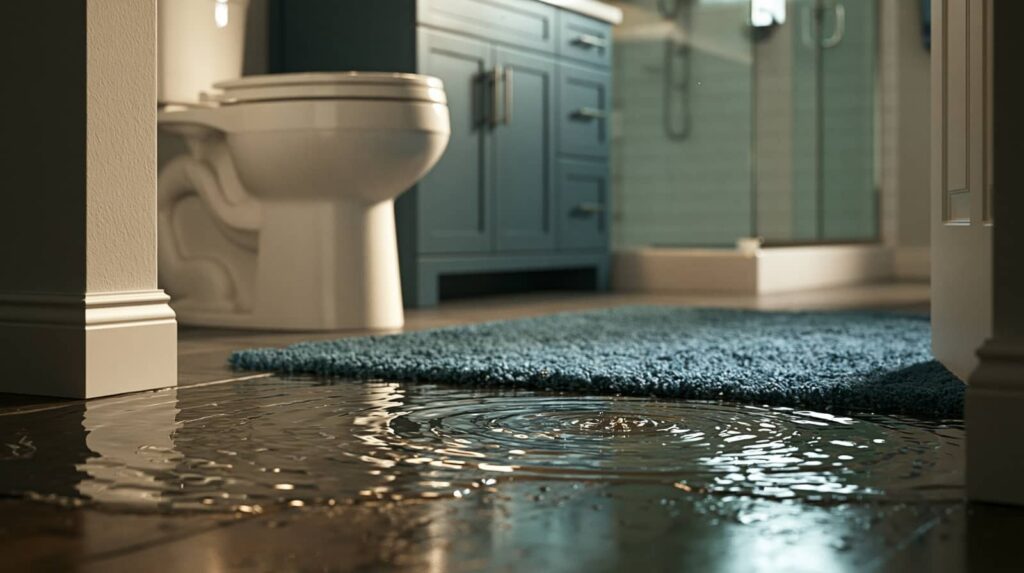
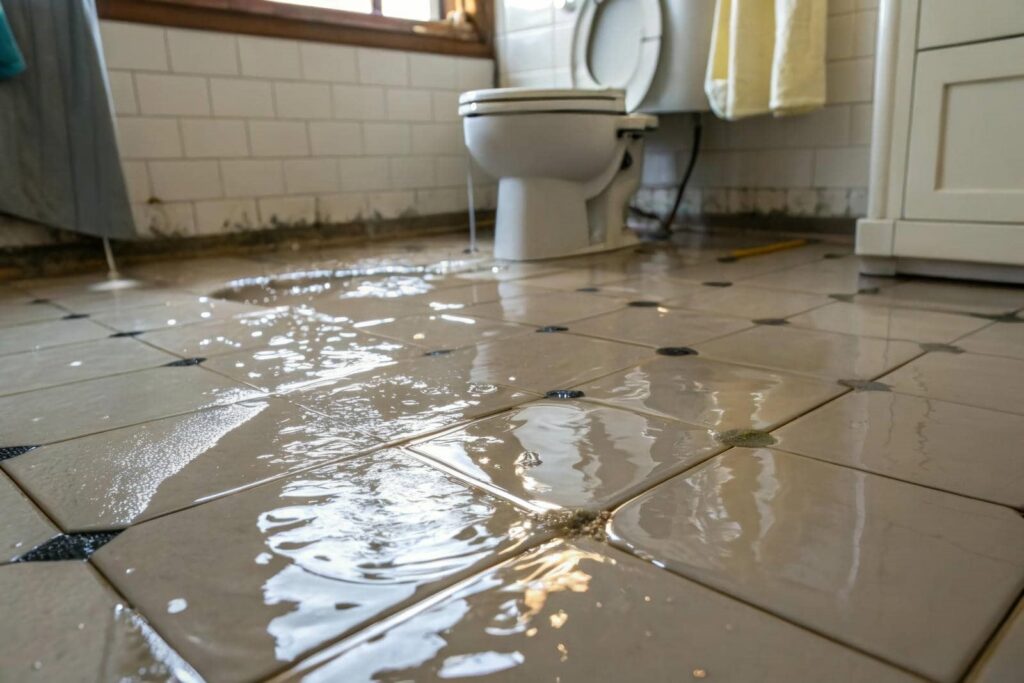
Sewage Damage Repair requires careful attention and the right equipment to ensure both safety and effective restoration. Imagine standing in a damp, foul-smelling space where sewage has caused significant damage. To address this properly, you need personal protective equipment (PPE), along with powerful water extraction pumps, industrial-grade disinfectants, air scrubbers, and moisture meters. Each tool plays a critical role in removing contamination, drying affected areas, and restoring safe living conditions after a sewage-related incident.
Key Takeaways
- Personal protective equipment (PPE) such as gloves, boots, masks, and goggles is essential for safety during sewage damage repair.
- Water extraction pumps, including submersible and centrifugal types, are vital for removing water from affected areas.
- Wet/dry vacuums are necessary for efficiently handling both liquid and solid waste during the cleanup process.
- Air movers and dehumidifiers are crucial for enhancing air circulation and moisture removal during the drying phase.
- Surface sanitization materials and moisture-resistant repair materials are important for ensuring thorough cleaning and preventing future issues.
Personal Protective Equipment (PPE)
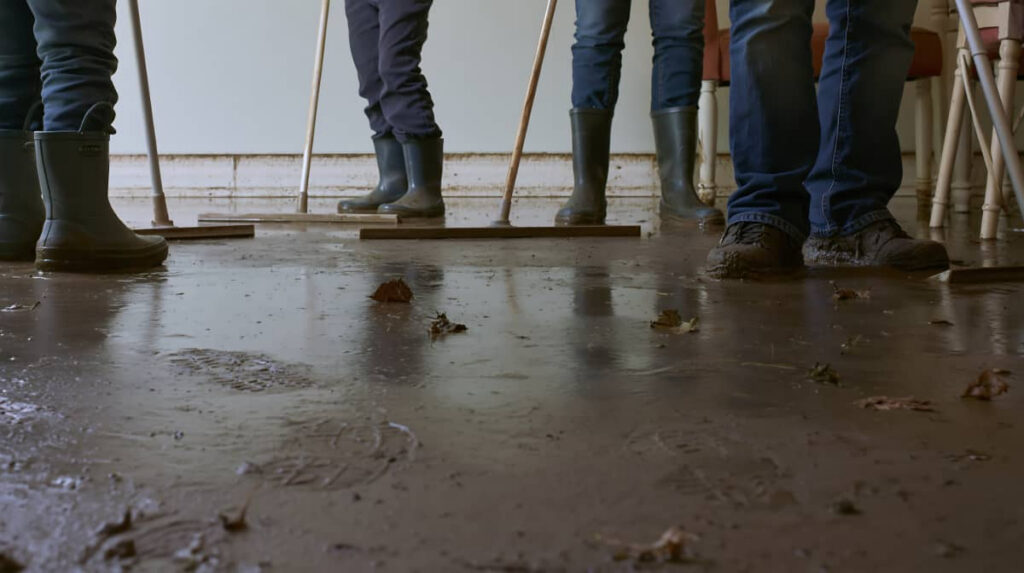
When dealing with sewage damage repair, wearing the right Personal Protective Equipment (PPE) is essential to ensure your safety and minimize health risks. Adhering to PPE standards is significant; these guidelines confirm that you’re adequately protected from hazardous materials and pathogens commonly found in sewage.
First, consider the PPE types you’ll need: sturdy gloves, waterproof boots, and protective coveralls should be your primary choices.
Respirators or masks are also critical, particularly if you’re exposed to airborne contaminants. Verify your equipment meets or exceeds regulatory standards to maintain your safety and that of your team.
Eye protection, such as goggles or face shields, helps prevent exposure to splashes and debris. Always inspect your gear before use, confirming it’s intact and functional.
Water Extraction Pumps
When tackling sewage damage, understanding the various types of water extraction pumps is essential for effective remediation.
You need to take into account pump sizing based on the volume of water and the specific application to ensure ideal performance.
Additionally, employing efficient operation techniques can greatly enhance the pump’s effectiveness and lifespan.
Types of Water Pumps
Understanding the various types of water extraction pumps is vital for effectively managing sewage damage repair.
Submersible pumps are designed to operate underwater, efficiently removing sewage and floodwater from basements and other flooded areas. They’re typically more powerful and can handle solids, making them ideal for severe sewage damage situations.
On the other hand, centrifugal pumps rely on a rotating impeller to move water, making them suited for lower-volume applications. They’re easy to transport and set up, ideal for quick response needs.
Pump Sizing Considerations
How do you ensure peak performance from your water extraction pumps?
First, consider pump capacity. It’s vital to match the pump’s capacity to the volume of water you need to extract. Assess the area’s size and the depth of the water to determine the required flow rate.
Next, focus on pump selection; choose a pump that can handle the specific conditions of your sewage damage situation. Look for features like durability and efficiency to ensure long-lasting performance.
Don’t forget to factor in the type of debris present, as this can affect the pump’s effectiveness.
Efficient Pump Operation Techniques
Efficient operation of water extraction pumps is essential for expediting sewage damage repairs and minimizing further complications. To ensure high pump efficiency, regularly inspect and clean filters and impellers, as debris can hinder performance.
You should also monitor the pump’s suction and discharge pressure; any significant fluctuations may indicate an underlying issue. Implementing proper maintenance practices, like lubricating moving parts and checking electrical connections, can drastically extend your pump’s lifespan.
Additionally, always keep a log of operational hours and service dates, allowing you to predict maintenance needs effectively. By adhering to these strategies, you enhance pump performance and foster a sense of community among your peers, sharing insights and techniques for successful sewage damage repair.
Wet/Dry Vacuums
Wet/dry vacuums are vital tools for tackling sewage damage repairs, capable of handling both liquid and solid waste with ease.
When selecting a wet/dry vacuum, consider the different wet/dry vacuum types available. Some models are designed for heavy-duty jobs, while others are more suited for smaller, residential tasks. Understanding your needs will help you choose the right equipment.
To ensure peak performance, follow vacuum maintenance tips. Regularly check and clean the filter to avoid clogs, and inspect hoses for damage after each use.
Empty the tank promptly to prevent odors and bacteria growth. It’s also important to use the appropriate attachments for efficient suction, especially in tight spaces or when dealing with debris.
Dehumidifiers
When addressing sewage damage, understanding the types of dehumidifiers available is essential for effective moisture removal.
You’ll need to operate and maintain these units properly to ensure peak performance and longevity.
Let’s explore the various types and essential maintenance tips to maximize their efficiency in your repair efforts.
Types of Dehumidifiers
Understanding the various types of dehumidifiers is crucial for effectively managing moisture in areas prone to sewage damage.
There are two main dehumidifier types: refrigerant and desiccant. Refrigerant dehumidifiers work by cooling air to condense moisture, making them ideal for moderate climates and spaces with high dehumidifier capacity needs.
In contrast, desiccant dehumidifiers utilize chemical absorbents to extract moisture, performing better in cooler temperatures and lower humidity levels.
When choosing the right type, consider the specific environment and the required dehumidifier capacity to ensure efficient moisture control.
Each type has unique benefits, so selecting the right dehumidifier can greatly impact your sewage damage repair efforts and help create a healthier living space.
Operation and Maintenance Tips
To ensure your dehumidifier operates efficiently and lasts longer, regular maintenance is essential.
Start by performing preventive maintenance checks every month. Clean or replace the air filter to ensure ideal airflow and efficiency. Inspect the water collection bucket for debris or clogs, ensuring it empties properly.
Additionally, regularly check the hoses and connections for leaks or damage. When not in use, store your equipment in a dry, cool place to prevent mold growth and corrosion. This proper equipment storage will extend the lifespan of your dehumidifier.
Finally, monitor humidity levels to ensure your unit operates within the manufacturer’s specifications. By following these steps, you’ll maintain peak performance and contribute to a healthier environment.
Air Movers
Air movers play an essential role in the efficient drying process following sewage damage. These powerful devices help to increase air circulation, reducing moisture levels and preventing further damage.
You’ll find various air mover types available, including axial fans and centrifugal blowers. Each type has specific advantages depending on the area and level of saturation you’re dealing with.
For effective air mover placement, position them strategically to create a direct airflow across wet surfaces. Make sure they’re angled toward the most saturated areas to facilitate ideal drying.
It’s vital to space the air movers adequately to prevent dead zones where moisture can linger. By understanding the different air mover types and mastering their placement, you’ll greatly enhance the drying process, making certain of a quicker and more thorough restoration.
This targeted approach promotes efficiency while fostering a sense of community among those tackling similar sewage damage challenges.
Disinfectants and Sanitizers
After employing air movers to dry out affected areas, the next critical step in sewage damage restoration is the application of disinfectants and sanitizers.
You’ll want to select products that have proven disinfectant effectiveness against a broad spectrum of pathogens. Look for EPA-registered disinfectants specifically designed for sewage contamination, as these are formulated to tackle the unique challenges of biohazardous waste.
When applying these solutions, ensure thorough surface sanitization by following the manufacturer’s instructions on dwell time—this is essential for peak effectiveness.
Use proper personal protective equipment (PPE) during application to safeguard yourself from harmful pathogens.
After treatment, verify that all surfaces are clean and free from residues.
Moisture Meters
Moisture meters are fundamental tools in sewage damage restoration, allowing you to accurately assess the moisture content in various materials. Understanding different moisture meter types, such as pin and pinless meters, is imperative for effective evaluation.
Pin meters use electrodes to penetrate surfaces, providing precise readings in wood or drywall, while pinless meters utilize electromagnetic signals to scan larger areas without surface damage.
Proper moisture meter calibration is essential for ensuring accurate readings. Regularly calibrating your device according to manufacturer specifications helps maintain reliability and consistency in your assessments.
When performing sewage damage repair, it’s important to monitor moisture levels continually; this prevents further damage and supports effective drying processes.
Repair Tools and Materials
Effective sewage damage repair hinges on the right tools and materials, which play a critical role in restoring affected areas. You’ll need a variety of repair tools, including a high-quality wet/dry vacuum for water extraction, industrial fans for drying, and specialized cleaning agents to eliminate contaminants.
When selecting materials, prioritize mold-resistant drywall, moisture-resistant insulation, and durable sealants to ensure long-lasting repairs.
Understanding repair techniques is essential; for instance, using proper patching methods for walls can prevent future water intrusion. Always assess the extent of damage before beginning repairs, as this influences your material selection.
Be sure to wear personal protective equipment (PPE) to safeguard against hazardous conditions. By equipping yourself with the right tools and materials, you can tackle sewage damage effectively, restoring both safety and comfort to affected spaces.
Your commitment to proper repair techniques ensures a successful outcome and fosters a sense of belonging in your community.
Frequently Asked Questions
How Long Does Sewage Damage Repair Typically Take?
Sewage damage repair typically takes a few days to weeks, depending on the severity. The repair timeline includes evaluating damage, the cleaning process, and restoring affected areas. You’ll want professionals for thorough and safe results.
Can I Handle Sewage Damage Repair Myself?
Sure, you can tackle sewage cleanup yourself, but it’s risky! DIY repairs often lead to health hazards and inadequate results. It’s wise to consult professionals—your safety and home deserve expert attention. Don’t cut corners!
What Are the Health Risks of Sewage Exposure?
Sewage exposure can lead to serious health symptoms, including gastrointestinal issues, respiratory problems, and skin infections. You should recognize these risks and take precautions to protect yourself from harmful pathogens present in contaminated environments.
How Do I Choose a Professional Repair Service?
When choosing a repair service, remember that homeowners regret their contractor choice. Verify that you check repair service qualifications and evaluate contractor reputation through reviews and referrals to make a confident, informed decision.
What Insurance Coverage Is Available for Sewage Damage?
You’ll find sewage insurance typically covers cleanup and repairs. Explore various coverage options, including endorsements for specific risks. Confirm your policy details include sewage damage to protect your investment and minimize potential losses effectively.
Recap
In tackling sewage damage repair, using the right equipment is essential for safety and effectiveness. Remember, many in the U.S. experience water damage each year, highlighting the importance of being prepared. By equipping yourself with PPE, water extraction pumps, and moisture meters, you can ensure a thorough restoration process. Don’t underestimate the significance of proper tools; they protect you and help prevent long-term damage to your property.