

Contents
It’s often believed that sewage damage repair always leads to hefty expenses, but that’s not necessarily true. You can find budget-friendly solutions that don’t compromise on quality or durability. By exploring various materials and resources, you might discover effective ways to address the damage without breaking the bank. Curious about the options available to you? Let’s explore the practical steps you can take to manage repairs efficiently and economically.
Key Takeaways
- Opt for moisture-resistant materials like vinyl flooring and PVC pipes to minimize repair costs after sewage damage.
- Utilize community assistance programs and local grants to help cover repair expenses without straining your budget.
- Schedule regular plumbing inspections to catch potential sewage issues early, preventing more costly repairs later.
- Consider DIY cleanup techniques and workshops to reduce labor costs while learning valuable repair skills.
- Review your homeowner’s insurance policy to ensure it covers sewage backup and explore additional living expenses coverage during repairs.
Assessing the Damage
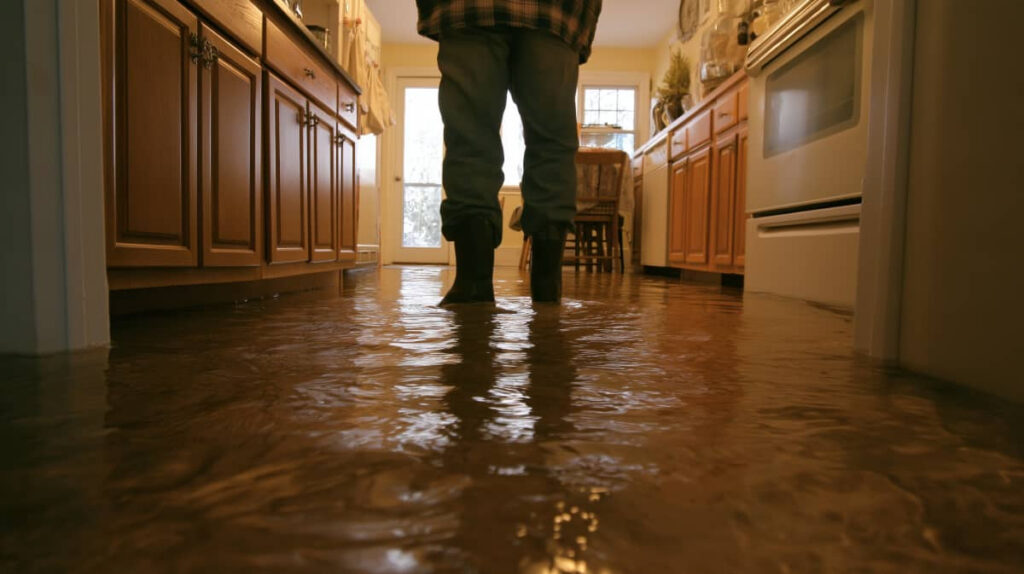
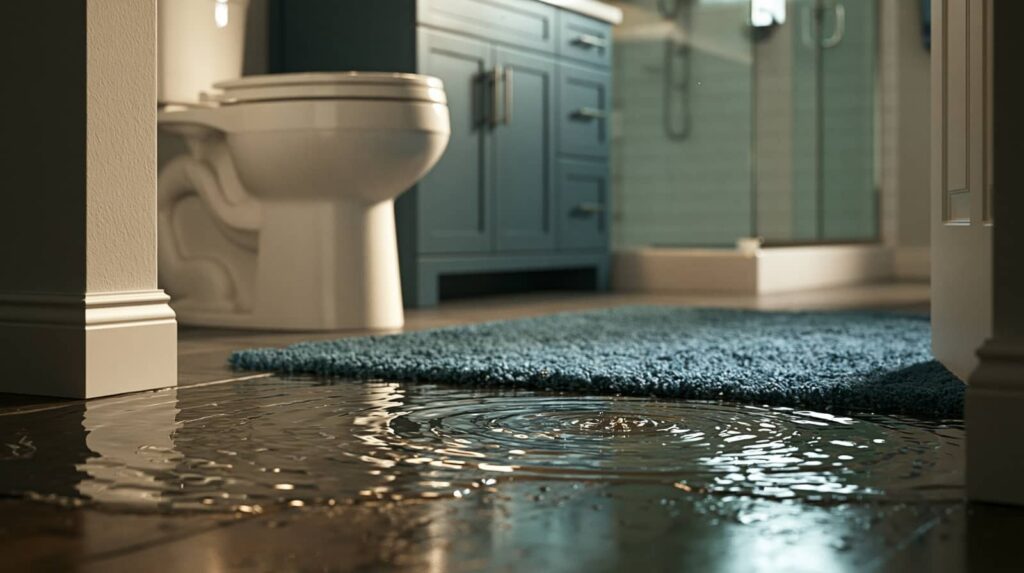
How do you know the extent of sewage damage in your home? Start by looking for damage indicators like water stains, discoloration, or a lingering foul odor. These signs can signal contamination and potential health risks.
Conduct a thorough damage assessment by checking affected areas, including walls, floors, and basements. Inspect for warped materials, mold growth, or soft spots, as these can indicate deeper issues.
If you notice any of these indicators, document your findings with photographs and notes, as this will help in communicating with professionals later.
Don’t forget to examine plumbing fixtures and connections for leaks or blockages—these may have contributed to the damage. By understanding the full scope of the problem, you can make informed decisions on the next steps for repair and restoration, ensuring your home remains a safe and welcoming space for you and your loved ones.
DIY Cleanup Techniques
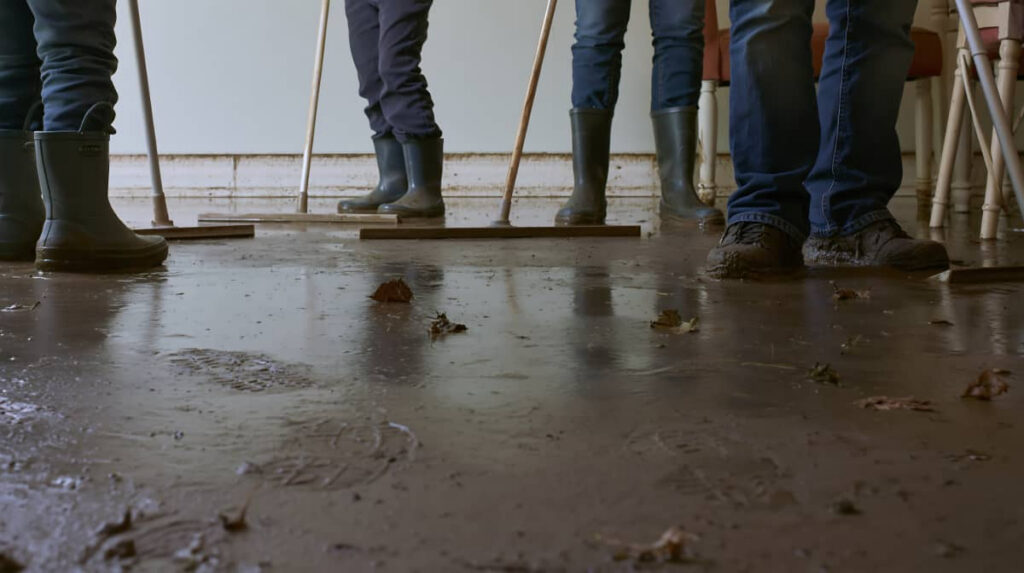
Once you’ve assessed the damage, it’s time to tackle the cleanup. Start by gathering essential cleanup tools: sturdy gloves, masks, buckets, and a wet/dry vacuum.
Before diving in, prioritize safety precautions. Make certain proper ventilation in the affected area and wear protective gear to shield yourself from contaminants.
Begin by removing standing water with the vacuum. Dispose of any contaminated materials like carpets or insulation in sealed bags to prevent further exposure.
Next, scrub hard surfaces with a mixture of bleach and water—this kills harmful bacteria. Rinse thoroughly and dry the area completely to avoid mold growth.
As you clean, keep a close eye on your surroundings and be mindful of potential hazards.
If you feel overwhelmed, don’t hesitate to ask for help from friends or family. Together, you can restore your space, making sure it’s safe and welcoming once again.
Affordable Materials for Repairs
When tackling sewage damage repairs, choosing cost-effective materials is essential for staying within budget.
You can opt for vinyl or laminate flooring, which aren’t only affordable but also resistant to moisture.
For walls, consider using moisture-resistant drywall, and for plumbing, look for budget-friendly PVC pipes to ensure durability without overspending.
Cost-Effective Flooring Options
While you may feel overwhelmed by the aftermath of sewage damage, choosing the right flooring materials can considerably reduce repair costs without sacrificing quality.
Vinyl tiles are an excellent option; they’re durable, water-resistant, and come in various designs, allowing you to match your style while staying budget-friendly. Installation is straightforward, making it a project you can tackle yourself.
Laminate flooring is another cost-effective choice, offering a wood-like appearance at a fraction of the price. It’s also resistant to scratches and moisture, which is essential in areas affected by sewage.
Inexpensive Wall Materials
Choosing inexpensive wall materials for your sewage damage repairs can make a significant difference in both your budget and the overall outcome of your restoration project.
By selecting materials that are both cost-effective and eco-friendly options, you’ll ensure durability while staying mindful of your wallet.
Here are some great choices:
- Plywood: Lightweight and versatile, offering strong durability.
- Drywall: Affordable, easy to install, and comes with various finishes.
- Vinyl Panels: Waterproof and easy to clean, perfect for high-moisture areas.
- Recycled Materials: Sustainable choices that contribute to eco-friendliness.
- MDF (Medium-Density Fiberboard): Provides smooth surfaces for paint or veneers.
These materials save money and help you create a resilient, welcoming space.
Affordable Plumbing Supplies
Finding affordable plumbing supplies is essential for effective sewage damage repairs without breaking the bank.
Start by visiting local plumbing supply stores, where you can find budget tools like wrenches, pipe cutters, and plungers at competitive prices. Look for sales or clearance sections—these can yield unexpected savings.
Don’t hesitate to ask store employees for recommendations on durable yet low-cost materials, such as PVC pipes or sealants. Buying in bulk can also save you money in the long run, especially if you anticipate future repairs.
Remember, investing wisely in these supplies helps you address current issues and builds your confidence for future plumbing challenges.
Together, let’s tackle those repairs cost-effectively!
Utilizing Local Resources
You can greatly cut costs by tapping into community assistance programs that offer resources for sewage damage repair.
Look for local contractor discounts that may provide you with professional help at a fraction of the usual price.
Community Assistance Programs
Although sewage damage can be a formidable challenge, community assistance programs offer valuable resources to help mitigate repair costs. By tapping into local resources, you can find support that encourages belonging and fosters resilience.
Here are some key components to explore:
Community outreach initiatives that connect you with helpful organizations.
Funding availability for low-income households affected by sewage damage.
Workshops on DIY repair techniques and best practices.
Volunteer programs that provide hands-on assistance for cleanup.
Partnerships with local businesses that may offer discounts or materials.
Local Contractor Discounts
Local contractors often provide significant discounts to residents dealing with sewage damage, especially when community assistance programs are in place.
To maximize your local contractor savings, consider reaching out to multiple contractors for quotes. This gives you a baseline for negotiations and shows contractors that you’re informed.
When discussing your situation, don’t hesitate to mention any community programs you’re part of; this can lead to additional discounts.
Use discount negotiation tips like asking about seasonal promotions or referral bonuses, which mightn’t be advertised.
Building a rapport with local contractors can also encourage them to offer better rates, fostering a sense of community while ensuring your sewage damage repair stays within budget.
Preventative Measures for the Future
Implementing effective preventative measures can greatly reduce the risk of sewage damage in your home. By prioritizing sewage backup prevention, you can protect your living space and maintain a healthy environment.
Here are some key steps you can take:
- Schedule regular plumbing inspections to identify potential issues early.
- Avoid flushing non-biodegradable items down the toilet.
- Install backflow valves to prevent sewage from entering your home.
- Keep gutters and drains clear of debris to ensure proper water flow.
- Be vigilant about tree roots, which can infiltrate and damage sewer lines.
Cost-Effective Professional Services
When you’re faced with sewage damage, finding cost-effective professional services can make a significant difference in both your budget and recovery timeline.
Start by researching affordable contractors who specialize in sewage damage repair. These professionals often have the expertise to assess the situation quickly, ensuring that you don’t waste time or money on unnecessary repairs.
Don’t hesitate to ask about repair financing options. Many contractors offer flexible payment plans that can ease the financial burden, allowing you to manage costs without compromising on quality. Some even partner with financial institutions to provide low-interest loans specifically for home repairs.
Additionally, seek out local reviews and recommendations to ensure you’re hiring trustworthy professionals.
By taking these steps, you’ll protect your home and maintain your peace of mind during a stressful time.
Insurance Options to Consider
Understanding your insurance options can greatly impact how you manage the financial aftermath of sewage damage. It’s vital to review your homeowner’s insurance policy to determine available coverage options and their policy limits.
Here are key factors to take into account:
Water Damage Coverage: Verify your policy covers sewage backup, as many don’t include it by default.
Additional Living Expenses: Check if your policy provides coverage for temporary housing while repairs are made.
Deductibles: Be mindful of the deductibles associated with different types of claims.
Liability Protection: This can be significant if the sewage damage affects neighboring properties.
Claim Process: Familiarize yourself with the steps for filing a claim, as timely action can affect your reimbursement.
Community Assistance Programs
While traversing the aftermath of sewage damage can feel overwhelming, community assistance programs can provide crucial support to ease your financial burden. Many local organizations offer community outreach initiatives designed to help residents like you access important resources.
These programs often provide financial aid for repairs, covering costs that might otherwise be unmanageable.
Start by contacting your local government or non-profit organizations to inquire about available assistance. They can guide you through the application processes and eligibility criteria. Some programs may offer direct funding, while others may connect you with contractors who provide discounted services.
Engaging with these community resources helps you recover and fosters a sense of belonging and solidarity in your neighborhood.
Long-Term Maintenance Strategies
To effectively prevent future sewage damage, implementing long-term maintenance strategies is essential. By establishing a proactive approach, you can protect your home and community.
Here are some key strategies to take into account:
Develop a maintenance schedule: Regular inspections and cleaning can catch issues before they escalate.
Invest in long-term budgeting: Allocate funds specifically for sewage system maintenance and repairs to avoid unexpected costs.
Educate your household: Confirm everyone knows what can and can’t go down drains to minimize blockages.
Monitor water usage: Be vigilant about leaks or unusual spikes in usage that may indicate problems.
Engage with professionals: Periodically consult with plumbing experts to assess the condition of your sewage system.
Frequently Asked Questions
How Do I Identify Sewage Damage Early On?
To identify sewage damage early on, watch for early warning signs like unusual odors, slow drains, and damp spots. Common indicators also include discoloration on walls and floors, which signal potential leaks or sewage issues.
What Signs Indicate a Need for Professional Help?
Ever noticed a foul smell wafting through your home? If you see water discoloration or detect persistent odors, it’s time to call professionals. Early intervention can save you from extensive damage and costly repairs.
Can I Claim Sewage Damage on My Taxes?
Yes, you can claim sewage damage repair costs as tax deductions if they’re necessary and not personal improvements. Keep detailed records of expenses to substantiate your claims when filing your taxes for potential savings.
How Can I Prevent Future Sewage Backups?
Think of your plumbing as a fortress. To prevent future sewage backups, schedule regular maintenance, clear clogs promptly, and ensure proper disposal of waste. These steps strengthen your defenses and protect your home from flooding.
What Health Risks Are Associated With Sewage Damage?
Sewage damage poses serious health risks, including pathogen exposure and water contamination. You could face gastrointestinal illnesses, respiratory issues, and skin infections. It’s essential to address these hazards promptly to protect your health and well-being.
Wrap-Up
By embracing these budget-friendly solutions for sewage damage repair, you can transform a messy situation into a manageable project. Think of your home as a ship; with the right tools and resources, you can navigate the stormy waters of repair with confidence. From utilizing affordable materials to tapping into community assistance programs, you’re not just fixing damage—you’re building resilience. Regular maintenance and proactive measures will keep your home sailing smoothly for years.