

Contents
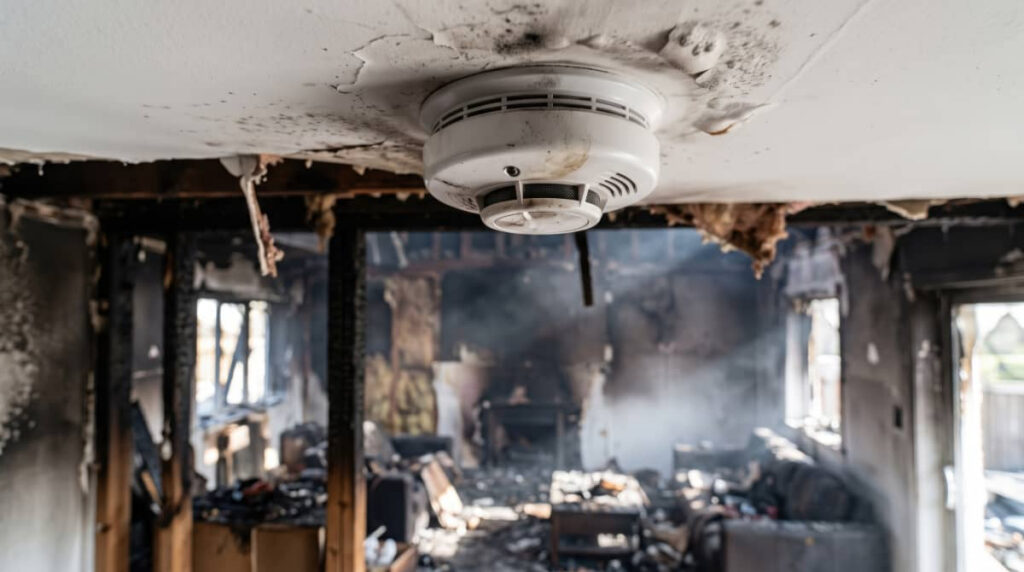
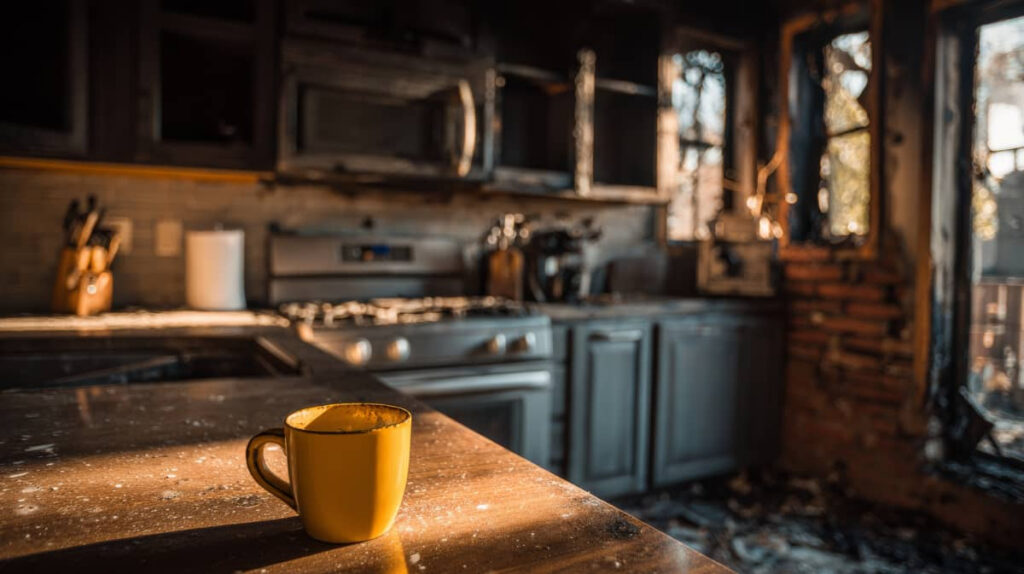
After a house fire, you need to address smoke odor carefully because what lingers is often more than a surface issue. Fire smoke odor removal should start with safety, then move through ventilation, cleaning, fabric care, and HVAC inspection in the right order. Some odors fade with methodical cleaning, but others point to hidden contamination that won’t disappear on its own. Knowing when deeper treatment is needed can make all the difference.
Key Takeaways
- Ensure the home is safe before cleaning: check for structural damage, gas leaks, active heat, and wear protective gear.
- Air out the house with cross-ventilation and fans to remove smoke-laden air.
- Clean soot from walls, ceilings, and hard surfaces using mild degreaser, then rinse and dry thoroughly.
- Wash smoke-exposed fabrics, upholstery, and soft goods using appropriate methods before heat sets odors.
- Inspect HVAC, use odor absorbers like baking soda or charcoal, and call professionals if smoke smell persists.
Assess Safety Before Cleaning Smoke Odor
Before you start cleaning smoke odor, make sure the home is safe to enter. Check for active flames, hot surfaces, structural damage, and weak floors before you step inside.
If you smell gas, hear popping, or see sagging ceilings, leave at once and contact emergency services.
Wear personal protective gear, including gloves, eye protection, and a respirator rated for smoke particles.
Turn off electricity at the main panel only if it’s accessible without risk.
Keep your phone with you and let someone know you’re inside.
Follow basic fire safety practices and avoid touching soot until you’ve confirmed the area’s stable.
When you assess hazards first, you protect yourself and create the best starting point for the cleanup team around you.
Air Out the House
Open windows widely to let stale smoke-laden air escape and start replacing it with fresh air.
Create cross ventilation by opening openings on opposite sides of the house so airflow can move through each room more effectively.
If you run fans, place them to support that airflow and keep them safe from water, debris, and unstable surfaces.
Open Windows Widely
Start by opening every available window and exterior door to create the strongest possible cross-ventilation in the affected rooms. This simple step helps you reduce trapped smoke odors and improve air quality faster.
Check window safety before you leave openings unattended, especially on upper floors or in homes with children and pets. If the weather allows, keep the windows fully open for several hours so stale air can escape and fresher air can enter.
You don’t need to force the process; steady airflow works best when you give the house time to breathe. Stay consistent, and you’ll support a cleaner, more comfortable recovery space while you assess the remaining odor sources.
Create Cross Ventilation
Fresh air movement is one of the most effective ways to dilute lingering smoke odor and clear out stagnant air after a house fire. You can create cross ventilation by opening windows on opposite sides of the home so air enters and exits in a steady path.
Use thoughtful window placement to guide smoke out of rooms and support even airflow throughout the space. This approach works best when you keep pathways open between rooms and avoid blocking openings with furniture or curtains.
- Open one lower window and one higher window when possible.
- Choose rooms with the strongest natural breeze.
- Keep interior doors ajar for continuous flow.
- Recheck airflow techniques as outdoor conditions change.
With steady circulation, you’ll help your home feel fresher and more livable again.
Run Fans Safely
Once you’ve set up cross ventilation, run box fans or window fans to push smoky air outside and keep it moving through the home.
Choose fan types that fit each opening, and place them so they blow outward, not inward. Keep fan placement stable, with cords clear of water, debris, and walkways.
Open interior doors to help air travel, but don’t use fans if ash, sparks, or active flames remain. If one room smells stronger, isolate it and give it direct exhaust.
Run fans continuously while you work, then check surfaces for lingering odor. You’re not just clearing air—you’re restoring a safer, more familiar space for your household.
If smoke is heavy, wear protection and consider professional cleanup before relying on ventilation alone.
Clean Smoke Odor From Walls and Ceilings
Before you repaint or seal anything, you’ll need to remove the smoke residue that clings to walls and ceilings, because that film is often what keeps the odor coming back.
Start with dry debris, then use a mild degreasing cleaner on a small test spot. For effective wall cleaning, work from the bottom up and rinse with clean water to prevent streaks.
For ceiling treatment, use a soft sponge mop and keep moisture light to avoid damage. You’re not just cleaning surfaces; you’re restoring a healthier home for everyone inside.
- Wear gloves and eye protection.
- Change solution when it turns gray.
- Ventilate the room as you work.
- Dry surfaces fully before sealing.
Wash Fabrics and Soft Furnishings
Next, turn to fabrics and soft furnishings, because curtains, bedding, slipcovers, and washable upholstery can trap smoke particles and hold the odor long after hard surfaces are clean.
Sort items by fabric types so you can choose safe cleaning methods for cotton, synthetics, and delicate blends. Wash washable pieces in the warmest water the care label allows, using a heavy-duty detergent and an extra rinse if needed.
For items that can’t handle routine laundering, follow the manufacturer’s instructions and consider professional cleaning. Before drying, inspect for lingering odor; heat can set it.
Air-dry when possible, then repeat treatment if smoke remains. By handling each textile carefully, you help restore a fresh, comfortable space that feels like yours again.
Clean Smoke Odor From HVAC Systems
After fabrics and soft furnishings are cleaned, inspect your HVAC system because smoke can circulate through ductwork, filters, and vents long after the fire is out.
You should shut the system down before you open panels or replace HVAC filters, then check for soot on grilles, registers, and accessible components.
Schedule professional duct cleaning so technicians can remove residue from supply and return lines without spreading contamination.
- Replace any saturated HVAC filters promptly.
- Wipe vent covers with a damp microfiber cloth.
- Verify that blower compartments are free of ash.
- Run the system only after inspection confirms clean airflow.
When you address the system thoroughly, you protect indoor air quality and help your household feel comfortable and supported again.
Use Baking Soda, Charcoal, and Odor Neutralizers
Once the major soot and moisture sources are addressed, you can use absorbent materials and odor-neutralizing products to help capture lingering smoke smells.
Sprinkle baking soda on carpets, upholstery, and fabric trim, then let it sit overnight before vacuuming. Its baking soda effectiveness improves when you apply it to dry, clean surfaces in thin, even layers.
Place activated charcoal in bowls or breathable bags near affected rooms to support charcoal absorption of airborne odor compounds. You can also use a non-scented odor neutralizer designed for smoke residues, following the label exactly.
Keep windows open when weather allows, and replace absorbents as they saturate.
These steps won’t erase deep contamination, but they do help your home feel fresher and more comfortable for everyone.
When to Call a Fire Damage Pro
If smoke has penetrated walls, insulation, or HVAC components, you’ll likely need a fire damage pro to restore the affected areas safely and completely.
You should also call a specialist if you suspect hidden structural damage, since fire and heat can compromise materials you can’t easily inspect.
When odors keep returning after cleaning, a pro can identify the source and apply targeted remediation that addresses the problem at its root.
Severe Smoke Penetration
When smoke has penetrated deep into walls, insulation, ductwork, or subflooring, surface cleaning usually won’t fully remove the odor. You’re dealing with severe smoke penetration, and a fire damage pro can identify the smoke penetration causes through a focused smoke damage assessment.
That assessment helps you choose the right remediation path without guessing.
- Measure odor concentration in affected rooms
- Inspect HVAC returns and supply paths
- Test porous materials for retained residue
- Map affected zones for targeted treatment
If the smell returns after cleaning, or you notice persistent irritation, call a specialist. You deserve a home that feels safe, familiar, and restored.
Professional restoration teams use controlled extraction, sealing, and deodorization methods that go beyond standard cleaning, helping you regain comfort faster and with less stress.
Hidden Structural Damage
Hidden structural damage can linger long after the visible soot is gone, especially in framing, drywall, joists, or load-bearing members that may have been heat-stressed, charred, or weakened behind intact surfaces.
You can’t always spot hidden damage with a quick inspection, so treat any warped walls, sagging floors, cracked plaster, or softened wood as warning signs.
If you notice these conditions, call a fire damage pro right away. They can assess structural integrity, document unsafe areas, and recommend targeted repairs before small weaknesses spread.
By involving a specialist, you protect your home and keep your household on steady ground.
You’re not overreacting; you’re making a smart, informed choice that helps your space recover safely and confidently.
Lingering Odor Persistence
Even after cleaning, smoke odors can keep seeping back because soot, residue, and airborne compounds often remain trapped in porous materials, ductwork, insulation, and hidden cavities.
You may need a fire damage pro when the smell returns after washing, vents still carry odor, or your efforts only mask it.
Professionals use odor absorption techniques, thermal fogging, and HEPA filtration to reach sources you can’t access.
This matters because lingering contamination can affect indoor air quality and create long term effects on comfort and materials.
You’re not alone if the odor feels stubborn; that usually means the fire reached deeper than surface cleaning.
- Odor returns after HVAC use
- Cabinets, fabrics, or drywall still smell
- Soot appears after cleaning
- Breathing feels irritated indoors
Prevent Smoke Odor From Returning
To keep smoke odor from returning, you need to control the sources that can re-release trapped particles and vapors.
Rewash soft goods, clean hidden surfaces, and replace porous items that still hold residue. Seal gaps around ducts, outlets, and trim with smoke barriers so contaminated air can’t circulate.
Run HEPA filtration and maintain balanced ventilation to support odor prevention without spreading particles back into your rooms. Keep HVAC filters fresh, and inspect attics, crawlspaces, and wall cavities for overlooked contamination.
You belong in a home that feels clean and safe, so stay consistent with follow-up cleaning after any heating, humidity, or airflow change.
If odor reappears, address it immediately; quick action prevents deeper absorption and keeps recovery on track.
Frequently Asked Questions
How Long Does Smoke Odor Linger After a House Fire?
Smoke odor can linger for weeks or months after a house fire, depending on smoke persistence and materials affected. You can speed odor removal with thorough cleaning, ventilation, and professional treatment, so your space feels safe again.
Can Smoke Smell Affect Pets and Children More Severely?
Yes—smoke smell can affect pets and children more severely, can’t it? You should watch for pet sensitivity and child health issues, since their lungs absorb irritants faster. Act quickly, and you’ll protect your family.
Will Insurance Cover Professional Smoke Odor Removal Services?
Yes, your insurance policies may cover professional smoke odor removal services, but coverage limits and exclusions vary. You’ll want to review your policy, document damage, and speak with your adjuster promptly for confirmation.
How Do I Know if Smoke Damage Reached Hidden Spaces?
Like smoke in a maze, you can spot hidden damage through soot trails, lingering odor, warped materials, and moisture sensors. You’ll want detection methods such as thermal imaging and borescope inspections to confirm concealed spread.
Is It Safe to Stay Overnight During Odor Cleanup?
Generally, you shouldn’t stay overnight if smoke toxicity remains or cleanup crews are using chemicals. You face health risks from residues and poor ventilation. You’ll feel safer once air testing shows levels are acceptable.
Summary
You’ve done the unglamorous work: aired out the house, scrubbed surfaces, washed fabrics, and checked the HVAC. Smoke odor doesn’t get a dramatic comeback when you keep cleaning, monitoring, and replacing what still smells. If the stink lingers, don’t negotiate with it like it’s a tenant with rights—bring in a fire damage pro. Stay patient, stay methodical, and your home can return to being safe, clean, and actually breathable again.