

Contents
When water damage strikes, it can escalate quickly, leading to significant structural issues and health risks. That’s where 24/7 emergency water damage solutions come in. These services provide immediate assistance, ensuring rapid water extraction and damage control. Knowing what to expect from these professionals can make all the difference when you’re faced with a crisis. Understanding their approach and techniques is essential to effectively manage the aftermath of water-related incidents.
Key Takeaways
- 24/7 emergency services provide rapid response to minimize water damage and prevent mold growth.
- Trained professionals assess damage, identify water sources, and prioritize affected areas for efficient restoration.
- Advanced water extraction techniques, like submersible pumps and thermal imaging, ensure thorough removal of moisture.
- Immediate access to dehumidifiers helps reduce humidity levels, preventing further mold development post-extraction.
- Quick documentation of damage supports insurance claims, ensuring timely financial recovery for homeowners.
Understanding Water Damage Types
Water damage can wreak havoc on your property, and understanding its types is essential for effective mitigation.
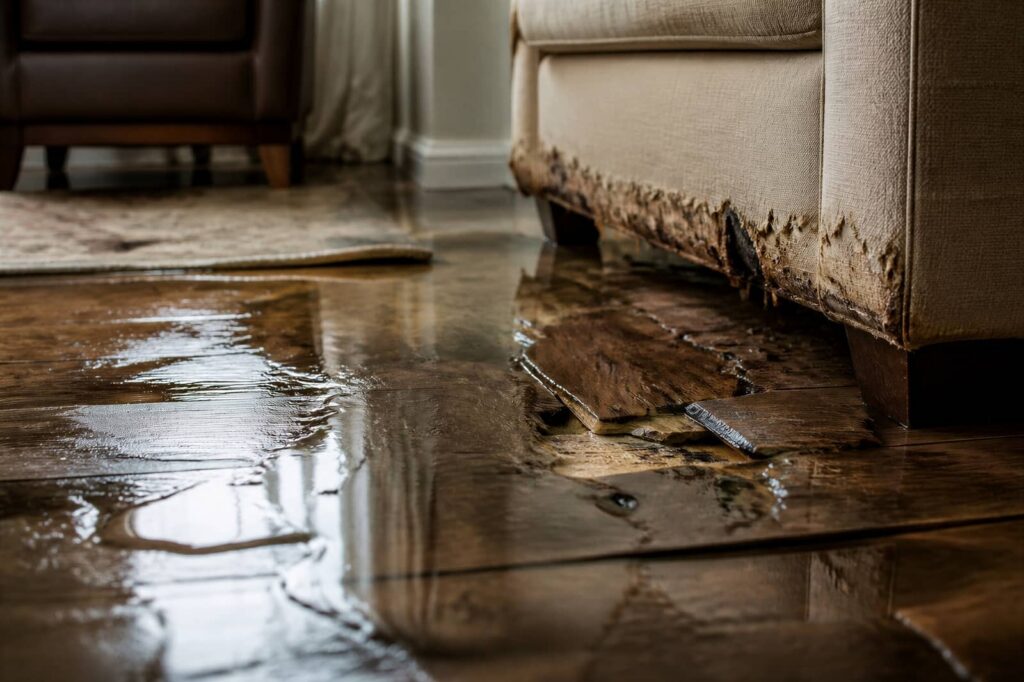
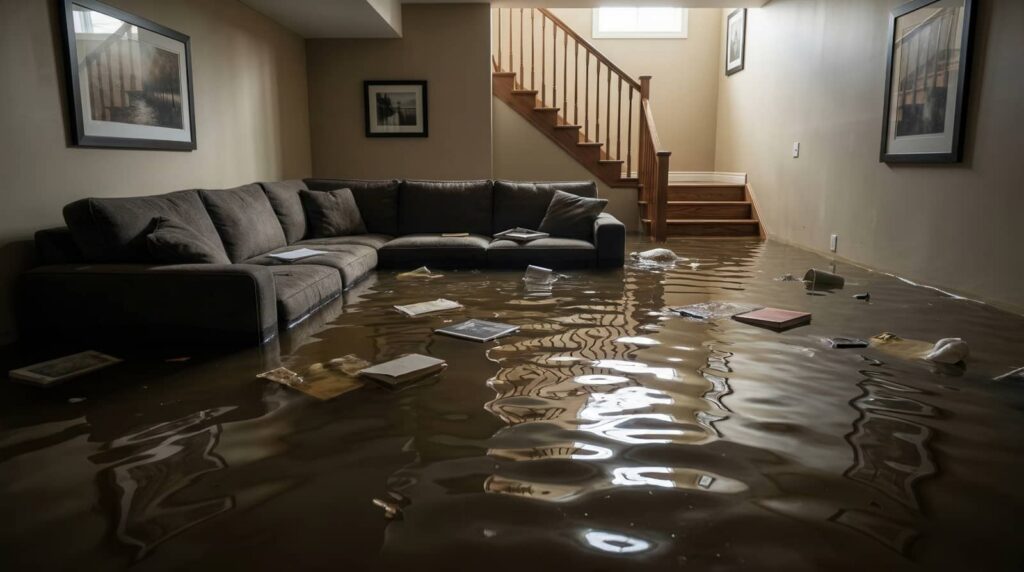
Water damage is classified into three main categories: clean water, gray water, and black water. Clean water comes from sources like broken pipes or rain, posing minimal risk. Gray water, containing contaminants from appliances like dishwashers, requires careful handling to prevent health issues. Black water, which includes sewage and floodwater, is highly unsanitary and poses significant health risks.
Recognizing these types of water damage enables you to take appropriate action before extensive damage occurs.
Whether you’re dealing with a minor leak or a major flood, knowing the specific category can guide your response and help you determine the necessary remediation steps.
Signs of Water Damage in Homes
You should be on the lookout for visible water stains on walls and ceilings, as these often indicate underlying moisture issues.
Additionally, mold growth can signal persistent water problems, which may pose health risks.
Identifying these signs early is essential to preventing further damage to your home.
Visible Water Stains
Visible water stains often signal underlying issues within a home, indicating that moisture has infiltrated the structure. When you spot these stains, it’s essential to act quickly. Ignoring them can lead to more significant problems, such as structural damage or increased repair costs.
For effective water stain removal, identify the source of the moisture and address it promptly. This might involve repairing leaks or improving ventilation.
Additionally, implementing stain prevention measures, like using waterproof paints or sealing surfaces, can help protect your home from future issues.
Mold Growth Indicators
After addressing visible water stains, it’s important to be aware of mold growth indicators within your home.
Look for musty odors, which often signal hidden moisture problems. Check for discoloration on walls, ceilings, or floors; these spots can indicate mold development. If you notice increased humidity, it could be a precursor to mold growth.
Implement mold prevention strategies, such as ensuring proper ventilation in damp areas like bathrooms and kitchens. Utilize humidity control tips, including using dehumidifiers and keeping indoor humidity below 60%.
Regularly inspect your home for leaks or condensation, as these can foster mold. Staying vigilant about these indicators helps protect your living space and promotes a healthier environment for everyone in your home.
Immediate Steps to Take After Water Damage
After experiencing water damage, your first step is to assess the extent of the damage to determine the necessary response.
Next, shut off utilities to prevent further hazards, such as electrical shock or gas leaks.
Taking these immediate actions can help mitigate additional issues and ensure safety.
Assess the Damage
When water damage occurs, quickly evaluating the situation is crucial to mitigate further harm.
Start your damage assessment by identifying the source of the water and the affected areas. This helps in prioritizing your response.
Consider conducting water testing to determine the presence of contaminants, which is essential for safety.
- Check for visible signs of damage, like discoloration or swelling.
- Document damage with photos for insurance claims.
- Assess the integrity of walls, floors, and ceilings.
- Look for mold growth or musty odors, indicating hidden damage.
- Consult professionals for a thorough evaluation if needed.
Taking these immediate steps ensures you address the issue effectively and protects your home and health.
Shut Off Utilities
To prevent further damage and ensure safety, shutting off utilities is essential immediately following water damage.
Start by locating your main utility shutoff valves for water, gas, and electricity. Turn off the water supply to stop additional flooding and prevent mold growth.
Next, switch off the electricity at the breaker box; this reduces the risk of electric shock in wet areas. If there’s a gas leak, evacuate the premises and contact emergency services.
These emergency procedures not only protect your home but also safeguard your family’s safety.
Once utilities are shut off, document the damage for insurance purposes. Taking these steps promptly will help you regain control and start the recovery process effectively.
Importance of 24/7 Emergency Services
As water damage can escalate rapidly, having access to 24/7 emergency services is essential for homeowners and businesses alike.
An urgent response can greatly mitigate damages, ensuring that your property remains safe and secure. When you know help is just a call away, you gain peace of mind, allowing you to focus on recovery.
- Minimizes long-term damage to your property
- Reduces costs associated with extensive repairs
- Prevents mold and mildew growth
- Provides immediate assessment and action
- Offers expert guidance throughout the process
With 24/7 emergency services, you’re not just reacting to a crisis; you’re taking proactive measures to safeguard your investment.
You belong to a community that prioritizes safety and support, ensuring that, no matter the hour, help is always available when you need it most.
Water Extraction Techniques and Equipment
Effective water extraction is an essential step in mitigating damage after a water-related incident. You need to understand the available water extraction methods to ensure a thorough and efficient process.
One common technique is the use of submersible pumps, which quickly remove standing water from affected areas. Additionally, truck-mounted vacuums or portable extractors can tackle smaller volumes and tight spaces effectively.
Advanced equipment, like thermal imaging cameras, helps identify hidden moisture that may not be visible. This technology allows you to target problem areas more precisely, making sure no dampness is left behind.
Dehumidifiers also play a significant role in preventing mold growth by reducing humidity levels post-extraction. By employing these methods and tools, you’ll speed up the drying process and protect your property and health from further damage.
Engaging in these practices fosters a sense of community as you protect your home and those within it.
The Role of Professional Restoration Services
While you may be tempted to handle water damage on your own, engaging professional restoration services is crucial for achieving ideal results.
These experts bring advanced restoration techniques and professional equipment, ensuring your property is thoroughly restored and protected from future issues.
Consider the benefits of hiring professionals:
Expert Assessment: They evaluate the extent of the damage accurately.
Efficient Water Removal: Using specialized equipment, they extract water more effectively than DIY methods.
Mold Prevention: Professionals implement strategies to inhibit mold growth, safeguarding your health.
Comprehensive Drying: They ensure every affected area is dried properly, reducing the risk of structural damage.
Insurance Assistance: Many restoration services help navigate the claims process, making it easier for you.
Preventing Future Water Damage
To prevent future water damage, you need to conduct regular maintenance checks on your plumbing and roof.
Ensuring that your drainage systems are functioning properly is essential to redirecting water away from your home.
Regular Maintenance Checks
Regular maintenance checks are essential for preventing future water damage in your home.
By implementing preventive measures through routine inspections, you can identify potential issues before they escalate.
Here are key areas to focus on during your checks:
- Inspect and clean gutters and downspouts.
- Check for leaks in pipes and fixtures.
- Test sump pumps and ensure they’re operational.
- Examine your roof for damaged shingles or leaks.
- Assess the condition of your foundation for cracks or signs of moisture.
Proper Drainage Systems
Having a proper drainage system in place is essential for preventing water damage to your property. You need effective installations that channel water away from your foundation and landscaping.
Consider drainage solutions like French drains or sump pumps, which efficiently manage excess water during heavy rains. Regularly inspect and maintain these systems to ensure they function correctly; clogged drains can lead to significant issues.
Additionally, grading your property can help direct water away from structures, reducing the risk of flooding. Investing in these solutions protects your home and enhances its value.
Insurance Considerations for Water Damage
When dealing with water damage, understanding your insurance policy is essential, as it can greatly affect your recovery process. You need to familiarize yourself with the specifics of your coverage, especially regarding coverage limits and the claim process.
Here are key points to contemplate:
Types of coverage: Know if you have coverage for both sudden and gradual water damage.
Exclusions: Be aware of any exclusions that may limit your claims.
Deductibles: Understand how deductibles impact your out-of-pocket expenses.
Documentation: Keep thorough records of the damage and any repairs for your claim.
Timeliness: File your claim promptly to avoid potential issues with coverage.
Navigating insurance can be complex, but knowing these aspects will empower you to make informed decisions and ensure a smoother recovery journey.
How to Choose a Water Damage Restoration Company
Choosing a water damage restoration company can be critical to your recovery, especially since not all providers offer the same level of expertise and service. Start by researching potential companies and look for those with strong customer reviews. Positive feedback from previous clients can give you insight into their reliability and quality of work.
A reputable restoration company should stand behind its work, making sure you receive the best results possible. Ask about their certifications and experience in handling water damage situations similar to yours.
Additionally, confirm their availability for 24/7 emergency services, as timely action can greatly reduce damage.
Compare multiple providers to make certain you find one that aligns with your needs and expectations. By taking these steps, you’ll feel confident in your choice and secure in the restoration process.
Additional Resources for Homeowners
After selecting a reliable water damage restoration company, it’s important to equip yourself with additional resources to better manage your situation.
Understanding the available homeowner resources can greatly ease the stress of dealing with water damage.
Make sure you have these emergency contacts readily accessible:
- Local emergency services for urgent situations
- Your insurance provider for claims and coverage inquiries
- A trusted plumber to address any plumbing issues
- Utility companies for water and electricity shut off
- Community resources for temporary housing if needed
Frequently Asked Questions
How Quickly Should I Call for Emergency Water Damage Services?
You should call for emergency water damage services immediately upon noticing a leak. Fast response time is vital; 24/7 service availability ensures professionals arrive quickly to minimize damage and restore your peace of mind.
What Should I Do if I Can’t Locate the Water Source?
If you can’t locate the water source, use water detection tools for precise leak identification. Check behind appliances and under sinks, and consider professional help to ensure you address hidden leaks effectively and protect your home.
Are DIY Water Damage Solutions Effective?
DIY water damage solutions can be effective for minor issues if you use proper techniques and home remedies. However, always assess the situation carefully; serious damage often requires professional intervention to prevent further complications.
How Can I Protect My Belongings During Restoration?
You wouldn’t want your valuable inventory ruined, right? Use waterproof storage to protect your belongings during restoration. Keep items elevated and covered, ensuring they’re safe from water damage while professionals work on the recovery.
What Qualifications Should I Look for in Restoration Professionals?
When choosing restoration professionals, ensure they meet certification standards and possess significant industry experience. This ensures they’re equipped to handle your water damage effectively, protecting your belongings during the restoration process with expertise and reliability.
Recap
In the stormy seas of unexpected water damage, having 24/7 emergency solutions at your side is like having a lifeboat ready to navigate you to safety. Swift response and expert assistance can mean the difference between minor repairs and significant losses. By understanding water damage, taking immediate action, and choosing a reliable restoration company, you safeguard your home and peace of mind. Don’t let water woes drown your spirit—be proactive and protect your sanctuary today.