

Contents
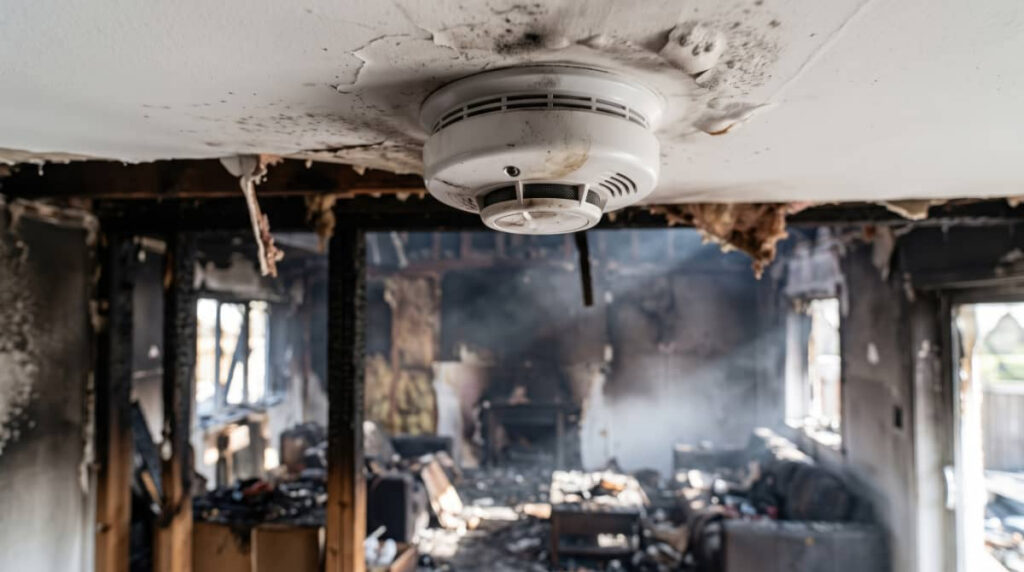
Emergency Fire Cleanup Professionals rely on specialized tools to safely and effectively restore properties after a blaze. Just as a firefighter depends on their gear, these professionals use personal protective equipment (PPE), air filtration systems, soot and smoke removal tools, and advanced water extraction machines to manage fire and water damage. Each tool plays a crucial role in ensuring safety, improving efficiency, and supporting a thorough restoration process after fire-related disasters.
Key Takeaways
- Personal Protective Equipment (PPE) is essential for safety, including flame-resistant clothing, gloves, goggles, and respirators during fire cleanup.
- Fire damage assessment tools like thermal imaging cameras and moisture meters help identify hotspots and prevent mold growth.
- Smoke odor removal equipment, such as ozone generators and air scrubbers, effectively neutralizes lingering smoke odors and improves air quality.
- Water extraction and structural drying equipment, including high-powered air movers and dehumidifiers, are crucial for efficient moisture removal post-fire.
- Restoration tools like ultrasonic cleaners and professional-grade steam cleaners aid in salvaging and cleaning restorable items after fire damage.
Personal Protective Equipment (PPE)
When tackling fire cleanup, using the right Personal Protective Equipment (PPE) is vital to ensure your safety and efficiency. Adhering to PPE standards ensures you’re protected against hazardous materials, smoke, and sharp debris.
You’ll want to choose appropriate PPE types, including flame-resistant clothing, gloves, and respirators. Flame-resistant clothing shields your skin from burns, while gloves provide grip and protection from chemicals. Respirators are essential for filtering harmful particles from the air, allowing you to work safely in compromised environments.
Additionally, safety goggles protect your eyes from smoke and debris, confirming you maintain visibility. Hard hats safeguard your head from falling objects, which is essential in unstable settings.
Fire Damage Assessment Tools
When evaluating fire damage, using thermal imaging cameras and moisture meters can greatly enhance your evaluation process.
Thermal imaging cameras help you identify hidden hotspots and areas of heat retention, while moisture meters accurately measure moisture levels in materials affected by fire and water.
These tools are essential for a thorough understanding of the damage and necessary remediation steps.
Thermal Imaging Cameras
Although fire damage can often be hidden beneath the surface, thermal imaging cameras provide a critical advantage in evaluating the extent of destruction.
These devices employ infrared technology advancements to detect temperature variations in materials, revealing areas of potential concern that are invisible to the naked eye.
You can utilize thermal imaging applications to identify smoldering hotspots, moisture intrusion, and compromised structural integrity, ensuring a thorough assessment.
This technology enhances your ability to prioritize restoration efforts effectively and minimizes the risk of hidden hazards.
Moisture Meters
Following the assessment with thermal imaging cameras, moisture meters become essential tools for evaluating fire damage. These devices accurately measure moisture content, providing critical data for effective restoration.
You’ll appreciate how moisture measurement techniques help identify hidden moisture pockets that might lead to mold growth and structural issues if overlooked.
Using a moisture meter allows you to perform precise moisture content assessments on various materials, including wood, drywall, and insulation.
By ensuring the environment is properly dried, you contribute greatly to preventing further damage and ensuring the safety of occupants.
As a fire cleanup professional, mastering moisture meters enhances your ability to deliver thorough assessments and fosters a sense of trust and belonging within the community you serve.
Smoke Odor Removal Equipment
When it comes to removing smoke odors after a fire, you’ll find that ozone generators are highly effective in neutralizing lingering smells.
Thermal fogging techniques can penetrate materials to eliminate odors deeply embedded in surfaces.
Additionally, using air scrubbers helps filter and purify the air, making your environment healthier.
Ozone Generators Effectiveness
Ozone generators are among the most effective tools for eliminating smoke odors after a fire. These devices work by producing ozone, which oxidizes odor-causing particles, effectively neutralizing them.
For ideal results, you need to take into account the ozone treatment duration; typically, a treatment can last several hours, depending on the severity of the odor.
However, it’s vital to prioritize ozone generator safety, as high concentrations can be harmful to humans and pets. Always make certain that the area is well-ventilated and that you follow the manufacturer’s guidelines.
Thermal Fogging Techniques
While ozone generators are effective for smoke odor removal, thermal fogging techniques offer another powerful method for tackling stubborn odors left behind after a fire.
In thermal fogging applications, a specialized fogging machine vaporizes deodorizing agents, allowing them to penetrate deeply into porous materials. This ensures that even the most trapped odors are eliminated effectively.
To achieve ideal results, you need to maintain your fogging machine properly; regular cleaning and inspection are essential for consistent performance.
By mastering thermal fogging techniques, you can enhance your fire cleanup strategy and provide your clients with a fresher, odor-free environment.
This approach restores spaces while reinforcing your reputation as a reliable cleanup professional in your community.
Air Scrubbers Benefits
Air scrubbers play an essential role in smoke odor removal, especially after fire damage has occurred. These powerful devices filter and purify the air, considerably improving indoor air quality by capturing harmful particles and contaminants.
By utilizing HEPA filters, air scrubbers effectively reduce indoor pollution, which can lead to health issues if left unchecked. They create a cleaner, safer environment, making it easier for you and your clients to breathe free of lingering smoke odors.
Additionally, air scrubbers operate quietly and can be used in various settings, from homes to commercial spaces. Investing in air scrubbers enhances immediate recovery efforts and contributes to long-term health benefits by ensuring cleaner air for everyone involved.
Water Extraction Machines
When facing the aftermath of a fire, water extraction machines are essential for effective cleanup and restoration. These machines utilize advanced water removal techniques to quickly eliminate excess water caused by firefighting efforts.
You’ll find various water extraction methods, including portable units and truck-mounted systems, which are designed to cater to different scenarios.
When choosing the right machine, consider factors like capacity, suction power, and ease of use. High-efficiency models can remove water faster, minimizing damage to structures and contents.
Additionally, these machines often feature advanced filtration systems to prevent contaminants from spreading, ensuring a safer environment.
By investing in top-quality water extraction machines, you enhance your operational efficiency and demonstrate your commitment to restoring affected properties effectively.
This crucial tool will help you belong to a community of professionals dedicated to excellence in emergency fire cleanup.
Air Movers and Dehumidifiers
Effective fire cleanup relies heavily on powerful air movers and dehumidifiers to restore a space quickly and efficiently. Air movers enhance air circulation, which is vital in expediting the drying process after water damage from firefighting efforts. By directing high-velocity airflow across surfaces, these devices effectively minimize moisture retention in structural materials.
Dehumidifiers complement air movers by extracting excess humidity from the air, markedly improving drying efficiency. They work in tandem to create an ideal environment for drying, preventing mold growth and further damage.
When selecting these tools, consider their capacity and coverage area to ensure you achieve the best results. Trustworthy brands offer models designed for heavy-duty use, making them essential for emergency fire cleanup professionals.
Investing in high-quality air movers and dehumidifiers enhances your operational effectiveness and fosters a sense of confidence for both you and your clients during the recovery process.
Cleaning and Disinfection Supplies
After addressing moisture issues with air movers and dehumidifiers, the next step in emergency fire cleanup involves thorough cleaning and disinfection.
You’ll need to implement effective cleaning protocols to remove soot, smoke residues, and contaminants. Start with specialized cleaning agents designed for fire damage, ensuring they’re suitable for various surfaces.
Incorporating proper disinfection techniques is essential. Use EPA-approved disinfectants that can neutralize harmful bacteria and viruses that may thrive post-fire.
Pay attention to high-touch areas, as these require extra scrutiny.
Consider utilizing tools like pressure washers and scrub brushes for stubborn residues, and always wear appropriate personal protective equipment (PPE) to safeguard against hazardous particles.
Structural Drying Equipment
As moisture can greatly compromise structural integrity, utilizing the right structural drying equipment is essential in fire damage restoration.
Start with a thorough structural integrity assessment to identify areas most affected by water intrusion. This will guide your equipment selection and drying methods.
High-powered air movers are important for enhancing evaporation, while dehumidifiers efficiently remove moisture from the air.
When you compare drying techniques, consider using tenting or desiccant methods for specific environments. Portable heaters can also accelerate the drying process, especially in cooler conditions.
Monitor moisture levels throughout the drying phase, making adjustments as needed to ensure optimal results.
By using the appropriate structural drying equipment, you’ll protect the property and foster a safer environment for occupants.
Your expertise in handling these tools directly impacts the success of fire damage restoration, reinforcing your role as a critical member of the emergency response team.
Restoration Tools for Salvageable Items
Once the structural drying is underway, attention shifts to salvaging items that may have suffered damage during the fire. You’ll want to perform a thorough salvage assessment, identifying items that can be restored using effective restoration techniques.
Start with specialized cleaning tools, such as ultrasonic cleaners, which can efficiently remove soot and debris from electronics and delicate items.
For fabrics and upholstery, use professional-grade steam cleaners to eliminate odors and stains. In cases of smoke damage, ozone generators can help neutralize lingering smells.
Don’t overlook the significance of personal protective equipment (PPE) when handling potentially hazardous materials. Each item requires a tailored approach, and understanding the right tools to use is essential for successful restoration.
Waste Disposal and Containment Solutions
When dealing with the aftermath of a fire, effective waste disposal and containment solutions are essential for maintaining safety and preventing further damage. You need to implement robust waste management strategies that allow for the safe removal of debris and hazardous materials.
Start by evaluating the site for any hazardous material handling requirements, as you may encounter substances like asbestos or chemicals from burned materials.
Using appropriate containment tools, such as heavy-duty tarps and sealed containers, ensures that contaminated waste is securely managed. Always label containers clearly to inform team members of potential hazards.
Employing vacuum systems can help collect fine ash and particulates, reducing inhalation risks.
Frequently Asked Questions
What Certifications Are Required for Emergency Fire Cleanup Professionals?
You need various certification types, like IICRC and OSHA, to work in emergency fire cleanup. Completing specialized training programs ensures you’re well-prepared and demonstrates your commitment to safety and professionalism in this critical field.
How Do I Choose the Right Fire Cleanup Company?
To choose the right fire cleanup company, evaluate their fire damage assessment methods and cleanup techniques. Look for certified professionals with a proven track record in effectively restoring properties and ensuring safety during the cleanup process.
What Are the Legal Regulations for Fire Damage Cleanup?
You need to understand fire damage regulations and cleanup liability in your area. Research local laws and consult professionals to ensure compliance, protect your rights, and avoid potential legal issues during the cleanup process.
How Can I Prevent Future Fire Damage?
To prevent future fire damage, ensure you implement fire prevention strategies, regularly check smoke detector maintenance, practice safe cooking habits, and create an emergency escape plan. By being proactive, you protect your home and loved ones.
What Insurance Coverage Is Needed for Fire Damage Restoration?
You need fire insurance to cover property damage and liability coverage to protect against claims from third parties. Make certain your policy includes smoke damage and additional living expenses for thorough protection during restoration efforts.
Conclusion
In the aftermath of a fire, having the right tools at your disposal is like wielding a shield against chaos. By equipping yourself with essential PPE, effective assessment tools, and advanced cleanup equipment, you can restore safety and comfort to affected spaces. Each tool plays a crucial role in transforming devastation into renewal, ensuring a thorough and efficient recovery. Remember, preparation is your best ally in overcoming the challenges of fire damage restoration.