

Contents
When addressing water damage restoration, having the right equipment is vital for effective recovery. High-performance water extractors swiftly remove standing water, while industrial-grade dehumidifiers control humidity levels to mitigate mold risks. Air movers enhance airflow, speeding up evaporation. Additionally, tools like moisture meters and thermal imaging cameras provide precise assessments of moisture levels. Understanding how these components work together can greatly impact the efficiency of your restoration efforts, making it essential to explore each tool’s role.
Key Takeaways
- High-performance water extractors rapidly remove excess water, minimizing damage in both large areas and tight spaces.
- Industrial-grade dehumidifiers control humidity, preventing mold growth and structural damage after water extraction.
- Air movers and blowers enhance airflow for efficient drying, significantly reducing drying times and preventing mold formation.
- Moisture meters and thermal imaging cameras enable accurate moisture assessments and help identify hidden leaks and moisture accumulation.
- Water damage restoration chemicals and solutions are essential for cleaning, mitigating damage, and preventing mold growth on various surfaces.
High-Performance Water Extractors
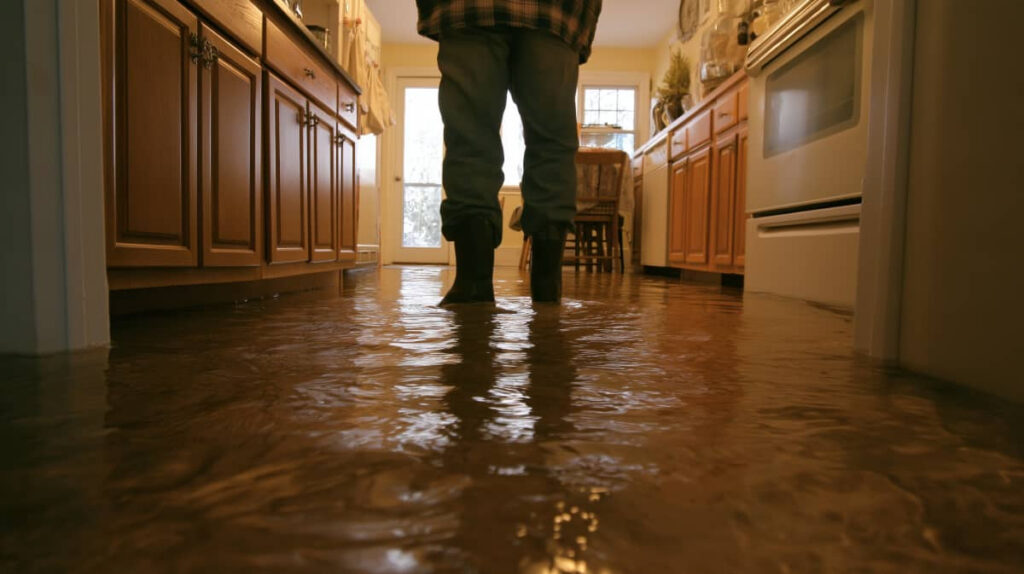
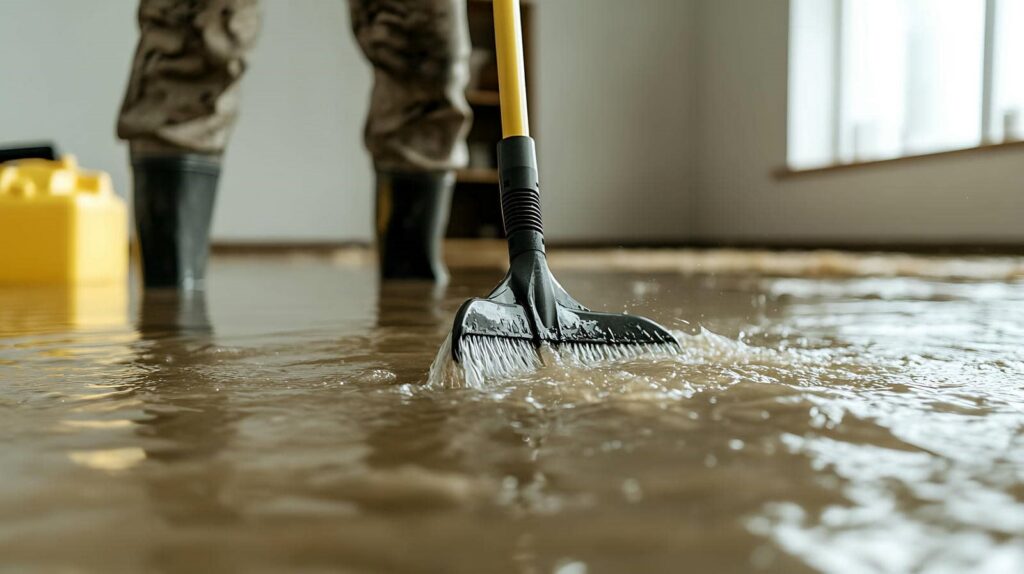
When floodwaters or leaks invade your space, high-performance water extractors become essential tools for effective water damage restoration.
These machines, including high capacity pumps and portable extractors, are designed to rapidly remove excess water, minimizing damage and facilitating faster recovery. High capacity pumps are particularly effective for large areas, capable of moving significant volumes of water in a short time, ensuring your property is restored quickly.
On the other hand, portable extractors are versatile and perfect for tight spaces or specific areas in need of targeted extraction. With their lightweight design and maneuverability, they allow you to address water issues efficiently.
Investing in high-performance water extractors enhances your restoration efforts and fosters a sense of belonging within your community as you help others recover from similar challenges.
These tools become integral in ensuring that every affected space returns to normalcy swiftly and effectively.
Industrial-Grade Dehumidifiers
After effectively extracting water with high-performance water extractors, the next step in the restoration process involves controlling humidity levels, where industrial-grade dehumidifiers come into play.
These machines are essential for preventing mold growth and structural damage, and they offer several key dehumidifier features that enhance their performance and efficiency.
High Capacity: Capable of removing large volumes of moisture quickly, making them ideal for extensive water damage.
Energy Efficiency: Designed to consume less power while maximizing moisture extraction to minimize operational costs.
Durability: Built to withstand rigorous conditions, ensuring longevity and reliability during restoration projects.
Air Movers and Blowers
While dehumidifiers play an important role in moisture control, air movers and blowers are equally essential in the water damage restoration process. These devices work to enhance airflow, promoting rapid evaporation of moisture from affected surfaces.
You’ll find various air mover types, such as centrifugal and axial, each designed for specific applications and environments. Centrifugal air movers are ideal for confined spaces, while axial types excel in open areas.
When selecting blowers, consider blower specifications like CFM (cubic feet per minute) and static pressure, as these factors influence their efficiency. High-performance models can quickly reduce drying times, minimizing potential damage.
Using a combination of air movers and blowers accelerates the drying process and helps prevent mold growth, ensuring a safe and thorough restoration.
Moisture Meters and Thermal Imaging Cameras
Moisture meters and thermal imaging cameras are essential tools in the water damage restoration process, as they provide accurate assessments of moisture levels and hidden leaks.
You need to understand how these devices work to ensure effective restoration. Here are three key benefits:
Precision Moisture Detection: Moisture meters can measure moisture content in various materials, helping you identify problem areas quickly.
Thermal Imaging Insights: Thermal imaging cameras reveal temperature differences, allowing you to spot hidden leaks and moisture accumulation behind walls or under floors.
Efficient Decision-Making: By using these tools, you can make informed decisions on the necessary steps for restoration, reducing time and costs.
Incorporating moisture detection and thermal imaging into your restoration toolkit empowers you to tackle water damage effectively, ensuring a safer environment for everyone involved.
Trust in these technologies to enhance your restoration efforts and achieve ideal results.
Water Damage Restoration Chemicals and Solutions
Effective water damage restoration relies heavily on the right chemicals and solutions, which play a crucial role in mitigating damage and preventing mold growth. You’ll want to choose effective cleaning agents that remove moisture and break down contaminants.
Look for eco-friendly solutions that are safe for both your environment and your health. Products containing enzymes can effectively digest organic materials, making them ideal for treating water-damaged areas.
Additionally, consider using antimicrobial agents to prevent mold spores from taking root. These chemicals inhibit mold growth while being safe for various surfaces.
Always follow manufacturer guidelines for application and ensure proper ventilation during use. By selecting the right combination of chemicals, you can enhance your restoration efforts and maintain a healthy living space.
Frequently Asked Questions
How Quickly Can Water Damage Restoration Equipment Dry an Affected Area?
Water damage restoration equipment can greatly reduce drying time, often achieving moisture removal within 24 to 48 hours. Proper airflow and dehumidification techniques enhance efficiency, ensuring your space returns to normal as quickly as possible.
What Safety Precautions Should Be Taken When Using Restoration Equipment?
When diving into restoration work, you’ve got to don your safety gear like armor. Watch for electrical hazards; always disconnect power sources first. Staying alert and prepared keeps you safe while restoring environments to their former glory.
How Often Should Restoration Equipment Be Serviced or Maintained?
You should service restoration equipment regularly, preferably every six months, to maximize equipment lifespan. This restoration frequency ensures peak performance and reliability, preventing unexpected failures during critical operations and maintaining safety standards for you and your team.
Can Homeowners Rent Water Damage Restoration Equipment for Personal Use?
Yes, homeowners can rent water damage restoration equipment, much like borrowing a tool from a neighbor. However, you must understand your responsibilities, ensuring proper usage and maintenance to effectively tackle any water damage issues.
What Qualifications Are Needed to Operate Water Damage Restoration Equipment?
To operate water damage restoration equipment, you need proper operator training and must meet certification requirements. This ensures you’re skilled in safety protocols, equipment handling, and effective restoration techniques, fostering confidence in your capabilities.
Final Thoughts
In the battle against water damage, having the right equipment isn’t just important—it’s absolutely essential! With high-performance water extractors, industrial-grade dehumidifiers, and powerful air movers at your disposal, you’ll be equipped to tackle even the most catastrophic floods. Pair these with moisture meters and thermal imaging cameras, and you’ll feel like a superhero in the restoration field. Don’t underestimate the power of these tools; they turn the tide in your favor, ensuring a swift and effective recovery every time!