


Contents
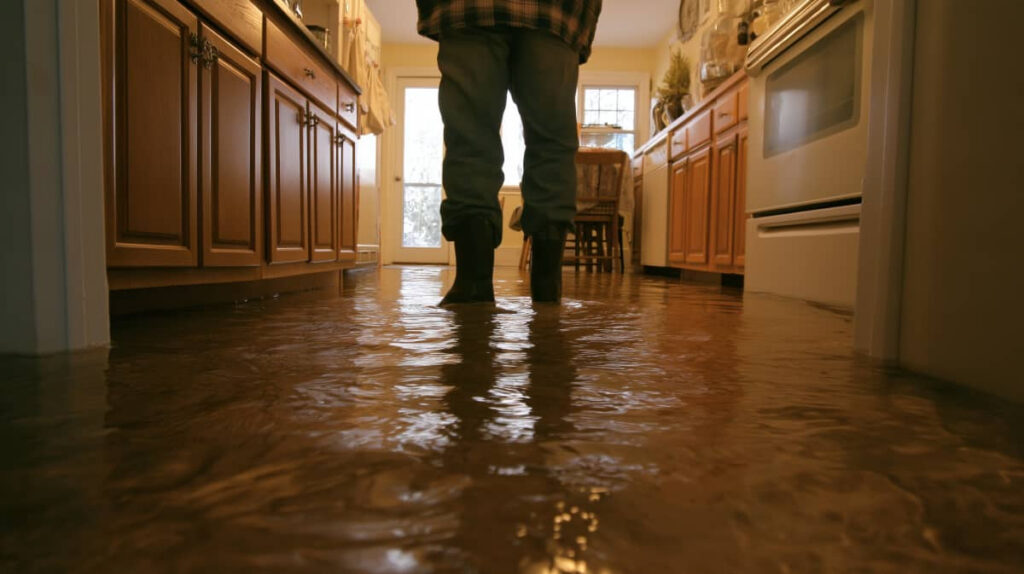
Imagine your home is a sinking ship, slowly taking on water. When floods strike, quick and affordable cleanup solutions are essential to keep that ship afloat. From gathering supplies to engaging local resources, every step counts. But what are the best strategies you can employ to tackle this challenge effectively? Let’s explore five practical solutions that can help you navigate the murky waters of flood cleanup.
Key Takeaways
- Rent industrial-grade pumps and wet vacs for effective water removal without the cost of purchasing equipment.
- Utilize community resources like volunteer groups and donation centers for hands-on help and necessary supplies.
- Research and compare local professional services to find affordable options, checking their reviews and certifications.
- Employ DIY cleanup techniques such as using buckets and towels to remove standing water and prevent mold growth.
- Invest in preventive measures, like flood barriers and proper drainage systems, to minimize future flood damage costs.
DIY Cleanup Techniques for Minor Floods
When faced with a minor flood, quick action can save your home from further damage.
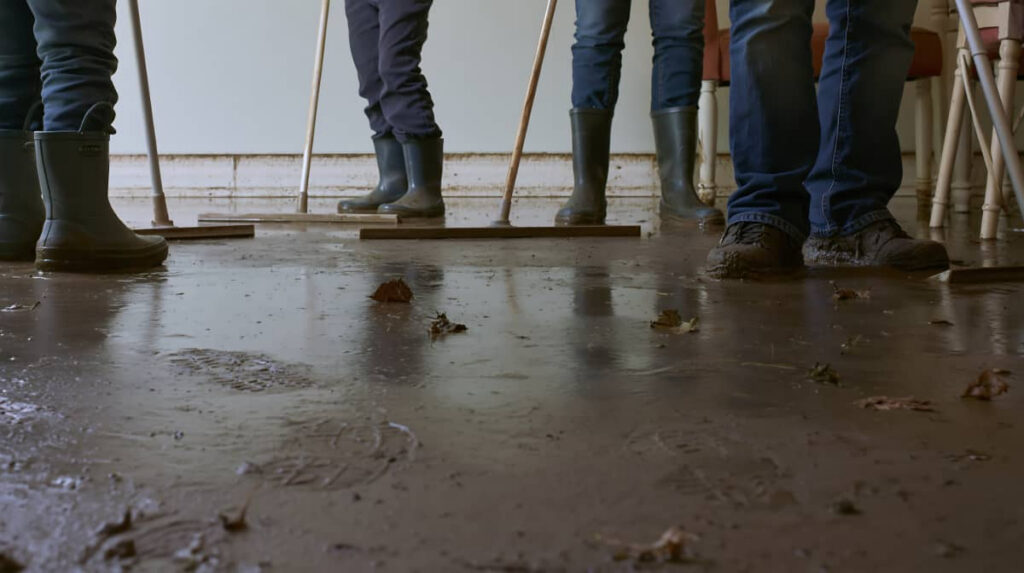
Start by evaluating the situation and ensuring it’s safe to enter. Turn off your electricity to prevent any hazards, then gather your supplies. You’ll need buckets, towels, and a wet/dry vacuum if you have one.
Begin by removing any standing water, and don’t forget to check for hidden moisture in corners and underneath furniture.
Once the water’s gone, dry out the area thoroughly to prevent mold. Open windows and use fans to speed up the drying process.
Renting Equipment for Efficient Water Removal
Although you might feel overwhelmed after a minor flood, renting the right equipment can greatly speed up the water removal process. Local equipment rental shops offer powerful tools designed for efficient water extraction, making it easier for you to tackle the cleanup.
From industrial-grade pumps to high-capacity wet vacs, you’ll find gear that suits your specific needs without breaking the bank.
When you rent equipment, you save money and gain access to expert advice from staff who know the ins and outs of flood recovery. They can guide you on the best tools for your situation, ensuring you’re well-equipped to handle the task.
Plus, renting means you won’t have to store bulky equipment long-term.
Utilizing Local Community Resources and Assistance
As you navigate the aftermath of a flood, tapping into local community resources can provide valuable support and assistance. Local volunteers often step up to help their neighbors during tough times. Connecting with these compassionate individuals can ease your burden and create a sense of belonging.
| Resource Type | Description | Contact Information |
|---|---|---|
| Community Aid Fund | Financial support for cleanup | Local Aid Website |
| Volunteer Groups | Hands-on help and labor | Volunteer Network |
| Donation Centers | Supplies and materials | Local Donation Center |
| Counseling Services | Emotional support and guidance | Support Hotline |
Affordable Professional Services: What to Look For
How can you find affordable professional flood cleanup services without breaking the bank? Start by researching local companies and reading reviews to gauge their service quality. You want a team that gets the job done and treats you like part of the community.
Next, don’t hesitate to request cost comparisons among several providers. This way, you’ll see who offers the best value for your budget. Remember, the lowest price doesn’t always mean the best service; check for certifications and experience too.
Look for companies that provide transparent pricing and detailed estimates, so there are no surprises later. Additionally, ask if they offer any discounts or payment plans; many businesses are willing to work with you during tough times.
Preventive Measures to Minimize Future Flood Damage
To minimize future flood damage, it’s essential to take proactive steps that protect your home and property. Start by investing in flood barriers around your property. These barriers can divert water away, keeping your home safe during heavy rains. It’s a smart, community-minded choice that shows you care about not just your space, but your neighbors’ too.
Next, ensure you have proper drainage systems in place. Regularly clean and maintain your gutters and downspouts to prevent blockages that can lead to flooding. Consider installing a sump pump if you’re in a flood-prone area; it can be a lifesaver when the rain pours.
Lastly, stay informed about local weather patterns and flood risks. Joining community groups focused on flood preparedness can connect you with others who share your concerns and solutions. Together, you can make a real difference in safeguarding your homes.
Conclusion
As you tackle the aftermath of a flood, imagine transforming your soaked space into a dry haven. By gathering your supplies, renting powerful pumps, and reaching out to your community, you restore your home and build resilience. Remember, investing in preventive measures today can shield you from tomorrow’s storms, creating a fortress against future flooding. Embrace these affordable solutions, and watch as your space blooms back to life, stronger than before.