

Contents
Restoration Equipment for Sewage Repair is essential when dealing with sewage backups, which affect over 1 million Americans each year. Proper tools such as industrial pumps, water extraction units, air scrubbers, and dehumidifiers play a critical role in ensuring a safe and thorough cleanup. Each piece of equipment helps remove contaminated water, dry affected areas, and restore sanitary conditions. Understanding how to correctly use the right tools can make a significant difference in the efficiency and safety of the restoration process.
Key Takeaways
- Begin with a thorough area assessment and ensure proper PPE is worn before using any restoration equipment.
- Use a submersible pump to efficiently extract large volumes of sewage from the affected area.
- Follow up with a wet/dry vacuum to remove residual waste and moisture after initial extraction.
- Employ industrial dehumidifiers to control humidity levels and prevent mold growth during the restoration process.
- Regularly inspect and maintain all equipment to ensure optimal performance and safety throughout the repair operation.
Understanding Sewage Damage and Its Risks
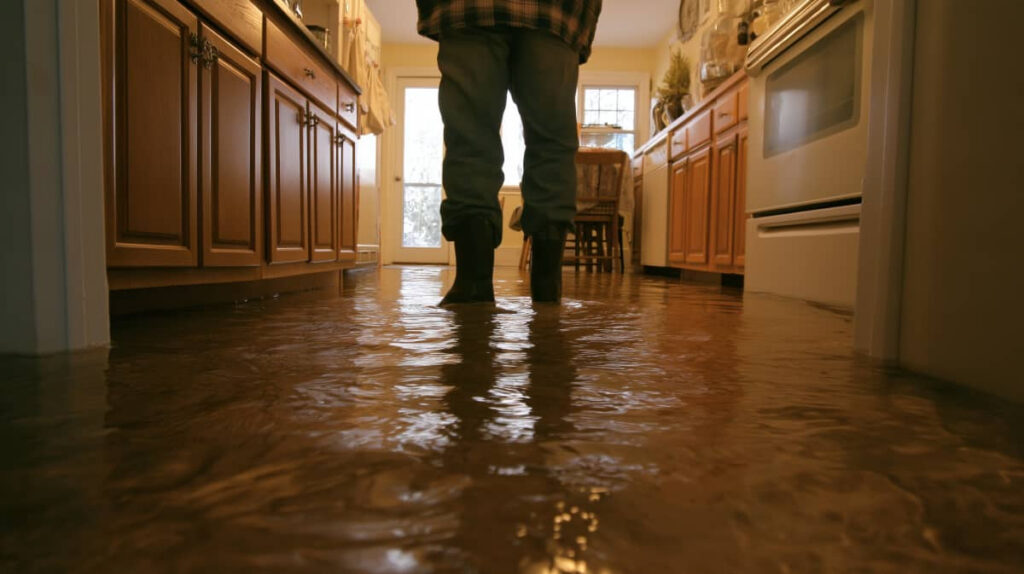
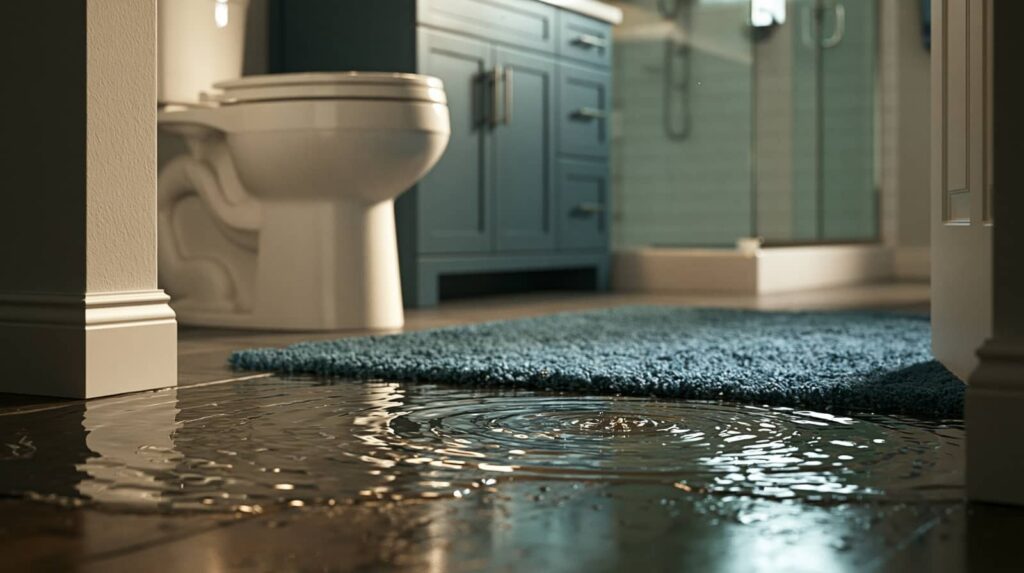
Sewage damage poses serious risks to both health and property. When sewage contaminates your environment, it introduces numerous health hazards that can affect you and your loved ones. Exposure to pathogens, bacteria, and viruses commonly found in sewage increases the likelihood of infections and illnesses. You might experience gastrointestinal issues, skin infections, or respiratory problems, depending on the level of exposure and individual health conditions.
Moreover, sewage contamination risks extend beyond immediate health concerns. The structural integrity of your property also suffers due to moisture and toxic substances. Mold growth can ensue, leading to further health complications and potential financial burdens.
Understanding these risks is vital for any homeowner. It empowers you to take necessary precautions, ensuring your living space remains safe and habitable. Don’t underestimate the impact of sewage damage; addressing it promptly is essential for your health and your property’s longevity.
Essential Restoration Equipment for Sewage Cleanup
Effective sewage cleanup requires specialized restoration equipment designed to tackle the unique challenges posed by contamination.
You’ll need high-efficiency particulate air (HEPA) vacuums to safely remove waste materials and minimize airborne pathogens. Portable water extractors are essential for efficiently removing standing water, while industrial dehumidifiers help prevent mold growth by controlling humidity levels.
Don’t forget personal protective equipment (PPE) like gloves, masks, and eye protection to ensure your safety during the process. Adhering to safety protocols is critical to protecting yourself and others from potential health risks.
Additionally, regular equipment maintenance is essential for ideal performance; check hoses, filters, and seals to prevent malfunctions during operation.
Preparing the Area for Sewage Repair
Before you begin the sewage repair process, it’s essential to prepare the area thoroughly to ensure safety and efficiency. Start with a detailed area assessment to identify potential hazards, including structural issues and the extent of contamination. This evaluation helps you understand the scope of work and plan your approach effectively.
Next, clear the area of any obstacles, ensuring a safe work environment. Remove personal items and furniture that could be damaged or hinder your progress.
Implement safety measures by securing the site, using barriers to restrict access, and marking potential danger zones clearly.
Check for any electrical hazards and confirm all power sources are turned off in the vicinity. By taking these steps, you create a controlled environment that promotes teamwork and ensures everyone involved feels secure and prepared for the repair process ahead.
Using Personal Protective Equipment (PPE)
When working with sewage repair, using personal protective equipment (PPE) is essential for your safety and health.
You’ll need to understand the various types of PPE available, such as gloves, masks, and protective suits, to effectively shield yourself from hazardous materials.
Proper usage of this equipment ensures you minimize exposure to contaminants while performing your tasks efficiently.
Importance of PPE
Using personal protective equipment (PPE) is essential for anyone involved in sewage repair, as it safeguards against numerous health hazards. Confirming PPE compliance is vital to protect yourself and your team.
The right PPE materials can greatly reduce risks associated with exposure. Here are some key reasons to prioritize PPE:
- Prevents exposure to harmful pathogens
- Reduces the risk of chemical burns
- Protects against physical injuries from sharp objects
- Minimizes respiratory issues from airborne contaminants
- Ensures compliance with safety regulations
When you prioritize PPE, you enhance your safety and foster a culture of care and responsibility within your team.
Types of PPE
Selecting the appropriate types of personal protective equipment (PPE) is essential for minimizing risks during sewage repair operations. You’ll need to choose the right glove types to protect your hands from contaminants and sharp objects. Nitrile gloves are often recommended for their durability and chemical resistance, while latex gloves can be suitable for lighter tasks.
In addition, consider your mask options; a respirator with a HEPA filter is vital for filtering airborne pathogens and particulates. If the work involves high exposure levels, a full-face respirator may be necessary for thorough protection.
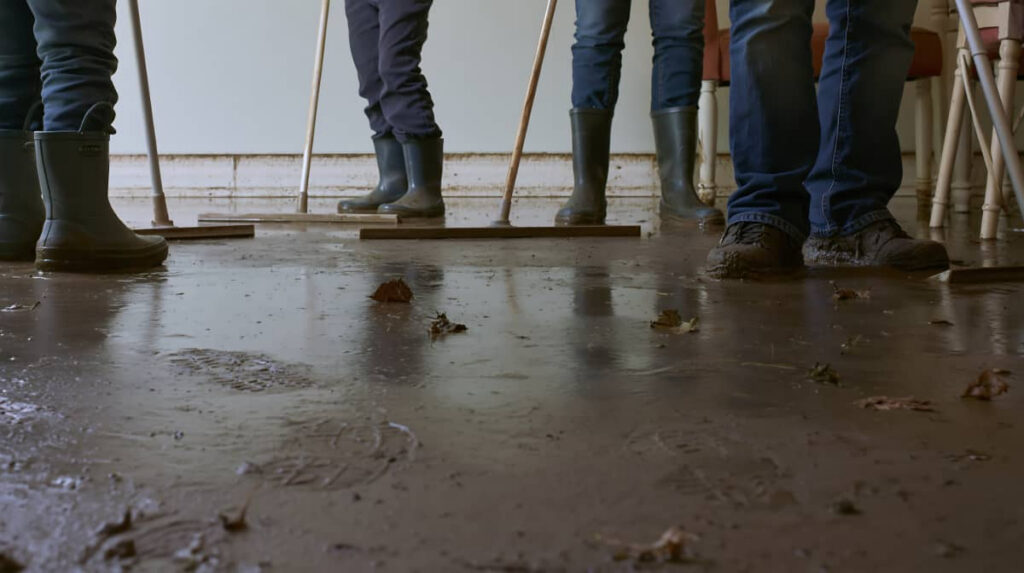
Don’t overlook the importance of wearing protective eyewear and sturdy boots as well. Ensuring you have the right PPE fosters a safer environment for everyone involved in the repair process.
Proper PPE Usage
Although having the right personal protective equipment (PPE) is essential, understanding how to use it properly is equally important for ensuring your safety during sewage repair operations.
Adhering to PPE guidelines and maintaining your gear are critical steps. Here’s how to ensure effective usage:
- Always inspect your PPE before use for any damage.
- Confirm proper fit; ill-fitting gear can compromise safety.
- Use chemical-resistant gloves when handling contaminated materials.
- Wear a respirator appropriate for sewage exposure.
- Clean and store your PPE according to manufacturer instructions for ideal PPE maintenance.
Steps for Efficient Sewage Extraction
When you face a sewage backup, taking swift action is vital for effective extraction and minimizing damage. Start by evaluating the area and verifying your PPE is properly worn.
Next, employ appropriate sewage extraction techniques, such as using a submersible pump for large volumes of water. This method efficiently reduces standing sewage and prevents further contamination.
Once the bulk is extracted, utilize a wet/dry vacuum to tackle residual waste. Follow up with efficient cleanup methods, including using enzymatic cleaners that break down waste materials and sanitize the surfaces.
It’s essential to remove any affected materials that can harbor pathogens, such as carpets or drywall.
Finally, make sure you’ve thoroughly inspected the area for lingering moisture or damage. By following these steps, you’ll create a safer environment and lay the groundwork for effective restoration.
Drying and Dehumidifying the Affected Area
After extracting sewage and cleaning the affected area, the next step is drying and dehumidifying to prevent mold growth and further damage.
Proper dehumidifier selection is essential to effectively reduce moisture levels. Here’s what you should consider:
- Assess the size of the affected area.
- Select a dehumidifier with the appropriate capacity.
- Monitor moisture levels regularly to ensure effectiveness.
- Position fans strategically to enhance air circulation.
- Keep windows and doors closed to maximize dehumidification.
Using moisture monitoring tools will help you gauge the humidity levels and determine when the area is adequately dried.
Regular checks can prevent hidden moisture pockets that might lead to mold issues down the line.
Sanitizing and Disinfecting Following Sewage Damage
To ensure a safe environment after sewage damage, it’s crucial to sanitize and disinfect the affected area thoroughly.
Start by using effective sanitization techniques, such as hot water extraction or steam cleaning, to remove contaminants. This step eliminates bacteria and pathogens that may linger after drying.
Next, employ appropriate disinfection methods. A solution of bleach and water or commercial disinfectants specifically designed for sewage cleanup can be highly effective.
Be certain you follow the manufacturer’s instructions for dilution and application.
Apply the disinfectant evenly across all surfaces, including floors, walls, and any porous materials that may have absorbed sewage.
Allow the disinfectant to dwell for the recommended time to ensure efficacy.
Finally, ventilate the area to disperse any lingering fumes and promote drying.
Final Inspection and Restoration Best Practices
Before you finalize the restoration process, conducting a thorough final inspection is essential to confirm the area is completely safe and habitable.
This step ensures that you’ve met your restoration quality assurance goals and that the site is free from hazards.
Utilize a final inspection checklist to streamline your evaluation.
Consider these key points during your inspection:
- Confirm all restoration equipment was removed.
- Check for lingering odors indicating incomplete sanitization.
- Inspect for visible mold or moisture signs.
- Make certain all surfaces are clean and intact.
- Test all systems, including plumbing and electrical, for proper functionality.
Frequently Asked Questions
How Do I Choose the Right Sewage Restoration Company?
To choose the right sewage restoration company, evaluate their qualifications and certifications. Check customer reviews for insights into service quality. Look for a company that values transparency and has a proven track record in your area.
What Are the Costs Associated With Sewage Repair?
Sewage repair costs vary based on damage extent and required services. Your insurance coverage might offset some expenses, so it’s essential to review your policy. Consulting with professionals helps you understand potential costs and coverage options.
How Long Does the Sewage Repair Process Usually Take?
The sewage repair timeline usually ranges from a few hours to several days. Factors affecting duration include the extent of damage, accessibility, and necessary permits. Efficient planning can help streamline the process and minimize downtime.
Can I Handle Sewage Repair Without Professional Help?
You can handle sewage repair without professional help, but prioritize sewage safety. Equip yourself with proper DIY tools, follow guidelines, and ensure personal protective equipment is worn to avoid health risks during the process.
What Should I Do if Sewage Issues Reoccur?
If sewage issues reoccur, implement sewage prevention tips like regular maintenance practices. Inspect plumbing, clear clogs, and ensure proper drainage. Consistent care helps you avoid costly repairs and fosters a healthier environment for everyone.
Wrap-Up
In summary, maneuvering through the challenges of sewage repair requires a systematic approach and the right tools. By prioritizing safety with PPE and utilizing specialized equipment, you can transform a challenging situation into a manageable one. Remember, thorough extraction, drying, and sanitization are key to restoring the area to its original state. With diligence and attention to detail, you’ll ensure a clean, safe environment that’s ready for use once again, turning a messy ordeal into a successful recovery.