

Contents
Storm water can keep damaging your space long after the visible water is gone because moisture can hide inside walls, under floors, and in insulation. Storm water damage cleanup means you need to act fast, but in the right order: address hazards, document losses, remove standing water, dry affected materials, disinfect surfaces, and watch for mold. Following the right cleanup steps can help limit repairs, but one missed step can turn a manageable job into a much bigger problem.
Key Takeaways
- Shut off electricity and water, then keep people and pets away from standing water and unstable flooring.
- Document all damage with photos and notes before cleanup for safety and insurance claims.
- Remove standing water quickly using pumps, wet vacs, or mops, working in sections.
- Dry and disinfect surfaces immediately, and discard porous items that cannot be thoroughly cleaned.
- Watch for mold, hidden moisture, or structural damage, and call professionals for soaked insulation, drywall, or electrical systems.
Stop the Water and Stay Safe
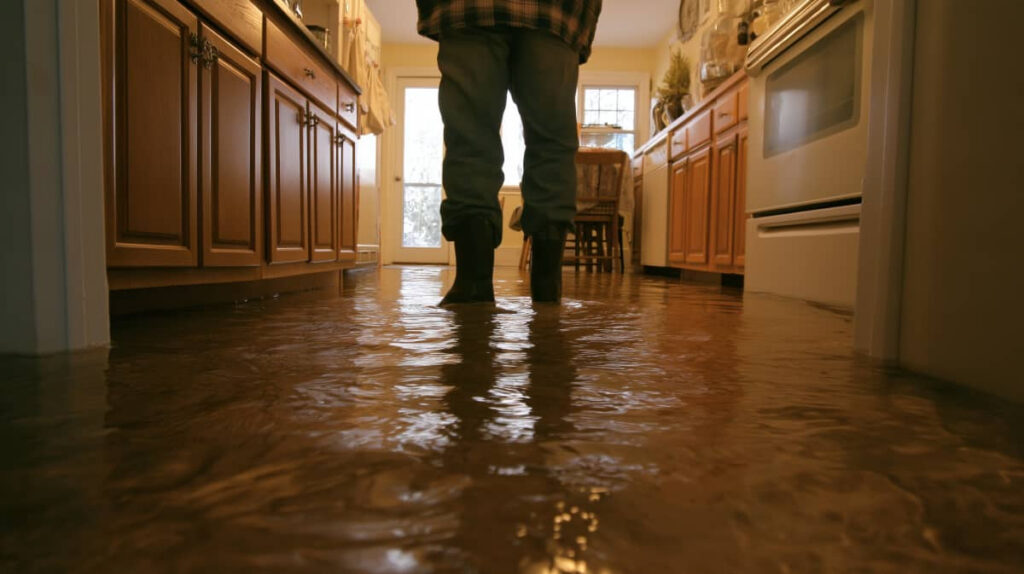
First, shut off the main water source if you can do it safely, then turn off electricity to any affected areas to reduce shock risk.
Next, move family members and pets away from standing water and unstable flooring.
Wear waterproof boots, gloves, and eye protection before you reenter.
If water is near outlets, appliances, or breaker panels, keep clear and call a qualified professional.
Avoid walking through contaminated water whenever possible, because water safety comes first.
Gather flashlights, batteries, a charged phone, and key documents so you’re ready for the next steps.
Good emergency preparedness helps your household act as a team, stay calm, and protect one another while you assess conditions.
If you smell gas, leave immediately and report it from outside.
Check Storm Water Damage Now
Check the storm water damage now by inspecting all visible areas for staining, warping, pooling, and structural impact.
You should document every affected surface, including walls, flooring, insulation, and fixtures, so you can track the full water path.
Take clear photos and notes right away to support cleanup decisions and any insurance claim.
Inspect Visible Damage
As soon as it’s safe, inspect all visible areas for storm water damage so you can document problems before they worsen.
Walk each room with a steady light and check walls, ceilings, trim, flooring, and baseboards for stains, swelling, warping, cracks, and loose materials. Look for pooled water, damp insulation, and sediment lines near entry points.
Use a visible damage assessment to separate minor surface issues from active structural concerns. Then do a damage severity evaluation by noting how far moisture traveled and whether materials feel soft, brittle, or misshapen.
Stay methodical, move room by room, and focus on spots where water likely entered first. This clear check helps you stay organized and confident with your cleanup team.
Document Water Impact
Once you’ve identified the visible damage, record it right away so you have a clear reference before cleanup starts.
Use your phone or camera to capture wide shots, close-ups, and date-stamped images of every affected room, wall, floor, outlet, and appliance.
Add notes on water depth, moisture lines, odors, stains, and any warped materials. This damage documentation supports your water impact assessment and helps you track what changed during each cleanup stage.
If you can, save receipts, utility readings, and insurance contacts in one folder.
Keep your notes consistent so your team can compare findings quickly and stay aligned.
Clear records make it easier to prove loss, plan repairs, and move forward with confidence together.
Remove Standing Water Quickly
You should pump out standing water as soon as possible to limit absorption into floors, walls, and insulation.
Use a submersible pump, wet vacuum, or extraction equipment based on the water depth and surface type.
Rapid removal also helps stop the water from spreading into adjacent rooms and causing additional damage.
Pump Out Water Fast
Move fast to remove standing water before it soaks deeper into floors, walls, and insulation. You’ll get better results when you choose the right water removal techniques for the depth and volume you’re facing.
For shallow water, a wet/dry vac can help you handle smaller areas quickly. For heavier flooding, use sump pump options that match the job, then keep the discharge hose clear and stable. Check power cords, switch positions, and intake screens before you start.
Work in sections so you can track progress and avoid missed pockets. If you’re part of a cleanup crew, assign one person to monitor pump flow while another removes debris. Fast pumping helps your team stay organized and keeps the job moving.
Prevent Further Water Spread
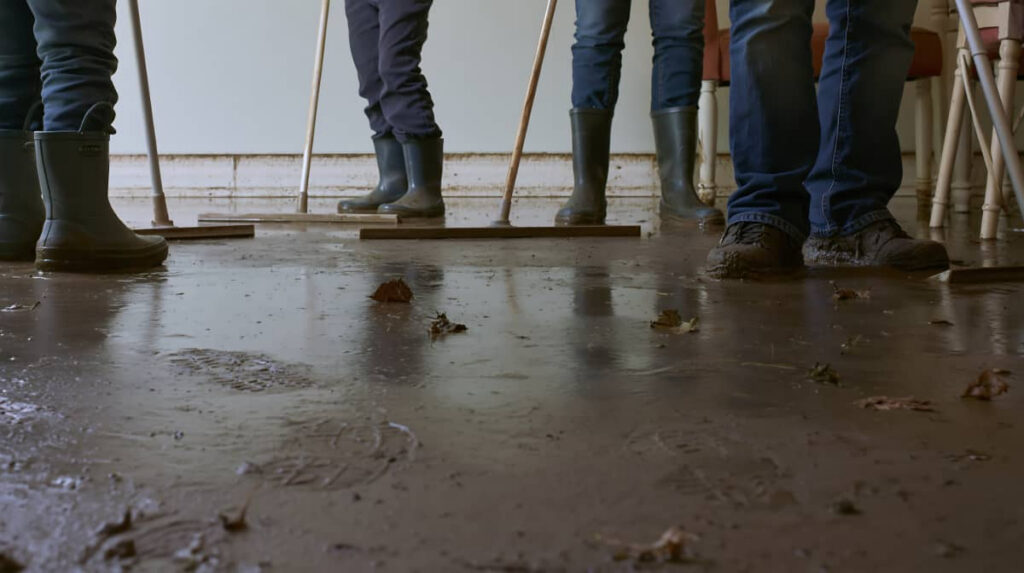
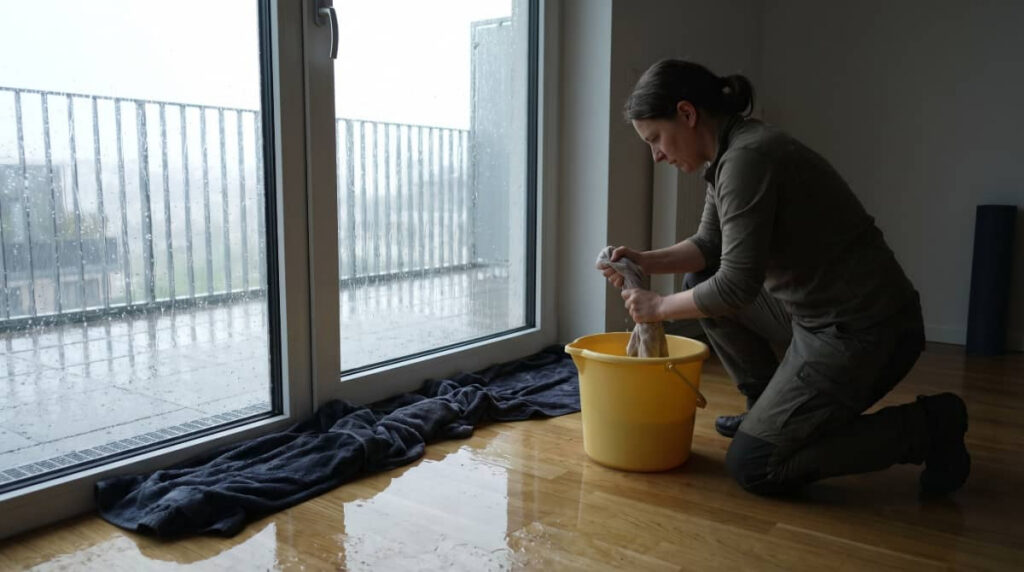
After you’ve pumped out the bulk of the water, stop it from spreading any farther by removing any remaining standing water right away. Use a wet vac, squeegee, or mop to pull water from low spots, corners, and edges where it can seep under flooring.
Work from the outside in so you don’t push moisture into clean areas. Set up water barriers with towels or plastic sheeting to block flow into adjacent rooms.
Check drains, downspouts, and floor grates, and clear them if needed so drainage solutions can work efficiently. Keep fans running to speed surface drying, but don’t rely on them alone.
When you act fast, you protect your space, reduce structural damage, and help your home feel like yours again.
Dry Out Walls, Floors, and Furniture
Start drying walls, floors, and furniture as soon as it’s safe to enter the area, since moisture left in place quickly leads to mold, rot, and structural damage.
You’ll work faster when you target hidden pockets behind baseboards and under rugs, because damp materials can stay wet long after surfaces feel dry. Use fans for air movement, dehumidifier use for removal, and open windows only if outside air is drier.
Check wall insulation; if it’s soaked, it can trap moisture and may need replacement.
- Lift furniture so air reaches all sides.
- Remove wet flooring materials that won’t dry cleanly.
- Measure moisture daily until readings stabilize.
Stay methodical, and you’ll help your space recover with the rest of your crew.
Clean and Disinfect Storm Water Damage
Once the affected areas are dry, clean all hard surfaces with soap and water to remove mud, silt, and residue, then disinfect them with a product labeled for flood cleanup or a diluted bleach solution if appropriate.
Wear gloves, eye protection, and a mask, and keep windows open if you can. Work from the cleanest area to the dirtiest so you don’t spread contamination.
Rinse surfaces after the contact time listed on the label, then let them air-dry fully. Toss porous items that can’t be thoroughly cleaned, because storm water can carry bacteria, sewage, and other contaminants that raise health risks.
If you’re working with a team or family, assign tasks clearly and double-check each room. Your careful cleanup helps everyone return safely and confidently.
Prevent Mold After Water Cleanup
Even after the visible water is gone, mold can begin growing within 24 to 48 hours, so keep the cleaned area dry and well-ventilated. Your mold prevention strategies should focus on drying, monitoring, and airflow. Use fans and dehumidifiers to support humidity control, and keep indoor levels below 60% if you can.
- Remove soaked materials that can’t dry fast.
- Wipe hard surfaces until they’re fully dry.
- Check hidden spaces, like baseboards and wall cavities, for dampness.
You’ll protect your space best when you inspect daily for musty odors or discoloration. Open windows when weather allows, but don’t let outdoor moisture raise indoor humidity.
If you stay consistent, you’ll help your home recover cleanly and keep your household feeling safe, comfortable, and included.
Call Water Mitigation Pros
When storm water has soaked insulation, drywall, flooring, or electrical systems, call a water mitigation pro right away so they can assess the damage and begin controlled drying. You’ll get an emergency response that limits further spread and reduces secondary damage.
A technician can perform a professional assessment, check moisture levels, identify hidden saturation, and map the safest restoration path. You shouldn’t delay, since trapped water can weaken materials, corrode wiring, and create unsafe conditions in your home.
Pros use extraction equipment, air movers, dehumidifiers, and containment steps that you can’t match with DIY methods. By bringing in a trusted team, you protect your property, support your household’s recovery, and move faster toward a clean, stable space again.
Frequently Asked Questions
How Long Does Storm Water Cleanup Usually Take?
You’ll usually finish storm cleanup in hours to several days, depending on storm duration, cleanup factors, and damage extent. You can speed recovery by drying fast, removing debris, and documenting losses for support.
What Insurance Documents Should I Save After Flooding?
Save your policy, photos, videos, receipts, contractor estimates, cleanup invoices, inventory lists, and insurer correspondence. These insurance coverage records speed your claim process. Don’t toss anything—Medieval logic says proof wins.
Can I Stay in My Home During Minor Storm Damage Cleanup?
Yes, you can stay if damage is minor and you follow safety precautions. You should shut off hazards, use cleanup essentials, and monitor moisture, mold, and structural issues. Leave immediately if conditions worsen.
Which Items Should Be Thrown Away After Flood Exposure?
Throw away flooded electronics, contaminated textiles, porous insulation, mattresses, and food touched by floodwater. You’ll reduce health risks and protect your space. Clean hard surfaces, but replace items that can’t be fully disinfected.
How Do I Tell if Hidden Moisture Remains Behind Walls?
You can tell through moisture detection and wall inspection: use a meter, check for cool spots, staining, peeling paint, or musty odors. If readings stay high, you’ve still got hidden moisture behind walls.
Review
When the storm finally passes, don’t assume the danger’s gone. You’ve stopped the water, documented the loss, and begun cleanup—but hidden moisture can still trigger mold, rot, and costly structural damage. Keep checking damp areas, and if anything seems beyond your tools, call a water mitigation pro before it spreads. The next 24 hours can decide whether your home recovers cleanly or faces a bigger problem you can’t yet see.