

Contents
When facing water damage, knowing the right tools can make all the difference in restoration efficiency. You’ll want to contemplate moisture meters for evaluating hidden moisture, air movers for effective drying, and dehumidifiers to combat humidity. Infrared cameras can help spot underlying issues, while water extraction equipment is vital for removing excess water. Understanding how each tool functions will enhance your restoration efforts—let’s explore these essential devices in more detail.
Key Takeaways
- Moisture meters accurately measure water levels in materials, helping identify hidden moisture issues during restoration.
- Air movers facilitate rapid drying by creating targeted airflow, enhancing moisture evaporation in affected areas.
- Dehumidifiers eliminate excess moisture from the air, helping prevent mold growth and improving air quality during restoration.
- Infrared cameras detect temperature variations on surfaces, revealing underlying moisture problems without invasive inspection methods.
- Water extraction equipment, including truck-mounted and portable extractors, efficiently removes water from affected areas to initiate the restoration process.
Moisture Meters
Moisture meters are vital tools for evaluating water damage in various materials. These devices provide accurate moisture measurement, allowing you to detect hidden moisture levels that might lead to mold growth or structural damage.
By using a moisture meter, you can assess drywall, wood, and other surfaces, making sure you address issues before they escalate.
When you’re involved in water damage restoration, effective moisture detection is key. With both pin and pinless models available, you can choose the right type for your specific needs.
Pin meters penetrate materials to measure moisture content directly, while pinless meters use electromagnetic signals to detect moisture without causing damage.
Utilizing moisture meters enhances your restoration efforts and fosters a sense of community among professionals who prioritize thoroughness and accuracy.
Air Movers
Air movers are vital tools in the water damage restoration process, effectively facilitating rapid drying and air circulation.
These devices create targeted airflow that enhances moisture evaporation from surfaces. When you implement proper airflow management, you speed up the drying process, minimizing potential mold growth and structural damage.
Choosing the right air mover involves considering factors like size, power, and design. High-velocity fans are often preferred for their efficiency in covering larger areas.
Regular equipment maintenance is important; inspecting filters and ensuring peak operation keeps your air movers performing at their best.
Using multiple air movers in conjunction with each other can create a more effective drying environment. By positioning them strategically, you can achieve uniform airflow across wet areas, further enhancing the restoration process.
Understanding these tools helps you feel empowered in tackling water damage, ensuring that your space returns to its original condition swiftly and effectively.
Dehumidifiers
When tackling water damage restoration, dehumidifiers play an essential role in eliminating excess moisture from the air. To achieve optimal dehumidifier efficiency, you’ll want to select the right unit for your specific situation.
Commercial dehumidifiers are particularly effective in large spaces, where they can quickly absorb moisture, preventing mold growth and structural damage.
These units work by drawing in humid air, condensing water vapor, and releasing dry air back into the environment. It’s vital to monitor humidity levels during the restoration process, as maintaining a relative humidity below 60% is ideal for preventing further damage.
Choosing the right dehumidifier accelerates the drying process and improves air quality, creating a safe environment for you and your family.
Investing in high-quality commercial dehumidifiers can greatly enhance your restoration efforts, making the entire process more efficient and effective.
Infrared Cameras
Identifying hidden water damage can be challenging, especially in areas where moisture isn’t visible. That’s where infrared cameras come into play. These devices utilize thermal imaging technology to detect temperature variations on surfaces, which often indicate underlying moisture issues.
When you point an infrared camera at a wall or ceiling, it reveals cooler areas that may suggest a leak or water intrusion, helping you pinpoint problems before they escalate.
Using infrared cameras for leak detection saves time while minimizing the invasive steps often required by traditional inspection methods. This technology empowers you to make informed decisions about repairs, ensuring you address water damage promptly and effectively.
Water Extraction Equipment
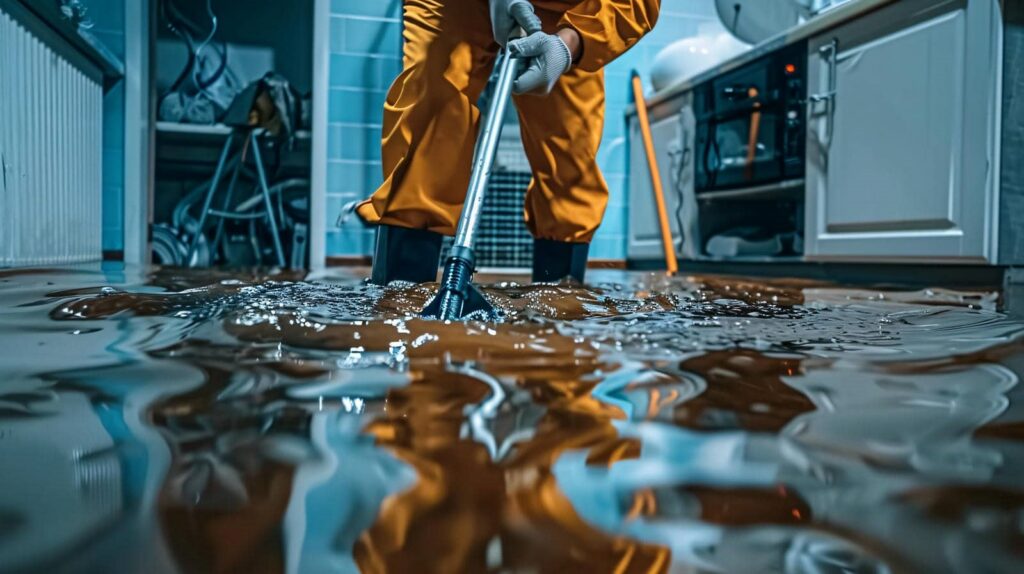
Effective water extraction is essential in the restoration process, and having the right equipment can make all the difference. You’ll want to invest in high-capacity water extraction equipment, including truck-mounted and portable extractors. These machines utilize advanced water removal techniques, ensuring efficiency during the extraction process.
When choosing your equipment, consider factors like suction power, recovery tank capacity, and ease of maneuverability. Powerful extractors quickly remove large volumes of water, reducing the risk of mold growth and structural damage.
Additionally, dehumidifiers and air movers complement extraction efforts, promoting faster drying times. Utilizing these tools streamlines the process and enhances the overall effectiveness of your restoration efforts.
Frequently Asked Questions
How Do I Choose the Right Restoration Company for My Needs?
To choose the right restoration company, verify their restoration qualifications and check their reputation. Look for reviews, certifications, and experience. This ensures you’re selecting a reliable partner that meets your specific needs effectively.
What Are the Signs of Hidden Water Damage in My Home?
You’ll notice signs of hidden water damage through mold growth, musty odors, and discoloration on walls. Check for compromised structural integrity, such as sagging ceilings or warped floors, indicating moisture issues needing immediate attention.
How Long Does the Water Damage Restoration Process Typically Take?
Water damage restoration can take anywhere from a few days to weeks, depending on the extent. Effective drying techniques expedite the process, while a clear restoration timeline helps you stay informed and reassured throughout.
Will My Insurance Cover Water Damage Restoration Costs?
Your insurance might cover water damage restoration costs, depending on your policy. Review your coverage details carefully, as exclusions often apply. Contact your insurer to understand what’s included and ensure you’re prepared for potential expenses.
What Steps Should I Take Immediately After Water Damage Occurs?
Your initial actions should include emergency response measures: shut off utilities, remove excess water, and contact professionals for further assistance.
Wrap-Up
In the domain of water damage restoration, these tools are your lifeline, guiding you through the storm. Moisture meters uncover hidden threats, while air movers and dehumidifiers work like a breeze after rain, promoting recovery. Infrared cameras reveal unseen issues, and water extraction equipment acts as the anchor, ensuring swift restoration. By harnessing these essential tools, you restore structures and safeguard against future disasters, turning chaos into a controlled, efficient recovery process.