

Contents
Water damage can be a homeowner’s nightmare, especially when it seeps into your ceilings. To prevent costly repairs, you need to focus on a few key strategies. Regular roof inspections are essential, as is proper gutter maintenance. Additionally, installing water detection systems can provide an early warning of leaks. By addressing these areas, you can safeguard your home. Curious about how each ceiling water method works and what you can do next?
Key Takeaways
- Conduct regular roof inspections to identify and repair leaks before they cause ceiling damage.
- Maintain gutters by cleaning them biannually to prevent water overflow that can lead to leaks.
- Install water detection systems in vulnerable areas to alert you to leaks early on.
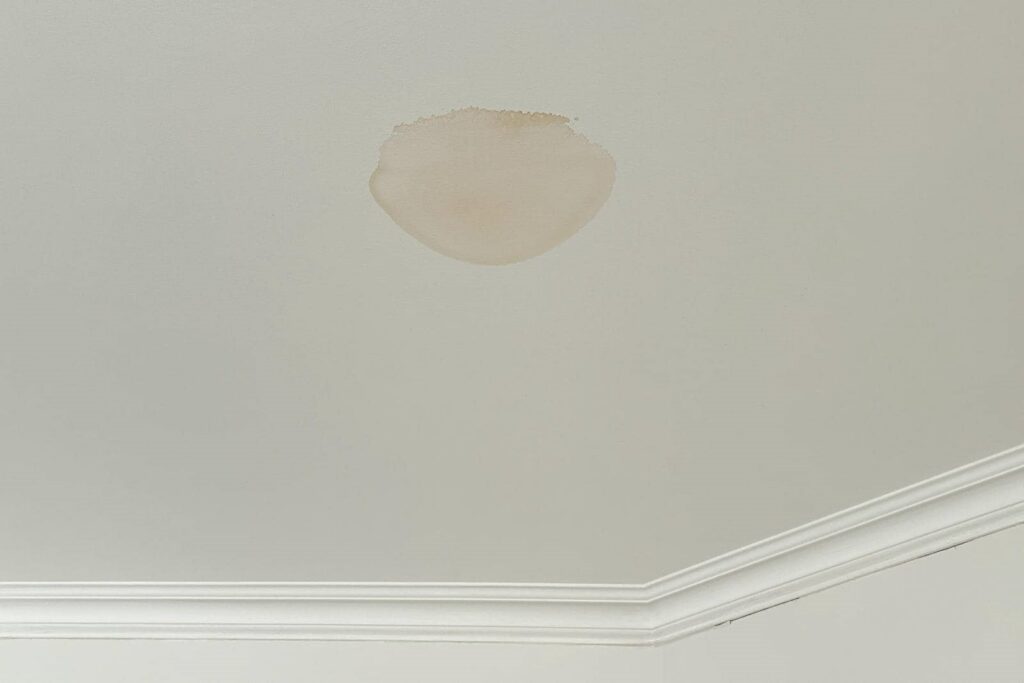
- Address any signs of water stains on ceilings immediately to prevent further damage.
- Ensure that downspouts are directing water away from the foundation to reduce pooling and potential leaks.
Regular Roof Inspections and Maintenance
Regular roof inspections and maintenance are essential for preventing ceiling water damage. By establishing a maintenance schedule, you can catch potential issues before they escalate into costly repairs.
Look for signs of roof leaks, such as water stains on ceilings or walls, missing shingles, or cracked flashing. Inspect your roof at least twice a year and after severe weather events. If you’re not comfortable doing it yourself, hire a professional to ensure a thorough check.
Addressing small problems promptly can save you from extensive damage later on. Don’t forget to examine the areas around chimneys, vents, and skylights, as these spots are prone to leaks.
Keeping your roof in good shape protects your home and fosters a sense of security. By taking these proactive steps, you’ll feel more connected to your home, knowing you’re doing your part to maintain its integrity.
Proper Gutter Cleaning and Management
While you may not think about your gutters often, proper cleaning and management are essential for preventing ceiling water damage.
Taking care of your gutters helps ensure that water flows away from your home, protecting your ceilings and walls. Here are some key steps to follow:
Clean your gutters regularly: Remove leaves and debris at least twice a year to prevent clogs.
Check downspout positioning: Make certain your downspouts direct water away from your foundation. This reduces the risk of water pooling near your home.
Inspect for leaks: Look for any cracks or holes in your gutters that might allow water to escape.
Consider professional gutter installation: If your current system isn’t working, a new installation can provide better drainage.
Installing Water Detection Systems
Installing water detection systems can be a game-changer in preventing ceiling water damage, especially when you consider how quickly leaks can escalate into major issues.
By integrating water sensors into your home, you can catch leaks before they cause significant damage. These devices detect moisture and alert you immediately, allowing you to take action right away.
Many systems come with leak alarms that will sound off when water is detected, ensuring you’re never caught off guard. You can place these sensors in high-risk areas like basements, near water heaters, or under sinks.
Modern systems often connect to your smartphone, so you can monitor your home even when you’re away.
Investing in water detection systems protects your property and gives you peace of mind, knowing your home is safeguarded against unexpected leaks. It’s a smart move for anyone who wants to maintain a safe, dry living environment.
Frequently Asked Questions
How Can I Identify Early Signs of Ceiling Water Damage?
To identify early signs of ceiling water damage, look for discoloration, peeling paint, or bulging areas. Use moisture detection tools to pinpoint hidden leaks, ensuring you catch issues before they escalate and create bigger problems.
What Types of Roofs Are Most Prone to Water Damage?
Flat roofs are most prone to water damage due to poor drainage. Clay tiles, while durable, can crack. Metal roofing resists water well, and asphalt shingles may deteriorate over time, increasing vulnerability if not maintained.
How Do I Choose a Reliable Roofing Contractor?
Choosing a reliable roofing contractor’s like finding a good friend—look for qualifications, check references, and make certain they’re experienced with your roofing materials. Trust your instincts, and don’t settle for less than you deserve.
Can Heavy Rain Cause Immediate Ceiling Damage?
Yes, heavy rain can cause immediate ceiling damage. You should perform a moisture assessment right after significant rainfall to identify any leaks or water intrusion, ensuring your home stays safe and comfortable for everyone inside.
What Insurance Coverage Is Best for Water Damage?
When it rains, it pours, and you’ll want robust insurance coverage for water damage. Look for policies that cover both sudden events and gradual leaks, ensuring peace of mind when the unexpected happens.
Recap
To keep your home safe from ceiling water damage, prioritize regular roof inspections, maintain your gutters, and invest in water detection systems. Did you know that many water damage claims stem from plumbing failures and leaks? By taking proactive measures, you protect your property and save on costly repairs. Don’t wait for water to become a problem—act now to safeguard your home and enjoy peace of mind!