

Contents
It’s often believed that mold only becomes a problem if water damage is left untreated for weeks. In reality, mold can begin to grow within just 24 to 48 hours after moisture exposure. This rapid growth poses serious health risks and can lead to significant property damage if not addressed immediately. Understanding the urgency of emergency mold remediation is essential to protecting both your health and your home. What steps should you take to mitigate these risks?
Key Takeaways
- Mold can develop within 24 to 48 hours after water damage, making immediate remediation essential to prevent growth.
- Prolonged mold exposure can lead to serious health risks, especially for individuals with allergies or respiratory issues.
- Timely remediation protects both health and property value by addressing mold before it causes significant structural damage.
- Professional services ensure thorough mold assessment and removal, reducing the risk of future infestations.
- Effective moisture management and proper ventilation implemented during remediation help prevent future mold growth.
Understanding the Risks of Mold Growth After Water Damage
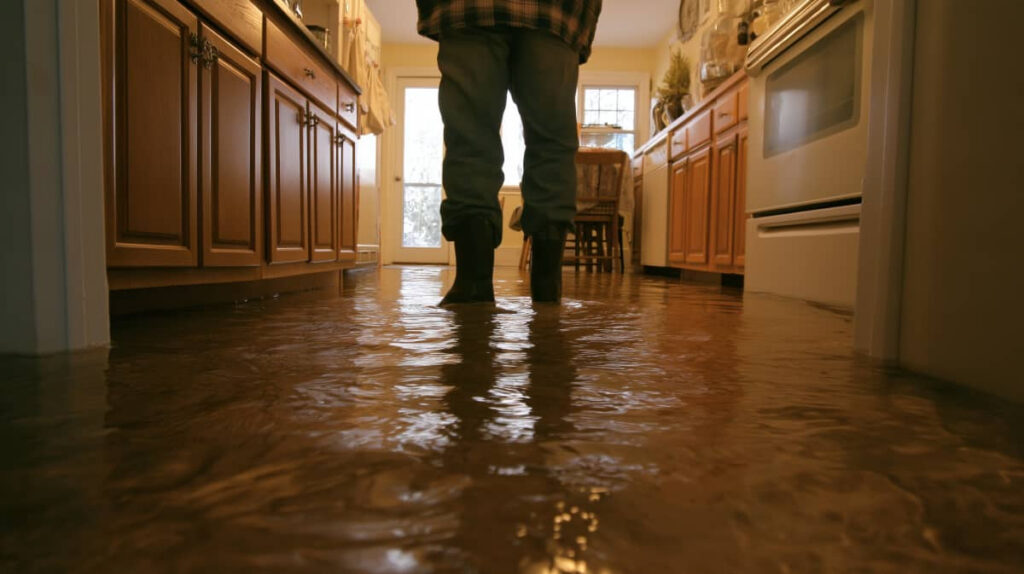
When water damage occurs, you must understand that mold can start developing within 24 to 48 hours if the conditions are right.
The mold lifecycle begins with spores that thrive in damp environments, quickly germinating when exposed to moisture. If you don’t take immediate action, these spores can proliferate, leading to extensive growth.
Moisture control is essential in preventing mold infestations.
You’ll want to make sure that affected areas are thoroughly dried and dehumidified. Use fans and dehumidifiers to eliminate excess moisture, and consider professional help for extensive damage.
The Health Hazards Associated With Mold Exposure
Although mold may seem like a minor inconvenience, exposure to it can lead to significant health risks. If you’re sensitive to mold, you might experience mold allergies, which can manifest as sneezing, a runny nose, or itchy eyes.
For those with underlying respiratory issues, such as asthma, mold exposure can exacerbate symptoms, potentially resulting in serious complications.
Moreover, certain mold species release mycotoxins, which can lead to more severe health conditions, including chronic respiratory diseases. Prolonged exposure can also weaken your immune system, making you more susceptible to infections.
It’s essential to recognize that even healthy individuals can experience adverse effects from mold exposure. As a result, addressing mold growth promptly is vital for your well-being.
Understanding these health hazards underscores the importance of swift action following water damage to prevent mold from taking hold in your environment.
The Importance of Timely Mold Remediation
Timely mold remediation is essential after water damage because mold can proliferate within 24 to 48 hours, leading to extensive health risks and property damage.
If you ignore the initial signs of mold growth, you could face significant consequences, including respiratory issues and structural deterioration. Effective prevention measures include addressing water leaks promptly and maintaining proper ventilation in your home.
When you act quickly, you protect your living environment and create a sense of community by ensuring your space is safe for family and friends.
Remember, mold spores can spread easily, making it crucial to contain and eliminate the issue as soon as it arises. By prioritizing timely remediation, you safeguard your health and preserve your property’s value.
Don’t underestimate the impact of swift action; it’s the key to preventing a minor issue from escalating into a major problem.
Professional Mold Remediation vs. DIY Solutions
While tackling mold remediation after water damage, you often face a choice between professional services and DIY solutions.
Professional services typically employ advanced mold assessment techniques to ensure thorough identification and treatment of mold infestations. They possess specialized training and equipment, which can effectively address hidden mold that DIY methods might miss.
On the flip side, DIY solutions may seem appealing due to lower upfront costs. However, a cost comparison often reveals that the long-term expenses of ineffective remediation can far exceed initial savings.
Unattended mold can lead to health issues and structural damage, which might necessitate costly repairs later.
Ultimately, opting for professionals might provide peace of mind and ensure a safer, more exhaustive approach to mold remediation.
While DIY can be suitable for minor issues, serious infestations warrant expert intervention to protect your home and health effectively.
Steps Involved in Emergency Mold Remediation Services
After deciding to enlist professional mold remediation services, it’s important to understand the steps involved in an emergency response.
These steps ensure effective mold removal and a thorough mold inspection.
Assessment: Professionals conduct a detailed inspection to identify the extent of water damage and mold presence.
Containment: They set up barriers to prevent mold spores from spreading to unaffected areas, ensuring safety during remediation.
Mold Removal: Using specialized mold removal techniques, they eliminate all traces of mold from surfaces and materials.
Prevention: Finally, experts implement strategies to prevent future mold growth by addressing moisture issues and ensuring proper ventilation.
Frequently Asked Questions
How Long Does Mold Take to Grow After Water Damage?
Mold can start growing within 24 to 48 hours after water damage. Understanding the mold growth timeline is essential, as prompt action helps minimize the water damage effects and prevents further complications in your environment.
Can Mold Return After Remediation?
Yes, mold can return after remediation if you neglect effective mold prevention strategies. It’s essential to maintain dry conditions and monitor areas treated for remediation effectiveness, ensuring your space remains safe and welcoming for everyone.
What Are Common Signs of Hidden Mold?
Common signs of hidden mold include musty odors, visible mold growth, water stains, and increased allergy symptoms. Mold spores can pose serious health risks, so it’s essential to address these indicators promptly to ensure safety.
Does Home Insurance Cover Mold Remediation Costs?
Your home insurance policy might cover mold remediation costs, but it depends on your specific mold coverage. Review your policy closely, as some insurers include exclusions related to water damage or negligence.
How Can I Prevent Mold After Water Damage?
To prevent mold after water damage, act quickly. Use mold prevention tips like drying affected areas, improving ventilation, and applying anti-fungal treatments. These water damage solutions help safeguard your home and maintain a healthy environment.
Recap
In the aftermath of water damage, swift action against mold is like putting on armor against unseen threats. By prioritizing emergency mold remediation, you’re not just protecting your health; you’re safeguarding your home’s value and structural integrity. Don’t wait for mold to take root—act promptly to ensure a safe, healthy living environment. Engaging professionals ensures thorough removal and prevents future infestations, giving you peace of mind and a mold-free space to call home.