

Contents
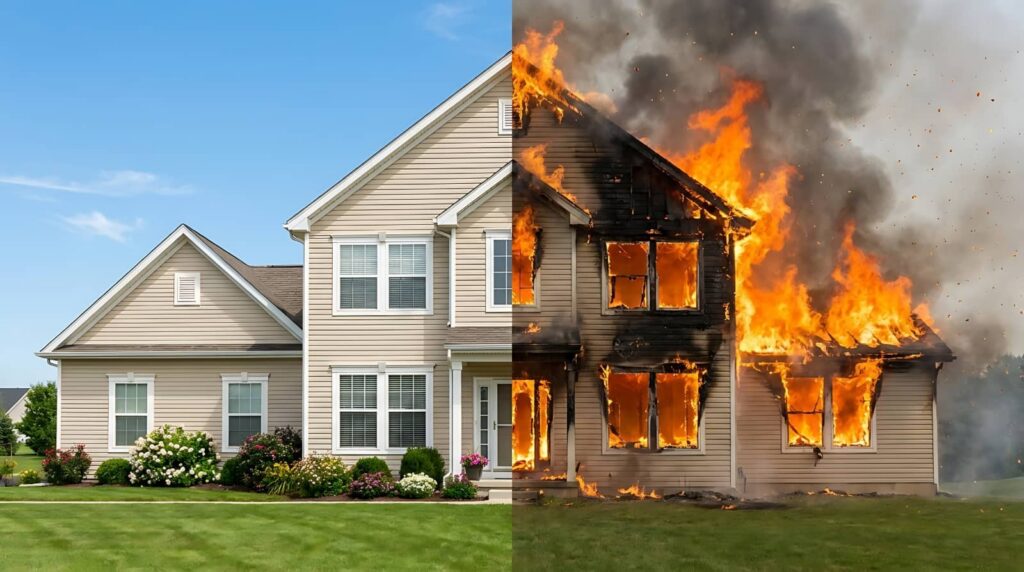
If you’re dealing with fire smoke odor, you need to act quickly and methodically. You’ll start by evaluating the damage, then remove residue from surfaces, fabrics, and HVAC pathways before the smell settles deeper. Ventilation, HEPA filtration, and odor absorbers can help right away, but the real difference often comes from the right sequence of steps. Some cases clear fast, while others need a more targeted approach you may not expect.
Key Takeaways
- Act quickly by ventilating the space, running HEPA filtration, and opening windows to reduce airborne smoke odor.
- Clean hard surfaces with a degreasing smoke cleaner, and vacuum soot from walls, ceilings, vents, and floors.
- Wash affected fabrics with odor-neutralizing detergent, then air-dry fully and use baking soda for lingering smells.
- Turn off HVAC, replace filters, clean vents, and seal unused registers to stop smoke recirculation.
- Use activated charcoal or baking soda in enclosed areas, and call professionals if odor or soot persists.
Remove Fire Smoke Odor Fast
To remove fire smoke odor fast, you need to act quickly and target both the air and the contaminated surfaces.
You can start by ventilating the space, running HEPA filtration, and replacing HVAC filters so odor particles don’t recirculate.
Then clean hard surfaces with a degreasing solution, because smoke residue from fire damage clings to walls, trim, and fixtures.
For fabrics, wash what’s salvageable with odor-neutralizing detergent and dry them completely.
Use activated charcoal or baking soda to support scent removal in enclosed areas.
If the odor lingers, you’re not alone; stubborn smoke compounds often hide in porous materials and need professional treatment.
Assess Fire Smoke Damage
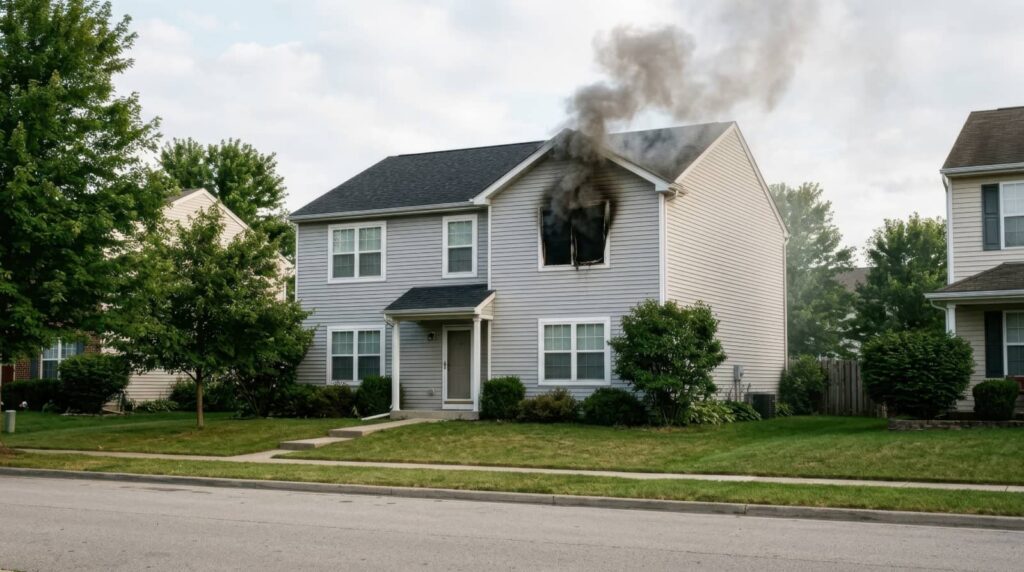
Once you’ve started clearing the air, the next step is to assess the fire smoke damage so you know what needs cleaning, restoring, or replacing.
Begin a fire assessment by inspecting walls, ceilings, HVAC vents, fabrics, and hidden cavities for soot staining, odor persistence, and heat distortion. Use a damage evaluation to separate light smoke impact from deeper structural exposure, because different materials react differently.
You’ll feel more in control when you document affected rooms, note discoloration patterns, and identify items that trap odor. This helps you prioritize tasks, protect your household, and coordinate with professionals if needed.
Stay methodical, and don’t assume visible damage tells the whole story; smoke can travel far. With a clear assessment, you can move forward together with confidence.
Clean Smoke Residue From Surfaces
With the assessment complete, you can start removing smoke residue from surfaces using the right method for each material.
For hard, nonporous areas, use dry microfiber cloths or HEPA vacuums first, then apply a mild cleaner for surface cleaning.
On painted walls, wood, and metal, work in small sections and wipe gently to prevent smearing.
For delicate finishes, test your solution in a hidden spot before full residue removal.
Change cloths often so you don’t spread soot back onto clean areas.
If residue feels sticky, use a specialized smoke-cleaning product matched to the surface.
You’re not tackling this alone; steady, careful steps restore control and help your space feel like yours again.
Deodorize Air and Ventilation
You’ll need to treat the air itself by using high-efficiency air purification methods that capture smoke particles and neutralize lingering odors.
Next, inspect and clean your ventilation system so ducts, registers, and filters don’t keep recirculating contaminated air.
Once you’ve cleared the system, increase fresh air circulation to flush out remaining smoke compounds and stabilize indoor air quality.
Air Purification Methods
After a fire, improving indoor air quality starts with removing smoke particles and neutralizing lingering odors at the source. You can support that process with air filters and purification systems that trap fine soot, adsorb volatile compounds, and help restore a cleaner indoor environment for your household.
Use units rated for smoke, then run them continuously in occupied rooms.
- Place HEPA air filters where you spend the most time.
- Add activated-carbon purification systems to reduce odor molecules.
- Replace media on schedule so performance stays consistent.
Keep doors between affected and clean areas closed while units operate, and let the devices work before you reintroduce fabrics or electronics.
With the right setup, you’re not alone; you’re taking controlled, practical steps toward a safer, fresher space.
Ventilation System Cleaning
Once the air is under control, clean the HVAC system so it doesn’t keep recirculating smoke and odor through the house. You should replace filters, vacuum return vents, and schedule professional duct inspections to catch soot buildup in hidden spaces.
During ventilation maintenance, technicians can clean coils, blower components, and drain pans that hold odor particles. You’ll reduce lingering contamination by wiping accessible grilles with a mild detergent and checking for damaged seals around registers. This step helps your home feel safe again, because clean airflow supports the whole recovery process.
If smoke traveled through the system, treat every component as part of the problem. When you handle the HVAC properly, you and your household can breathe easier and stay together in a fresher environment.
Fresh Air Circulation
Open windows on opposite sides of the house to create cross-ventilation, and use box fans to push smoky air out while drawing cleaner air in.
You can speed odor removal by managing airflow techniques with intent and checking room placement so the strongest draft reaches affected spaces first.
- Place one fan facing outward in the most contaminated room.
- Set a second fan near a clean-air entry to balance intake.
- Keep interior doors open so air can move freely.
You’ll notice less lingering smoke as stale particles leave and fresh air cycles through.
Stay consistent for several hours, then reassess each room. If odors persist, repeat the setup and adjust fan angle.
You’ve got a proven, practical way to help your home feel safe again.
Treat Smoke Odor in Fabrics
To treat smoke odor in fabrics, you should wash washable items with an odor-neutralizing detergent to lift trapped residues from the fibers.
After washing, air-dry them completely so moisture doesn’t lock in lingering smells or promote mildew.
For stubborn odor, you can also sprinkle baking soda on dry fabrics, let it sit, and vacuum it off to help absorb remaining smoke compounds.
Wash With Odor Neutralizer
After you’ve sorted out fabrics that can be safely laundered, wash them with an odor neutralizer designed to break down smoke particles instead of just masking them. You’ll get better results when you match the product to the fiber and the soil load.
Choose odor neutralizers types that are labeled for laundry use, then follow the manufacturer’s dilution rate closely. For shared recovery spaces, consistent washing techniques help everyone restore items with less guesswork.
- Pre-treat heavily affected seams and cuffs.
- Use the warmest water the fabric allows.
- Run an extra rinse to clear residues.
This approach helps you reclaim clean, familiar textiles without harsh scent buildup.
When you work methodically, you’re not just washing clothes—you’re rebuilding comfort and control for your home.
Air Dry Thoroughly
Once the washed fabrics are free of residue, air-dry them thoroughly so lingering moisture doesn’t hold onto smoke odor. You can hang items with space between them, letting airflow reach every fiber.
Choose a clean, dry area with good ventilation, and rotate heavier pieces so they dry evenly. For delicate fabrics, lay them flat on a breathable surface and turn them as needed.
These air drying techniques support moisture control, which helps prevent trapped smells from returning. If you’re handling several items, separate them so each piece dries fully instead of crowding together.
This step gives you a cleaner result and helps your fabrics feel like they belong back in your home, fresh, settled, and ready to use again without that stubborn fire scent.
Use Baking Soda
If smoke odor still clings to your fabrics, baking soda can help draw it out without harsh chemicals. You can use it as a simple, reliable step in emergency fire smoke odor removal. Its baking soda benefits come from natural odor absorption, which helps lift trapped particles from fibers and leave your items fresher.
Sprinkle a thin, even layer over dry fabric.
Let it sit for several hours so odor absorption can work.
Vacuum or shake it off, then repeat if needed.
You’ll get the best results on upholstery, curtains, and clothing that already air dried thoroughly.
If the smell persists, treat the fabric again before washing. This method helps you restore comfort and feel more at home again.
Remove Odors From HVAC Systems
Clear the HVAC system of smoke odor at the source, because soot and fine particles can circulate long after the fire is out. You should turn off the system, replace filters, and inspect supply and return vents for residue.
Vacuum accessible duct openings with a HEPA attachment, then wipe grilles with a damp microfiber cloth and mild detergent. During routine HVAC maintenance, use activated carbon filters or media designed for odor absorption to help trap lingering compounds.
Run the fan briefly only after cleaning, so you don’t spread contamination again. Seal unused registers while you work, and keep indoor humidity moderate to limit adhesion of smoky particles.
With a careful reset, you can make your home feel clean, breathable, and familiar again.
Know When to Call Odor Pros
When smoke odor keeps returning after you’ve cleaned surfaces, replaced filters, and reset the HVAC system, it’s time to bring in odor remediation professionals. You’re not failing; stubborn residues often hide in insulation, ductwork, and framing, and they need advanced odor removal techniques.
Professional services can test contamination, isolate affected zones, and match the treatment to your structure.
- You smell odor after cleaning.
- You notice soot in hidden cavities.
- Your indoor air still irritates your lungs.
At this point, pros can deploy thermal fogging, hydroxyl treatment, or sealing strategies. They’ll help you reclaim a healthy space and restore confidence.
You deserve a home that feels safe again, and the right team can get you there.
Frequently Asked Questions
How Long Does Smoke Odor Linger After a Small Fire?
You’ll usually notice smoke odor for days or weeks after a small fire, because lingering effects and odor absorption in fabrics, drywall, and HVAC can trap it. You can speed removal with thorough ventilation and cleaning.
Is Smoke Odor Removal Safe for Pets and Children?
Yes—if you choose pet-safe, child-safe methods, smoke odor removal can be safe. You’ll reduce hidden toxins, protect pet safety and child health, and create a cleaner home where your family truly belongs.
Can Insurance Cover Emergency Smoke Odor Removal Services?
Yes, your insurance policies may cover emergency smoke odor removal services, depending on coverage limits and the cause of damage. You’ll want to review your policy, document losses, and contact your adjuster quickly.
What Should I Do First After Discovering Smoke Smell?
First, you should confirm the source and safety with an initial assessment, then start ventilation techniques by opening windows and running fans. You’ll reduce odor faster, protect your space, and feel supported taking control.
Does Smoke Odor Return After Professional Cleaning?
Yes, smoke odor can return if you don’t fully remove embedded smoke particles. You’ll need thorough cleaning techniques, or old ghosts may linger. With proper treatment, you can keep your space fresh and confidently belong.
Summary
You can remove fire smoke odor fast when you act methodically and stay focused on the source. One useful statistic: smoke particles can linger indoors for days or even weeks without proper cleanup, so speed matters. Ventilate, clean residues, treat fabrics, and service your HVAC to stop odors from recirculating. If the smell keeps coming back, don’t wait professional remediation can restore your space safely and completely.