

Contents
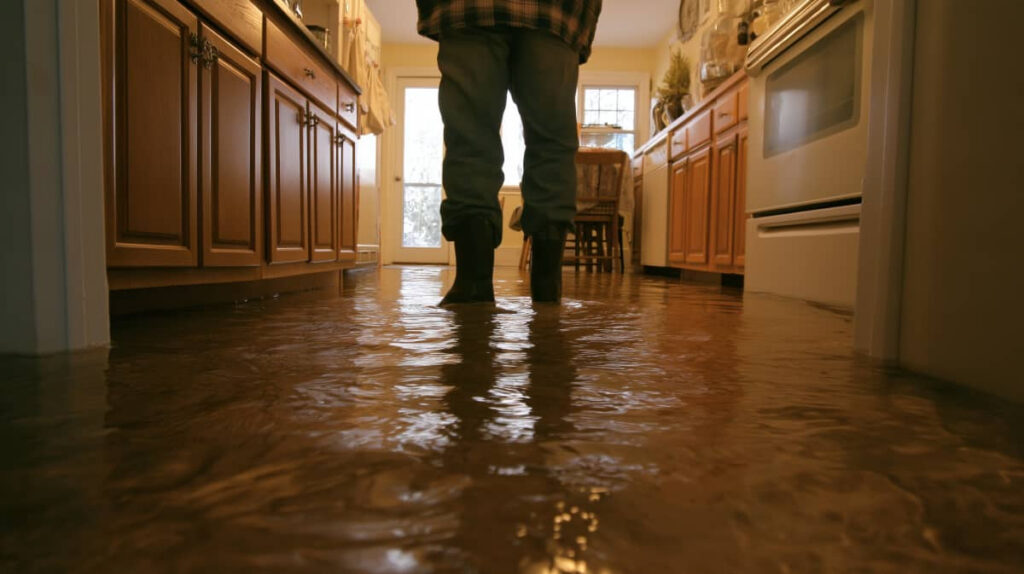
After a storm flood, you walk into a warehouse with two inches of standing water and a rising musty smell. Effective Commercial Water Mitigation starts with three steps that work fast: pump out the water, dry the structure with air movers and dehumidifiers, then inspect for mold and treat affected surfaces. Each step helps cut downtime and limit hidden damage, but the order matters more than you might think.
Key Takeaways
- Shut off power, restrict access, and document flood damage immediately for safety and insurance purposes.
- Remove standing water only when safe, then sort damaged inventory, electronics, and files for assessment.
- Use air movers and dehumidifiers continuously to dry walls, floors, trim, and hidden cavities.
- Inspect for moisture and remove wet porous materials quickly to prevent mold growth.
- Repair leaks, seal openings, and verify drains and HVAC systems to prevent future water intrusion.
What to Do After Storm Flooding
After storm flooding, you should act quickly to limit water damage and reduce health risks. First, shut off power if water has reached outlets or equipment, then restrict access so your team stays safe.
Document every affected area with photos and notes for insurance claims, and contact your carrier promptly. If you’ve followed storm preparedness tips, use your emergency contacts, vendor list, and backup records now.
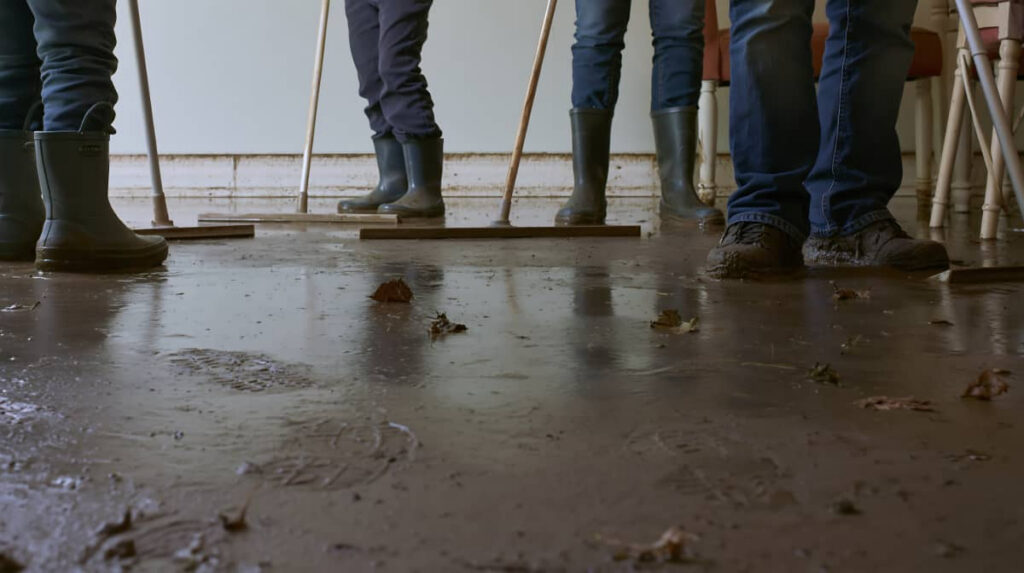
Remove standing water only if conditions are safe, and separate damaged inventory, electronics, and paper files for assessment.
Notify building management, sanitation, and restoration partners so they can coordinate response. Keep employees informed with clear instructions, and record all actions for compliance.
Fast, organized decisions help you protect assets, support your people, and recover with confidence.
Dry and Dehumidify Your Home
Once standing water is removed, you need to dry the structure fast to prevent mold, corrosion, and further material damage.
After water extraction, set up air movers to push moisture out of walls, floors, and trim. Use dehumidifiers for humidity control so indoor levels drop and stay stable.
Check hidden spaces like wall cavities, cabinets, and subfloors because trapped moisture lingers there. You’re not alone in this process; a disciplined dry-out keeps your site safe and on schedule.
- Open access points for airflow.
- Run dehumidifiers continuously.
- Monitor moisture and humidity readings.
- Adjust equipment as conditions change.
Keep documentation of readings and equipment placement. That helps you verify progress and coordinate with your mitigation team efficiently.
Prevent Mold and Repair Damage
With moisture levels under control, you can shift to mold prevention and damage repair before hidden water turns into a bigger problem.
Inspect walls, baseboards, insulation, and ceiling cavities for staining, swelling, or a musty odor. Remove wet porous materials fast, then clean hard surfaces with an approved antimicrobial product.
Keep airflow moving and maintain low humidity to slow spore growth. During damage assessment, document affected areas with photos, note saturation depth, and separate salvageable items from materials that need replacement.
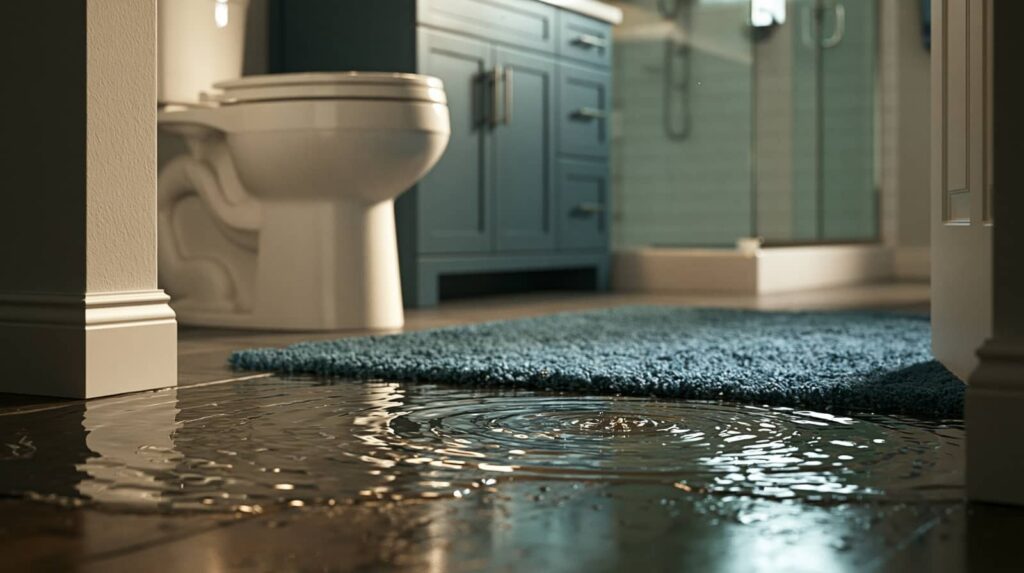
Patch leaks, seal openings, and verify that drains and HVAC components work properly.
When you act quickly, you protect indoor air quality, reduce structural loss, and keep your team confident that the space is safe, stable, and ready for normal operations.
Frequently Asked Questions
What Industries Benefit Most From Commercial Water Mitigation Solutions?
You’ll benefit most in retail environments, industrial facilities, the hospitality sector, educational institutions, and healthcare settings, where you protect assets, reduce downtime, preserve safety, and keep operations running smoothly with fast, targeted mitigation.
How Fast Should a Business Respond to Water Intrusion?
You should respond within minutes, not hours, to limit structural damage and mold growth. Strong emergency preparedness helps you act fast, and reviewing insurance coverage now can protect your team, assets, and continuity.
Are Commercial Mitigation Services Available After Hours?
Yes, you can get commercial mitigation services after hours. You’ll usually get emergency response and after hours availability, so your team won’t face water damage alone. You can protect operations, limit losses, and restore control fast.
What Equipment Is Used in Large-Scale Water Extraction?
You’ll use water extraction gear like industrial pumps, truck-mounted vacuums, moisture meters, and drying equipment to remove standing water fast, verify hidden saturation, and help you feel confident your site’s recovery is on track.
How Much Does Commercial Water Mitigation Typically Cost?
You’ll usually pay $1,000–$10,000, because water damage likes to surprise you. Your cost factors include area size, drying time, materials, and labor. Check insurance coverage early; it can cut your out-of-pocket expense considerably.
Wrap-Up
After storm flooding, you need to act fast. You remove standing water with industrial pumps, then dry the area with air movers and dehumidifiers to restore safe humidity levels. Next, you inspect for damage and apply antimicrobial cleaning products to help prevent mold. These steps work together like a relay team, passing the job from cleanup to recovery. If you move quickly and stay thorough, you can protect your building, reduce losses, and get operations back on track.