

Contents
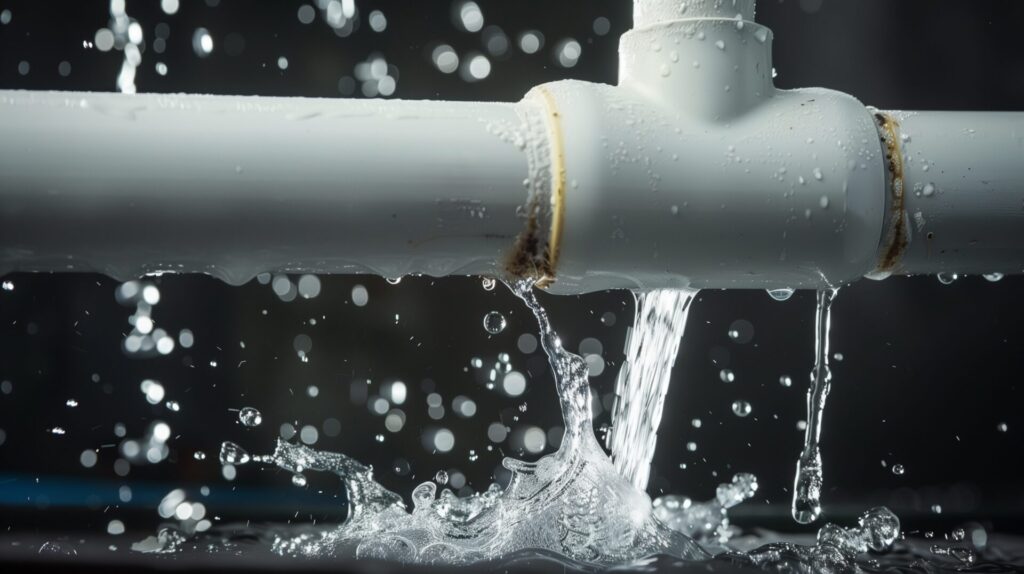
When a pipe bursts, it’s like a dam breaking, releasing a torrent that can wreak havoc on your home. In such moments, immediate action is crucial to minimize damage and restore safety. Understanding the urgency of 24/7 emergency water removal services can make all the difference. What are the key steps to address this crisis effectively, and how can you ensure your property is protected?
Key Takeaways
- 24/7 emergency water removal services quickly stop further flooding by shutting off the main water supply and extracting standing water.
- Professional teams use advanced equipment like wet vacuums, sump pumps, and dehumidifiers for efficient water removal and drying.
- Rapid response minimizes damage, prevents mold growth, and protects personal belongings after a pipe bursts.
- Comprehensive damage assessments help develop effective response plans tailored to the specific situation and urgency.
- Choose a certified service with a proven track record and positive customer reviews for reliable emergency water removal.
Understanding Burst Pipes and Their Impact on Property
Burst pipes can wreak havoc on your property, leading to significant damage and costly repairs. Understanding burst pipe causes is essential for prevention and mitigation. Temperature fluctuations, aging pipes, and improper installation often contribute to these failures. When pipes freeze, the water inside expands, putting immense pressure on the pipes until they eventually rupture.
Once a pipe bursts, you could face extensive property damage, including structural issues, mold growth, and ruined belongings. Water can seep into walls and floors, leading to long-term problems if not addressed immediately.
Being aware of these risks helps you take proactive measures, like regular inspections and maintenance. By recognizing the signs of potential pipe issues early, you can protect your property and maintain your peace of mind.
You’re not alone in this; many homeowners face similar challenges, and understanding the impact of burst pipes can foster a sense of community and shared responsibility.
The Importance of Immediate Water Removal
When a pipe bursts, acting quickly to remove water is essential to minimize damage to your property.
Immediate removal prevents mold growth and helps preserve the structural integrity of your home.
Rapid Damage Mitigation
Immediate water removal is essential for minimizing damage after a pipe bursts. When you act quickly, you’re not just reacting; you’re engaging in effective damage control.
A rapid response can prevent further complications, such as structural issues and the loss of personal belongings. Water can spread quickly, and each moment counts. By addressing the situation immediately, you protect your home and restore your peace of mind.
Professional water removal services are equipped to handle these emergencies, ensuring that the cleanup process is thorough and efficient. You don’t have to face this alone; a swift, coordinated response can make all the difference.
Prioritizing immediate action helps you reclaim your space and safeguard your investment from long-term damage.
Mold Growth Prevention
Mold can begin to develop within 24 to 48 hours after water exposure, so acting swiftly is essential for preventing its growth.
When you experience a burst pipe, immediate water removal is critical. This mitigates damage and reduces the risk of mold infestation.
Engaging professionals for mold remediation after water removal ensures that any hidden spores are effectively eliminated.
Additionally, maintaining humidity control in your home is important. Keeping indoor humidity levels below 60% can greatly hinder mold growth.
By taking these proactive measures, you protect your living space and foster a healthier environment for your family.
Don’t wait; swift action is your best defense against the dangers of mold.
Structural Integrity Preservation
Since water can weaken structural components, prompt removal is vital to preserving the integrity of your home after a burst pipe.
Delaying action can lead to significant damage, compromising building materials like wood and drywall. It’s important to conduct structural assessments immediately to identify any affected areas.
Water can cause wood to warp, drywall to crumble, and metal to corrode, leading to costly repairs down the line.
By addressing water removal promptly, you protect your home’s value and ensure a safe living environment for you and your family.
Remember, the sooner you act, the better chance you have at maintaining your home’s structural integrity and preventing extensive damage.
Don’t wait—your home deserves immediate attention.
Emergency Water Extraction Techniques
When faced with water damage from burst pipes, quick action is crucial to mitigate further issues.
Effective emergency extraction techniques can help restore your space and prevent long-term problems. Here are four key methods you should know:
Shut Off Water Supply: Immediately turn off the main water supply to stop additional flooding.
Remove Standing Water: Use wet vacuums or sump pumps to efficiently extract standing water.
Dehumidifiers: Deploy dehumidifiers to reduce moisture levels and prevent mold growth.
Air Movement: Utilize fans to increase airflow, which aids in drying out affected areas.
Implementing these techniques ensures a swift response to water damage, minimizing the risk of further complications.
Remember, timely emergency extraction is crucial for preserving your property and maintaining a safe, comfortable environment.
You’re not alone in this; help is just a call away.
Assessing Damage and Developing a Response Plan
Once water has been removed, it’s essential to assess the initial damage to your property.
This assessment will help you identify affected areas and materials that need immediate attention.
From there, you can outline a response strategy that prioritizes repairs and restoration efforts effectively.
Initial Damage Assessment
Evaluating the damage from burst pipes is essential for effective emergency water removal and restoration.
You should start with an initial inspection to determine the extent of flooding and damage. This damage evaluation helps you prioritize your next steps.
Here are four key areas to focus on during the assessment:
Water Level: Identify how high the water has risen and how it has affected surrounding areas.
Structural Integrity: Check for cracks or warping in walls, ceilings, and floors.
Electrical Systems: Inspect for any exposed wires or damage to outlets and fixtures.
Contents: Assess the condition of furniture, appliances, and personal items affected by the water.
Response Strategy Outline
After evaluating the damage from burst pipes, it’s time to develop a thorough response strategy. First, prioritize your response time to ensure immediate issues are addressed promptly. This might include stopping the water flow and removing excess water to prevent further damage.
Next, assess the extent of the damage to determine appropriate resource allocation. Identify necessary equipment, such as pumps and dehumidifiers, and make sure they’re readily available.
Communicate with your team to assign roles effectively, maximizing efficiency. Finally, create a timeline for recovery, keeping everyone informed and involved throughout the process.
Equipment Used for Water Removal
When dealing with emergency water removal due to burst pipes, having the right equipment is fundamental to minimizing damage. Effective water extraction and drying equipment can make a significant difference in how quickly and thoroughly you restore your property.
Here’s a look at some essential tools you’ll need:
Submersible Pumps: These are critical for quickly removing standing water from flooded areas.
Wet/Dry Vacuums: Perfect for smaller water removal tasks, they can handle both wet and dry debris.
Dehumidifiers: Fundamental for reducing humidity levels and preventing mold growth after water extraction.
Air Movers: These drying equipment units circulate air to speed up the evaporation process.
Using this equipment, you can tackle water emergencies effectively, ensuring your home returns to normal as quickly as possible.
Preventing Future Pipe Bursts
To prevent future pipe bursts, it’s essential to take proactive measures that address the underlying causes of pipe failure.
Start by ensuring your pipes are properly insulated, especially in colder months. Pipe insulation helps maintain a stable temperature and reduces the risk of freezing, which can lead to bursting.
Additionally, don’t overlook seasonal maintenance. Regularly inspect your plumbing system for any signs of wear, leaks, or corrosion. This includes checking connections, valves, and joints.
It’s also wise to keep your home’s temperature consistent during extreme weather; sudden changes can stress your pipes.
Finally, consider draining outdoor hoses and shutting off water supply lines that aren’t in use during the winter months.
Choosing the Right Emergency Water Removal Service
Choosing the right emergency water removal service can greatly impact the restoration process after a burst pipe. When you’re faced with such a crisis, effective service selection is essential.
Here are four key factors to take into account:
Response Time: Look for a service that ensures a rapid response, ideally within an hour.
Experience: Choose a company with a proven track record in handling emergency water removal.
Customer Reviews: Read customer reviews to gauge satisfaction and reliability. Positive feedback can offer reassurance.
Certification and Insurance: Confirm the company is certified and insured, protecting you from liability during the restoration process.
Frequently Asked Questions
How Quickly Can Emergency Water Removal Services Arrive?
Emergency water removal services typically arrive within one hour, thanks to their rapid response time and 24/7 service availability. You’ll feel reassured knowing help’s on the way to address your urgent needs.
Will My Insurance Cover the Water Removal Costs?
Your insurance policy might cover water removal costs, but coverage limits vary. It’s essential to review your policy details; understanding what’s included helps you be prepared for unexpected situations and avoid potential financial stress.
Can I Stay in My Home During Water Removal?
You shouldn’t stay in your home during water removal due to potential hazards. Prioritize your safety and the risk of further water damage. It’s best to find temporary accommodation until the situation’s resolved.
What Should I Do Before the Professionals Arrive?
Think of your home as a ship; you need to plug the leaks. First, shut off the water source. Then, assess damage and begin initial cleanup to minimize issues while waiting for professionals to arrive.
Are There Any Health Risks During Water Removal?
Yes, there are health risks during water removal. Mold growth can occur quickly, leading to respiratory issues. It’s essential to minimize exposure and ensure proper ventilation while waiting for professionals to handle the situation effectively.
Final Thoughts
In emergencies, acting fast is like putting a fire out before it spreads; every second counts. By prioritizing immediate water removal, you protect your property and ensure a smoother recovery. Understanding the importance of professional assistance can save you time, money, and stress. When faced with burst pipes, trust skilled emergency water removal services to handle the situation effectively, allowing you to focus on restoring your home and peace of mind.