

Contents
When water leaks occur, you’re not just facing immediate damage; mold can start growing within 24 to 48 hours in damp areas. This rapid development poses serious health risks and can lead to extensive damage to your property. Understanding the critical importance of emergency mold remediation is essential for safeguarding both your health and your investment. What are the specific health implications and signs you should be aware of to act effectively?
Key Takeaways
- Mold can develop within 24 to 48 hours after water intrusion, making swift remediation crucial to prevent extensive growth.
- Immediate action reduces health risks, especially for individuals with respiratory issues, by limiting exposure to mold spores.
- Emergency remediation helps minimize property damage and avoids costly repairs associated with prolonged mold presence.
- Professional mold remediation ensures thorough cleanup and addresses underlying moisture issues, preventing future outbreaks.
- Quick response fosters a healthier indoor environment, promoting overall well-being for occupants.
Understanding the Risks of Mold Growth After Water Leaks
When water leaks occur, it’s important to act quickly, as mold can start to grow within 24 to 48 hours in damp environments. Understanding the mold lifecycle is significant for effective remediation.
Mold spores thrive in moisture-rich conditions, rapidly colonizing surfaces and materials. If you don’t control moisture levels, you’ll create an ideal environment for mold growth, which can lead to extensive damage and costly repairs.
Implementing moisture control measures is critical in mitigating risks. This involves identifying the source of the leak, repairing it, and thoroughly drying affected areas.
Use dehumidifiers and fans to accelerate drying, and maintain proper ventilation to reduce humidity levels. By taking these steps, you protect your property and contribute to a healthier living environment for yourself and those around you.
The Health Implications of Mold Exposure
Although you may not see mold growth immediately, exposure to mold can have significant health implications. Mold spores can become airborne, leading to various health concerns, especially for individuals with existing respiratory issues.
You might experience mold symptoms like sneezing, coughing, and nasal congestion as your body reacts to these allergens. In more severe cases, prolonged exposure can aggravate asthma and other pre-existing conditions, potentially leading to chronic respiratory problems.
Symptoms may also include skin irritation, headaches, and fatigue, all of which can disrupt your daily life. If you notice these mold symptoms after water leaks, it’s essential to address the issue promptly.
Ignoring mold exposure can impact your health and your overall well-being and sense of comfort in your living space. Prioritizing mold remediation ensures a healthier environment for you and your loved ones.
The Importance of Swift Action in Mold Remediation
Ignoring mold symptoms can lead to severe health issues, making it imperative to act quickly when mold is detected.
The mold growth timeline indicates that mold can start developing within 24 to 48 hours after water intrusion. This rapid response is vital; the longer you wait, the more extensive the damage becomes and the greater the health risks.
You mightn’t realize that mold spores can spread quickly, impacting air quality and exacerbating respiratory conditions. By taking swift action, you protect your health and minimize the financial implications of extensive remediation.
Engage professionals who specialize in mold remediation to ensure a thorough and effective cleanup.
Identifying Signs of Mold After Water Damage
After water damage, it’s essential to identify signs of mold promptly.
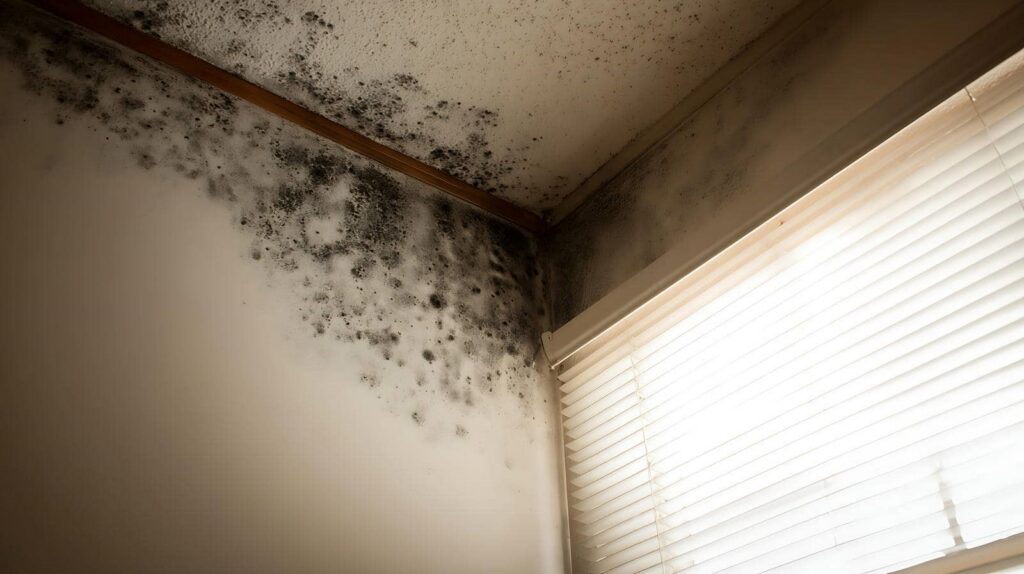
Look for visual indicators like dark patches or fuzzy growth, and pay attention to any musty odors that may linger.
Additionally, check for water stains or discoloration on walls and ceilings, as these can signal mold presence.
Visual Mold Growth Indicators
Mold growth can often be spotted by its distinct visual indicators, especially following water damage.
Pay attention to mold color variations, which can range from black and green to white and yellow. These colors can indicate different types of mold, each with its own potential health risks.
Additionally, observe the surface textures where mold appears; you might notice fuzzy, slimy, or stained surfaces. These textures signify active growth and highlight the urgency of remediation.
If you see any of these signs, it’s essential to address the issue immediately to prevent further damage.
Musty Odor Detection
A musty odor often serves as a telltale sign of mold presence, particularly in areas affected by water damage. Identifying these odors early can prevent serious health issues and structural damage.
Here are some common musty odor sources to take into account:
- Hidden mold colonies in walls or under flooring
- Damp furniture or carpets
- Insulation that has absorbed moisture
Utilizing effective odor detection methods can help you pinpoint the source of the musty smell. You can use your sense of smell, but also take into account employing moisture meters or professional odor detection services.
Staying vigilant about these signs allows you to address mold problems promptly, protecting both your health and your home.
Water Stains or Discoloration
When you notice water stains or discoloration on walls or ceilings, it’s essential to act quickly, as these can indicate the presence of mold growth following water damage.
Water stain patterns, such as darkened areas, streaks, or uneven spots, often suggest prolonged moisture exposure. Discoloration can arise from various causes, including leaks, humidity, or condensation, and may lead to hidden mold development if not addressed promptly.
Ignoring these signs can result in significant health risks and structural damage. Inspect the affected areas thoroughly, and consider contacting professionals for emergency mold remediation.
Professional Mold Remediation Services vs. DIY Solutions
When faced with mold issues, you’ll need to weigh the benefits of professional remediation services against DIY solutions.
Professionals bring specialized expertise and experience that can effectively address complex mold problems, while DIY methods may expose you to safety and health risks.
Understanding these factors is essential in determining the best approach for your situation.
Expertise and Experience
Choosing between professional mold remediation services and DIY solutions can greatly impact the effectiveness of your mold removal efforts.
Professional services bring essential mold expertise and extensive remediation experience that are vital in tackling significant infestations. While DIY solutions may seem appealing, they often lack the necessary tools and knowledge.
Consider these factors when deciding:
Specialized Equipment: Professionals use advanced technology for thorough removal.
Comprehensive Assessment: Experts evaluate the extent of the mold and underlying causes.
Long-Term Solutions: Professionals provide strategies to prevent future outbreaks.
Ultimately, investing in professional services ensures effective mold removal band supports a healthier living environment.
It’s a decision that could save you time, effort, and potential health risks down the line.
Safety and Health Risks
While tackling mold removal, understanding the safety and health risks associated with both professional remediation services and DIY methods is essential.
Professionals are trained to handle hazardous materials and possess the right equipment, ensuring thorough mold removal while minimizing exposure to harmful spores.
On the other hand, DIY solutions might seem cost-effective, but they often lack proper safety measures, increasing the risk of health issues like respiratory problems and allergic reactions.
By recognizing these risks, you can make informed decisions.
Implementing effective mold prevention strategies, such as controlling humidity and ensuring proper ventilation, is vital for long-term safety.
Prioritize health risk awareness to protect yourself and your loved ones from potential mold-related complications.
Preventing Future Mold Growth After Remediation
To effectively prevent future mold growth after remediation, it’s crucial to address the underlying factors that contribute to moisture accumulation.
Implementing preventive measures alongside long-term strategies can greatly reduce the risk of mold returning.
Maintain humidity levels: Keep indoor humidity below 60% by using dehumidifiers or air conditioning.
Inspect plumbing regularly: Check for leaks and repair them promptly to eliminate sources of moisture.
Improve ventilation: Ensure proper airflow in areas prone to dampness, such as bathrooms and kitchens, by using exhaust fans.
The Cost-Effectiveness of Early Mold Intervention
Understanding the cost-effectiveness of early mold intervention can save you significant expenses and health risks down the line. When you address mold issues promptly, you prevent extensive damage to your property and minimize the potential for health complications related to mold exposure. This proactive approach leads to substantial cost savings, as it’s often cheaper to remediate small infestations than to tackle severe mold problems later.
Additionally, early intervention offers long-term benefits. By maintaining a mold-free environment, you enhance your home’s value and protect your family’s health. You’re also likely to reduce future repair costs, as prolonged mold growth can compromise structural integrity.
Ultimately, investing in early mold remediation isn’t just about immediate fixes; it’s about ensuring a safer, healthier living space and preserving your financial well-being in the long run. Embracing this strategy fosters a sense of community, as everyone benefits from a healthier environment.
Frequently Asked Questions
How Long Does It Take for Mold to Develop After a Leak?
Mold can develop within 24 to 48 hours after a leak. To combat this, implement effective leak prevention strategies, ensuring you minimize moisture and safeguard your environment from potential mold growth.
Can Mold Grow in Hidden Areas After Water Damage?
Absolutely, hidden mold can thrive in the shadows after water damage. It lurks behind walls and under floors, waiting to release its havoc. Swift action is essential to prevent extensive health risks and structural issues.
What Types of Mold Are Most Common After Leaks?
Common mold types after leaks include Stachybotrys, Aspergillus, and Penicillium. These often arise from leak sources like plumbing failures, roof leaks, or condensation, thriving in damp environments and potentially causing health issues if left untreated.
Is Mold Remediation Covered by Homeowners Insurance?
Mold remediation is often a gray area in homeowners’ insurance. While some policies include mold coverage, others might not. You should review your insurance policy details to ensure you’re protected against unexpected mold damage.
How Can I Safely Dispose of Moldy Materials?
To safely dispose of moldy materials, use proper mold disposal methods. Seal items in plastic bags, wear protective gear, and follow local regulations for safe removal. This ensures both your safety and the environment’s protection.
Summary
In the face of water leaks, time is not on your side. Mold can begin to take hold within just 24 to 48 hours, threatening both your health and property. By acting quickly, you can prevent a small issue from spiraling into a costly disaster. Don’t wait—if you notice signs of moisture or mold, seek professional remediation services immediately. The longer you delay, the greater the risk to your home and family. Will you take action before it’s too late?