

Contents
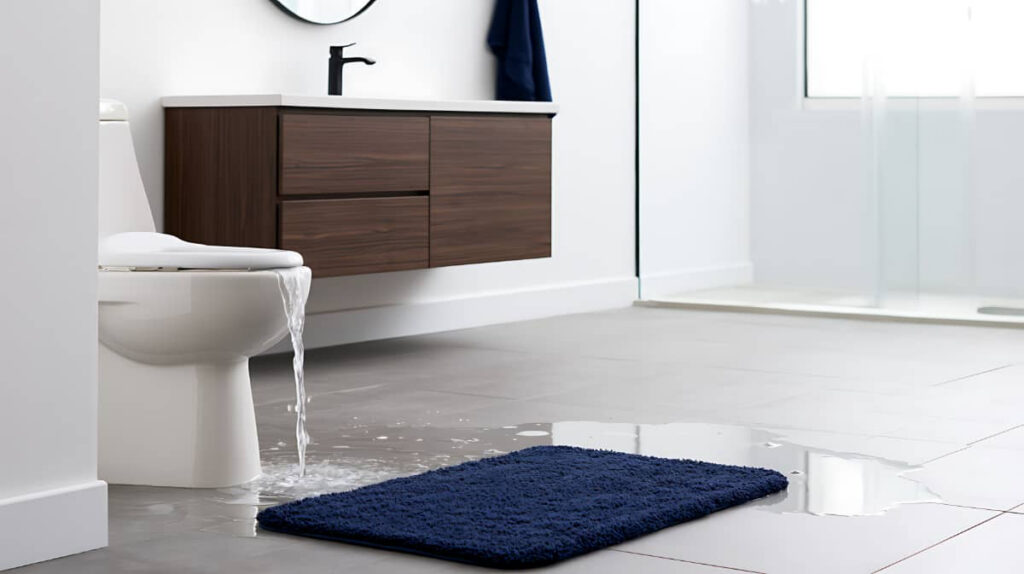
Water damage is a common issue in many homes, and when it happens, it can quickly lead to mold growth. That’s why having effective mold removal strategies in place is so important. When water infiltrates your space, it can lead to mold growth within 24-48 hours. Understanding how to assess and address this issue is essential for maintaining a healthy environment. Let’s explore the key steps you need to take to tackle mold effectively after water damage.
Key Takeaways
- Conduct a thorough assessment of water damage to identify affected areas and document findings for effective mold removal strategies.
- Ensure proper ventilation by opening windows, using fans, and deploying dehumidifiers to reduce moisture levels and inhibit mold growth.
- Contain the affected area with temporary barriers and seal off vents to prevent cross-contamination and limit exposure to spores.
- Select mold removal products that are EPA-registered, effective, and suitable for the specific situation, considering eco-friendly options.
- Clean and disinfect surfaces by removing visible mold and applying appropriate disinfectants according to manufacturer guidelines while wearing protective gear.
Assessing the Extent of Water Damage
When you experience water damage, evaluating the extent of the damage is essential for effective mold removal.
Start with a thorough water damage assessment to identify affected areas, including walls, floors, and furniture. Use moisture meters to conduct a precise moisture level evaluation, which helps determine how deeply the water has penetrated.
Check for visible signs of water damage, such as discoloration or warping, and pay attention to hidden areas like behind drywall or under carpets.
Document your findings meticulously; this aids in mold removal and provides a record for insurance claims.
Ensuring Proper Ventilation
To effectively combat mold growth after water damage, ensuring proper ventilation is essential. You’ll want to utilize various ventilation techniques to promote air circulation and enhance air quality.
Start by opening windows and doors to create cross-ventilation, allowing fresh air to flow in and damp air to escape. If natural ventilation isn’t sufficient, consider using fans to increase air movement. Dehumidifiers can also be vital, as they reduce moisture levels, creating an environment less conducive to mold growth.
Check your HVAC systems; verify they’re functioning properly and equipped with high-efficiency filters. This improves air quality while preventing mold spores from spreading throughout your home.
Regularly inspect and maintain these systems to keep them effective. By implementing these strategies, you’ll address immediate mold concerns and foster a healthier living environment, promoting a sense of safety and belonging in your home.
Containing the Affected Area
Proper ventilation helps mitigate mold growth, but it’s equally important to contain the affected area to prevent the spread of spores.
You can effectively achieve this through various containment strategies. Here are a few steps to take into account:
Use temporary barriers: Set up plastic sheeting around the affected area to restrict airflow and limit exposure to unaffected spaces.
Seal off vents and doors: Close off any heating or cooling vents, as well as doors, to minimize cross-contamination.
Create a negative pressure environment: Utilize fans to create negative pressure within the contained area, ensuring that any airborne spores are drawn inward rather than escaping.
Selecting the Right Mold Removal Products
How can you ensure effective mold removal in your home? Selecting the right mold removal products is essential to achieving this goal.
Start by researching the specific mold removal techniques that suit your situation. Not all products are created equal; their effectiveness can vary greatly based on the type of mold and the surfaces involved.
Look for products specifically formulated for mold remediation, ensuring they contain proven active ingredients. Check labels for EPA registration or certifications that indicate product effectiveness.
Additionally, consider whether you prefer eco-friendly options that are safe for your family and pets.
Don’t forget to read user reviews and testimonials, as they can provide insight into real-world effectiveness.
Cleaning and Disinfecting Surfaces
While tackling mold issues, cleaning and disinfecting surfaces is essential for preventing future growth. You’ll need to employ effective cleaning techniques and surface disinfectants to ensure your home stays mold-free.
Start by removing any visible mold with a scrub brush and a mixture of water and detergent. After that, apply a suitable surface disinfectant to kill any lingering spores.
Consider these key steps:
Choose the right disinfectants: Look for EPA-registered products specifically designed for mold.
Follow instructions: Always adhere to the manufacturer’s guidelines regarding application and dwell time for maximum effectiveness.
Wear protective gear: Use gloves, masks, and goggles to protect yourself during the cleaning process.
Drying Out the Space Effectively
To effectively dry out the space after water damage, you’ll need to use dehumidifiers strategically to reduce moisture levels.
Increasing air circulation by opening windows or using fans can also expedite the drying process.
Additionally, removing wet materials promptly will help prevent mold growth and further damage.
Use Dehumidifiers Strategically
Using dehumidifiers strategically is essential for effectively drying out the space after water damage. Proper dehumidifier placement and moisture control can considerably accelerate the drying process, minimizing the risk of mold growth.
Here are some tips to optimize your dehumidifier usage:
Position them in the most affected areas: Focus on rooms with visible water damage or high humidity.
Set the right humidity levels: Aim for a relative humidity of around 30-60% to inhibit mold growth.
Monitor progress regularly: Check the water collection and adjust settings as needed to maintain effective moisture control.
Increase Air Circulation
Increasing air circulation is essential for drying out a space effectively after water damage, as it helps to disperse moisture and promote evaporation.
You can implement various airflow techniques to enhance circulation, such as using fans strategically placed around the affected area. Open windows and doors to encourage natural ventilation, which can greatly speed up the drying process.
If available, utilize ventilation systems to maintain consistent airflow, ensuring that damp air is expelled and replaced with drier air.
Combining these methods creates an ideal environment for drying, reducing the likelihood of mold growth.
Remove Wet Materials Promptly
After enhancing air circulation, promptly removing wet materials is essential for effective drying and mold prevention.
The removal timeline is vital; the sooner you act, the less chance mold has to develop.
Here are key steps to follow:
Identify and remove: Locate all wet materials, such as carpets, drywall, and insulation, that are compromised.
Dispose properly: Make sure you dispose of moldy items in sealed bags to prevent spores from spreading.
Dry remaining surfaces: Use fans or dehumidifiers to dry out any surfaces that are still damp.
Preventing Future Mold Growth
Although water damage can lead to mold growth, implementing effective prevention strategies can greatly reduce the risk of future infestations. Start by using mold resistant materials when renovating or building your space. These materials can considerably hinder mold development, providing an added layer of protection.
Additionally, conduct routine inspections to identify any areas prone to moisture accumulation, such as basements, bathrooms, and around windows. Address leaks or dampness immediately to prevent mold spores from taking hold.
Ensure proper ventilation throughout your home, especially in humid areas, to maintain dry air circulation. Regularly clean and maintain gutters and downspouts to direct water away from your foundation.
Finally, consider using a dehumidifier in high-humidity areas to control moisture levels effectively. By taking these proactive steps, you’ll foster a mold-free environment, enhancing the comfort and safety of your living space.
Frequently Asked Questions
Can I Remove Mold Myself, or Should I Hire a Professional?
You can tackle small mold issues yourself using DIY mold removal methods, but for extensive infestations or safety concerns, it’s best to hire professional services. They ensure thoroughness and help prevent future mold growth effectively.
How Long Does It Take for Mold to Start Growing After Water Damage?
Mold can start growing within 24 to 48 hours after water damage, as seen in a homeowner’s basement flood. Understanding the mold growth timeline helps you address water damage effects promptly, preventing further complications.
What Health Risks Are Associated With Mold Exposure?
Mold exposure can lead to various health risks, including mold symptoms like coughing, sneezing, and skin irritation. You might also experience respiratory issues, especially if you have pre-existing conditions like asthma or allergies. Stay vigilant.
Are There Any Natural Remedies for Mold Removal?
Sure, you could try natural remedies like a baking soda and vinegar solution—so simple, yet so effective! Just mix them, apply, and watch mold struggle against your newfound cleaning power. You’ll feel empowered tackling mold head-on!
How Can I Identify Hidden Mold in My Home?
To identify hidden mold, employ mold detection techniques like visual inspections and moisture assessment tools such as hygrometers. Check areas prone to dampness, like basements and bathrooms, ensuring thorough evaluation for potential mold growth.
Final Thoughts
Tackling mold after water damage requires a focused approach to ensure success. Think of it like weeding a garden; if you don’t remove the roots, the weeds will just grow back. By evaluating damage, assuring ventilation, containing the area, choosing appropriate products, and cleaning thoroughly, you cultivate a healthy environment. Don’t forget to dry the space effectively and take preventive measures to keep mold at bay. Your diligence today protects your home tomorrow.