


Contents
When faced with flood damage, knowing how to file an insurance claim can make a significant difference. You’ll want to assess the damage thoroughly and document everything carefully. Understanding your insurance policy is essential, as it outlines your coverage and any exclusions. By following structured steps, you can navigate the claims process more effectively. But what should you do first, and how can you ensure your claim is successful?
Key Takeaways
- Conduct a thorough assessment of water damage, documenting with photos and lists of affected belongings for the insurance claim.
- Review your insurance policy to understand coverage, exclusions, deductibles, and specific terms related to flood damages.
- Contact your insurance agent to clarify coverage details, discuss options, and understand any potential claim impacts.
- Gather all necessary documentation and submit your claim promptly, ensuring all vital details and evidence are included.
- Maintain regular communication with your insurance adjuster to track the claim’s progress and address any questions or concerns.
Assessing the Damage
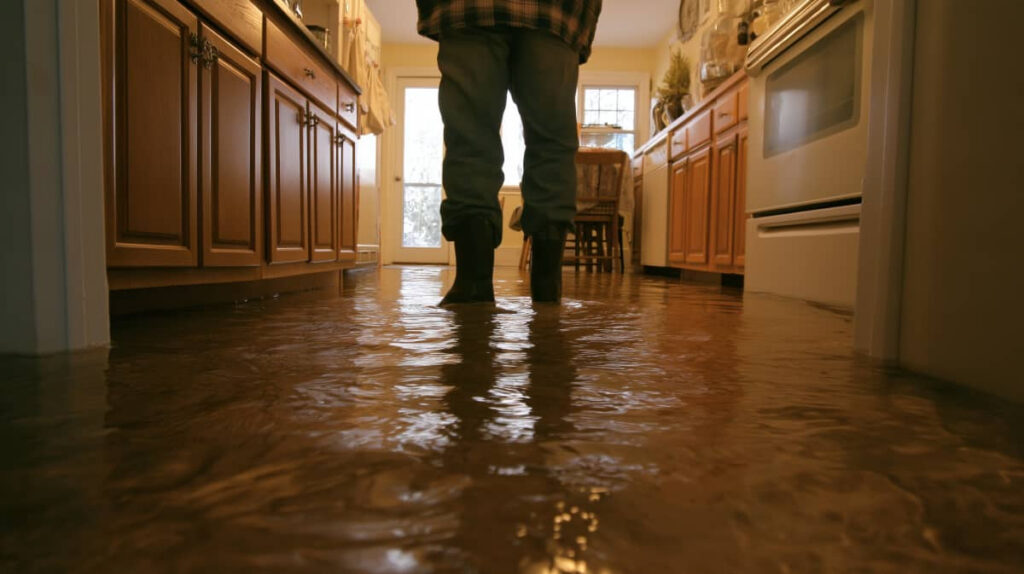
When a flood strikes, analyzing the damage is essential for filing an insurance claim. Start by conducting a thorough water damage evaluation of your property. Look for signs of structural damage, mold growth, and ruined belongings. Document everything with photos, as this evidence is vital for your claim.
Next, consider implementing flood prevention strategies for the future. Installing sump pumps, elevating utilities, and using water-resistant materials can minimize potential damage in subsequent floods.
While analyzing, prioritize safety: if conditions are hazardous, wait for professionals. Don’t rush the evaluation; a detailed appraisal will strengthen your claim and help you understand the extent of the damage.
This process aids in securing financial support and fosters a sense of community, as you’re taking proactive steps to protect your home and loved ones. Your diligence now can make a significant difference later.
Documenting the Incident
When documenting the incident, gather evidence thoroughly to support your claim.
Take photographic documentation of all damages, as images can greatly enhance your case.
Additionally, record personal accounts of the event to provide context and detail for your insurer.
Gather Evidence Thoroughly
Gathering evidence thoroughly is essential for a successful flood damage insurance claim. Start by conducting detailed evidence collection, documenting everything affected by the flood. This includes personal property, infrastructure damage, and any repairs made.
Make an extensive list of damaged items, noting their pre-flood condition and value. Keep records of any conversations with your insurance adjuster, as these will aid in claim preparation. Organize all documents, including receipts, estimates, and any relevant correspondence.
Take Photographic Documentation
Taking photographic documentation is an essential step in reinforcing your flood damage insurance claim. By utilizing effective photographic techniques, you can create compelling evidence that supports your case.
Start by capturing wide-angle shots of the affected areas to provide context, then focus on specific damages. Make certain you include timestamps and avoid clutter in the frames to keep the insurance documentation clear and relevant.
Take photos from various angles to highlight the extent of the damage, and don’t forget to document any personal belongings that were affected.
Remember, high-quality images can greatly impact your claim’s approval process, helping you receive the compensation you deserve.
Don’t underestimate the power of visuals in your flood damage narrative.
Record Personal Accounts
Recording personal accounts of the flood incident is essential for substantiating your insurance claim.
Detailed narratives of your personal experiences can help paint a vivid picture of the event’s impact. Write about what you witnessed, how the flood affected your home, and any immediate actions you took.
Don’t shy away from expressing the emotional impacts, as they can demonstrate the severity of your situation. Include information about how the flood disrupted your daily life, affected your family, or caused emotional distress.
These accounts provide context and humanize your claim, making it more relatable. By documenting your story clearly and concisely, you’ll strengthen your case and ensure that the insurance adjusters understand the full extent of your loss.
Reviewing Your Insurance Policy
Before filing a flood damage insurance claim, it’s crucial to thoroughly review your insurance policy. Start by identifying your policy coverage; this helps you understand what damages are included and how much compensation you can expect. Look for specific terms related to flood damage, as not all policies provide extensive coverage for such events.
Next, pay close attention to policy exclusions. These are the factors that may limit or deny your claim, such as certain causes of damage or specific types of property. Knowing these exclusions can save you time and frustration later on.
Also, check the deductibles and any limits on your coverage amount to make sure you’re prepared for the financial aspects of your claim.
Contacting Your Insurance Agent
Once you’ve reviewed your insurance policy, reaching out to your insurance agent is the next important step. This conversation is essential for clarifying any uncertainties you might’ve about your coverage.
When choosing coverage, make sure it aligns with your needs and provides adequate protection against flood damage. Your agent can guide you through the available options, helping you make informed decisions.
Additionally, understanding exclusions is critical. Not all policies cover the same types of damage, and some may have significant limitations.
Discuss these exclusions with your agent to avoid surprises later. They can explain how specific scenarios may impact your claim and what steps to take if you face issues.
Filing the Claim
As you prepare to file your flood damage insurance claim, gathering all necessary documentation is essential for a smooth process. Start by reviewing your policy to understand the specific insurance requirements. This helps you know what to include in your claim submission, ensuring you don’t miss any vital details.
Next, clearly outline the damages you’ve experienced. Take detailed photographs and make a list of all affected items, including their value and purchase dates. This level of organization strengthens your claim and expedites review.
Once you’ve compiled everything, complete the claim form accurately, double-checking for any errors. Submit your claim promptly, as delays can affect your payout.
Submitting Required Documentation
Submitting the required documentation is essential for ensuring your flood damage insurance claim is processed efficiently. To facilitate a smooth claim submission, make sure you understand the documentation requirements set by your insurer. Gather all necessary documents, including proof of loss, photographs of the damage, and any repair estimates.
It’s also helpful to include a detailed inventory of affected items, as this supports your claim and demonstrates the extent of the loss. Don’t forget to keep copies of everything you submit; this can be vital for tracking your claim’s progress.
Be mindful of deadlines for submitting these documents, as delays can hinder your claim’s approval. Following these steps strengthens your position and fosters a sense of belonging in a community that understands the challenges of recovery after a flood.
Stay organized, and you’ll enhance your chances of a successful claim outcome.
Working With Adjusters
When you begin working with adjusters, it’s essential to communicate clearly and provide them with the information they need to assess your claim accurately. Establishing effective adjuster communication is vital.
Be prepared to discuss the specifics of your flood damage, including dates, locations, and the extent of the losses. Keep records of all interactions, as this helps in claim negotiation and ensures you have a reference for any discrepancies.
During your conversations, stay organized and focused. Present your documentation clearly, and don’t hesitate to ask questions if something isn’t clear. Adjusters are there to help, but they rely on the information you provide to make informed decisions.
Be open to discussing your needs and expectations. This collaborative approach fosters a better understanding and can lead to a smoother claims process.
Understanding the Claim Decision
To grasp the claim decision, it’s essential to understand the criteria adjusters use to evaluate your case. Adjusters typically assess the extent of the damage, compliance with policy terms, and the documentation you provide.
If your claim gets denied, familiarizing yourself with common claim denial reasons can help you identify potential issues. These reasons might include insufficient evidence, policy exclusions, or late filing.
If you believe the denial is unjust, you have the right to engage in appeal processes. This involves gathering additional documentation or clarification to support your position.
Staying informed about these aspects empowers you and fosters a sense of community with others facing similar challenges. Understanding the decision-making criteria and being proactive in addressing any concerns can greatly impact the outcome of your claim.
Clear communication and thorough documentation can be key in steering this often-complex situation.
Following Up on Your Claim
To ensure your flood damage claim is processed efficiently, track its progress regularly.
Stay in touch with your adjuster to address any questions or concerns promptly.
Document all correspondence to create a clear record of your interactions.
Track Claim Progress Regularly
Tracking your flood damage insurance claim progress is essential for ensuring timely resolution and adequate compensation. Regularly checking your claim status helps you stay informed about developments and any required actions.
Make a habit of reviewing the claim timeline, which outlines key milestones and deadlines. Knowing where your claim stands allows you to anticipate the next steps and manage your expectations effectively.
If you notice any delays or inconsistencies, it’s important to address these promptly. Staying proactive demonstrates your commitment and helps maintain momentum in the process.
Engaging in this practice fosters a sense of community with others in similar situations, reinforcing that you’re not alone in steering through the claims process.
Communicate With Adjuster
Effective communication with your insurance adjuster is essential for managing your flood damage claim. Stay proactive by reaching out regularly to discuss the status of your claim.
Clear adjuster communication can help clarify any misunderstandings and ensure that all necessary documentation is submitted promptly. If you notice delays or lack of updates, don’t hesitate to follow up. This shows your commitment to the process and keeps your claim on their radar.
During these conversations, focus on key details and ask questions to facilitate claim negotiation. Remember, your adjuster is there to help, but they need your involvement to advocate effectively for your interests.
Building rapport can lead to a smoother claims process and better outcomes.
Document All Correspondence
While steering through the flood damage claims process, it’s important to document all correspondence related to your claim. Keeping a correspondence log helps you track every interaction with your insurance adjuster. Make certain you note dates, times, and the content of discussions, whether they’re phone calls or email communication.
This log serves as a valuable resource, especially if discrepancies arise later. When you send emails, save copies and record any responses you receive. This strengthens your case and ensures you have a clear record of your claims process.
Frequently Asked Questions
How Long Do I Have to File a Flood Damage Claim?
You typically have 30 days to file a flood claim, but it depends on your insurance policy specifics. Always check your policy for exact flood claim deadlines to ensure you submit on time.
Can I Claim for Temporary Living Expenses?
Absolutely, you can claim temporary living expenses if your insurance policy coverage includes it. Explore various temporary housing options to ensure you’re comfortable during this challenging time. Check your policy details for specifics.
What if My Insurance Policy Excludes Flood Damage?
If your policy excludes flood damage, you’ll need to explore flood insurance options. Consider obtaining a separate flood insurance policy to protect your home and belongings against future flooding events your current policy doesn’t cover.
Will Filing a Claim Increase My Insurance Premium?
Filing a claim can feel like tossing a pebble into still water—it creates ripples. Yes, it might lead to premium adjustments, as claim impacts often raise future costs based on your insurance provider’s guidelines and history.
Can I Contest a Claim Denial?
Yes, you can contest a claim denial. Review the denial reasons carefully and follow the claim appeal process to present additional information, supporting documents, or evidence that may strengthen your case and encourage reconsideration.
Final Thoughts
Filing a flood damage insurance claim can feel overwhelming, yet it’s essential for recovery. While you navigate the complexities of documentation and policy details, remember that timely action can mean the difference between swift support and prolonged frustration. Balancing thoroughness with urgency is key; being meticulous in your assessments ensures you don’t miss critical information, while prompt submissions keep your claim moving forward. Ultimately, your proactive approach can transform the chaos of flooding into a structured path toward restoration.