

Contents
When basement water damage occurs, mold growth can quickly become a serious issue. You need to understand the factors that promote mold development and how to assess the extent of an infestation. Proper safety measures are essential, as working with mold can pose health risks. Knowing the right removal techniques and prevention strategies can save you time and effort. Let’s explore the critical steps you need to take for effective mold removal.
Key Takeaways
- Identify the source of water damage to contain mold and prevent further infestation in your basement.
- Use personal protective equipment (PPE) like N95 masks and gloves for safety during the mold removal process.
- Scrub affected surfaces with commercial mold removers or DIY solutions like vinegar for effective mold elimination.
- Thoroughly dry the area after cleaning to inhibit future mold growth and maintain a low humidity level.
- Regularly inspect and maintain your basement’s ventilation and plumbing to prevent moisture accumulation and mold re-establishment.
Understanding Mold Growth After Water Damage
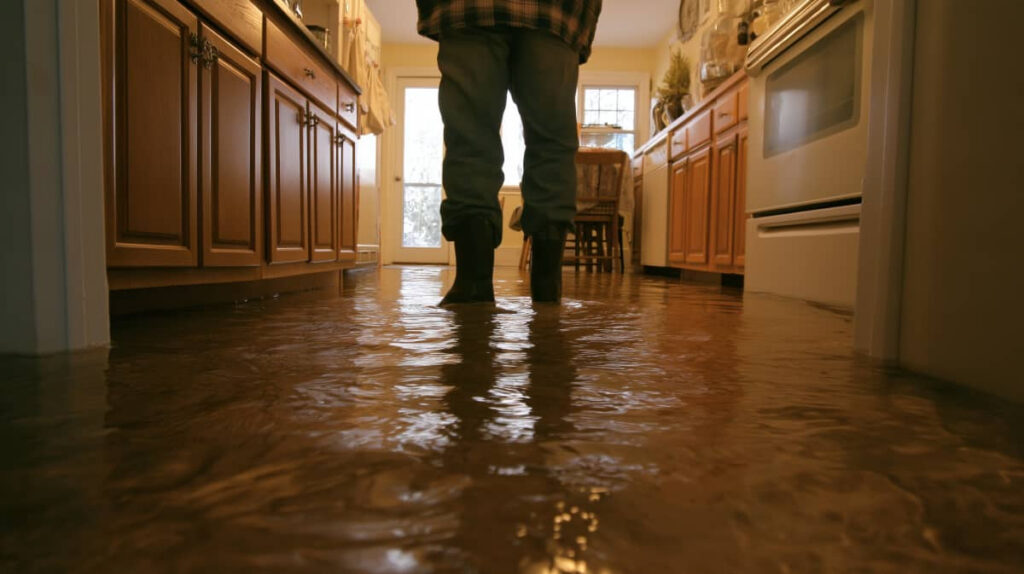
When you’ve experienced water damage in your home, understanding mold growth becomes vital. Mold thrives in damp environments, and its lifecycle can begin within 24 to 48 hours after water exposure.
For you, mastering moisture control is essential to prevent mold from establishing itself and spreading. Mold spores are always present in the air, but when moisture levels rise, they can germinate and reproduce rapidly.
By controlling humidity and promptly addressing leaks or spills, you can disrupt this lifecycle. Keep your indoor humidity below 60% by using dehumidifiers and ensuring proper ventilation.
Regular inspections of areas prone to moisture, like basements or bathrooms, will help you catch problems early. Understanding these factors enables you to take proactive steps to protect your home and loved ones from mold-related issues, fostering a safer and more comfortable living environment for everyone.
Assessing the Extent of Mold Infestation
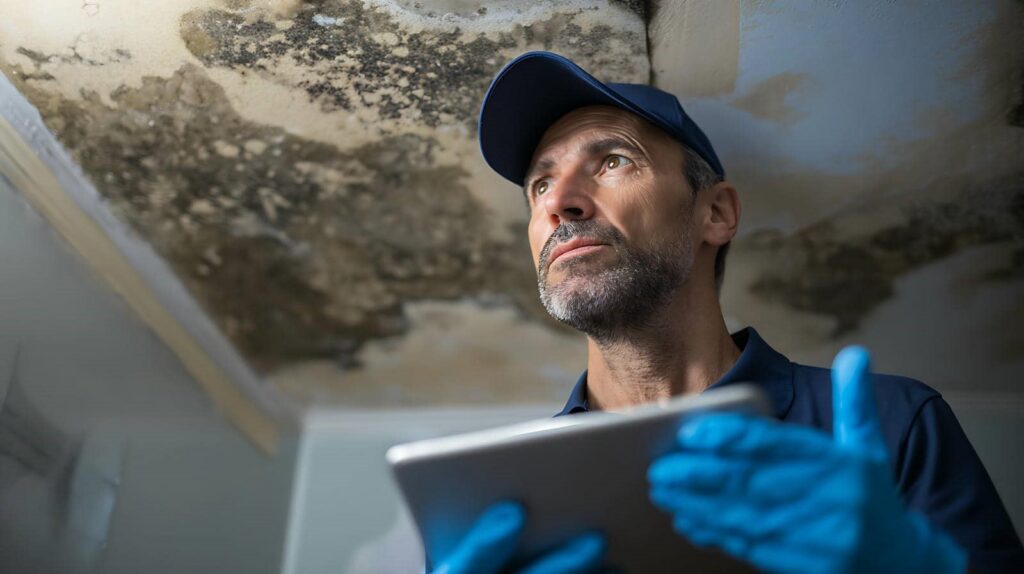
To effectively assess mold infestation, start by identifying visual signs such as discoloration, stains, or a musty odor.
Next, consider conducting air quality testing to measure spore levels and determine if they exceed safe thresholds.
Visual Signs of Mold
Mold infestation often reveals itself through distinct visual signs that can help you assess its extent.
Utilizing mold identification techniques is essential for effective remediation.
Look for these visual mold indicators:
Discoloration: Examine walls, ceilings, and floors for patches of green, black, or white, which can signal mold growth.
Water Damage: Check for stains or bubbling paint, as these often accompany mold presence, indicating moisture issues.
Musty Odors: While not strictly visual, a persistent musty smell often accompanies visible mold, suggesting hidden colonies.
Air Quality Testing
Understanding air quality testing is vital for accurately evaluating the extent of mold infestation in your environment. This process involves measuring mold spores present in the air, which can considerably affect your indoor air quality.
You’ll want to collect samples from various areas, especially where water damage occurred. Professional testing often uses specialized equipment to detect specific mold types and their concentrations.
Results provide insight into potential health risks and help determine necessary remediation steps. If high levels of mold spores are found, it’s essential to address the source and implement effective removal strategies.
Essential Safety Measures During Mold Removal
When you’re tackling mold removal, prioritizing safety is essential.
You’ll need to wear appropriate personal protective equipment (PPE) to shield yourself from harmful spores.
Additionally, ensure proper ventilation and airflow in the area to minimize exposure to airborne contaminants.
Personal Protective Equipment
Before you tackle mold removal, it’s crucial to equip yourself with the right personal protective equipment (PPE) to ensure your safety.
Adhering to safety guidelines protects you and fosters a sense of community among those tackling similar issues.
Here are three essential pieces of protective gear you should wear:
N95 Respirator Mask: This helps filter out harmful mold spores from the air you breathe.
Goggles: Protect your eyes from mold particles and cleaning agents.
Gloves: Use rubber or nitrile gloves to shield your skin from direct contact with mold and chemicals.
Ventilation and Airflow
Once you’ve donned your personal protective equipment, ensuring proper ventilation and airflow in the area is essential for effective mold removal.
Start by opening windows and doors to enhance air circulation, allowing fresh air to replace stale, contaminated air. Use fans to direct airflow, creating a cross-ventilation effect that helps disperse mold spores.
Dehumidifiers can also play a key role in moisture control, reducing humidity levels that contribute to mold growth. Regularly monitor the environment to maintain ideal conditions, ideally keeping humidity below 60%.
This proactive approach aids in removing existing mold and helps prevent future infestations, fostering a safer, healthier living space for you and your loved ones.
Step-by-Step Mold Removal Process
A thorough mold removal process consists of several critical steps that ensure effective eradication and prevention of future growth.
You’ll want to follow these essential steps carefully:
Identify and Contain: First, locate the mold source and contain the affected area to prevent spores from spreading. Use plastic sheeting to seal entry points.
Choose Mold Removal Techniques: Next, select appropriate mold removal techniques based on the severity. For minor infestations, DIY mold solutions, like vinegar or a baking soda mixture, can be effective.
For larger problems, consider using commercial mold removers.
- Clean and Dry: Finally, scrub the affected surfaces with your chosen solution, then thoroughly dry the area.
Dehumidifiers can help maintain low humidity levels, reducing the likelihood of future mold growth.
Preventing Future Mold Growth in Your Basement
To effectively prevent future mold growth in your basement, maintaining a dry and well-ventilated environment is essential. Start by evaluating and improving the air circulation; consider installing vents or using fans.
Implement humidity control measures by using dehumidifiers to keep moisture levels below 60%. This is important because mold thrives in damp conditions.
Additionally, opt for mold-resistant materials when renovating or repairing your basement. Use mold-resistant paint and drywall to create a barrier against potential infestations.
Regularly inspect plumbing for leaks and seal any cracks in walls and floors to minimize water intrusion.
Finally, make certain that gutters and downspouts direct water away from your foundation.
When to Seek Professional Mold Remediation Services
How can you tell when it’s time to call in the experts for mold remediation? Recognizing the signs early can save you from further complications. Here are three key indicators that you need a professional assessment:
Extensive Growth: If you notice mold covering more than 10 square feet, tackling it alone mightn’t be safe or effective.
Persistent Odor: A musty smell that lingers, even after cleaning, often signifies hidden mold that requires specialized attention.
Health Symptoms: If you or your family members experience unexplained respiratory issues, headaches, or skin irritations, it’s vital to consult professionals.
Ignoring these signs can exacerbate health risks and property damage.
Seeking mold remediation services ensures a thorough evaluation, effective removal, and helps prevent future mold growth.
You’re not alone in this; experts are ready to help you reclaim your space.
Frequently Asked Questions
Can I Remove Mold Without Using Harsh Chemicals?
Yes, you can remove mold without harsh chemicals. Use natural alternatives like vinegar or baking soda. Regular cleaning, proper ventilation, and keeping humidity low are key for effective mold prevention in your space.
How Long Does Mold Removal Typically Take?
Mold removal typically takes one to five days, depending on factors affecting duration like the extent of the infestation, accessibility, and environmental conditions. Your prompt action can greatly influence the overall mold removal timeline.
Will Bleach Effectively Kill All Types of Mold?
Bleach effectively kills many mold types on hard surfaces, but it can’t penetrate porous materials. It’s essential to remember that some molds can withstand bleach, so it’s best to use dedicated mold removal products for thorough effectiveness.
Can Mold Return After Removal if Not Prevented?
Yes, mold can return after removal if you don’t implement mold prevention strategies and moisture control techniques. Ensuring proper ventilation and reducing humidity are essential to keep your space mold-free and safe for everyone.
What Are the Health Effects of Mold Exposure?
Mold exposure can cause various health issues, including respiratory problems, skin irritation, and allergic reactions. To avoid mold symptoms, it’s essential you implement effective mold prevention strategies in your environment, ensuring a healthier living space.
Recap
Tackling mold after basement water damage is like maneuvering through a maze—each turn requires careful consideration and action. By evaluating the infestation, prioritizing safety, and following a structured removal process, you can reclaim your space. Implement moisture control measures to keep your basement dry and mold-free. If the problem escalates, don’t hesitate to call in professionals. With diligence and the right approach, you’ll ensure a healthy environment for you and your family.