

Contents
You may think a little water can wait, but delays can let damage spread quickly. Emergency water cleanup starts when you act right away, stopping moisture from soaking deeper into drywall, flooring, and framing while limiting swelling, staining, and mold growth. Emergency cleanup can also help protect furniture and reduce repair costs.
Key Takeaways
- Immediate cleanup stops water from spreading and causing wider damage.
- Fast drying reduces swelling, staining, mold, and hidden material deterioration.
- Prompt removal protects furniture, electronics, and other valuable belongings.
- Quick mitigation lowers the chance of structural problems and costly repairs.
- Acting within hours improves recovery, cleanup results, and insurance documentation.
What to Do First After Water Damage
First, stop the water source if you can do it safely, then cut power to the affected area and move people and valuables out of harm’s way.
Take these initial safety precautions before you step back and assess the scene. You’ll want to inspect ceilings, walls, floors, and hidden spaces for active leaks, swelling, or contamination.
If the water came from a clean source, note that; if it’s sewage or floodwater, keep out and call professionals.
During your water damage assessment, photograph what you see and record what’s wet, so your team can respond fast and stay coordinated.
Wear protective gear, avoid slippery surfaces, and don’t use damaged outlets or appliances.
You’re not alone here—act quickly, stay focused, and protect your space.
Stop Water Damage From Spreading Fast
Once the area is safe, you need to stop the spread right away by limiting water flow and isolating the affected zone.
Shut off the main supply, close valves, and block doors with towels to contain water damage. Move wet items only if you can do it without pushing moisture into dry rooms.
Use fans and dehumidifiers to create airflow, but keep them focused on the impacted space. Remove small pools with mops or a wet vacuum, and check baseboards, corners, and nearby thresholds for seepage.
These prevention measures help you act like a team with a clear plan, not a panic.
If the source keeps leaking, call a professional immediately so you can keep the situation controlled and stay protected together.
How Cleanup Protects Your Property
Cleanup protects your property by limiting how long water can keep soaking into building materials, finishes, and contents. You reduce swelling, staining, and hidden deterioration when you act fast. That means stronger property preservation and tighter moisture control, which helps your home stay stable and your space feel like yours again.
- You cut the risk of trapped dampness in walls, flooring, and trim.
- You protect furniture, electronics, and personal items from lasting loss.
- You keep minor exposure from becoming a structural problem.
When you move quickly, you’re not alone—you’re taking the same urgent step smart property owners take to safeguard value.
Prompt cleanup gives you a better chance to keep repairs smaller, protect comfort, and restore confidence before damage spreads further.
What Happens During Water Mitigation
Water mitigation starts by stopping the source of the water, then quickly removing standing water before it spreads deeper into floors, walls, and contents.
You’ll see crews use water extraction equipment to pull moisture from carpets, subfloors, and hard surfaces fast.
Next, they perform a moisture assessment with meters and thermal tools to find hidden dampness behind drywall and under trim.
This step matters because trapped water can weaken materials and create unsafe conditions.
You’re not facing this alone; the process follows a clear plan that protects your home and helps your space recover.
After extraction, technicians monitor drying progress and adjust airflow so every affected area dries evenly, reducing further damage and helping your property feel like yours again.
When to Call for Water Cleanup
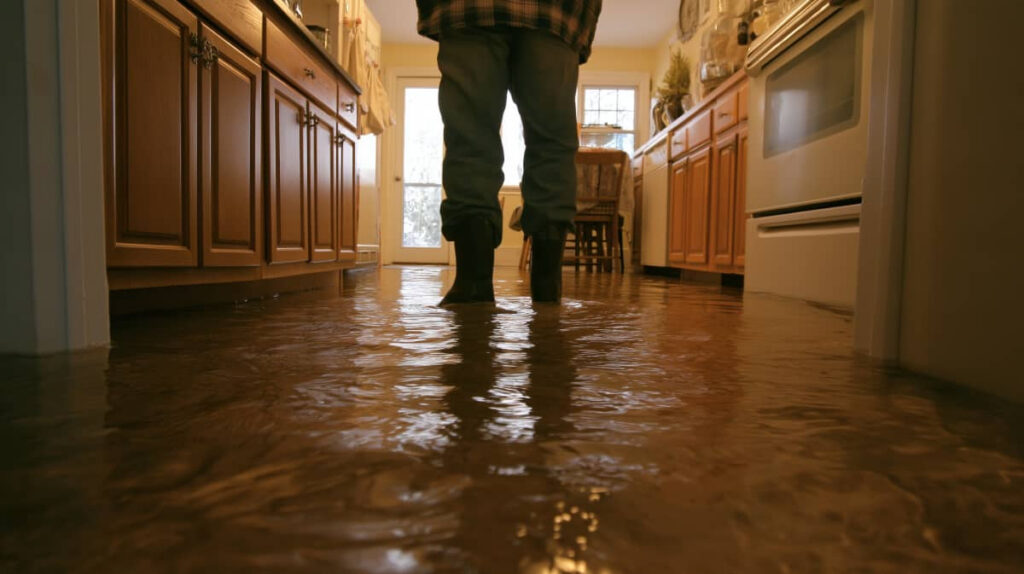
If you notice standing water, soaked carpets, a musty odor, or damp walls and baseboards, you should call for water cleanup right away. You’re likely facing active water sources, hidden saturation, and fast-moving structural risk.
Call immediately after storms, pipe bursts, appliance leaks, sewer backups, or any event that spreads moisture beyond one room. Rapid damage assessment helps you protect your home, limit mold growth, and reduce repair costs.
- Inspect the source, then shut off water if it’s safe.
- Document affected areas for insurance and restoration teams.
- Act within hours, not days, to preserve materials and comfort.
You don’t have to handle this alone. A trained crew can stabilize conditions, verify dryness, and guide your next steps with confidence and care.
Frequently Asked Questions
How Quickly Can Mold Start Growing After Water Damage?
Mold growth can start within 24 to 48 hours after water damage, so you’ve got to act fast. Dry materials quickly, keep air moving, and you’ll reduce risk while protecting your home and community.
Does Homeowners Insurance Cover Emergency Water Cleanup?
Usually, yes—your homeowners policy can cover emergency water cleanup after sudden water damage. But check your policy and file insurance claims fast; you’re not alone, and prompt action helps protect your home and peace.
Can Contaminated Water Cause Health Problems?
Yes, contaminated water can cause health problems. You’re exposed to waterborne pathogens, bacteria, and toxins that increase health risks fast. You can protect your household by acting quickly, staying cautious, and getting professional cleanup support.
How Long Does the Drying Process Usually Take?
Drying usually takes 2–5 days, depending on moisture levels and drying techniques. You’ll see faster results with strong airflow, dehumidifiers, and steady monitoring. Don’t worry—you’re not alone, and we’ll help restore your space.
Can Carpets and Drywall Be Saved After Flooding?
Yes, you can often save carpets and drywall if you act fast. You’ll need prompt carpet restoration and, if saturation lingers, drywall replacement. You’re not alone—quick drying and cleanup can protect your space.
Summary
When water hits, you can’t afford to wait a second. Shut off the source, protect your belongings, and start cleanup fast before damage snowballs into a full-blown disaster. Quick mitigation can save your floors, walls, and valuables from swelling, staining, and mold that can spread like wildfire. If the water’s already moved beyond a small spill, call a pro immediately. Fast action today can stop a tiny problem from turning into a house-sized nightmare.