

Contents
Sewage backups pose significant health risks and costly damage. When faced with such a situation, it is vital to approach cleanup systematically to mitigate these risks effectively. Understanding the best practices for managing this type of emergency can make all the difference in protecting your home and health. Let’s explore three important tips that can guide you through a successful sewage backup cleanup.
Key Takeaways
- Prioritize personal safety by wearing protective gear, including gloves, goggles, and masks, to avoid health risks during cleanup.
- Conduct a thorough damage assessment, documenting affected areas and materials for insurance claims.
- Remove contaminated materials promptly and dispose of them according to local regulations to prevent health hazards.
- Use heavy-duty disinfectants and cleaning techniques to thoroughly sanitize affected areas and eliminate lingering odors.
- Consider consulting professionals for effective cleanup and restoration, especially for hidden damage and navigating insurance claims.
Assess the Damage
When you face a sewage backup, it’s essential to assess the damage before starting any cleanup.
Begin by identifying affected areas; look for signs of water intrusion, discoloration, or odor. A thorough damage assessment helps you understand the extent of the problem and prioritize your cleanup strategies.
Take note of any contaminated materials, including carpets, drywall, and furniture, as these may require removal or specialized cleaning.
Document the damage with photos for insurance claims and keep records of any affected items. This step aids recovery and fosters a sense of community support as you navigate this challenging situation.
Once you’ve completed the assessment, develop a structured plan to tackle the cleanup, focusing on areas with the most significant damage first.
Ensure Personal Safety
Before diving into cleanup efforts, it’s essential to ensure your personal safety. Start by equipping yourself with appropriate safety gear. This includes gloves, goggles, and masks designed for hazardous materials. Proper personal protective equipment (PPE) minimizes your exposure to harmful pathogens and chemicals often found in sewage.
Ensure that your clothing is durable and covers as much skin as possible. Consider waterproof boots to prevent contact with contaminated water. If the sewage backup is extensive, it’s wise to wear a full-body suit, which adds an extra layer of protection.
Don’t forget to ventilate the area before starting your work. Open windows and doors to allow fresh air circulation, reducing airborne contaminants. If the smell is overwhelming, consider using fans to help disperse any odors.
Gather Necessary Supplies
Gathering the right supplies is essential for an effective sewage backup cleanup. Start by collecting appropriate cleaning supplies, like heavy-duty disinfectants, degreasers, and absorbent materials. These products help eliminate harmful bacteria and odors, ensuring a safe environment for you and your loved ones.
Next, don’t overlook protective gear. Invest in rubber gloves, waterproof boots, and a mask to shield yourself from contaminants. These items are crucial for your health and safety during the cleanup process.
Having everything you need on hand will streamline your efforts and help you tackle the job with confidence.
As you gather these supplies, remember that you’re not just protecting yourself; you’re also creating a safe space for family and friends. By being prepared, you’ll foster a sense of belonging and community as you restore your home after a sewage backup.
Remove Contaminated Materials
Once you’ve gathered your supplies, it’s essential to identify the areas affected by the sewage backup.
Carefully inspect and assess which materials, such as carpets or drywall, need removal due to contamination.
Make sure you dispose of these materials properly and safely to prevent further health risks.
Identify Affected Areas
When dealing with a sewage backup, it’s crucial to quickly identify affected areas to minimize health risks. Start with sewage detection methods, like visual inspections or using specialized equipment, to locate contaminated zones in your home.
Once identified, conduct a thorough damage assessment to determine which materials are affected. Look for wet or discolored drywall, carpeting, and furniture, as these items can harbor harmful pathogens.
If you find any compromised materials, remove them promptly to prevent further contamination and safeguard your health. Don’t forget to document the damage for insurance purposes, as this can help you in the recovery process.
Prioritizing swift action ensures a safer environment for you and your loved ones during this challenging time.
Dispose Properly and Safely
As you begin the cleanup process, it’s essential to dispose of contaminated materials properly and safely to prevent health hazards.
Start by identifying all items that came into contact with sewage, including carpets, insulation, and furniture. These materials are considered hazardous waste and must be handled with care.
Use protective gear like gloves and masks during removal. For eco-friendly disposal, check local regulations regarding hazardous waste management; many communities offer specific drop-off sites or special collection days.
Don’t attempt to burn or discard these materials in regular trash, as this can pose significant environmental risks.
Clean and Disinfect Affected Areas
Start by thoroughly cleaning and disinfecting any areas affected by sewage backup to prevent health hazards and further damage.
Use effective cleaning techniques, such as scrubbing surfaces with a mixture of warm water and a suitable detergent to remove dirt and contaminants.
After cleaning, select disinfectant products that are specifically formulated for sewage cleanup, ensuring they can eliminate harmful pathogens.
Apply these products generously, following the manufacturer’s instructions for dwell time to maximize effectiveness.
Pay special attention to porous materials, as they may require replacement if they’ve absorbed sewage.
Make sure to wear protective gear, including gloves and masks, to safeguard yourself during the cleaning process.
Once you’ve cleaned and disinfected the area, properly ventilate the space to help reduce lingering odors and moisture.
This thorough approach keeps your home safe while fostering a sense of community by prioritizing health and hygiene for everyone involved.
Dry Out the Space
To effectively prevent mold growth and further damage, you’ll need to dry out the space as quickly as possible after a sewage backup.
Start by employing dehumidification techniques, such as using commercial-grade dehumidifiers to extract moisture from the air. Set these devices to run continuously until humidity levels drop to a safe range.
In addition to dehumidifiers, implement effective ventilation strategies. Open windows and doors to create airflow, or use fans to circulate air throughout the affected area. This helps to expedite the drying process and reduces the risk of mold spores settling.
Monitor the progress regularly, checking for any persistent dampness. If the space remains humid, adjust your dehumidification and ventilation efforts accordingly.
Taking these steps will help you regain a safe environment and foster a sense of belonging as you restore your space to its original condition.
Inspect for Structural Damage
After drying out the area, you need to inspect for structural damage.
Look for any cracks in walls or foundations, as these can indicate serious issues.
Additionally, assess any water damage to materials like wood and drywall, which may compromise the integrity of your space.
Check for Cracks
While addressing a sewage backup, it’s important to inspect for cracks and other signs of structural damage in your property.
Start with crack detection around walls, floors, and the foundation. Small fissures can indicate larger issues that may compromise your home’s integrity.
Conduct a thorough foundation inspection, looking for shifting or settling that could worsen over time. Pay attention to gaps where walls meet ceilings, as these can signal deeper structural problems.
If you find significant cracks or deformities, it might be wise to consult a professional for further evaluation.
Assess Water Damage
As you assess water damage from a sewage backup, it’s crucial to evaluate the visible effects and the potential structural implications.
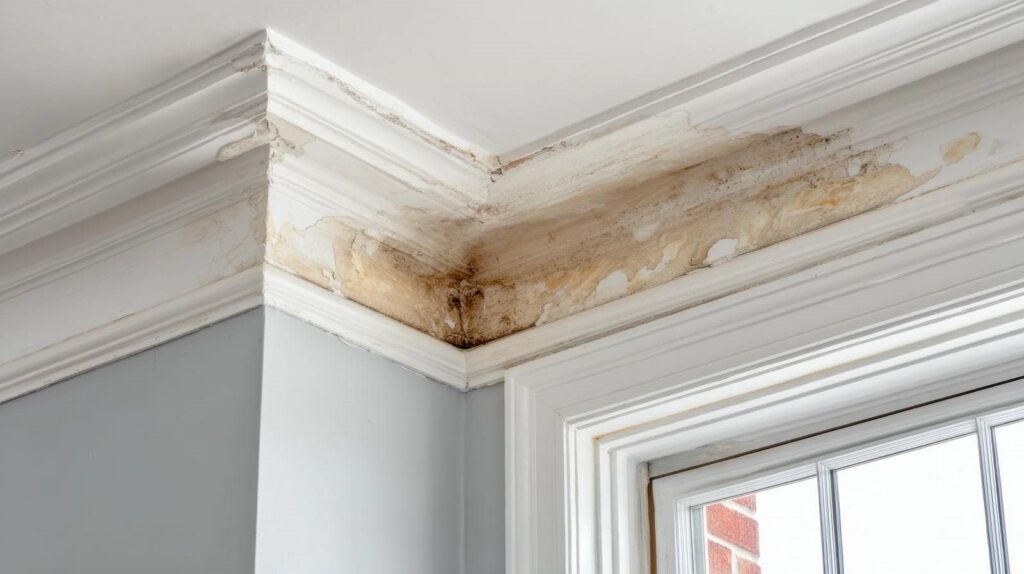
Begin by identifying the water source; understanding where the contamination originated helps in your damage assessment. Inspect walls, ceilings, and floors for signs of warping, discoloration, or mold growth.
Look for cracks or soft spots that may indicate deeper structural issues. Pay particular attention to areas around plumbing fixtures, as these are often the first places to show damage.
If you notice significant deterioration, consider consulting a professional to ensure safety and proper remediation. Addressing hidden damage promptly can prevent further complications and restore your space effectively.
Restore Utilities and Services
Restoring utilities and services is an essential step following a sewage backup cleanup.
Once you’ve removed contaminants and dried out the affected areas, focus on utility restoration to ensure your home returns to normal. Start by contacting your utility providers to assess any damage to your water, electricity, and gas lines. They’ll guide you through the necessary steps for service continuity.
While waiting for professionals, avoid using any affected appliances or fixtures to prevent further damage.
Once utilities are restored, it’s vital to test all systems for functionality. Check for leaks, proper drainage, and electrical integrity. If you notice any issues, report them immediately to your service providers.
Prevent Future Sewage Backups
To prevent future sewage backups, it’s crucial to maintain your plumbing system and be proactive about potential issues.
Start with regular plumbing inspections to identify any weaknesses or blockages in your pipes. Catching problems early can save you from costly repairs and unpleasant situations.
Implementing sewer maintenance tips, like avoiding flushing inappropriate items and using enzyme cleaners, can greatly reduce the risk of clogs.
Also, keep an eye on your landscaping; tree roots can invade sewer lines, leading to serious backups.
Consider installing a backflow valve to protect your home from unwanted sewage intrusion.
By taking these steps, you enhance your plumbing’s reliability and create a safer, more comfortable living environment.
Remember, a little effort in maintenance today can save you from major headaches tomorrow.
Stay informed, and you’ll foster a strong connection to your home’s well-being.
Consult With Professionals if Needed
When dealing with a sewage backup, seeking expert guidance is essential for effective cleanup and restoration.
Professionals understand the health and safety risks involved, ensuring that hazardous materials are handled properly.
Don’t hesitate to consult with specialists to protect your home and health.
Importance of Expert Guidance
Although some homeowners might feel confident tackling a sewage backup on their own, consulting with professionals is crucial due to the health risks and complexities involved.
Seeking expert advice can make a significant difference in your cleanup efforts. Here are some reasons to rely on professional services:
Specialized Equipment: Professionals use advanced tools that ensure thorough cleanup.
Safety Protocols: They follow strict safety guidelines to minimize health risks.
Expert Knowledge: Their experience helps identify all potential hazards and underlying issues.
Insurance Assistance: Professionals can help navigate insurance claims for damages.
Health and Safety Considerations
Addressing a sewage backup requires careful consideration of health and safety risks, especially since exposure to contaminated water can lead to serious illnesses.
You need to be aware of various health hazards, including bacteria and viruses present in sewage. Always prioritize your safety by wearing appropriate safety gear, such as gloves, masks, and protective eyewear. This gear minimizes your risk of infection and protects your skin from harmful substances.
If the situation seems overwhelming or if you’re unsure about the cleanup process, don’t hesitate to consult with professionals who specialize in sewage removal. They’ve the expertise and equipment necessary to handle hazardous materials safely and effectively, ensuring your health and safety come first during this challenging time.
Frequently Asked Questions
How Do I Identify the Source of the Sewage Backup?
You can identify the sewage backup source by using sewage inspection techniques, like camera inspections, and checking for plumbing issues such as blockages or pipe damage. These methods help pinpoint problems quickly and effectively.
Can I Use Bleach to Disinfect Sewage-Affected Areas?
You shouldn’t use bleach for disinfecting sewage-affected areas; its effectiveness is limited against certain pathogens. Instead, opt for specialized disinfection methods designed for sewage cleanup, ensuring thorough sanitation and safety in your environment.
What Health Risks Are Associated With Sewage Exposure?
Sewage exposure poses serious health risks, including infections, gastrointestinal illnesses, and respiratory issues. To protect yourself, follow health precautions, like wearing gloves and masks, and avoid contact with sewage pathogens to minimize potential harm.
How Long Does It Take to Completely Dry Out the Area?
It typically takes 3 to 5 days to completely dry out the area using effective drying methods. Utilize moisture detection tools to monitor progress, ensuring thorough drying and preventing mold growth that could affect your health.
Are There Insurance Claims Available for Sewage Backup Damage?
Yes, there are insurance claims available for sewage backup damage. You’ll need to understand your insurance coverage and navigate the claims process carefully to ensure you receive the support you deserve during this challenging time.
Recap
In sewage backup cleanup, think of yourself as a ship captain steering through a storm. Your first priority is ensuring your crew—your loved ones—are safe. Once safety’s secured, assess the damage and chart your course for recovery. Just as a captain relies on skilled navigators, don’t hesitate to call in professionals if the waters get too rough. By taking these steps, you can guide your home back to safe shores and prevent future disasters from sinking your ship.