

Contents
Mold can start growing within 24 to 48 hours after water damage, often in hidden spaces that you might overlook. To effectively tackle this issue, you need a systematic approach. Ignoring the problem can lead to serious health risks and structural damage. In the following sections, you’ll discover essential strategies for mold removal that can help you restore a safe environment in your home.
Key Takeaways
- Conduct a thorough water damage evaluation to identify affected areas and signs of mold growth before starting the cleanup.
- Wear protective gear, including an N95 mask, gloves, and goggles, to safeguard against mold spores during removal.
- Promptly remove and dispose of any water-damaged materials, such as carpets and drywall, sealing them in plastic bags.
- Use EPA-approved cleaning agents to disinfect surfaces, ensuring thorough application and adequate ventilation during the process.
- Maintain indoor humidity levels between 30% and 60% and address leaks immediately to prevent future mold growth.
Assess the Extent of Water Damage
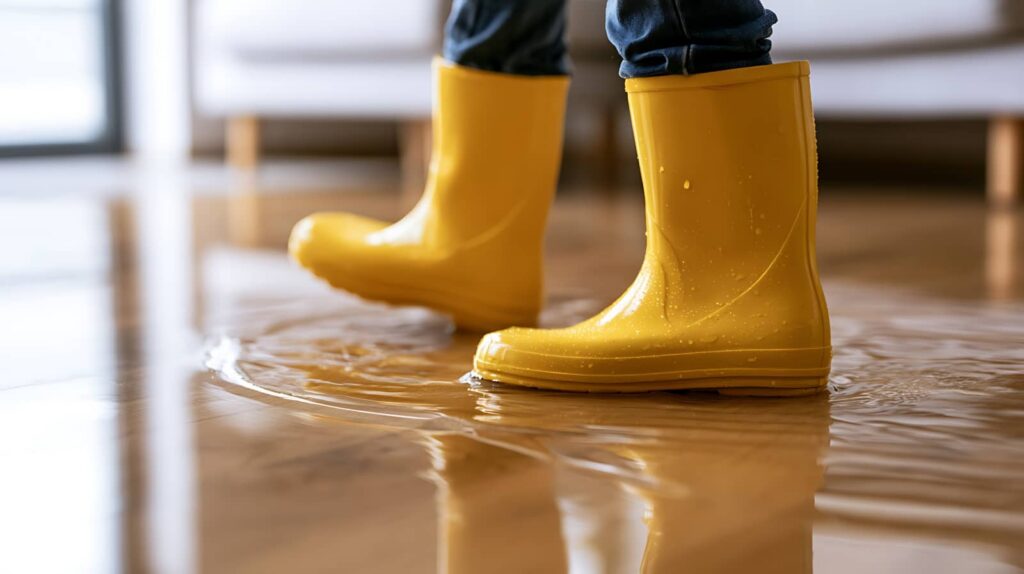
Before you can effectively tackle mold removal, you need to evaluate the extent of water damage in your space. Start with a thorough water damage evaluation to identify affected areas.
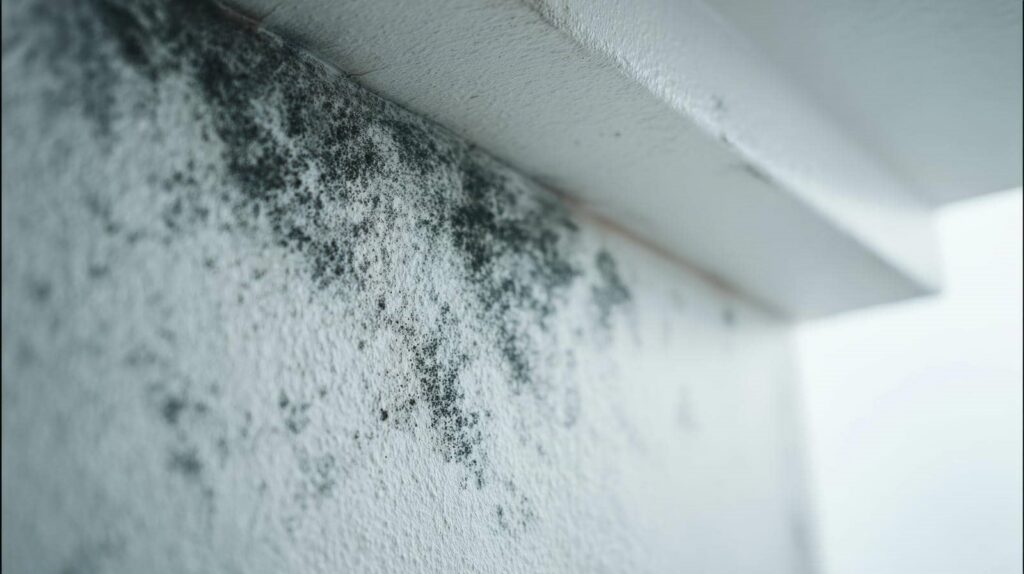
Look for mold growth indicators, such as discoloration, a musty odor, or visible mold on surfaces. These signs can help you determine how far the damage has spread.
Check behind walls, under carpets, and in hidden corners, as mold often thrives in damp, concealed spaces.
Don’t overlook the ceiling and attic, especially if leaks occurred from above.
Document your findings systematically; this will guide your cleanup strategy and help you communicate any necessary actions to professionals if needed.
Use Protective Gear During Cleanup
Using protective gear during cleanup is essential to secure your safety while dealing with mold.
Mold spores can pose serious health risks, so you need to equip yourself properly.
Here’s a list of essential safety equipment you should wear:
N95 respirator mask: This filters out harmful spores and secures you breathe safely.
Protective clothing: Wear long sleeves and pants to shield your skin from exposure.
Gloves: Use rubber or nitrile gloves to protect your hands from irritants.
Goggles: Protect your eyes from mold spores and cleaning agents.
Remove Affected Materials Promptly
After ensuring you’re properly equipped with protective gear, it’s time to address the affected materials.
Prompt removal of items like carpets, drywall, and insulation that have experienced water damage is essential to prevent mold growth. Mold can develop within 24 to 48 hours, so acting quickly minimizes health risks and further damage.
Carefully assess the affected areas, identifying materials that can’t be salvaged. If you notice visible mold or a musty odor, it’s a clear sign that removal is necessary.
Use a utility knife for drywall and appropriate tools for other materials, ensuring you seal them in plastic bags to avoid spreading spores.
Dispose of these items responsibly, following local regulations. By removing affected materials promptly, you’re protecting your home and fostering a safer environment for yourself and others.
Clean and Disinfect Surfaces Thoroughly
Once you’ve removed the affected materials, it’s vital to clean and disinfect all surfaces thoroughly to eliminate any remaining mold spores and prevent future growth.
Using appropriate cleaning agents and effective disinfecting techniques is fundamental in this process. Here are some steps to ensure a thorough clean:
Choose effective cleaning agents: Look for EPA-approved products specifically designed for mold removal.
Use proper disinfecting techniques: Apply disinfectants according to the manufacturer’s instructions, ensuring adequate contact time.
Focus on all surfaces: Pay special attention to porous materials, as they can harbor spores.
Ventilate the area: Open windows and use fans to circulate air, helping to dry surfaces and reduce humidity.
Prevent Future Mold Growth
To effectively prevent future mold growth, it’s essential to maintain ideal indoor humidity levels and promptly address any water leaks or spills. Aim to keep humidity between 30% and 60%. Use a dehumidifier if necessary to manage excess moisture, especially in basements and bathrooms.
Incorporating mold resistant materials in your home can notably reduce the chances of growth. Consider using mold-resistant drywall, paints, and insulation, particularly in areas prone to dampness.
Regularly inspect plumbing and roofs for leaks, and repair any issues immediately to avoid water accumulation.
Ventilation is vital; make sure your home is well-ventilated, particularly in moisture-prone areas. Install exhaust fans in kitchens and bathrooms to enhance air circulation.
Frequently Asked Questions
How Long Does It Take for Mold to Start Growing After Water Damage?
Mold can start growing within 24 to 48 hours after water damage. To prevent this, ensure quick drying and proper ventilation. Understanding the mold growth timeline is essential for effective water damage prevention strategies.
Can I Use Bleach to Kill Mold Effectively?
Bleach isn’t always effective against mold; it only kills surface spores, not roots. For thorough mold growth removal, consider using specialized products designed for deeper penetration and effectiveness.
What Type of Mold Is Most Dangerous to Health?
Toxic molds like stachybotrys and aspergillus pose significant health risks, including respiratory issues and allergic reactions. You should identify and address these molds quickly to protect yourself and your loved ones from potential harm.
Is It Safe to Stay in My Home During Mold Removal?
It’s generally not safe to stay in your home during mold removal, as mold safety is essential. Exposure can worsen your home environment and health, so consider relocating temporarily until the area is properly treated and cleared.
Should I Hire a Professional or Do It Myself?
Hiring a professional is often safer; studies show DIY techniques can miss mold. While you might save money, professional services ensure thorough removal, reducing health risks and providing peace of mind for you and your family.
Wrap-Up
In the battle against mold, think of yourself as a vigilant gardener. Just as you’d prune away dead branches to nourish the thriving plants beneath, you must remove contaminated materials and meticulously clean your environment to foster a healthier space. Equip yourself with protective gear, assess the damage like a careful scout, and implement preventive measures to cultivate a mold-free sanctuary. By taking these steps, you’ll ensure your home flourishes, free from the shadows of water damage.