

Contents
When a client faced extensive flood damage in their home, the first step was a thorough assessment to document the destruction. Without this vital foundation, restoration efforts can falter. You need to act quickly, ensuring that every detail is noted and all water is removed efficiently. How you approach these initial steps can greatly impact the outcome of the restoration process and prevent future complications. Let’s explore the essential tips for effective flood damage restoration.
Key Takeaways
- Assess and document all damage thoroughly, including structural integrity and personal property, using checklists and visual evidence for insurance claims.
- Engage with your community for support and shared resources during the recovery process, fostering connections for future assistance.
- Remove water swiftly using high-capacity pumps and dehumidifiers to prevent mold growth and further damage to porous materials.
- Restore affected areas by replacing damaged materials, cleaning thoroughly, and applying sealants to protect against future moisture intrusion.
- Keep meticulous records of all recovery efforts, repairs, and ongoing issues to facilitate communication with insurance companies and contractors.
Assess and Document the Damage Immediately
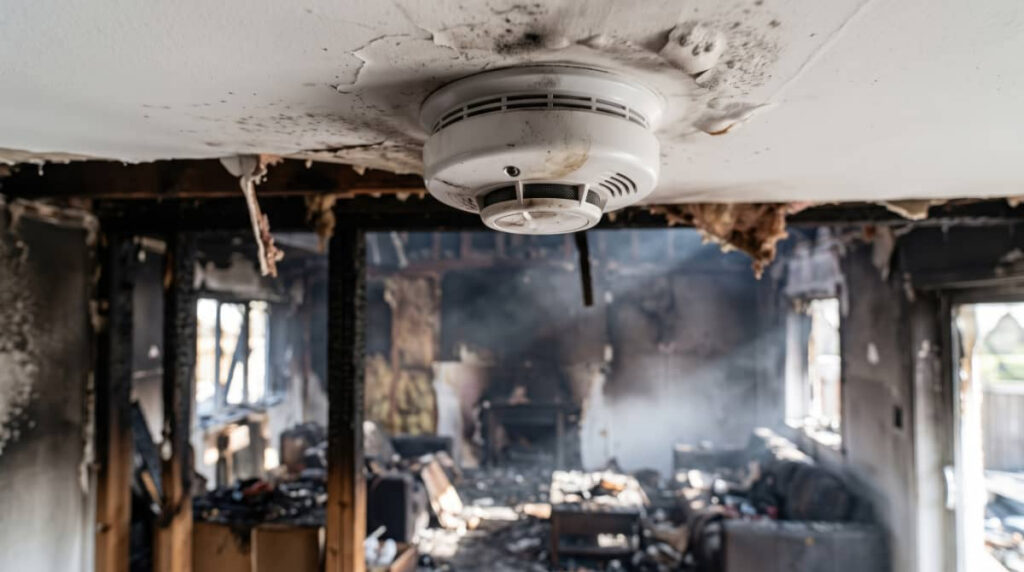
As soon as it’s safe to enter the affected area, you should begin evaluating and documenting the damage. Start with a thorough damage evaluation, focusing on structural integrity, electrical systems, and personal property. Use a checklist to ensure you don’t overlook any details.
Document everything meticulously; photographs and videos serve as essential evidence for insurance claims and restoration efforts.
While evaluating, note the extent of water intrusion and identify hazardous materials that may require special handling. Record the date and time of your evaluation, as well as any observations related to the damage’s progression.
Consistency in your documentation process is crucial, as it provides a clear narrative of the damage over time.
Engaging with others during this process fosters a sense of community, so consider collaborating with neighbors or professionals who can offer insights and support.
Your thorough documentation will greatly aid in recovery efforts.
Remove Water and Moisture Promptly
After documenting the damage, the next step is to remove water and moisture promptly to prevent further deterioration and mold growth.
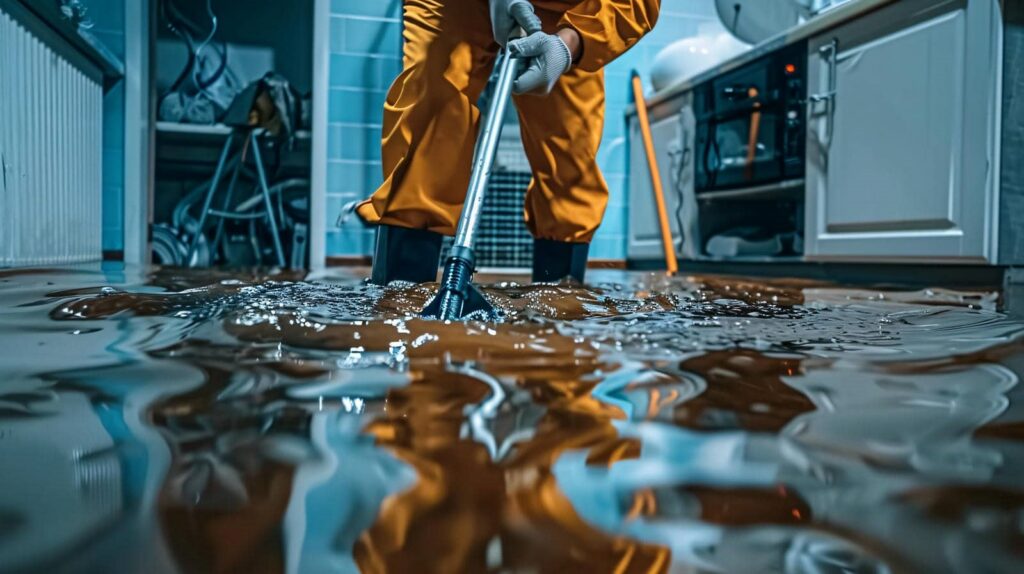
Start with water extraction using a high-capacity pump or wet/dry vacuum to eliminate standing water. Don’t forget to check hidden areas like basements or crawl spaces where water can accumulate.
Once you’ve removed the bulk of the water, focus on moisture control. Dehumidifiers and fans are essential for drying out the affected areas thoroughly.
Verify you monitor humidity levels with a hygrometer; they should remain below 60% to inhibit mold growth. Open windows and doors if weather permits to improve airflow.
Pay attention to porous materials like carpets and drywall, which may require special treatment or replacement.
Restore and Repair Affected Areas Thoroughly
Once you’ve effectively removed water and moisture, it’s crucial to restore and repair the affected areas thoroughly to prevent long-term damage.
Begin by inspecting structural elements like walls, floors, and ceilings for hidden moisture or mold growth. Use a moisture meter to verify everything is completely dry before proceeding. For flood repair, replace any severely damaged materials, such as drywall or insulation, as they can harbor bacteria and fungi.
Next, treat the areas with appropriate cleaning solutions to eliminate contaminants. Confirm that you’re using products designed for area restoration, as they’ll be more effective in mitigating health risks.
After cleaning, consider applying a sealant to protect against future moisture intrusion. Finally, repaint or refinish surfaces to restore the area’s aesthetic appeal.
Frequently Asked Questions
How Long Does Flood Damage Restoration Typically Take?
Flood damage restoration typically takes several days to weeks, depending on the severity. The restoration timeline includes a thorough drying process, which can greatly impact the overall duration, ensuring your space returns to normal efficiently.
Can I File an Insurance Claim for Flood Damage?
Yes, you can file an insurance claim for flood damage if you have flood insurance. Understand the claims process, gather documentation, and provide necessary evidence to ensure a smooth and successful claim submission.
What Safety Precautions Should I Take During Restoration?
During restoration, wear safety gear like gloves and boots. Make certain you disconnect power to avoid electrical hazards. Use a flashlight instead of candles and keep a first aid kit handy for emergencies. Stay vigilant and safe.
Are There Specific Professionals for Flood Damage Restoration?
Sure, you could try to fix the flood damage yourself, but why not call in the flood restoration specialists? Water damage experts have the training and tools to ensure your home’s safe and properly restored.
How Can I Prevent Future Flood Damage?
To prevent future flood damage, implement flood proofing techniques like elevating your property and installing drainage solutions. Regularly maintain gutters and downspouts, ensuring they direct water away from your home for added protection.
Conclusion
In flood damage restoration, quick action is as vital as a first responder at the scene of an accident. By evaluating and documenting the damage immediately, removing water promptly, and thoroughly restoring affected areas, you can minimize long-term issues and costs. Remember, each step you take is a building block toward a safe and dry environment. Stay organized and keep detailed records to streamline communication with insurance and contractors, ensuring a smoother recovery process.