

Contents
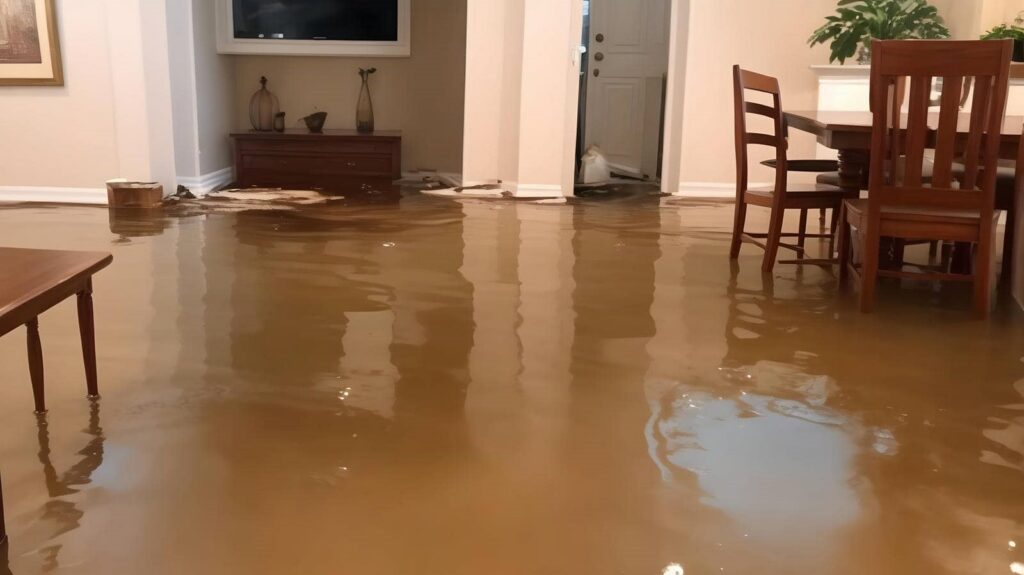
Floodwaters can be deceptive, leaving behind a hidden enemy: moisture. If you don’t act quickly, this lingering dampness can lead to mold growth and structural damage. Effective dehumidification is essential to restore your home and protect your health. Understanding the importance of swift action and the right techniques can make all the difference in your recovery process. What steps should you take to ensure a thorough and lasting solution?
Key Takeaways
- Effective dehumidification prevents mold growth, safeguarding health and enhancing recovery speed after flood damage.
- It mitigates structural damage by reducing moisture levels and ensuring the integrity of building materials.
- Professional dehumidification services provide expertise and specialized equipment for thorough moisture removal.
- Consistent monitoring of humidity levels ensures a safe indoor environment, reducing health risks associated with excess moisture.
- Proper dehumidification fosters a comfortable living space, reinforcing the commitment to a safe home post-flood.
Importance of Prompt Dehumidification in Flood Recovery
When you experience flood damage, prompt dehumidification is crucial for preventing further complications. Flood moisture can rapidly lead to mold growth, structural damage, and health risks, which can complicate your recovery timeline. By immediately addressing humidity levels, you greatly reduce the potential for these issues to arise.
To effectively manage flood moisture, it’s imperative to assess the affected areas and initiate dehumidification as soon as possible. This action helps mitigate damage and fosters a healthier environment as you navigate your recovery.
The longer you wait, the more challenging the situation becomes, lengthening your recovery timeline. Incorporating effective dehumidification strategies early on allows you to regain control over your space and promotes a sense of belonging.
You’re taking important steps to ensure your home remains safe and comfortable, reinforcing your commitment to a successful recovery after flood damage.
Techniques for Effective Dehumidification
Effective dehumidification requires a strategic approach tailored to the specific conditions of your space. Start by evaluating the humidity levels and identifying moisture sources.
You can use several dehumidification methods, such as refrigerant dehumidifiers, which cool the air to condense moisture, or desiccant dehumidifiers that absorb humidity through chemical processes.
Ensure proper airflow by positioning fans to circulate air, aiding in humidity control. Additionally, consider utilizing air conditioning units, as they also help reduce humidity while cooling your environment.
For more extensive damage, industrial dehumidifiers may be necessary, as they efficiently handle large volumes of moisture.
Always monitor humidity levels with a hygrometer, adjusting your methods as needed to maintain ideal conditions.
Benefits of Professional Dehumidification Services
While you may consider tackling dehumidification on your own, opting for professional services can greatly enhance the efficiency and effectiveness of the process.
Professionals bring specialized equipment and expertise to ensure thorough moisture removal, significantly reducing the risk of mold growth. Mold prevention is vital, as it can lead to health issues and further property damage if not addressed promptly.
Additionally, professionals assess and monitor air quality throughout the dehumidification process. They understand the specific humidity levels needed to restore a safe environment, ensuring that your indoor air remains healthy and breathable.
With their experience, they can quickly identify potential problem areas that you might overlook, preventing future complications.
Common Mistakes in DIY Dehumidification
Many homeowners underestimate the complexities involved in DIY dehumidification, leading to common mistakes that can hinder the process.
One significant error is overlooking mold growth. If you don’t adequately address moisture levels, mold can thrive, posing health risks and damaging your home. It’s essential to monitor humidity levels consistently throughout the dehumidification process.
Another common mistake is improper ventilation. Without sufficient airflow, moisture can linger in corners and hidden spaces, making it harder to achieve effective results. Confirm that you’re using fans and opening windows when safe to do so.
Additionally, some homeowners underestimate the importance of choosing the right dehumidifier for the size of their space. Using an undersized unit may prolong the drying process.
Long-Term Effects of Insufficient Dehumidification
When you neglect proper dehumidification after flood damage, the consequences can be severe and long-lasting. Insufficient dehumidification creates an environment where moisture thrives, leading to significant issues that affect your property and health.
Here are some long-term effects you might face:
Mold growth: It can proliferate quickly, causing health problems and unpleasant odors.
Structural damage: Excess moisture can weaken building materials, compromising structural integrity.
Increased repair costs: Long-term damage often results in more expensive repairs than addressing issues early on.
Decreased property value: Mold and structural issues can lower the appeal of your property to potential buyers.
Unpleasant living conditions: A damp environment can lead to discomfort and even respiratory issues.
To protect your home and well-being, effective dehumidification is essential after experiencing flood damage.
Frequently Asked Questions
Can Dehumidification Prevent Mold Growth After a Flood?
Yes, dehumidification plays an essential role in mold prevention. By effectively controlling moisture levels, you greatly reduce the risk of mold growth after a flood, ensuring a healthier environment for you and your loved ones.
How Long Does Dehumidification Typically Take After Flooding?
Dehumidification typically takes several days to weeks, depending on factors affecting duration like humidity levels and the dehumidification techniques used. Effective practices ensure quicker results, helping you restore your space efficiently and prevent further damage.
What Equipment Is Used for Effective Dehumidification?
Did you know that a commercial dehumidifier removes moisture daily? You’ll need types like refrigerant and desiccant dehumidifiers for effective moisture removal after flooding. Choose based on your specific needs.
Is Dehumidification Necessary for Minor Water Damage?
Yes, dehumidification’s essential for minor water damage. It aids in moisture control, preventing mold growth and structural issues. By effectively managing humidity, you protect your space and ensure a healthier environment for you and your loved ones.
How Can I Tell if My Home Is Properly Dehumidified?
Are you wondering if your home’s air feels just right? Check humidity indicators; ideally, moisture levels should stay between 30-60%. If they’re higher, it’s time to dehumidify to protect your space and comfort.
Conclusion
In the aftermath of a flood, effective dehumidification acts as your home’s lifeboat, steering it away from the perilous waters of mold growth and structural damage. By prioritizing prompt dehumidification, you safeguard your living environment and invest in its long-term health. Whether you opt for professional services or take on the task yourself, understanding the importance of this process is key to a successful recovery. Act swiftly to ensurea safe and comfortable home.