

Contents
A burst pipe can cause severe damage in just minutes, often leading to costly repairs. It’s vital to act quickly and efficiently to minimize the impact. Start by understanding how to assess the damage and take immediate measures to secure your home. What steps should you take first to prevent further complications? Let’s explore the essential actions you need to take after a pipe bursts.
Key Takeaways
- Identify the pipe material and check for water pooling, mold growth, and structural damage to assess the situation.
- Shut off the main water supply by turning the valve clockwise to stop further leakage.
- Remove standing water immediately using a wet/dry vacuum and mop up remaining moisture.
- Begin drying the area with fans and dehumidifiers, monitoring humidity levels to prevent mold growth.
- Inspect for mold and structural integrity, seeking professional help for extensive damage or repairs.
Assess the Damage
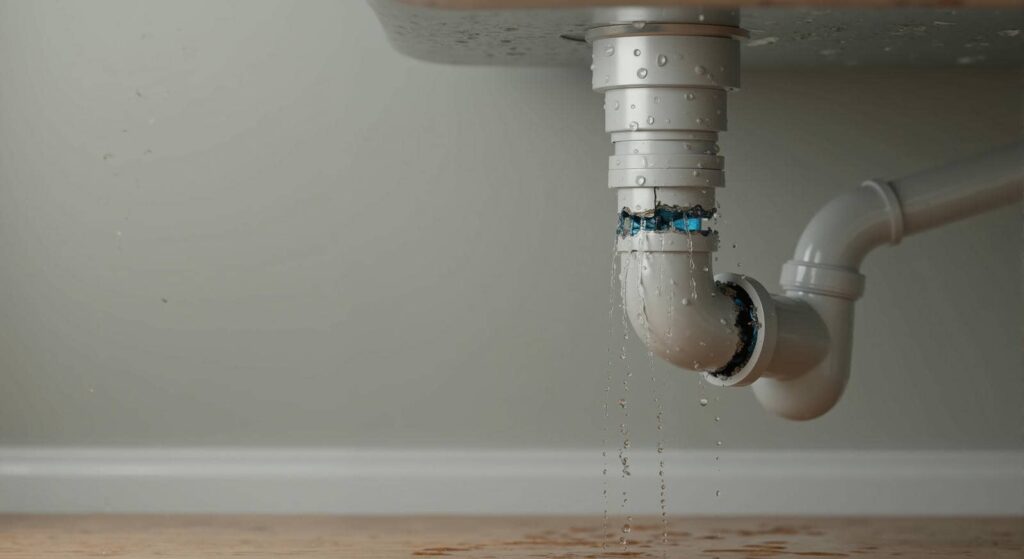
After a burst pipe, the first essential step is to assess the damage it caused. Start by identifying the pipe materials involved; copper, PVC, or galvanized steel can all react differently to water exposure.
Check for water pooling, mold growth, and structural damage to walls and flooring. Document visible damage with photographs for insurance claims and future reference.
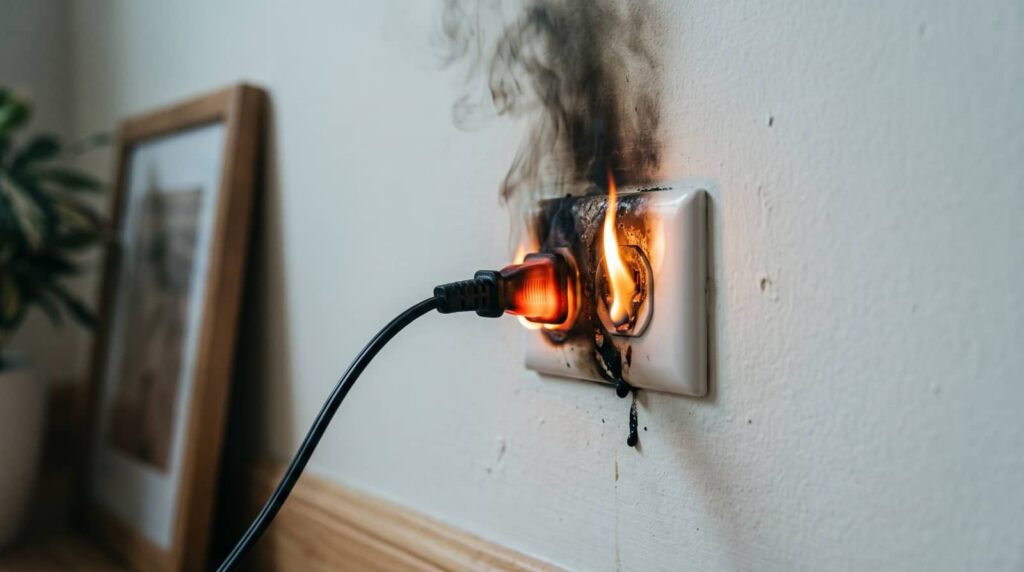
If the situation is difficult or extensive, don’t hesitate to call emergency services. They can provide immediate assistance and help mitigate further damage. Be aware of any electrical systems near the water; this could pose a significant hazard.
Once you’ve evaluated the extent of the damage, prioritize areas that need urgent attention, ensuring safety and preventing further deterioration.
Shut Off the Water Supply
One of the first actions you should take after discovering a burst pipe is to shut off the water supply immediately.
Locate your main water valve, which is typically found near your water meter or where the main line enters your home. Turn this valve clockwise until it stops to prevent any further water flow.
If you can’t find the main valve, check for individual water valves for the affected area or fixtures.
Once the water supply is off, confirm that there’s no more water leaking from the burst pipe.
It’s also a good idea to have your emergency contacts handy, including a local plumber, in case you need professional assistance.
Keeping these contacts accessible can help mitigate damage and restore your plumbing quickly.
Shutting off the water supply is an essential step in controlling the situation and protecting your home from further disaster.
Remove Standing Water
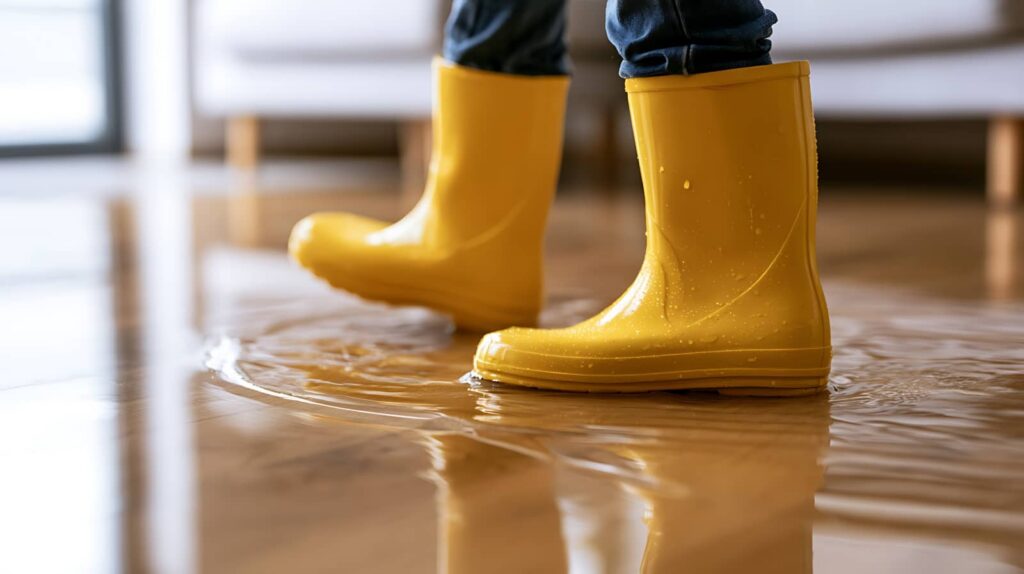
Standing water can quickly lead to further damage and mold growth, so it’s crucial to act swiftly.
Begin the water extraction process immediately to minimize the impact on your property. Here’s what you should do:
- Use a wet/dry vacuum for effective water extraction.
- Mop up any remaining moisture on floors and surfaces.
- Remove saturated materials like carpets or rugs that can’t be dried properly.
- Check for hidden pockets of water in walls or under appliances.
- Ensure proper moisture control by ventilating the area.
If the standing water is extensive, consider contacting professionals who specialize in water damage restoration.
They have the tools and expertise for thorough water extraction and moisture control.
Remember, the sooner you address standing water, the less the risk of long-term damage and health issues.
Your prompt action can save you from costly repairs and promote a healthier living environment.
Begin Drying and Dehumidifying
To effectively prevent further damage from a burst pipe, begin drying and dehumidifying the affected area as soon as possible.
Start by using fans and open windows to enhance airflow, which aids in evaporation. Consider various dehumidifier options, such as portable units or larger commercial models, depending on the severity of the water damage. Place dehumidifiers strategically in the wettest areas to maximize their effectiveness.
Employ drying techniques like using towels to soak up excess moisture from surfaces and insulation. You may also need to remove wet materials, like carpets or drywall, if they’re too saturated.
Monitor humidity levels with a hygrometer; aim for below 60% to effectively prevent mold growth. Remember, the quicker you act, the better chance you have of minimizing damage and keeping your space safe and comfortable.
Inspect for Mold and Structural Integrity
After addressing the immediate water damage, it’s crucial to inspect the area for mold growth and assess structural integrity.
Mold can develop quickly after water exposure, compromising your home’s safety and your health.
To ensure mold prevention and structural stability, follow these steps:
- Check for visible mold on walls, ceilings, and floors.
- Examine woodwork and framing for signs of warping or softness.
- Look for water stains that may indicate lingering moisture.
- Assess insulation for dampness or decay that could weaken your structure.
- Consider professional help if mold is extensive or structural repairs are needed.
Taking these actions can protect your home and family.
Addressing mold and structural issues promptly will save you time and resources in the long run, making sure your space remains a safe and welcoming environment.
Frequently Asked Questions
How Can I Prevent Future Pipe Bursts?
To prevent future pipe bursts, you should install pipe insulation and ensure proper temperature regulation in your home. Keeping pipes warm during cold weather reduces the likelihood of freezing and subsequent bursts.
Should I Call a Plumber Immediately?
When the storm brews and pipes threaten, don’t hesitate—call a plumber immediately. Their expertise is your emergency response to plumbing issues, ensuring safety and restoring peace to your home’s water system. You deserve that security.
What Items Should I Throw Away After Water Damage?
You should throw away damaged electronics and items that can’t be thoroughly cleaned, like porous materials. Focus on salvaging items with sentimental value or those that can be restored, ensuring safe, healthy living conditions.
How Long Will It Take for Everything to Dry?
It typically takes three to seven days for everything to dry, depending on the drying techniques used and the thorough moisture assessment. Factors like airflow and humidity can greatly influence the drying process, so monitor conditions closely.
Will My Insurance Cover the Damage?
Your insurance policy’s coverage acts like a safety net. Check your policy details to see if water damage is included. Filing an insurance claim promptly can help restore your space and provide financial relief.
Wrap-Up
After a burst pipe, swift action can mean the difference between minor repairs and extensive damage. By evaluating the situation, shutting off the water supply, and removing standing water, you prevent further deterioration. However, neglecting to dry the area and inspect for mold can lead to hidden complications. Balancing immediate response with thorough inspection ensures your home stays safe and sound, protecting both your investment and your peace of mind after a disaster.