

Contents
Flooding can feel like a storm that washes away your sense of security. When faced with sewage cleanup, it’s essential to approach the task methodically. You’ll need to assess the damage and gather the right supplies before diving into the cleanup process. Understanding DIY techniques and budget-friendly disinfectants can save you time and money. However, knowing when to call in professionals can also be key to ensuring safety and efficiency.
Key Takeaways
- Gather essential cleanup supplies like gloves, masks, mops, and disinfectants to ensure safety and efficiency during the process.
- Use natural disinfectants, such as vinegar and baking soda, for cost-effective cleaning and deodorization of affected areas.
- Follow a structured step-by-step approach to clean sewage, prioritizing safety and proper disposal of contaminated materials.
- Consider using a dehumidifier to reduce lingering moisture and prevent mold growth after cleanup.
- Educate your community on flood preparedness and collaborate on shared resources for effective cleanup efforts.
Assessing the Damage and Safety Precautions
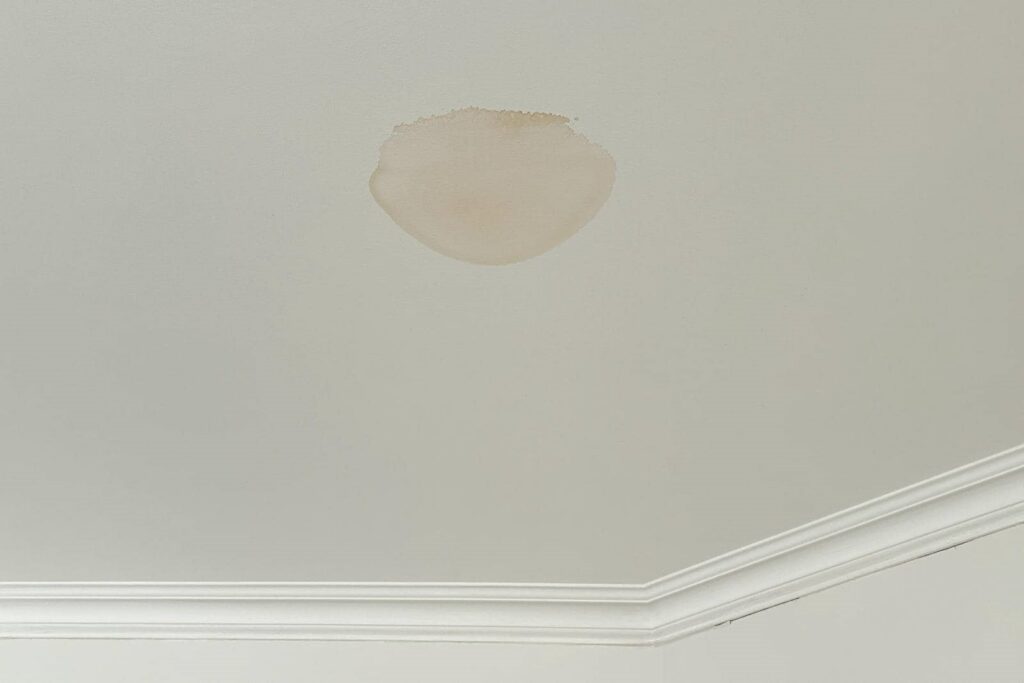
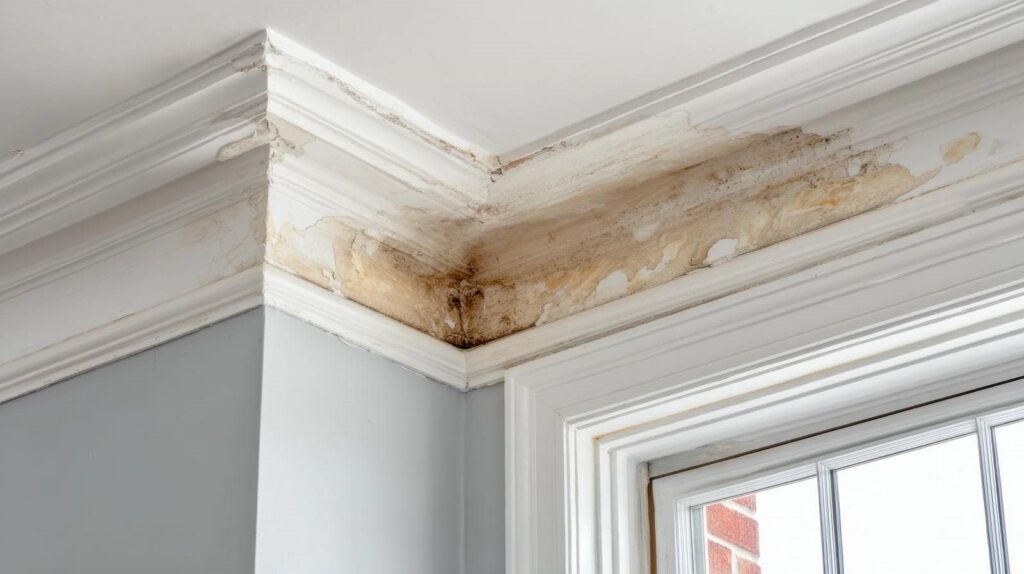
When you face sewage damage, evaluating the extent of the problem is crucial before taking any action. Start by inspecting affected areas for visible signs of contamination, such as discoloration or foul odors. This damage evaluation helps determine the severity and scope of the cleanup required.
Don’t forget to assess the structural integrity of your home, as sewage can weaken walls and floors.
Before diving into the cleanup, prioritize your safety. Equip yourself with appropriate safety gear, including gloves, masks, and boots, to protect yourself from harmful pathogens. Confirm proper ventilation in the area to mitigate exposure to toxic fumes.
If the damage is extensive, consider enlisting professional help, as they can provide specialized equipment and expertise. By taking these steps, you not only safeguard your health but also foster a sense of community by sharing your knowledge with others facing similar challenges.
Gathering Essential Cleanup Supplies
Before starting the cleanup process, you need to gather essential supplies to effectively address sewage damage.
Begin by collecting high-quality cleaning supplies, including heavy-duty gloves, masks, and protective eyewear. These items will protect you from harmful bacteria and pathogens present in floodwaters.
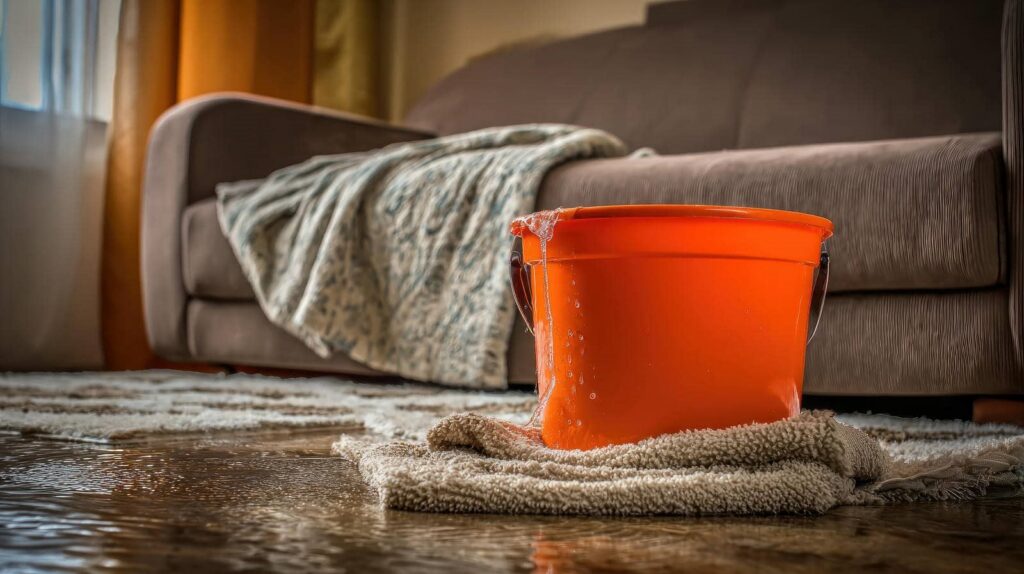
Next, stock up on mops, buckets, and a wet/dry vacuum to remove standing water and debris efficiently.
Don’t forget disinfectants and an antimicrobial solution to sanitize surfaces after you remove the sewage. In addition, absorbent materials like towels and rags can help with drying and cleaning up spills.
Consider purchasing a dehumidifier to combat lingering moisture, which is vital for flood preparedness.
DIY Cleanup Techniques for Sewage Water
Before starting your sewage cleanup, you need to prioritize safety precautions to protect yourself from harmful pathogens.
Equip yourself with essential cleanup tools, such as gloves and disinfectants, to effectively tackle the situation.
Follow a step-by-step process to guarantee thorough removal and sanitation of the affected area.
Safety Precautions First
Although tackling sewage cleanup may seem challenging, prioritizing safety is crucial to protect yourself from potential health hazards.
Start by evaluating the flood risk in your area and make certain you’re prepared before beginning any cleanup. Equip yourself with the right personal protective equipment (PPE), including gloves, masks, and waterproof boots. This gear will shield you from harmful bacteria and contaminants present in sewage.
Always ventilate the area to minimize exposure to harmful gases. If possible, work in pairs to guarantee assistance is readily available should an emergency arise.
Finally, avoid direct contact with contaminated water and dispose of any materials that come into contact with sewage properly. By taking these precautions, you can safely manage the cleanup process.
Essential Cleanup Tools
Once you’ve taken the necessary safety precautions, it’s time to gather the right tools for an effective sewage cleanup.
Start with essential equipment like rubber gloves, boots, and protective eyewear to shield yourself from contaminants. You’ll need a heavy-duty garbage bag for waste disposal and a mop and bucket for the initial water removal.
A wet/dry vacuum is invaluable for sucking up sewage and excess water. Don’t forget disinfectants and detergents to sanitize surfaces afterward.
A scrub brush will help tackle stubborn stains, while towels can assist in drying affected areas.
Step-by-Step Process
When tackling sewage cleanup, following a structured step-by-step process is essential for efficiency and safety.
Start by evaluating the area for hazards; wear protective gear to guarantee your safety.
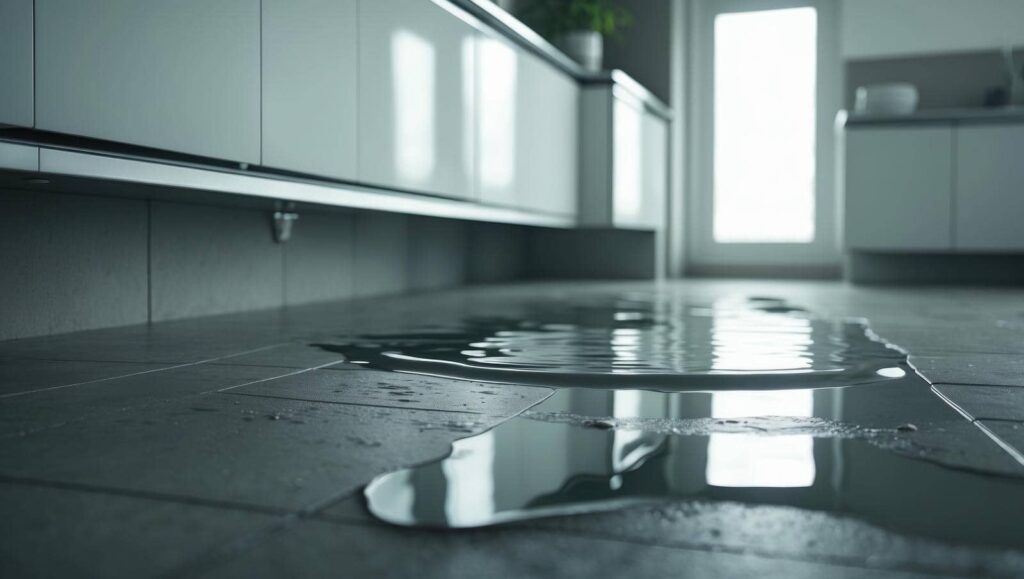
Next, initiate sewage removal using a wet/dry vacuum to extract standing water. Dispose of contaminated materials properly, ensuring you follow local regulations.
After the bulk of the sewage is cleared, disinfect surfaces with a bleach solution to eliminate pathogens.
Then, focus on drying the area thoroughly to prevent mold growth, using fans or dehumidifiers.
Finally, monitor the space for signs of lingering odors or moisture, which could indicate the need for further flood recovery actions.
Budget-Friendly Solutions for Disinfection
While effective disinfection is essential after a sewage cleanup, you don’t need to break the bank to achieve it. Natural disinfectants like vinegar solutions can be incredibly effective and budget-friendly. Vinegar’s acetic acid helps eliminate bacteria and odors, making it a perfect option for treating affected areas.
Mix equal parts of water and vinegar in a spray bottle and apply it to hard surfaces, allowing it to sit for at least 10 minutes before wiping away.
For tougher spots, consider adding baking soda to your vinegar solution. This combination not only disinfects but also deodorizes, ensuring your space feels fresh again.
Remember to ventilate the area during and after application to enhance effectiveness. By using these simple, cost-effective methods, you can confidently tackle disinfection without overspending, creating a safe environment for you and your loved ones.
When to Call in Professional Help
Understanding the right moment to call in professional help can greatly impact both the safety and efficiency of your sewage cleanup efforts. Look for signs of urgency, such as persistent odors, visible contamination, or water damage that extends beyond the immediate area. If you notice these issues, a professional assessment is essential.
Professionals possess the expertise and equipment to handle hazardous materials safely, ensuring your home remains free from health risks.
Don’t underestimate the potential consequences of neglecting these signs; mold growth and structural damage can escalate quickly. If the sewage is extensive or involves a septic system, it’s time to reach out for assistance.
Professionals can also provide valuable advice on preventative measures for future incidents. Remember, prioritizing your safety and health is paramount—getting expert help can save you time, money, and unnecessary stress in the long run.
Preventative Measures for Future Flooding
To prevent future flooding, you should prioritize regular drain maintenance and make necessary landscape grading adjustments.
Ensuring your drains are clear will promote efficient water flow, while proper grading directs runoff away from your property.
Regular Drain Maintenance
Regular drain maintenance is essential for preventing future flooding, as neglecting this task can lead to costly repairs and health hazards.
You can take proactive steps to guarantee your drains function efficiently. Start by routinely checking for drain clogs, which often stem from debris buildup and can cause significant issues. Use a mixture of baking soda and vinegar monthly to keep your pipes clear.
Additionally, schedule periodic pipe maintenance inspections to identify potential weaknesses and wear. This not only prevents emergencies but also fosters a sense of community responsibility in maintaining a healthy environment.
Landscape Grading Adjustments
Effective landscape grading adjustments can greatly reduce the risk of flooding on your property. By ensuring your land slopes away from your home, you create natural drainage solutions that guide water away, preventing potential damage.
It’s essential to assess and modify any low spots where water tends to collect, as these can lead to soil erosion and further flooding issues. Utilize tools like swales and berms to direct water flow and reinforce your landscape’s resilience.
Additionally, consider planting native vegetation to stabilize soil and enhance drainage. By taking these proactive steps, you’ll not only protect your property but also foster a sense of community responsibility for managing water runoff effectively.
Prioritizing these adjustments can lead to lasting peace of mind.
Frequently Asked Questions
How Can I Prevent Sewage Backups During Heavy Rain?
You can prevent sewage backups during heavy rain by implementing sewage maintenance tips like regular inspections and cleaning. Also, consider drainage system improvements to enhance flow and reduce pressure on your sewage system.
What Types of Gloves Are Best for Sewage Cleanup?
For sewage cleanup, you’ll want nitrile gloves—they’re durable, chemical-resistant, and provide a snug fit. Latex gloves can work too, but they might tear easily, leaving you vulnerable. Choose wisely to stay safe and protected.
Can I Use Bleach to Disinfect Sewage-Affected Areas?
You shouldn’t use bleach for disinfecting sewage-affected areas, as its effectiveness diminishes against certain pathogens. Instead, opt for specialized sewage disinfectants designed to tackle contaminants more effectively, ensuring a safer environment for everyone involved.
How Long Does It Take for Sewage Odor to Dissipate?
Sewage odor can linger, but with proper odor removal techniques, you might notice improvement within a few days. Factors like ventilation and humidity play essential roles, so make sure you’re actively managing those conditions for best results.
Will My Homeowner’s Insurance Cover Sewage Cleanup Costs?
Your homeowner’s insurance policy might cover sewage cleanup costs, but it depends on your coverage limits. Review your policy details or consult your agent to understand what’s included and guarantee you’re adequately protected.
Summary
Managing sewage cleanup after flooding doesn’t have to break the bank. By taking a methodical approach and using the right supplies, you can tackle the situation effectively. Remember, a stitch in time saves nine—addressing damage promptly can prevent bigger headaches down the road. Stay vigilant, maintain proper ventilation, and consider preventative measures to protect your space in the future. With these strategies, you’ll be well-equipped to handle any flooding challenges that come your way.