

Contents
The majority of fire damage occurs long after the flames have been extinguished. It’s vital to act quickly and safely to assess the damage and start the recovery process. Understanding the right steps to take can make a significant difference in your restoration efforts. As you navigate this challenging situation, you’ll want to reflect on what comes next to ensure a thorough recovery.
Key Takeaways
- Ensure safety by confirming the fire is extinguished and the area is secure before entering for damage assessment.
- Document all visible and hidden damage meticulously for insurance claims and restoration planning.
- Engage professional restoration services for advanced techniques and handling hazardous materials safely.
- Implement fire prevention measures, including smoke detectors and risk assessments, to avoid future incidents.
- Maintain ongoing fire safety awareness through regular checks and engagement with local safety resources.
Assessing the Damage Quickly and Safely
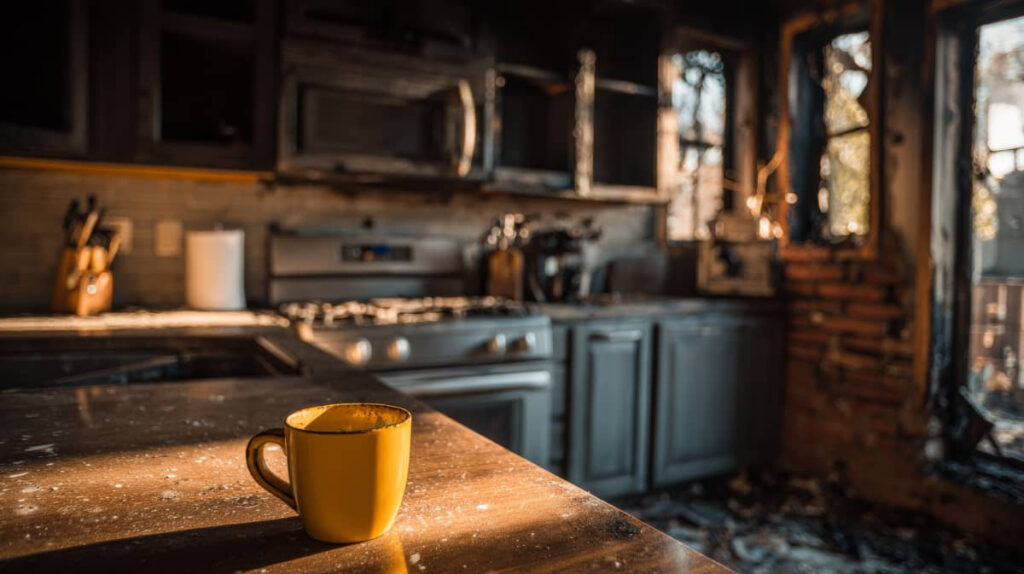
As you begin to assess the damage from a fire, it’s crucial to prioritize your safety above all else. Before entering the property, verify that the fire is fully extinguished and that authorities have declared the area safe.
Familiarize yourself with safety protocols, like wearing protective gear and checking for structural instability.
During your damage evaluation, assess visible areas first, noting the extent of charred materials and smoke damage. Use a flashlight to inspect dark corners and look for hidden hazards, such as smoldering debris or hazardous chemicals.
Keep a detailed record of all damage, as this will be essential for insurance claims and restoration efforts later.
Engaging Professional Restoration Services
Once you’ve assessed the damage, engaging professional restoration services becomes essential to effectively recover from fire damage.
These experts offer specialized fire restoration techniques that ensure thorough cleanup and restoration, minimizing long-term effects. By seeking their expert consultation, you gain access to a wealth of knowledge about the complexities of fire damage, including smoke residue and structural concerns.
Professionals use advanced equipment to detect hidden damage and can handle hazardous materials safely, providing peace of mind during a stressful time.
They also help you navigate insurance claims, ensuring you receive the support you need.
Implementing Prevention Measures for Future Incidents
While recovering from fire damage is essential, implementing prevention measures for future incidents is equally important to safeguard your home and loved ones.
Start with a thorough risk assessment of your property. Identify fire hazards like outdated wiring, flammable materials, or blocked exits. Once you’ve pinpointed these risks, take proactive steps to mitigate them.
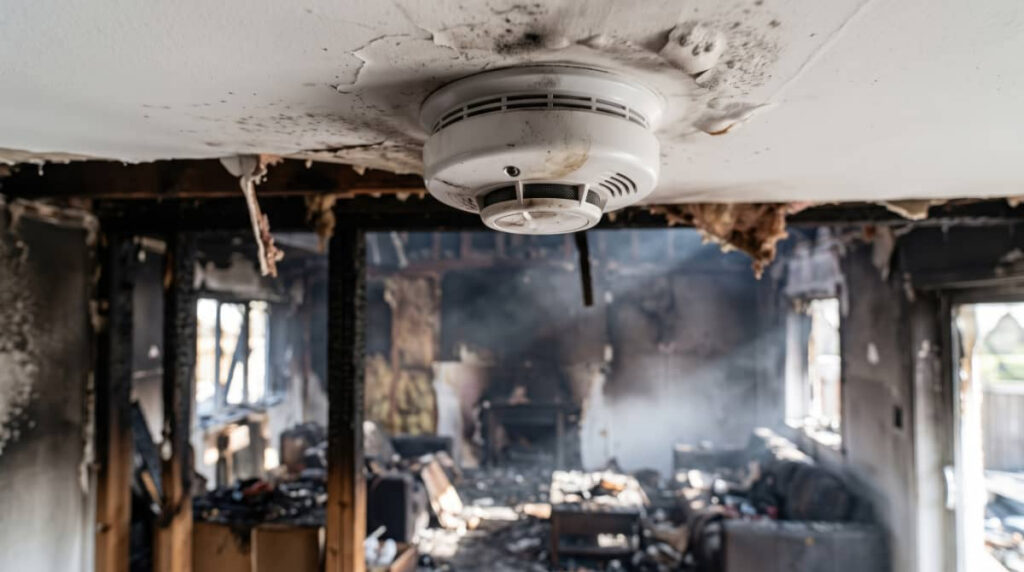
Install smoke detectors on every floor and test them monthly. Create and practice an escape plan with your family, ensuring everyone knows their roles during a fire emergency.
Invest in fire safety equipment, such as fire extinguishers and fire blankets, and make sure they’re easily accessible. Regularly maintain your heating systems and electrical appliances to prevent malfunctions.
Finally, stay informed about local fire safety regulations and community resources. By prioritizing these measures, you’re not just protecting your home; you’re fostering a sense of security and belonging for those you care about most.
Frequently Asked Questions
What Should I Do Immediately After a Fire Incident?
Immediately after a fire, ensure your safety first. Contact emergency services and your fire safety team. Reach out to your emergency contacts for support. Assess the damage only when it’s safe to do so.
How Can I Document Fire Damage for Insurance Claims?
To document fire damage for insurance claims, conduct a thorough fire damage assessment. Take clear photos, list affected items, and gather repair estimates. This organized documentation strengthens your claim and ensures you receive the support you need.
Are There Any Health Risks From Smoke Damage?
Yes, there are health risks from smoke damage. Smoke inhalation risks include respiratory issues, while soot exposure effects can irritate skin and eyes. It’s essential to address these concerns promptly for your well-being and safety.
How Long Does Fire Damage Restoration Typically Take?
A small kitchen fire can take 1-3 weeks for complete restoration. The fire damage timeline depends on factors like severity, property size, and materials involved. Each situation’s unique, so don’t rush the process—your home’s worth it.
What Costs Should I Expect During the Recovery Process?
You should expect fire restoration costs to vary widely, depending on the extent of damage. Check your insurance coverage for potential assistance, as it can greatly affect your out-of-pocket expenses during this challenging recovery process.
Recap
In the aftermath of a fire, a quick and safe assessment is essential for your recovery. By engaging professional restoration services, you ensure thorough damage handling and navigate the complexities of insurance claims. Have you considered how future incidents might be prevented? Implementing effective measures can protect your space and peace of mind. Remember, prioritizing safety and expert assistance is key to reclaiming your home and restoring normalcy after such a devastating event.