

Contents
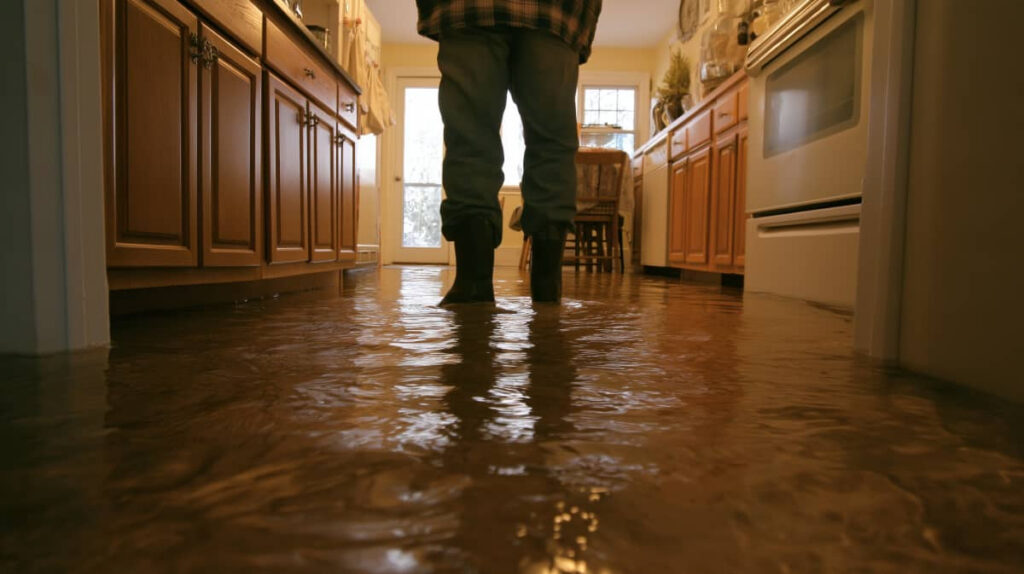
When facing the aftermath of a flood, it’s essential to evaluate cost-effective flood cleanup and repair options that fit your budget. By gauging the severity of the damage and exploring both DIY techniques and professional services, you can make informed decisions. You might be surprised at how much you can save while ensuring your home is restored effectively. Let’s explore the strategies that can minimize expenses without compromising on quality.
Key Takeaways
- Start with DIY water extraction using a wet/dry vacuum to minimize initial costs before considering professional services.
- Gather multiple quotes from local restoration companies to compare costs for necessary repairs versus optional upgrades.
- Prioritize safety and quality in restoration to prevent future expenses related to mold and structural damage.
- Check insurance coverage and file claims promptly to offset costs associated with flood damage repairs.
- Utilize community resources, such as local nonprofits and volunteers, for assistance and access to cleanup supplies.
Understanding the Costs of Flood Damage Restoration
When you face the aftermath of a flood, understanding the costs of damage restoration is essential for managing your budget effectively. It’s easy to feel overwhelmed, but breaking down expenses can help you regain control.
Start by exploring various flood restoration techniques; each one has its own price tag. For example, drying and dehumidifying may be less costly than complete structural repairs.
Conducting a cost comparison analysis gives you insight into what’s necessary versus what’s optional. Don’t hesitate to gather quotes from local restoration companies—this fosters a sense of community and ensures you’re making informed choices.
Connecting with others who’ve faced similar challenges can provide valuable recommendations. Remember, prioritizing safety and quality in your restoration efforts may save you money in the long run.
You’re not alone in this journey, and taking these steps can lead to a more secure, welcoming home again.
Assessing the Severity of Water Damage
After understanding the costs involved in flood damage restoration, the next step is to assess the severity of the water damage.
You’ll want to conduct a thorough water damage assessment to identify how deeply the water has penetrated your home. Look for key severity indicators, such as discoloration on walls, sagging ceilings, or swollen floors. These signs can help you gauge whether the damage is minor, moderate, or severe.
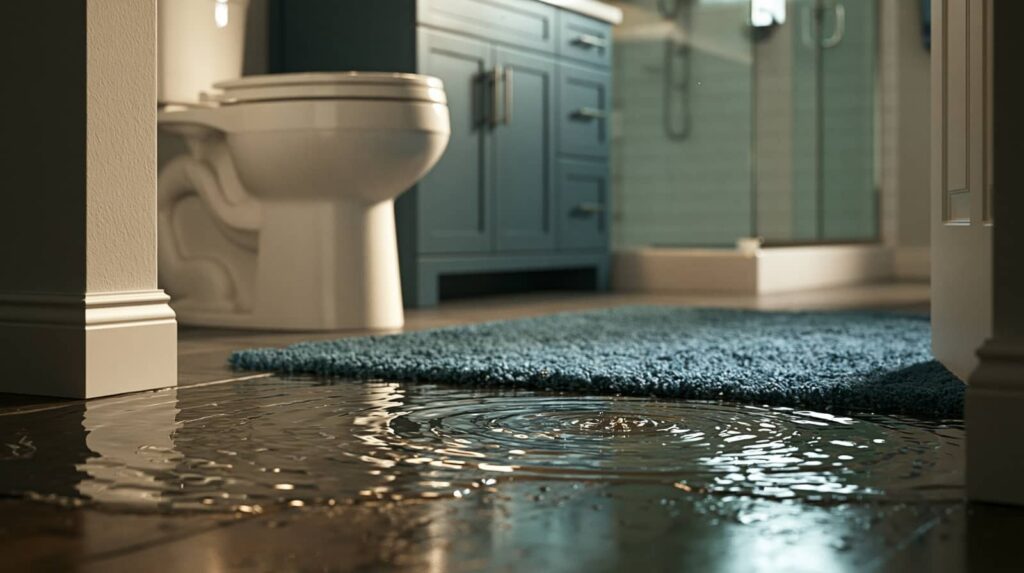
Don’t forget to check hidden areas, like behind appliances or inside cabinets, where water can linger unnoticed. The faster you spot these issues, the better chance you have of minimizing long-term damage.
Remember, every moment counts when it comes to protecting your home and your peace of mind. By understanding the severity of the damage, you can make informed decisions moving forward and connect with others who’ve faced similar challenges.
You’re not alone in this journey.
DIY Flood Cleanup Techniques
If you find yourself facing the aftermath of a flood, tackling the cleanup yourself can be both empowering and cost-effective.
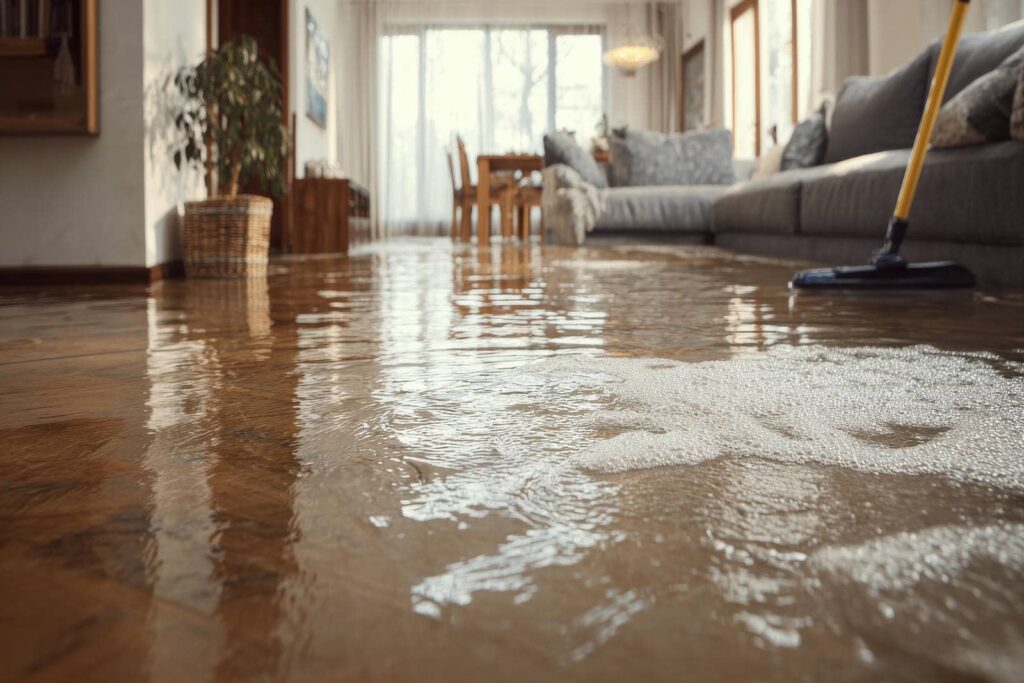
Start with water extraction; use a wet/dry vacuum to remove standing water, working from the furthest corner of the affected area toward the exit. Make sure to wear protective gear like gloves and masks to safeguard your health.
Once the water’s gone, focus on mold prevention. Dry out your space as quickly as possible by opening windows and using fans or dehumidifiers.
Remove soaked materials, like carpets or drywall, that can harbor mold. If you can, clean surfaces with a mix of water and mild detergent to eliminate any potential spores.
Connecting with friends or neighbors during this process can help ease the burden.
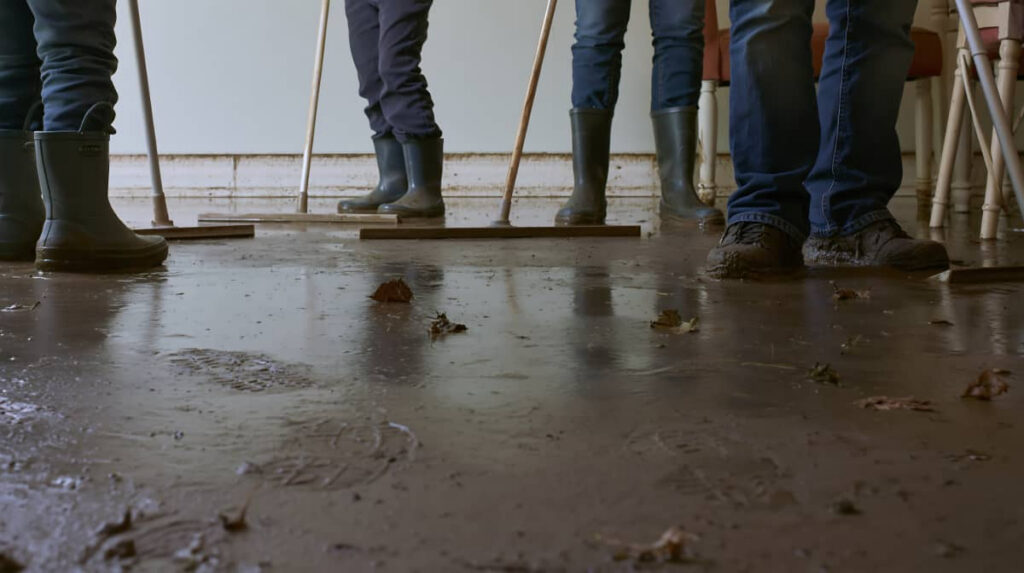
Together, you can share tips and lend a hand, fostering a sense of community as you reclaim your space.
Affordable Professional Restoration Services
When facing flood damage, turning to local restoration companies can be a smart choice for efficient cleanup.
You should also consider your insurance coverage options to help offset costs.
Weighing the benefits of DIY versus professional help might reveal the best path forward for your situation.
Local Restoration Companies
Finding the right local restoration company can make all the difference in your flood cleanup efforts.
With local expertise, these professionals understand your community and its unique challenges. They work quickly to ensure your home is restored efficiently.
Here are three reasons to choose a local restoration company:
Familiarity with Local Regulations: They know the rules and requirements for your area, saving you time and hassle.
Quick Response Times: Local teams can often reach you faster, minimizing damage and reducing restoration timelines.
Community Connection: Supporting local businesses fosters a sense of belonging and trust in your community.
Insurance Coverage Options
How can you ensure your flood cleanup doesn’t break the bank? Understanding your flood insurance is key. Many homeowners are unaware that their policy limits can affect the coverage they receive for repairs.
Take the time to review your policy and make sure it meets your needs. If you find gaps, consider adjusting your coverage or adding endorsements for better protection.
When your home faces water damage, having extensive flood insurance can save you from hefty out-of-pocket expenses.
Don’t hesitate to consult with your insurance agent to clarify your coverage and any potential costs. By staying informed and proactive, you can navigate the flood recovery process with confidence and keep your financial well-being intact.
You belong in a community that supports each other through tough times.
DIY vs. Professional Help
Deciding between DIY flood cleanup and hiring professional restoration services can be a tough choice, especially when you’re trying to keep costs down.
While DIY techniques may seem appealing, consider these factors:
Cost Comparisons: DIY might save money upfront, but hidden costs in equipment and supplies can add up quickly.
Time Considerations: Professionals work faster, ensuring cleanup efficiency, while DIY could drag on, costing you time and stress.
Safety Concerns: Flooding comes with risks; professionals have the training and equipment to handle hazards safely, reducing long-term effects on your health.
Ultimately, weighing these professional advantages against DIY efforts will help you decide what’s best for your situation.
You want to feel secure and supported in your cleanup journey.
Insurance Options for Flood Repair
When dealing with flood repairs, knowing your insurance options is essential.
You’ll want to understand the different types of flood insurance available and how to navigate the claims process.
This knowledge can help you get the support you need for effective repairs.
Types of Flood Insurance
Flood insurance plays an essential role in protecting your home and finances against the devastating impacts of flooding.
Understanding the different flood insurance types helps you choose the best protection for your situation. Here are three main options to evaluate:
National Flood Insurance Program (NFIP): This government-backed option covers structural damage and personal property, but comes with specific coverage limitations.
Private Flood Insurance: Often more customizable, this type offers broader coverage options and may have fewer restrictions than NFIP.
Excess Flood Insurance: If your needs exceed standard coverage limits, this option can provide additional protection for high-value properties.
Filing Claims Process
Once you’ve secured the right flood insurance, knowing how to file a claim is key to getting the repair process started.
First, gather all your claim documentation, such as photos of the damage, receipts, and a detailed list of affected items. This will help support your case and ensure a smoother process.
Next, reach out to your insurance company to initiate the claim, and be clear about any deadlines.
Keep an eye on claim timelines; knowing how long each step typically takes can prevent frustration.
Preventative Measures to Reduce Future Flooding
While it’s impossible to control nature entirely, implementing preventative measures can greatly reduce the risk of future flooding.
By taking action now, you can protect your home and community, creating a safer environment for everyone.
Here are three effective strategies you can adopt:
Install a Sump Pump: This device can help redirect water away from your home’s foundation, preventing water accumulation during heavy rains.
Create a Rain Garden: A rain garden captures stormwater runoff, allowing it to filter into the ground instead of pooling around your property. This reduces flooding and enhances your yard’s beauty.
Improve Drainage Systems: Ensure gutters and downspouts are clear and direct water away from your home, reducing the chances of water infiltration.
Resources for Assistance and Support
How can you find the right support when dealing with flood damage? Start by exploring your local community resources. Many neighborhoods have organizations dedicated to helping those affected by disasters.
Reach out to your friends and neighbors; they might’ve insights or connections that can aid your recovery.
Don’t overlook government assistance programs, too. FEMA and other agencies often provide financial aid for repairing flood damage.
Check their websites for applications and eligibility requirements, or call their helplines for guidance.
Local nonprofits may also offer immediate support, from food and shelter to cleanup supplies.
Connecting with others who’ve faced similar challenges can be incredibly helpful.
Join community groups or online forums to share experiences and receive advice.
Wrap-Up
Steering through flood cleanup can feel like sailing through stormy seas, but with the right tools and support, you can direct your way to calmer waters. By blending DIY efforts with affordable professional help, you can tackle the aftermath without breaking the bank. Remember, just as a sturdy boat needs a well-placed anchor, utilizing local resources and assistance can keep you grounded during recovery. Take charge, prioritize wisely, and watch your home return to a safe haven.