

Contents
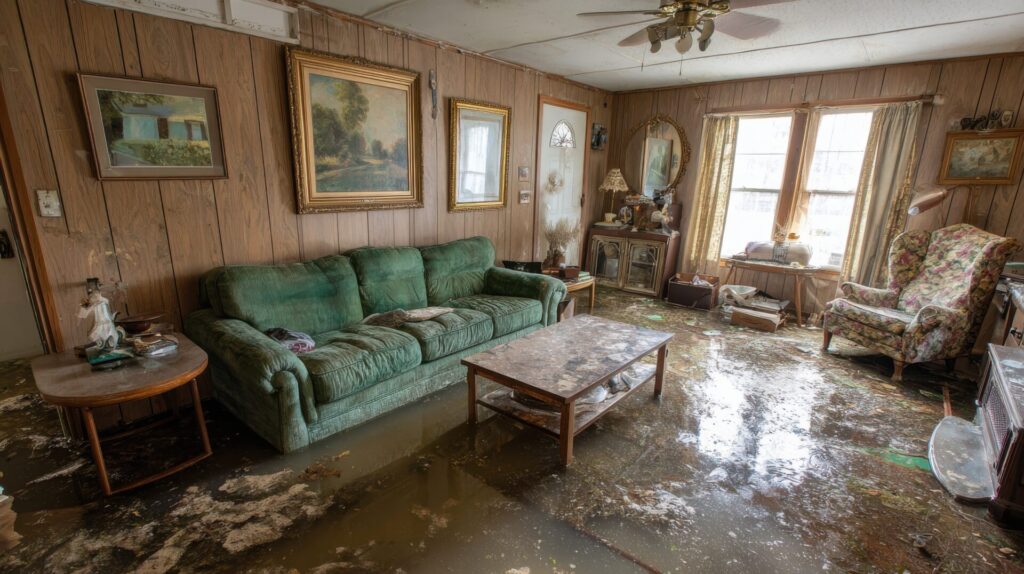
After a flood, the aftermath can feel like maneuvering through a treacherous maze of contaminated water and debris. To tackle sewage cleanup effectively, you need a strategic approach that encompasses various techniques. From evaluating the damage to ensuring proper waste disposal, each step plays an essential role in restoring safety and sanitation. Discover the key methodologies that can help you manage this intimidating task efficiently and protect your health in the process.
Key Takeaways
- Conduct a thorough damage assessment to ensure safety and identify structural integrity before starting cleanup efforts.
- Implement sewage containment measures using temporary barriers and diversion strategies to prevent overflow and manage wastewater.
- Prioritize initial water removal using pumps and wet vacuums, followed by continuous monitoring of humidity and moisture levels.
- Utilize advanced disinfection methods like UV light sanitization and steam cleaning for effective pathogen elimination without harmful chemicals.
- Ensure proper waste disposal by segregating contaminated materials and adhering to local regulations for hazardous waste management.
Assessing the Damage
When you begin evaluating the damage after a flood, it’s essential to prioritize safety before entering affected areas.
Start by inspecting the exterior of the building for visible signs of structural damage, such as cracks in the foundation or sagging walls. Carefully document your observations during the damage evaluation process, as this information will guide your next steps.
Next, assess the structural integrity of floors, ceilings, and support beams. Look for water stains, warping, or signs of mold, which can indicate serious issues.
If you suspect compromised structures, it’s vital to consult a professional before proceeding.
Personal Protective Equipment (PPE)
When tackling sewage cleanup post-flood, wearing the right personal protective equipment (PPE) is vital for your safety.
You’ll need essential items like gloves, masks, and waterproof clothing to shield yourself from hazardous materials.
Proper usage of this equipment ensures you minimize exposure to harmful pathogens and chemicals during the cleanup process.
Essential PPE Types
In sewage cleanup post-flood, using the right personal protective equipment (PPE) is essential for safety.
Adhering to PPE standards ensures you’re well-protected from hazardous materials.
Here are four essential PPE types you should consider:
Gloves: Use heavy-duty, chemical-resistant gloves made from nitrile or latex to protect your hands.
Boots: Waterproof, steel-toed boots provide foot protection against contaminants and sharp objects.
Masks/Respirators: Choose N95 respirators or higher-rated masks to filter out harmful airborne particles.
Coveralls: Wear disposable coveralls made from PPE materials that are resistant to water and contaminants.
Proper PPE Usage
Proper usage of personal protective equipment (PPE) is essential to ensuring your safety during sewage cleanup after a flood.
Start by undergoing thorough PPE training to familiarize yourself with the gear’s purpose and limitations. Effective PPE selection is vital; choose items like waterproof gloves, respirators, and protective suits designed for biohazard environments.
Make sure your equipment fits properly and is free from any defects before use. Always keep PPE clean and stored in a safe place when not in use.
Remember, even with proper equipment, take breaks and assess your environment regularly.
By prioritizing PPE use, you protect yourself and foster a sense of community responsibility during the recovery process.
Stay safe; your well-being matters.
Initial Water Removal
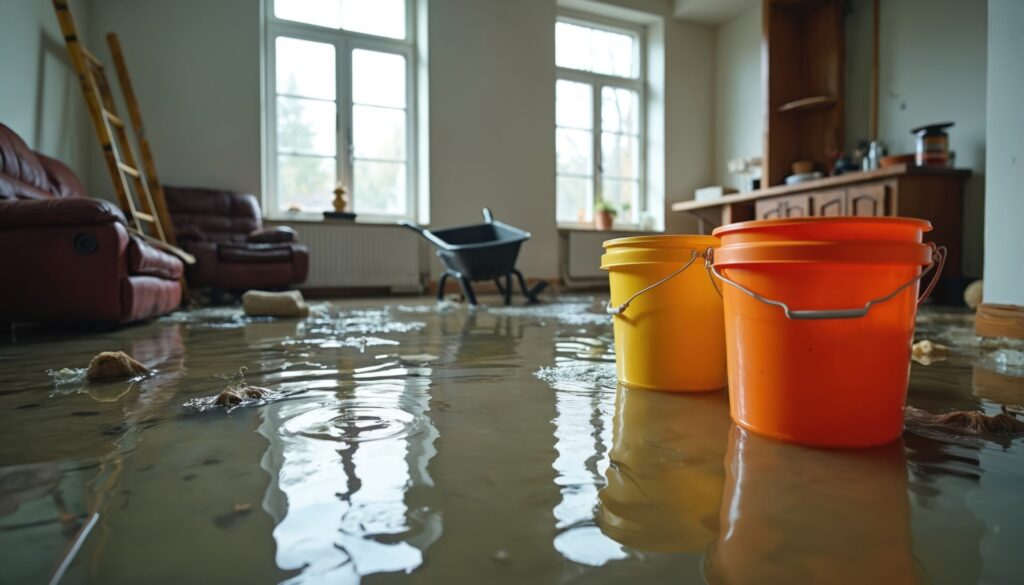
As floodwaters recede, the urgency of initial water removal becomes paramount to prevent further damage and contamination.
To effectively tackle this task, you’ll need to utilize various water extraction methods and removal equipment. Here are some steps to guide you:
Assess the Area: Identify the most affected zones to prioritize your efforts.
Select Equipment: Use pumps, wet vacuums, or industrial dehumidifiers suitable for the volume of water.
Begin Extraction: Start with the largest volumes using pumps, then switch to vacuums for residual water.
Monitor Moisture Levels: Continuously check humidity and moisture levels to ensure thorough drying.
Sewage Containment Measures
To effectively manage sewage during a flood, you need to implement robust containment measures.
This includes installing temporary barriers to prevent overflow, using wastewater diversion strategies to redirect flow, and utilizing containment tanks for safe storage.
These actions are essential for minimizing contamination and safeguarding public health.
Temporary Barriers Installation
When floodwaters threaten to overwhelm a community, installing temporary barriers becomes essential for containing sewage and preventing further contamination. You can utilize various temporary barrier materials and installation techniques to effectively manage the situation.
Here are some key steps to take into account:
Select appropriate materials: Use sandbags, inflatable dams, or water-filled barriers.
Assess the site: Identify vulnerable areas where sewage may escape.
Ensure proper sealing: Make sure barriers are tightly packed and secured to prevent leaks.
Monitor continuously: Keep an eye on barrier integrity and adjust as necessary.
Implementing these measures quickly and effectively will help safeguard your community from sewage-related hazards during a flood.
Wastewater Diversion Strategies
Employing effective wastewater diversion strategies is vital for managing sewage during and after a flood. You’ll want to implement systems that redirect excess stormwater away from vulnerable areas, minimizing contamination risks.
Use swales, retention basins, and drainage channels to facilitate proper wastewater treatment and prevent overflow. These measures protect your community’s health and enhance stormwater management by improving water quality and reducing the burden on treatment facilities.
Regular maintenance of these systems is essential; check for blockages and make sure they function correctly.
Containment Tank Utilization
In addition to wastewater diversion strategies, utilizing containment tanks plays an essential role in managing sewage during flood events.
These tanks are vital for preventing contamination and protecting public health. Here are four key containment strategies to take into account:
Regular tank maintenance: Verify tanks are inspected and cleaned to avoid overflow.
Proper sizing: Choose tanks that can accommodate peak sewage volumes during floods.
Emergency response plans: Develop protocols for rapid deployment and usage during flooding.
Monitoring systems: Install sensors to track tank levels and detect leaks.
Decontamination of Affected Areas
As floodwaters recede, decontaminating affected areas becomes essential to restoring safety and health. You’ll need to use effective decontamination methods to ensure surfaces and materials are free of contaminants.
Start by removing all debris and contaminated items, especially porous materials like carpets and insulation that can harbor bacteria and pathogens.
Next, use appropriate cleaning agents that are specifically designed for hazardous material handling, making sure they meet safety guidelines. High-pressure washing can be effective for hard surfaces, while scrubbing with disinfectants is critical for furniture and fixtures.
Don’t forget to wear personal protective equipment to safeguard yourself during this process.
Once you’ve cleaned the area, ensure proper ventilation to help dry surfaces and reduce moisture, which can contribute to mold growth.
Following these steps will help restore your environment, making it safe and welcoming for everyone.
Disinfection Techniques
When tackling sewage cleanup, effective disinfection is vital to prevent health risks.
You’ll want to contemplate various methods, including chemical disinfectants, UV light sanitization, and steam cleaning techniques.
Each method has its own strengths and applications, making it essential to choose the right approach for your specific situation.
Chemical Disinfectants Effectiveness
While various methods exist for disinfecting sewage-contaminated areas post-flood, chemical disinfectants stand out for their effectiveness in eliminating pathogens.
Understanding the chemical types and their disinfectant efficacy can help you choose the right solution. Here are four key considerations when using chemical disinfectants:
Concentration: Higher concentrations often yield better results, but must be used safely.
Contact Time: Allow sufficient time for the disinfectant to work effectively on surfaces.
Surface Compatibility: Verify the chemical is safe for the materials being disinfected to avoid damage.
Environmental Impact: Choose eco-friendly options when possible to minimize harm to the surrounding environment.
UV Light Sanitization
Chemical disinfectants provide effective solutions for sewage cleanup, but UV light sanitization offers a complementary approach that’s gaining traction in post-flood recovery.
UV light applications utilize short-wavelength ultraviolet light to deactivate pathogens in contaminated areas. This method targets bacteria and viruses and helps eliminate odors associated with sewage.
One of the key UV sanitation benefits is its ability to disinfect without introducing harmful chemicals into your environment. It’s fast, efficient, and leaves no residue, making it perfect for sensitive areas.
By integrating UV light into your sewage cleanup strategy, you can enhance safety, ensure thorough disinfection, and promote a healthier living space for you and your community.
Embracing this technology showcases your commitment to effective recovery.
Steam Cleaning Methods
Steam cleaning methods offer an effective solution for disinfecting areas impacted by sewage contamination, particularly in the aftermath of floods.
The steam cleaning benefits are numerous, making it a popular choice for restoration professionals. Using the right steam cleaning equipment, you can achieve thorough disinfection and odor removal.
Here are some key advantages:
- High Temperatures: Kills bacteria and viruses effectively.
- Chemical-Free: Reduces the need for harsh chemicals, promoting safety.
- Versatile: Suitable for various surfaces, including carpets and hard floors.
- Eco-Friendly: Uses minimal water, making it a sustainable option.
Moisture Control and Drying
Effective moisture control and drying are critical in the aftermath of a flood, as lingering moisture can lead to mold growth and structural damage.
Begin with a thorough moisture assessment to identify affected areas. Use moisture meters to gauge the extent of water intrusion in walls, floors, and furniture.
Once you’ve pinpointed problem areas, implement drying techniques tailored to the situation. For porous materials, like carpets and drywall, consider professional-grade dehumidifiers and fans to enhance airflow and accelerate drying.
For hard surfaces, make certain you clean and dry them quickly to prevent moisture retention.
It’s crucial to monitor humidity levels throughout the process, aiming to keep them below 60%.
Odor Removal Strategies
After addressing moisture control and drying, the next challenge often involves tackling the unpleasant odors that can linger in the aftermath of a flood.
Effective odor removal is essential for restoring your space. Here are some odor neutralization techniques you can employ:
Activated Charcoal: Place containers of activated charcoal around the affected area to absorb odors naturally.
Baking Soda: Sprinkle baking soda on carpets and upholstery, let it sit, then vacuum to eliminate smells.
Vinegar Solutions: Mix equal parts water and vinegar in a spray bottle to neutralize odors without leaving a strong scent behind.
Scent Masking Agents: Use essential oils or commercial odor neutralizers to mask remaining odors while the underlying issues are addressed.
Waste Disposal and Compliance
When dealing with sewage cleanup post-flood, understanding waste disposal and compliance is vital for ensuring safety and adherence to local regulations. Proper waste management begins with identifying contaminated materials, including soil, debris, and personal belongings. You’ll need to segregate these items to streamline the disposal process.
Check your local regulations to confirm you’re meeting all legal requirements for hazardous waste disposal. Many jurisdictions mandate specific procedures for disposing of sewage and contaminated materials, so familiarize yourself with these rules to maintain regulatory compliance.
Utilizing appropriate containers for transport is key to preventing leaks and further contamination. You should also coordinate with local waste management authorities to arrange for safe pickup or drop-off of hazardous waste.
Professional Cleanup Services
Engaging professional cleanup services becomes a necessary step once you’ve managed waste disposal and compliance.
These experts bring essential knowledge and tools to ensure your space is safe and sanitary.
Here’s what to look for when selecting a service:
Experience: Choose companies with a proven track record in sewage cleanup.
Cleanup Contracts: Review the terms to understand the scope of services and costs involved.
Certification: Verify that the cleanup team holds certifications for hazardous waste handling.
Frequently Asked Questions
How Can I Prevent Future Flooding in My Property?
To prevent future flooding, install flood barriers and improve drainage systems around your property. Regularly maintain gutters and downspouts to ensure water flows away, reducing the risk of water accumulation and potential damage.
What Insurance Covers Sewage Cleanup Expenses?
Steering through insurance policies is like sailing through stormy seas. Most homeowners’ insurance covers sewage cleanup, but check your coverage limits. Flood insurance may also apply; review your policy carefully to ensure adequate protection.
Are There Any Home Remedies for Odor Removal?
You can effectively eliminate odors using a baking soda and vinegar solution. Sprinkle baking soda on the area, then spray a vinegar solution. This combo neutralizes smells, leaving your space fresh and inviting.
How Can I Identify Hidden Mold After a Flood?
You can identify hidden mold by conducting moisture assessments in damp areas. Use mold detection tools like moisture meters and infrared cameras, ensuring you inspect behind walls and under carpets to uncover any lurking spores.
What Are the Health Risks of Untreated Sewage Exposure?
Untreated sewage exposure can lead to serious health effects, including gastrointestinal illnesses and infections from sewage pathogens. You’re at risk of long-term complications if you don’t address these hazards promptly and effectively.
Summary
Effectively tackling sewage cleanup post-flood is essential for safety and sanitation. By evaluating damage, using PPE, and prioritizing water removal, you lay the groundwork for thorough decontamination and moisture control. Don’t forget to address odors and ensure proper waste disposal to stay compliant with local regulations. If things get overwhelming, consider calling in the pros—sometimes it’s better to leave it to the experts than to try and DIY your way through a disaster.