

Contents
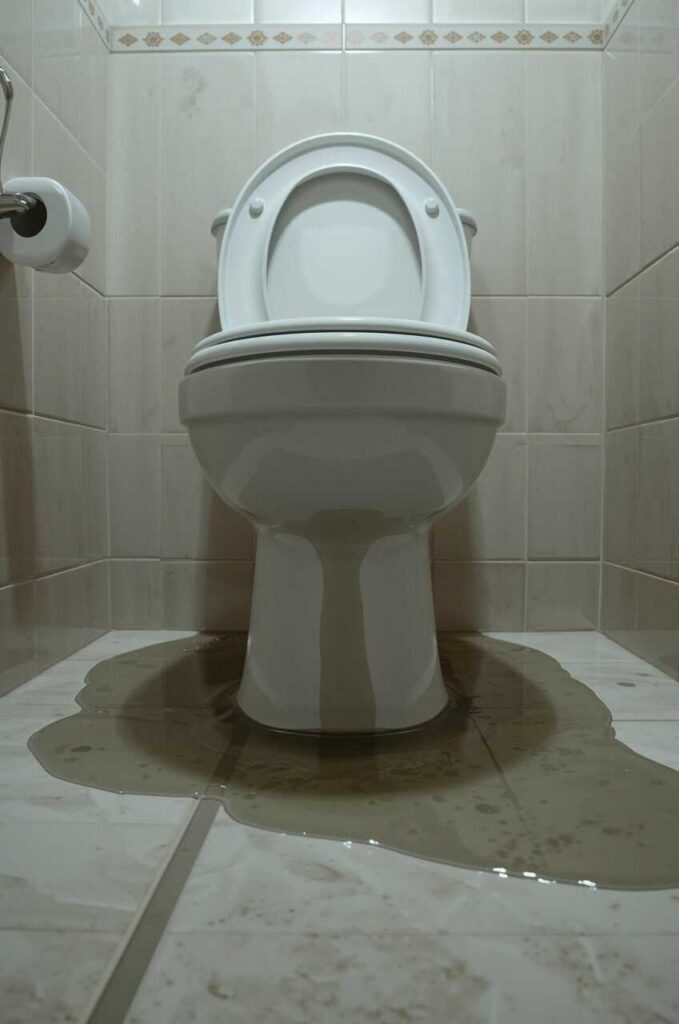
When faced with a sewage backup, quick action is vital to minimize damage and health risks. First, you need to identify the source of the backup and ensure your safety before proceeding. Turning off the water supply is essential to prevent further flooding. After that, removing standing water becomes your top priority. Understanding these steps can make a significant difference in managing the situation effectively. Let’s explore what comes next.
Key Takeaways
- Immediately turn off the main water supply to prevent further flooding and damage.
- Wear protective gear and ensure the area is well-ventilated during cleanup.
- Use pumps or wet vacuums to remove standing water quickly and safely.
- Clean and disinfect all affected surfaces thoroughly to eliminate pathogens.
- Assess damage and consult professionals for severe issues or ongoing concerns.
Identify the Source of the Backup
How can you effectively pinpoint the source of a sewage backup? Start with a thorough sewage inspection. Check all visible pipes and fixtures for signs of leaks or damage. If you notice slow drainage or unusual odors, these could indicate a blockage.
Utilize blockage detection tools, like a plumbing snake or camera, to inspect deeper within your system.
Next, trace the backup’s path. Begin at the furthest point from the main sewer line and work your way back. This method helps narrow down potential problem areas. Pay attention to changes in water levels; sudden fluctuations can signal a blockage.
If you suspect tree roots or grease buildup, it’s essential to act swiftly. Document your findings for future reference and potential professional intervention.
Identifying the source early can save you time and money, helping you stay connected with your home’s plumbing health.
Ensure Safety Precautions
Before addressing a sewage backup, it’s essential to prioritize safety precautions to protect yourself and your property.
Start by wearing appropriate safety gear, including gloves, masks, and boots, to minimize your exposure to harmful pathogens. Personal protective equipment (PPE) acts as a barrier against contaminants present in sewage.
Verify the area is well-ventilated to reduce inhalation risks from unpleasant odors and harmful gases.
Avoid direct contact with the sewage and contaminated surfaces. If possible, use tools to assist with cleanup, further reducing your risk of exposure.
It’s also wise to keep children and pets away from the affected area until it’s fully cleaned and sanitized.
Remember, taking these precautions safeguards your health and fosters a sense of community responsibility.
Turn Off Water Supply
When facing a sewage backup, your first step should be to locate the main water valve and turn it off immediately.
This action prevents further water flow and minimizes damage.
Additionally, make certain to turn off any appliances that may use water to ensure safety and control the situation.
Locate Main Water Valve
To effectively manage a sewage backup, the first step is locating your main water valve to turn off the water supply.
This valve is typically found near the perimeter of your home, often in the basement, crawl space, or outside near the foundation. Knowing the main valve location is essential for quick shutoff procedures.
Once you find the valve, it’s usually a simple twist or lever action to shut off the water. If you’re unsure about its exact position, refer to your home’s plumbing layout or consult with a professional.
Familiarizing yourself with this process ensures you’re prepared during an emergency, helping you mitigate damage and restore order swiftly.
Always prioritize safety and act quickly!
Turn Off Appliances
After you’ve located the main water valve, it’s vital to turn off any appliances that rely on water, including dishwashers, washing machines, and water heaters.
This step is critical for appliance safety during sewage backup emergencies. By shutting off these appliances, you prevent further water discharge and minimize damage to your home.
Make sure you follow emergency procedures by unplugging electrical devices near water sources to reduce the risk of electrocution. Always check for leaks or damage to hoses and lines while you’re at it.
Remove Standing Water
Before you start removing standing water, make sure you’ve taken necessary safety precautions to protect yourself from hazardous materials.
Use appropriate tools like pumps or wet vacuums to effectively remove the water.
Once you’ve cleared the area, dispose of the wastewater properly to prevent further contamination.
Safety Precautions First
How can you ensure safety while addressing a sewage backup? First, prioritize your well-being by donning protective gear. This minimizes exposure to harmful bacteria and pathogens.
Next, make sure you have an emergency kit on hand, stocked with essential supplies.
Here are four vital safety precautions:
- Wear Protective Gear: Use gloves, masks, and boots to shield yourself from contaminants.
- Ventilate the Area: Open windows and doors to improve air circulation and reduce odors.
- Turn Off Electricity: Prevent electrical hazards by shutting off power in affected areas.
- Avoid Direct Contact: Never wade through standing water; it may contain dangerous substances.
Use Appropriate Tools
To effectively remove standing water from a sewage backup, you’ll need the right tools on hand.
Start with a submersible pump, which can quickly extract large volumes of water. You’ll also want durable plumbing tools like wrenches and pliers for any necessary repairs.
A wet/dry vacuum is essential for smaller amounts of water, ensuring you get every last drop.
Don’t forget to grab your maintenance kits, which should include gloves, goggles, and disinfectants to protect yourself and your environment.
Having these tools accessible speeds up the cleanup process and ensures you’re prepared for future emergencies.
Dispose of Water Properly
Once you’ve gathered your tools, it’s important to dispose of water properly to prevent further damage and health risks.
Effective contaminated water management is vital in these situations. Here are four proper disposal methods to keep in mind:
Use a Wet/Dry Vacuum: This tool efficiently removes standing water from hard surfaces.
Drainage Systems: If available, direct the water to your home’s drainage system, ensuring it’s functioning properly.
Sanitize: After removal, use disinfectants to clean surfaces exposed to contaminated water.
Dispose of Waste: Follow local regulations for disposing of water and materials that may carry pathogens.
Use a Wet/Dry Vacuum
When facing a sewage backup, using a wet/dry vacuum can be an effective first response to minimize damage and facilitate cleanup.
These vacuums are equipped with powerful motors and large capacity tanks, making them ideal for handling both liquid and solid waste. Look for wet/dry vacuum features like a durable hose, multiple attachments, and easy-switch filters to enhance your cleanup efficiency.
Before you start, verify your vacuum is in good working condition. Regular vacuum maintenance, such as checking for clogs and cleaning the filters, will keep it performing effectively during emergencies.
Always wear appropriate protective gear, including gloves and masks, to ensure your safety.
Once you’re ready, carefully vacuum the affected areas, making sure to dispose of waste properly. This proactive approach speeds up the cleanup process and helps mitigate potential health risks associated with sewage exposure.
Disinfect Affected Areas
After you’ve removed the bulk of the sewage, it’s crucial to disinfect the affected areas to eliminate harmful pathogens and prevent future issues.
Proper disinfection protects your health and ensures the safety of your home environment.
Follow these steps to effectively disinfect:
Clean Surfaces: Use a heavy-duty cleaner to scrub all surfaces that came into contact with sewage.
Disinfect Surfaces: Apply a commercial disinfectant or a bleach solution (1 cup bleach to 5 gallons of water) to sanitize surfaces, making sure you cover all areas.
Sanitize Equipment: Clean and sanitize any tools or equipment used during the cleanup, including gloves and mops.
Air Out the Area: Open windows and use fans to ventilate the space, helping to remove any lingering odors and moisture.
Taking these steps will greatly reduce the risk of infection and help restore your space.
Check and Clear Drains
To prevent sewage backups, you need to check and clear your drains regularly.
Start by identifying potential blockage sources, such as grease buildup or foreign objects.
Then, use appropriate drain cleaning tools to effectively remove any obstructions.
Identify Blockage Sources
Identifying blockage sources is essential for preventing sewage backups, as even minor clogs can lead to significant issues.
You should regularly check your drains to verify they’re clear of potential obstructions.
Here are four common sources of blockages to look for:
Clogged pipes: Accumulation of grease, hair, or debris can obstruct flow.
Tree roots: Roots can invade sewer lines, causing cracks and blockages.
Foreign objects: Items like wipes, sanitary products, or toys can easily cause clogs.
Settling soil: Ground movement can shift pipes, leading to misalignment and blockages.
Addressing these sources promptly can save you from costly repairs and unpleasant backups.
Stay proactive, and your plumbing system will thank you!
Use Drain Cleaning Tools
When you notice slow drains or backups, it’s essential to act quickly using effective drain cleaning tools.
Start with a drain snake, a handy device designed to maneuver through pipes and dislodge stubborn clogs. Insert it into the drain and twist it to grab debris, pulling it out for easier disposal.
If the blockage is deeper, consider using plumbing augers. These tools have a coiled end that can reach further into your plumbing system, breaking up tougher blockages.
Always wear gloves and have buckets handy to catch any mess. By utilizing these tools, you can restore your drains efficiently and minimize the risk of sewage backup, ensuring your home remains a comfortable and safe space.
Assess and Repair Damage
As soon as you’ve dealt with the immediate aftermath of a sewage backup, it’s crucial to assess and repair any damage to prevent further complications.
Start by evaluating the affected areas thoroughly. Here’s a concise approach to guide you:
Inspect Materials: Check walls, flooring, and furniture for stains, warping, or structural damage.
Identify Contaminated Items: Discard any porous materials, like carpets and upholstery, that can’t be properly cleaned.
Use Repair Methods: For minor damage, clean and disinfect surfaces. For severe cases, you may need to replace drywall or flooring entirely.
Monitor for Mold: Keep an eye out for mold growth in the following weeks and address it immediately if it appears.
Contact a Professional Service
After evaluating the damage from a sewage backup, contacting a professional service is essential to ensure a thorough and safe cleanup.
Sewage can contain harmful pathogens and contaminants, making it vital to rely on experts who understand the risks and proper protocols. When you reach out to emergency contacts for professional services, they’ll assess the situation quickly and efficiently.
These specialists have the right tools and training to handle hazardous waste, ensuring your home is restored to a safe environment. They’ll also identify the source of the backup, helping prevent future occurrences.
Don’t hesitate to ask about their certifications and experience; knowing you’re in capable hands will ease your stress during this challenging time.
Remember, dealing with sewage isn’t just a DIY project—it requires professional intervention to protect your health and property.
Prioritize safety and let the experts manage the cleanup for you.
Implement Preventative Measures
Once the cleanup from a sewage backup is complete, focusing on preventative measures can help safeguard your home from future incidents.
Implementing a robust maintenance plan is essential. Here are four key steps you should take:
Schedule Regular Inspections: Have a professional check your plumbing and sewage systems regularly to identify potential issues before they escalate.
Perform Preventative Maintenance: Regularly clean and maintain your drains to prevent blockages that can lead to backups.
Install Backflow Prevention Devices: These devices can prevent sewage from flowing back into your home during heavy rainfall or system overload.
Monitor Water Usage: Excessive water usage can strain your plumbing. Be mindful of your water consumption to help avoid overloading the system.
Frequently Asked Questions
What Are the Common Causes of Sewage Backups?
Common causes of sewage backups include pipe blockages from grease, hair, or foreign objects and drainage issues like collapsed pipes or tree root intrusion. Addressing these problems promptly helps maintain a healthy plumbing system.
How Can I Prevent Sewage Backups in the Future?
To prevent sewage backups, you’ll need regular plumbing maintenance, proper waste disposal, and the installation of backflow valves. Staying vigilant about preventive measures ensures your system functions smoothly, protecting your home and keeping your community safe.
Is Sewage Backup Harmful to Health?
Yes, sewage backup poses significant health risks due to sewage contamination. It can lead to serious infections and respiratory issues. Taking prompt action can help minimize exposure and protect your health and well-being.
How Quickly Should I Act During a Sewage Backup?
Swiftly seeking safety is vital during a sewage backup. Your immediate response involves following emergency procedures—shutting off utilities, evacuating affected areas, and contacting professionals. Act fast to minimize damage and protect your health.
Will My Insurance Cover Sewage Backup Damages?
Your insurance might cover sewage backup damages, but it depends on your policy’s coverage limits and potential exclusions. Review your policy carefully to understand what’s included and consider discussing it with your agent for clarity.
Recap
In the grand scheme of home maintenance, who knew a sewage backup could turn into an unexpected adventure? By following these steps, you can tackle the mess with confidence instead of dread. Remember, while you might think plumbing problems are just a nuisance, they can also become a surprising lesson in preparedness. So, gear up, act fast, and take charge—your home’s well-being depends on it. After all, nothing says “home sweet home” like a clean, sewage-free space!