

Contents
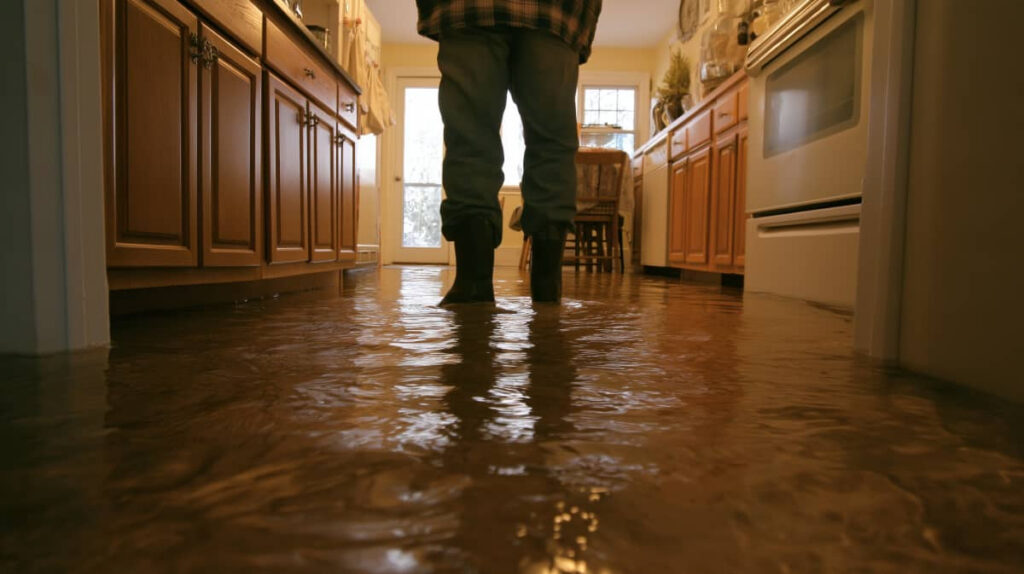
After a flood, you’re likely facing water damage and the looming threat of mold growth. Understanding how mold proliferates in damp environments is vital to your mold cleanup efforts. You’ll need to assess the damage carefully and identify affected areas. It’s important to prioritize safety during this process. By following effective removal techniques and preventative measures, you can protect your home from future infestations. The steps you take now can make all the difference.
Key Takeaways
- Conduct a thorough visual inspection and use moisture detection tools to identify mold-prone areas after flooding.
- Wear appropriate PPE and ensure proper ventilation while removing mold to minimize health risks.
- Use natural mold inhibitors and specialized equipment for effective mold removal and cleanup.
- Monitor indoor humidity levels and repair leaks promptly to prevent future mold growth.
- Document all damage and review insurance coverage for potential claims related to mold damage.
Understanding Mold Growth After Flooding
When floodwaters recede, the conditions become ripe for mold growth, as excess moisture creates an ideal environment for spores to thrive.
Mold spores are everywhere, and when humidity levels soar after flooding, they settle in damp areas, leading to rapid growth. In just 24 to 48 hours, you can notice a change, especially in materials like drywall, wood, and carpets that retain moisture.
To combat this, it’s essential to act quickly. Lowering humidity levels through ventilation or dehumidifiers can greatly reduce mold risk.
Regularly inspect areas prone to moisture, such as basements or under sinks, as these spots often become breeding grounds.
Being proactive protects your home and fosters a sense of community, as shared experiences in recovery can strengthen bonds.
Understanding mold growth equips you to create a safe environment for yourself and loved ones, ensuring everyone feels secure and at home.
Assessing Damage and Identifying Affected Areas
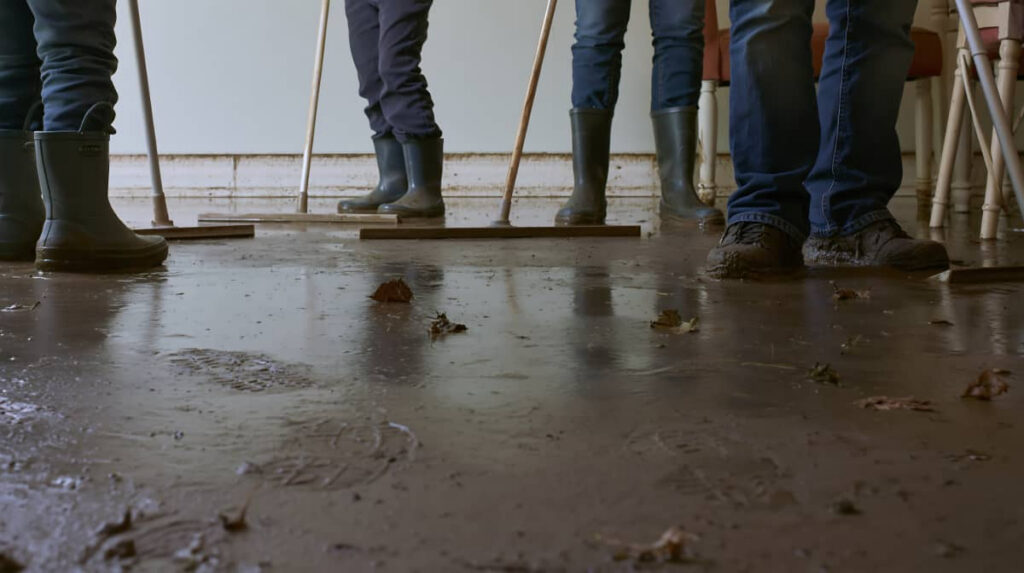
Before you begin the cleanup process, it’s essential to assess the damage and identify areas affected by mold. This step ensures a thorough and efficient remediation.
Use effective mold inspection techniques and moisture detection tools to pinpoint problem areas. Here’s how to get started:
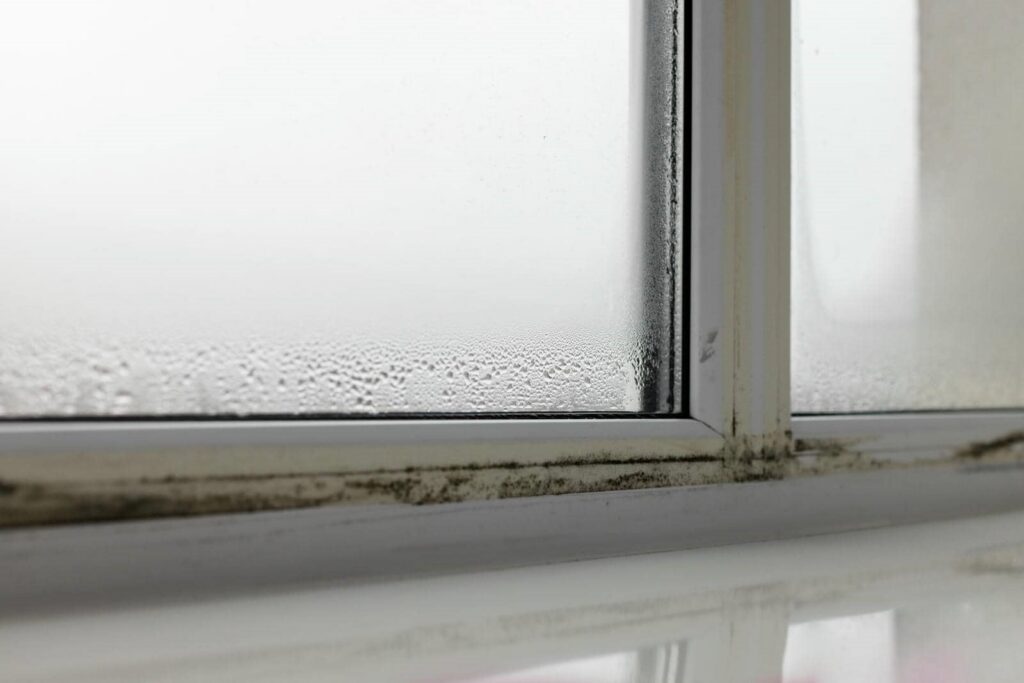
Visual Inspection: Check walls, ceilings, and floors for discoloration, warping, or stains, which can indicate mold growth.
Moisture Measurement: Utilize moisture detection tools like hygrometers to identify high moisture levels in materials that could promote mold.
Air Quality Testing: Consider air sampling to detect airborne mold spores, especially in areas where visible mold isn’t present.
Safety Precautions During Cleanup
When you’re tackling mold cleanup, prioritizing safety is essential.
You’ll need to wear appropriate personal protective equipment (PPE) to shield yourself from harmful spores, and ensure proper ventilation to maintain airflow in the affected area.
Taking these precautions protects your health and helps streamline the cleanup process.
Personal Protective Equipment
Although tackling mold cleanup after a flood is essential for health and safety, using the right personal protective equipment (PPE) is equally important to minimize exposure to harmful spores and contaminants.
Your personal safety should be your top priority, so invest in the proper protective gear. Here are three essential items you’ll need:
N95 Respirator Mask: This filter helps block mold spores from entering your lungs.
Safety Goggles: Protect your eyes from irritants and debris during the cleanup process.
Gloves: Use durable, waterproof gloves to safeguard your hands from exposure to mold and cleaning solutions.
Ventilation and Airflow
Using personal protective equipment is just the first step in ensuring your safety during mold cleanup. Effective ventilation and airflow are critical in managing mold spores.
To promote air circulation, open windows and use fans to create cross-ventilation. This helps dilute airborne contaminants and reduces your exposure risk. Consider using dehumidifiers to assist in humidity control; keeping levels below 60% can greatly hinder mold growth.
Remember, stagnant air can exacerbate mold issues, so actively maintain airflow throughout the cleanup process. By prioritizing these strategies, you contribute to a healthier environment not just for yourself, but for everyone involved.
Your attention to ventilation will help you reclaim your space safely and effectively, fostering a sense of belonging in your home once again.
Effective Mold Removal Techniques
Effective mold removal techniques require a systematic approach to secure thorough eradication and prevent future growth.
To effectively tackle mold, consider the following steps:
Identify and Contain: Locate the source of moisture and contain the affected area. This prevents spores from spreading during the cleanup process.
Utilize Natural Mold Inhibitors: Incorporate natural solutions like vinegar or tea tree oil. These are effective in inhibiting mold growth without harmful chemicals.
Implement Advanced Removal Technologies: Use HEPA filters and specialized vacuums to capture mold spores effectively. This technology secures a deeper clean that traditional methods might miss.
Cleaning and Disinfecting Surfaces
To effectively clean and disinfect surfaces after a flood, you need to focus on proper surface preparation techniques.
This involves removing all dirt and debris before applying any disinfectant solutions.
Choosing the right disinfectants is essential for ensuring that mold and bacteria are eliminated completely.
Surface Preparation Techniques
After a flood, preparing surfaces for mold cleanup is essential to ensure a thorough and effective process. You must employ the right surface treatment methods to ensure your efforts are successful.
Here are three important substrate cleaning techniques:
Remove Contaminants: Start by scrubbing surfaces with a mixture of water and detergent to eliminate dirt and debris, which can harbor mold spores.
Dry Surfaces Completely: Use fans and dehumidifiers to secure surfaces dry out quickly, as moisture promotes mold growth.
Inspect for Damage: Check for any underlying issues, such as waterlogged materials, that may need replacement to prevent future infestations.
Effective Disinfectant Solutions
Disinfecting surfaces following a flood is crucial for preventing mold regrowth and ensuring a safe environment. You have two main options: natural disinfectants and chemical disinfectants.
Natural disinfectants, such as vinegar or hydrogen peroxide, can effectively kill mold spores without harsh chemicals, making them safer for your family and pets. However, make sure you use adequate concentrations and allow sufficient contact time for effectiveness.
On the other hand, chemical disinfectants, like bleach or commercial mold removers, offer powerful solutions for tough infestations but require careful handling. Always follow the manufacturer’s instructions and wear protective gear.
Drying and Dehumidifying the Affected Space
Effective drying and dehumidifying of the affected space is essential in preventing mold growth following a flood. To achieve this, you’ll need to employ effective drying techniques and make smart dehumidifier selections.
Here are three key steps to follow:
Assess the Damage: Identify all areas that are wet or damp, including hidden spaces like behind walls or under flooring.
Choose the Right Equipment: Select a dehumidifier with adequate capacity for the size of your space. A higher capacity unit will remove moisture more efficiently.
Increase Airflow: Use fans to circulate air throughout the area. This helps speed up the drying process and reduces humidity levels.
Preventing Future Mold Growth
Although you may have successfully dried out your space, taking proactive measures to prevent future mold growth is vital. Start by implementing effective mold prevention strategies.
Focus on moisture control, as excess humidity is a breeding ground for mold. Keep indoor humidity levels below 60% using dehumidifiers, especially in basements and bathrooms.
Regularly inspect areas prone to moisture, such as under sinks and around windows. Repair leaks promptly and ensure proper ventilation in high-humidity areas. Use exhaust fans during showers and cooking to minimize moisture buildup.
Consider using mold-resistant materials for any renovations or repairs. Paint your walls with mold-resistant paint to create an added layer of protection.
Additionally, regularly clean and maintain your gutters to prevent water intrusion. By staying vigilant and proactive, you’ll create a healthier, mold-free environment that fosters belonging and safety for you and your loved ones.
Professional Mold Remediation Services
When dealing with significant mold issues, hiring professional mold remediation services can be essential for a safe and thorough cleanup.
These experts possess the knowledge and the tools to tackle mold effectively. Here’s why you should consider engaging remediation specialists:
Comprehensive Mold Inspection: Professionals conduct detailed assessments to identify mold sources and assess damage, ensuring no hidden problems remain.
Targeted Remediation Techniques: They use advanced methods to remove mold safely, preventing its spread and protecting your home from further contamination.
Preventative Measures: Remediation specialists provide guidance on future mold prevention, helping you create a safe, healthy environment.
Insurance Considerations for Mold Cleanup
Understanding the intricacies of insurance coverage for mold cleanup is essential, especially after a flood. First, review your policy to determine what’s covered. Many homeowners’ insurance plans include mold damage, but there may be specific conditions or limits.
If you’ve experienced a flood, your coverage may differ based on whether the flood was from a natural disaster or an internal plumbing issue.
When you initiate the claim process, document all damage thoroughly. Take photos, list affected areas, and keep receipts for any immediate repairs. This documentation supports your claim and streamlines communication with your insurance adjuster.
Be prepared for potential pushback or requests for additional information. Understanding your rights and responsibilities can empower you during discussions with your insurer.
If mold cleanup isn’t covered, consider discussing mitigation options or appealing the decision. Remember, being well-informed strengthens your position in the claim process.
Frequently Asked Questions
How Long Does Mold Take to Grow After Flooding?
Mold can start growing within 24 to 48 hours after flooding, depending on flood damage factors like moisture levels and temperature. Understanding the mold growth timeline helps you act quickly to mitigate potential health risks.
Can I Use Bleach to Kill Mold?
You can’t rely solely on bleach for mold removal. While it can kill surface mold, it doesn’t penetrate porous materials. Think of it like a band-aid; it covers, but doesn’t heal the underlying problem effectively.
What Items Are Salvageable After a Flood?
After a flood, you can often salvage furniture made of solid wood or metal, while flood-damaged electronics typically require professional assessment. Always prioritize safety and consult experts before attempting to restore any items.
How Can I Tell if Mold Is Toxic?
To identify toxic mold, watch for symptoms like coughing, sneezing, or skin irritation. Examine mold types; black or green varieties often indicate toxicity. Trust your instincts—if it feels harmful, it probably is. Stay safe!
Will Mold Return After Cleanup if Conditions Aren’t Improved?
Yes, mold can return after cleanup if you don’t improve conditions. Implement effective mold prevention strategies and maintain humidity control to ensure a healthy environment, preventing future growth and fostering a sense of safety in your space.
Summary
In the aftermath of a flood, your swift action can be the difference between a safe home and a mold-infested nightmare. By following this guide, you can tackle mold head-on, ensuring your living space remains healthy and secure. Remember, an ounce of prevention is worth a pound of cure; controlling humidity and fixing leaks now can save you from costly remediation later. Don’t wait—act decisively to protect your home and well-being from the lurking dangers of mold.