

Contents
When an emergency strikes and water damages your structure, quick action is vital. You need to assess the damage promptly to determine its extent and ensure safety. Consulting professionals can make a significant difference, especially for extensive issues. Plus, using the right structural drying equipment can optimize drying. But what are the specific tools and strategies that can prevent further complications? Let’s explore the essential steps you should take to effectively manage this situation.
Key Takeaways
- Assess the damage promptly to identify the extent of water intrusion and prioritize safety during the recovery process.
- Consult professionals for accurate evaluations and guidance, especially for extensive structural damage.
- Utilize powerful dehumidifiers and strategically placed air movers to enhance drying efficiency and prevent mold growth.
- Monitor humidity and temperature levels regularly to adjust drying equipment and maintain optimal conditions.
- Act quickly to minimize damage, reduce recovery time, and ensure a safe environment for everyone involved.
Assess the Damage Quickly
When disaster strikes, the clock starts ticking, and evaluating the damage quickly is essential. You need to act fast to minimize long-term effects, so begin with a thorough damage evaluation.
Walk through the affected area, noting any water intrusion, structural issues, or hazards that could pose risks. Take photos for documentation; they’ll be helpful for insurance claims and recovery planning.
Your rapid response can make a significant difference in how quickly everything returns to normal. Prioritize safety—make sure no one’s at risk from falling debris or electrical hazards.
If you notice extensive damage, it’s crucial to consult professionals who can assess the situation accurately. Remember, you’re not alone in this; reaching out for help fosters a sense of belonging and support.
Utilize Professional Equipment
To effectively tackle emergency structural drying, utilizing professional equipment is essential.
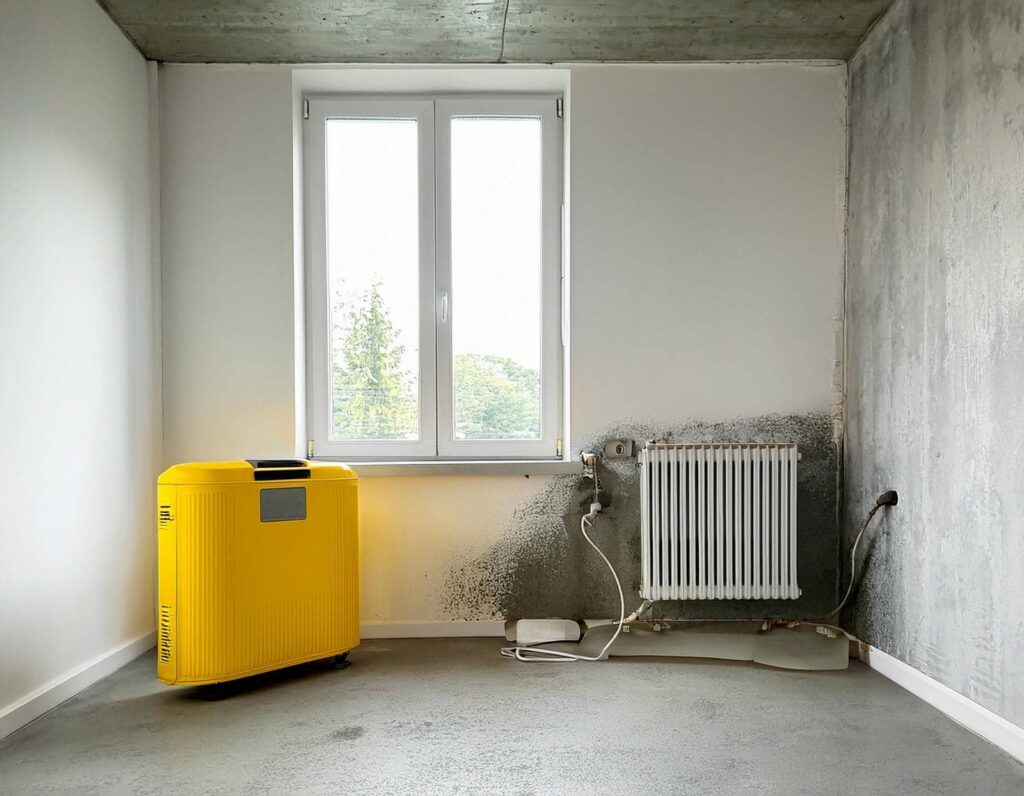
Start with careful dehumidifier selection; choose a unit that suits your space and moisture level. A powerful dehumidifier will help minimize humidity, speeding up the drying process and preventing mold growth.
Next, focus on air mover placement. Position the air movers strategically to create ideal airflow throughout the affected area.
Direct the airflow towards wet surfaces, ensuring every corner receives attention. This setup enhances evaporation and speeds up drying times considerably.
Monitor and Maintain Drying Conditions
After setting up professional equipment, it’s vital to monitor and maintain the drying conditions to secure the best results.
Regularly checking humidity levels and temperatures ensures that your environment remains conducive to effective drying.
- Use hygrometers for precise humidity control.
- Implement thermometers to consistently track temperature changes.
- Adjust equipment settings based on real-time data to optimize drying efficiency.
Frequently Asked Questions
How Long Does the Emergency Drying Process Typically Take?
The emergency drying process typically takes 24 to 72 hours, depending on the drying duration and efficiency. Factors like moisture levels and environmental conditions can impact how quickly you achieve ideal results.
What Types of Structures Require Emergency Drying Services?
You’ll need emergency drying services for residential homes and commercial buildings affected by water damage. Prompt action helps prevent further issues, ensuring your space returns to normal quickly and safely for everyone involved.
Can I Perform Structural Drying Myself?
You can attempt structural drying yourself with DIY techniques, but it’s risky. Without proper drying equipment and knowledge, you might miss hidden moisture, leading to bigger problems. Consider hiring professionals for effective, thorough results.
Will My Insurance Cover Emergency Structural Drying Costs?
Your insurance might cover emergency structural drying costs, but it depends on your policy. Check with your provider about coverage for drying services to ensure you’re protected during this stressful time.
What Are the Signs of Improper Drying?
If you notice persistent dampness, musty odors, or visible mold, it shows improper drying. Use moisture-detection tools and ensure drying equipment operates effectively to prevent further damage and maintain a healthy environment in your space.
Wrap-Up
In the face of water intrusion, remember that time is of the essence. By quickly evaluating the damage, utilizing professional equipment, and carefully monitoring drying conditions, you can safeguard your property from further harm. Don’t let a small leak turn into a big problem—act swiftly and smartly. It’s better to be safe than sorry, so take these essential steps to ensure effective recovery and protect your investment for the long haul.