

Contents
Flooding can act like a silent thief, stealing away safety and health from your home. When floodwaters mix with sewage, they bring hidden dangers that can linger long after the waters recede. Understanding the urgency of effective cleanup techniques is vital to protect both your health and property. What steps should you take to ensure a thorough cleanup and safeguard against future risks? The answers may surprise you.
Key Takeaways
- Effective sewage cleanup techniques prevent the spread of harmful pathogens, reducing health risks for vulnerable populations like children and the elderly.
- Prompt cleanup minimizes property damage and safeguards the structural integrity of homes affected by flooding.
- Timely intervention helps avoid mold growth, which can lead to serious health issues and costly repairs.
- Proper techniques ensure contaminated water does not harm local ecosystems and preserve wildlife and plant life.
- Utilizing the right equipment and protective gear during cleanup enhances safety and ensures thorough sanitation of affected areas.
Understanding the Risks of Sewage Contamination
When flooding occurs, you need to understand the serious risks associated with sewage contamination. Sewage pathogens, such as bacteria and viruses, pose significant health threats. These pathogens can enter your living space through contaminated water, creating a hazardous environment.
Common contamination sources include overflowing sewage systems, broken sewer lines, and agricultural runoff.
Awareness of these risks is essential for your safety and well-being. Exposure to sewage can lead to infections and gastrointestinal illnesses, which can be particularly severe for vulnerable populations, like children and the elderly.
The presence of hazardous materials may not be immediately visible, making it imperative to address potential contamination swiftly and thoroughly.
The Importance of Timely Sewage Cleanup
Timely sewage cleanup is essential for reducing health risks associated with contaminated water.
If you delay the process, you increase exposure to harmful pathogens and heighten the potential for severe property damage.
Acting quickly can safeguard both your health and your home’s structural integrity.
Health Risk Mitigation
Although flooding can disrupt lives in numerous ways, the presence of sewage poses immediate health risks that require swift action. Contaminated water can lead to bacterial infections, which may affect anyone exposed.
When you delay sewage cleanup, you’re not just risking structural damage; you’re also increasing the likelihood of serious health issues. Pathogens thrive in stagnant water, and they can cause respiratory issues, especially in vulnerable populations like children and the elderly.
Furthermore, the longer sewage remains, the higher the chance of mold growth, compounding health risks. By addressing the problem quickly, you protect yourself and your loved ones from these dangers, ensuring a safer environment for your community.
Don’t underestimate the importance of timely sewage cleanup—it’s essential for health risk mitigation.
Property Damage Prevention
Effective sewage cleanup is essential for health and for preventing extensive property damage. When floods occur, sewage contamination can compromise your property’s integrity.
If you don’t act quickly, the resulting moisture and contaminants can weaken structures and promote mold growth, leading to costly repairs. This is where your flood insurance can play a vital role; however, timely cleanup is often required to validate claims.
Regular property maintenance can also mitigate risks associated with sewage leaks, ensuring your space remains safe and sound. By prioritizing effective cleanup, you’re protecting your health and your investment.
Don’t wait until it’s too late; prompt action can save you from significant financial loss and preserve the value of your property.
Essential Equipment for Sewage Cleanup
When dealing with sewage cleanup after flooding, having the right equipment is essential for a safe and efficient process.
Using the appropriate indispensable tools and cleanup supplies can greatly reduce health risks and streamline your efforts.
Here’s a list of important equipment you should consider:
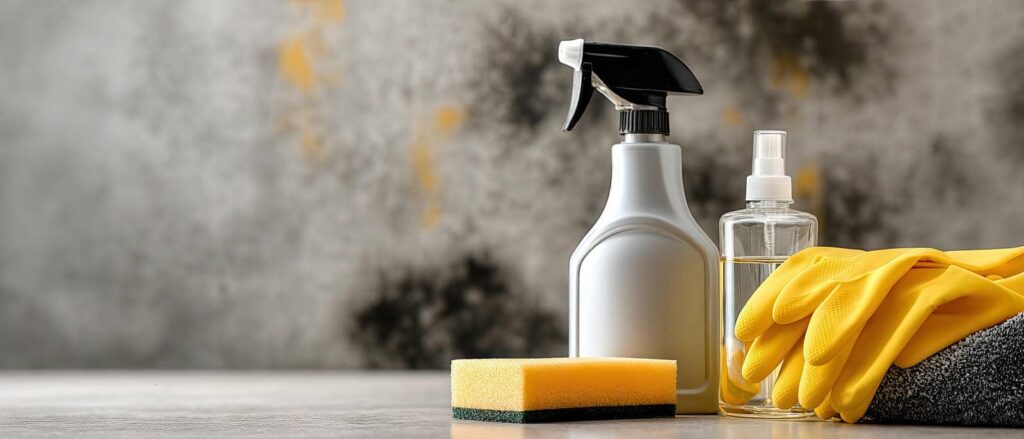
Personal Protective Equipment (PPE): Gloves, masks, and goggles protect you from harmful pathogens.
Wet/Dry Vacuum: This versatile tool helps you remove water and sewage effectively.
Disinfectants: Strong cleaning agents are critical for sanitizing surfaces post-cleanup.
Mops and Buckets: These are necessary for final cleaning touches and ensuring no residue remains.
Equipping yourself with these items enhances safety and fosters a sense of community and shared responsibility.
You’ll feel more confident tackling the challenge, knowing you have the right tools at your disposal.
Step-by-Step Sewage Cleanup Process
Before you start the sewage cleanup process, it’s essential to prioritize safety precautions.
Wearing protective gear and ensuring proper ventilation can greatly reduce health risks associated with contaminated water.
Once you’ve secured your safety, you’ll be ready to apply effective disinfection methods to restore the affected area.
Safety Precautions First
Although flooding can create hazardous conditions, taking the right safety precautions is vital before you begin the sewage cleanup process.
Start by evaluating your environment and make sure you’re equipped for the task. Proper personal protective equipment selection will help safeguard your health.
Here are some key safety precautions to take into account:
- Wear rubber gloves to protect your hands from contaminants.
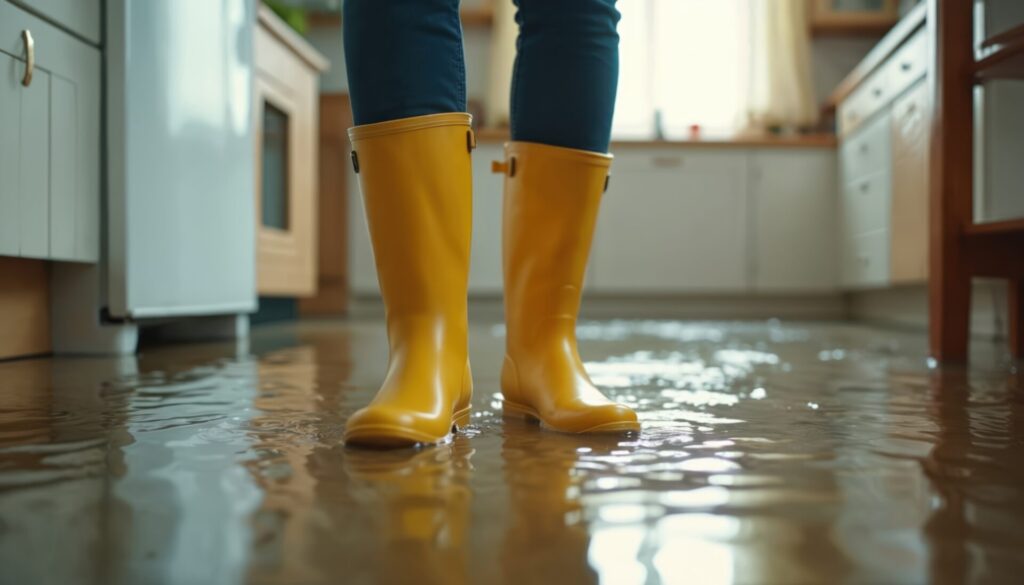
- Use waterproof boots to avoid contact with contaminated water.
- Don a mask to prevent inhaling harmful particles or fumes.
- Make sure you have goggles to shield your eyes from splashes.
Proper Disinfection Methods
As you begin the sewage cleanup process, employing proper disinfection methods is essential to eliminate harmful pathogens and prevent future health risks.
Start by thoroughly cleaning all surfaces with soap and water to remove debris. Next, apply an EPA-approved disinfectant, making sure it’s suitable for sewage cleanup. Follow the manufacturer’s instructions for dilution and contact time, as effectiveness hinges on proper usage.
Don’t forget to disinfect commonly touched areas, like doorknobs and light switches, using sanitation techniques to ensure thorough coverage. After disinfection, allow surfaces to air dry to maximize pathogen elimination.
Finally, consider using a second round of disinfection for added safety, especially in high-risk areas. Your commitment to these methods fosters a healthier environment for everyone involved.
Safety Precautions During Sewage Cleanup
When tackling sewage cleanup after flooding, it’s vital to prioritize safety, since exposure to contaminated water can pose serious health risks.
You need to follow specific cleanup protocols to protect yourself effectively. Here are some important safety precautions to take into account:
- Wear personal protective equipment (PPE) like gloves, masks, and waterproof boots.
- Ensure proper ventilation in the area to minimize inhalation of harmful fumes.
- Avoid direct contact with contaminated surfaces; use tools or equipment instead.
- Disinfect all equipment and clothing used during the cleanup process.
Professional vs. DIY Sewage Cleanup
After ensuring your safety during sewage cleanup, you may decide whether to handle the situation yourself or hire professionals.
While DIY cleanup might seem cost-effective, consider the risks involved. Professional expertise ensures that the job is done correctly, mitigating health hazards associated with sewage exposure.
Professionals have access to specialized equipment and techniques that can effectively remove contaminants and prevent future issues.
When weighing your options, a cost comparison is essential. DIY methods may save you money upfront, but could lead to greater expenses down the line due to inadequate cleanup.
Professionals eliminate immediate dangers and provide peace of mind, knowing the job meets safety standards.
Ultimately, the choice depends on your comfort level, the severity of the situation, and your budget.
Prioritizing safety and thoroughness can lead to a healthier living environment for you and your loved ones.
Long-Term Effects of Inadequate Sewage Cleanup
Inadequate sewage cleanup can lead to a range of long-term effects that compromise both health and property value. You mightn’t realize it, but the consequences extend far beyond the immediate aftermath of flooding.
Neglecting proper cleanup can result in:
Long-term health issues: Mold and bacteria thrive in untreated areas, potentially causing respiratory problems or infections.
Environmental consequences: Contaminated water can leach into local ecosystems, harming wildlife and plants.
Structural damage: Persistent moisture can weaken foundations, leading to costly repairs.
Decreased property value: Homes in areas with poor sewage management can see plummeting market prices.
Preventative Measures to Avoid Future Sewage Issues
To prevent future sewage issues, it’s essential to implement proactive strategies that address potential vulnerabilities in your plumbing and drainage systems.
Start with regular maintenance; schedule inspections to identify and fix any leaks or blockages before they escalate. This routine maintenance extends the lifespan of your systems and ensures they function effectively during severe weather.
Additionally, consider installing flood barriers around your property. These barriers can greatly reduce the risk of sewage backup during heavy rains or flooding events. They act as a shield, protecting your home’s plumbing from external water intrusion.
Frequently Asked Questions
How Can I Identify Sewage Contamination in My Home?
You can identify sewage contamination by using sewage detection methods like checking for foul odors, discoloration, or visible waste. Look for signs such as water stains, mold growth, or unusual insect activity in your home.
What Health Risks Are Associated With Sewage Exposure?
Exposure to sewage can lead to serious health issues, including infections and gastrointestinal diseases. Contamination sources like bacteria and viruses lurk in floodwaters, threatening your well-being and that of your loved ones. Stay vigilant.
Can I Use Bleach for Sewage Cleanup?
You shouldn’t use bleach for sewage cleanup due to its limited effectiveness and potential health hazards. Instead, prioritize safety precautions, such as wearing protective gear and using specialized cleaners designed for sewage, to ensure thorough sanitation.
How Long Does It Take for Sewage Odors to Dissipate?
Sewage odor can linger like an unwelcome ghost, often taking several days to dissipate. For effective odor removal, ensure proper ventilation and consider using specialized deodorizers to speed up the process and restore comfort in your space.
What Should I Do if Sewage Cleanup Is Too Overwhelming?
If sewage cleanup feels overwhelming, don’t hesitate to seek professional assistance. They’ll handle sewage removal efficiently, ensuring safety and preventing health hazards, while you can focus on restoring your space and peace of mind.
Review
In the aftermath of flooding, addressing sewage contamination is crucial to safeguard your health and property. Acting promptly can save you from a world of trouble later on, reducing the risk of mold and structural damage. By employing effective cleanup techniques and using the right equipment, you protect your environment and enhance your property’s value. Remember, when it comes to sewage cleanup, the early bird catches the worm—so don’t hesitate to take action!