

Contents
When a pipe bursts, you need to act fast. Delaying water extraction can lead to severe structural damage and health risks, as moisture becomes a breeding ground for mold within just 24 to 48 hours. The longer you wait, the more costly and extensive the repairs will be. Understanding the immediate steps you must take can make all the difference in preserving your property and ensuring safety. What should you know about the extraction process?
Key Takeaways
- Immediate water extraction prevents significant damage and health risks, reducing mold growth within 24 to 48 hours.
- Delaying extraction compromises structural integrity, leading to costly repairs and property devaluation.
- Quick action mitigates mold growth and secondary damage by thoroughly drying affected materials within 24-48 hours.
- Professional water extraction services utilize advanced tools to identify hidden moisture and effectively prevent further damage.
- Prompt extraction and documentation strengthen insurance claims, protecting your investment and ensuring proper coverage.
Understanding the Risks of Delayed Water Extraction
When a pipe bursts, immediate water extraction is essential, as delays can lead to significant structural damage and health risks.
If you don’t act quickly, water damage can permeate walls, floors, and belongings, creating an environment ripe for mold growth. Mold can develop within 24 to 48 hours, posing serious health threats to you and your family.
Moreover, timely water extraction plays a critical role in your insurance claims.
If you wait too long, your insurer may deny your claim, arguing that you didn’t take reasonable steps to mitigate the damage.
It’s important to document the situation, including photographs and communication with professionals, to strengthen your claim.
Impact on Structural Integrity
Delayed water extraction can lead to mold growth and jeopardize the structural integrity of your property. When water damage occurs, it seeps into walls, floors, and foundations, weakening these essential components.
Over time, the continued presence of moisture can cause wood to rot, metal to corrode, and concrete to crack, all of which compromise structural safety.
If you wait too long to extract the water, you risk significant and costly damage. This affects the safety of your living environment and can devalue your property.
Immediate action helps maintain the integrity of your home, ensuring it remains a safe haven for you and your loved ones. By prioritizing swift water extraction, you safeguard your property and your sense of belonging.
Prevention of Mold Growth
To prevent mold growth effectively, acting quickly after a burst pipe is essential.
Mold thrives in damp environments, so immediate action is vital for mold prevention and moisture control. Here are three key steps you should take:
Extract Water: Remove standing water as soon as possible using pumps or wet vacuums to minimize exposure.
Dry the Area: Use dehumidifiers and fans to dry out affected areas. Ensure ventilation to promote airflow.
Inspect for Moisture: Regularly check hidden spaces, like behind walls and under flooring, for moisture accumulation.
Mitigating Secondary Damage
To effectively mitigate secondary damage after a burst pipe, you need to act quickly to prevent mold growth and preserve structural integrity.
Prompt water extraction minimizes repair costs and safeguards your property from long-term issues.
Prevent Mold Growth
Since water can quickly lead to mold growth, it’s vital to act swiftly after a burst pipe.
Mold prevention starts with immediate water extraction and careful humidity control. Here are three key steps to mitigate mold risks:
Extract Water: Use pumps and dehumidifiers to remove standing water and lower humidity levels.
Dry Affected Areas: Verify all materials—walls, flooring, and furniture—are thoroughly dried within 24-48 hours.
Monitor for Mold: Regularly check for any signs of mold in hidden areas, like behind walls or under carpets.
Preserve Structural Integrity
When you address water damage promptly, you help preserve the structural integrity of your property and mitigate secondary damage.
Delaying water extraction can lead to weakened materials, compromising the structural stability of walls, floors, and ceilings. Saturated wood can warp, while metal components may corrode, making your property unsafe.
By acting quickly, you minimize the risk of extensive damage that can threaten the very framework of your building. Additionally, rapid response prevents water from seeping into hidden areas, where it can cause mold growth and further decay.
Ensuring immediate water extraction safeguards your investment and maintains a safe environment for you and your loved ones.
Don’t wait; take action to protect your home’s structural integrity today.
Minimize Repair Costs
Acting quickly to extract water after a burst pipe can greatly minimize your repair costs.
By implementing effective cost-saving measures, you can mitigate secondary damage and maintain a sense of community in your living space.
Here are three key repair strategies to evaluate:
Immediate Extraction: Remove standing water within hours to prevent mold growth and structural deterioration.
Drying and Dehumidification: Use fans and dehumidifiers to thoroughly dry affected areas, reducing the risk of lingering moisture.
Professional Assessment: Engage a qualified technician to assess damage and recommend targeted repairs, ensuring no hidden issues are overlooked.
Importance of Professional Water Extraction Services
Although you might be tempted to handle water extraction on your own, professional services are crucial for effectively mitigating damage after a burst pipe. Water damage can escalate quickly, leading to structural issues and health risks from mold growth.
Professionals have the equipment and expertise to accurately assess the situation and promptly extract water, ensuring thorough drying and restoration. Using advanced tools, they can identify hidden pockets of moisture that DIY methods might miss.
Their knowledge of restoration services means they can implement the right techniques tailored to your specific needs, reducing the risk of future problems. Additionally, they can guide you through any insurance claims, making sure you receive the support you need.
Steps Involved in Immediate Water Extraction
To effectively manage water extraction after a burst pipe, it’s crucial to follow a series of systematic steps. Quick and efficient action can minimize damage and help you regain control of your space.
Here’s how to execute emergency response effectively:
Shut Off Water Supply: Immediately locate and turn off the main water valve to stop further flooding. This is your first line of defense.
Assess the Situation: Evaluate the extent of water damage. Identify areas most affected and prioritize them for extraction.
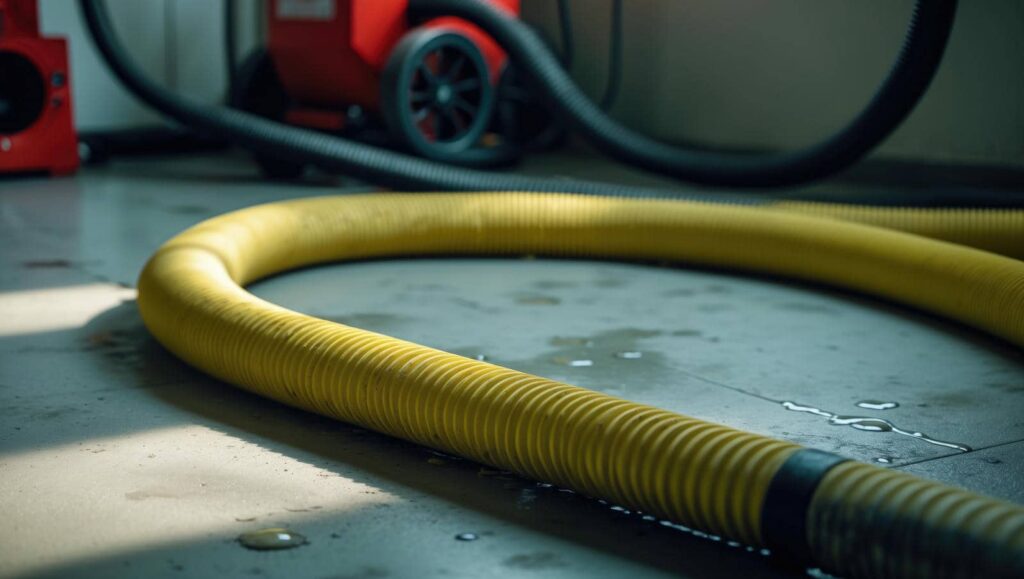
Implement Water Removal Techniques: Utilize pumps, wet vacuums, and other equipment to remove standing water.
Consider professional services if the task exceeds your capabilities.
Long-term Benefits of Prompt Action
Taking prompt action after a burst pipe is essential for preventing mold growth and preserving the structural integrity of your property.
By addressing water damage immediately, you minimize the risk of long-term issues that can compromise safety and increase repair costs.
Quick intervention safeguards your living environment and enhances your home’s overall resilience.
Prevent Mold Growth
When you act quickly after a burst pipe, you greatly reduce the risk of mold growth, which can develop within 24 to 48 hours in damp environments.
Effective mold prevention relies on your immediate response. Here are three key actions to take:
Remove Water: Extract standing water promptly to eliminate damp conditions that foster mold.
Dry the Area: Use fans and dehumidifiers to ensure all surfaces are thoroughly dried.
Inspect for Damage: Check for hidden moisture in walls and floors to prevent future mold issues.
Preserve Structural Integrity
Prompt action mitigates mold growth and preserves the structural integrity of your property.
When water from a burst pipe seeps into walls and foundations, it compromises essential structural support. By promptly extracting water, you minimize moisture control issues that can lead to long-term damage.
Wood, drywall, and insulation can weaken or rot, creating safety hazards. Additionally, prolonged moisture exposure may necessitate costly repairs or even complete reconstruction.
Taking immediate action protects your investment and fosters a safe and healthy living environment. By prioritizing water extraction, you ensure your home remains structurally sound, ultimately providing peace of mind for you and your loved ones.
Emergency Preparedness for Burst Pipe Situations
Although it’s impossible to predict when a pipe might burst, having a solid emergency preparedness plan can minimize damage and disruption.
To ensure you’re ready for such an event, consider the following steps:
Assemble Emergency Kits: Keep emergency kits stocked with essential tools like wrenches, towels, and a flashlight. This will help you quickly address leaks and water cleanup.
Inspect and Insulate Pipes: Regularly check your plumbing for signs of wear. Use pipe insulation, especially in areas susceptible to freezing, to reduce the risk of bursting during cold weather.
Create a Contact List: Have a list of reliable plumbers and water damage restoration services readily available. This will save you time when you need immediate assistance.
Being proactive and prepared can help you and your loved ones navigate the challenges of a burst pipe more effectively.
Frequently Asked Questions
How Can I Identify a Burst Pipe Early?
You can identify a burst pipe early by monitoring pipe symptoms, like damp spots or sudden water pressure drops. Regular leak detection checks help you catch issues before they escalate, ensuring your home stays safe and dry.
What Should I Do Immediately After Discovering a Burst Pipe?
When a pipe bursts, act swiftly—like a lighthouse guiding you through the storm. Call emergency contacts, shut off the water, and conduct a damage assessment to prevent further loss and restore your safe haven.
Are There DIY Methods for Water Extraction?
Yes, you can use water removal techniques like mopping, towels, and wet/dry vacuums. For effective results, follow home restoration tips, ensuring surfaces dry quickly to prevent mold and further damage in your space.
How Long Does the Water Extraction Process Take?
Water extraction can feel like a race against time, often taking a few hours to several days. Factors like the volume of water, damage extent, and equipment efficiency greatly influence the overall extraction duration.
Will My Insurance Cover Water Damage From a Burst Pipe?
Your insurance often covers water damage from a burst pipe, but it depends on your policy. Check your coverage details and document the damage for the best chance of successful insurance claims.
Summary
In the face of a burst pipe, immediate water extraction isn’t just important—it’s absolutely critical. Delaying even a few hours can cause catastrophic damage, turning your home into a breeding ground for mold and structural collapse. You can’t afford to wait! By acting swiftly and calling in professionals, you’re not just saving your property; you’re safeguarding your health and financial future. Don’t let a simple leak morph into a disastrous nightmare—take action now to protect your sanctuary.