

Contents
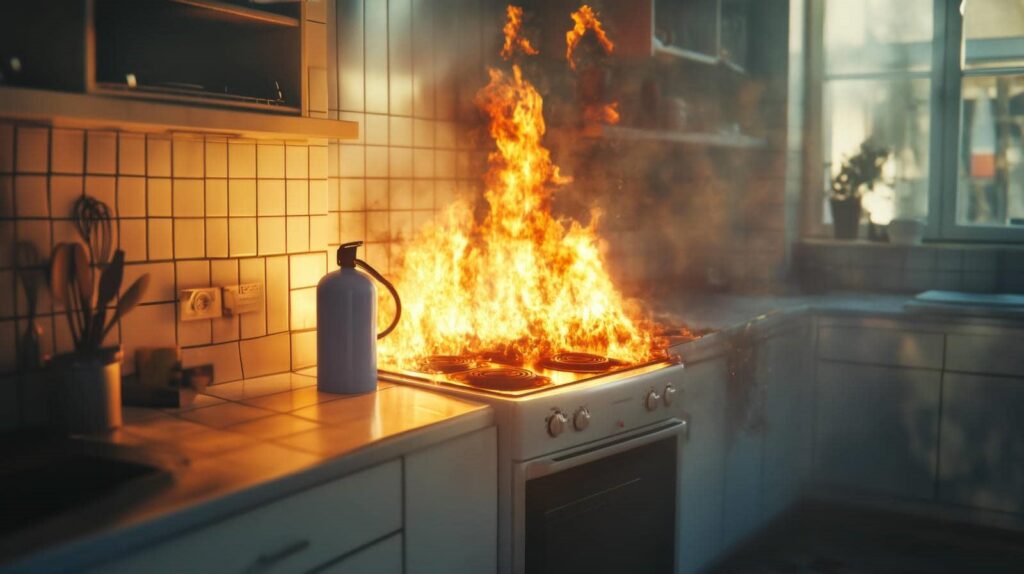
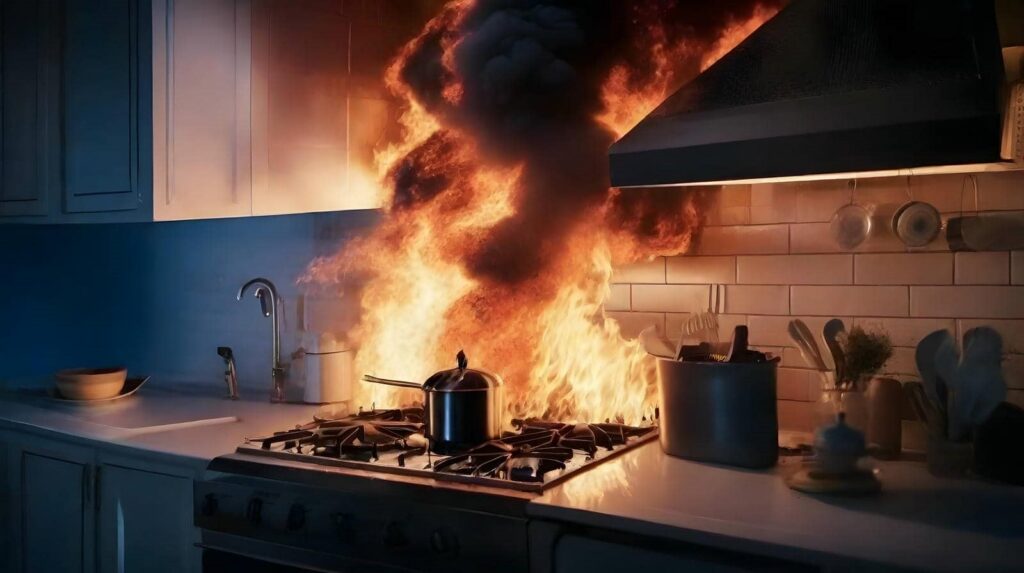
When a fire occurs, you can’t afford to skip steps in the fire damage cleanup process. Each phase is essential, from evaluating damage to final inspections. You’ll need to identify hazards, salvage what you can, and guarantee everything is safe and livable. Neglecting any part of this systematic approach can lead to hidden dangers or incomplete restoration. Understanding the importance of each step can greatly impact your recovery outcome, but what comes next is even more critical.
Key Takeaways
- A structured approach ensures thorough assessment and documentation, aiding in accurate insurance claims and facilitating discussions with adjusters.
- Following safety protocols minimizes risks from structural hazards, smoke, and harmful materials during the cleanup process.
- Systematic debris removal helps identify salvageable items, maximizing recovery while maintaining safety for workers involved.
- Proper cleaning and deodorizing techniques eliminate odors and restore the home’s condition, enhancing livability and comfort.
- Final inspections and documentation ensure that all hazards are addressed, providing peace of mind and preventing future fire risks.
Assessing the Damage
When a fire strikes, evaluating the damage is your fundamental first step toward recovery. Start by systematically reviewing each area affected by the fire. Look for structural damage, smoke residue, and water exposure from firefighting efforts.
Document everything carefully, as thorough damage evaluation is essential for filing accurate insurance claims. Take detailed photographs and make notes of affected items, noting their condition and value.
Next, prioritize the damage. Identify what needs immediate attention, such as structural issues or hazardous materials. This organized approach not only helps in restoration but also strengthens your insurance claim, ensuring you receive the compensation you deserve.
Having clear documentation will facilitate discussions with your insurance adjuster and help you navigate the claims process more smoothly. Remember, you’re not alone in this; your community and resources are here to support you as you take these critical steps toward recovery.
Ensuring Safety First
Before you begin any cleanup efforts, ensuring safety is paramount. Start by evaluating the structural integrity of your home—look for signs of damage such as cracks or unstable walls. Equip yourself with personal protective gear like gloves, masks, and goggles to shield against harmful particles and chemicals.
Remember, fire safety doesn’t end with extinguishing flames; it extends into your cleanup strategy. Check for potential hazards like exposed wiring or gas leaks. If you’re unsure about any aspect, don’t hesitate to contact professionals. They’re trained in emergency preparedness and can guide you through safe practices.
Communicating with your family about safety protocols while maneuvering the cleanup is also essential. Establish a designated safe zone where everyone can gather if needed.
Containing the Affected Area
To effectively manage fire damage cleanup, it’s essential to contain the affected area right away. Quick action not only prevents further damage but also guarantees safety for everyone involved.
Here are three steps to help you with fire containment:
Seal Off the Area: Use plastic sheeting or tarps to block off entrances and windows, minimizing the spread of smoke and soot.
Establish a Safety Zone: Create a designated space for workers and equipment, keeping them away from hazardous materials and unstable structures.
Utilize Air Filtration: Set up air scrubbers or purifiers to reduce airborne pollutants, making the environment safer for cleanup efforts.
Removing Debris and Salvageable Items
As you begin the process of removing debris and salvageable items, it’s crucial to approach the task systematically to guarantee safety and efficiency.
First, conduct a thorough salvage assessment to identify which items can be cleaned and restored. This involves evaluating the condition of furniture, personal belongings, and structural components.
Once you’ve determined what’s salvageable, prioritize your cleaning techniques. For items that can withstand it, gentle cleaning methods are best to avoid further damage. Use protective gear, like gloves and masks, to keep yourself safe from hazardous materials.
Carefully clear away debris, starting from the outer edges of the affected area and working inward. This method guarantees you don’t overlook smaller items that might be hidden under larger debris.
Cleaning and Deodorizing
Once you’ve removed debris and identified salvageable items, the next step in fire damage cleanup is cleaning and deodorizing the affected areas. This process not only restores your space but also eliminates lingering smells that can result from smoke damage.
Employ effective cleaning techniques to guarantee a thorough job.
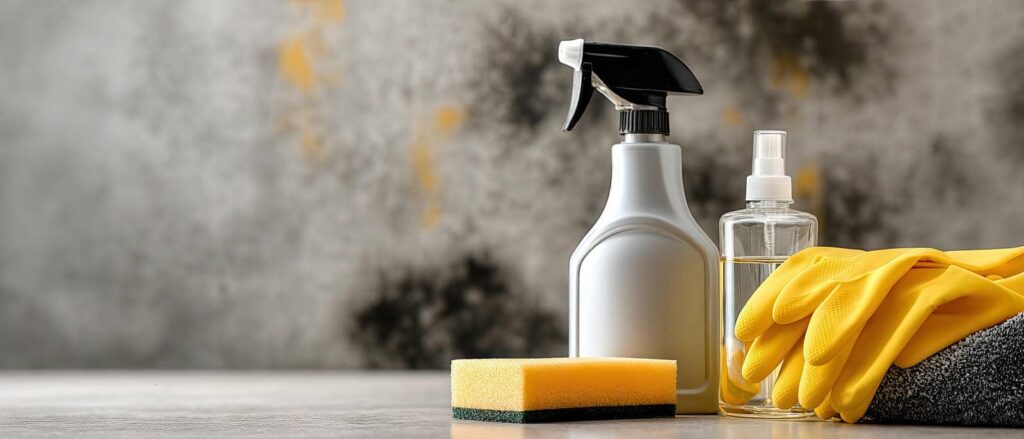
Surface Cleaning: Use a mixture of water and a mild detergent to wipe down walls, floors, and furniture. This removes soot and prevents further damage.
Deep Cleaning: For upholstery and carpets, consider steam cleaning. It penetrates fibers deeply, eliminating trapped odors and soot.
Deodorizing Methods: Utilize products like activated charcoal or baking soda to absorb persistent smells. Place them in affected areas for several days for best results.
Structural Repairs
While cleaning and deodorizing your space is essential, addressing structural repairs is equally important in restoring your home after fire damage.
You’ll need to thoroughly assess any compromised areas, as fire can weaken the structural integrity of your home. Start by identifying damaged beams, walls, and roofs. If you notice significant issues, don’t hesitate to consult a professional for detailed evaluations and recommendations.
Choosing the right repair materials is vital; they should match your home’s original construction standards. Use fire-resistant materials when possible to enhance safety.
Make certain that any repairs maintain the integrity of your home’s design and functionality.
Addressing Water Damage
After a fire, addressing water damage is essential, especially since firefighting efforts often involve significant water use.
If you neglect this step, you risk further damage to your property and health.
Here’s a systematic approach to tackle water damage effectively:
Water Extraction: Start by removing standing water using pumps or vacuums. This step is vital to prevent structural damage and reduce the risk of mold growth.
Drying and Dehumidification: Use fans and dehumidifiers to dry out the affected areas thoroughly. Moisture can linger, leading to further complications if not addressed promptly.
Mold Prevention: Apply mold inhibitors to surfaces once they’re dry. This will help you safeguard your home from mold infestations, which can pose serious health risks.
Preventing Future Risks
To prevent future fire risks, you need to start by evaluating the potential hazards in your environment.
Implementing safety measures, such as smoke detectors and fire extinguishers, is essential for early detection and response.
Regular maintenance checks on electrical systems and appliances will help you identify and mitigate any fire risks before they escalate.
Assessing Fire Risks
How can you effectively assess fire risks in your home or business? Conducting a thorough risk assessment is vital for fire prevention.
Start by evaluating your surroundings and identifying potential hazards. Here are three key areas to focus on:
Electrical Systems: Check for frayed wires, overloaded circuits, and outdated equipment.
Flammable Materials: Verify that combustible items are stored safely away from heat sources.
Escape Routes: Identify clear exits and confirm that they’re unobstructed, allowing for quick evacuations.
Implementing Safety Measures
Once you’ve assessed the fire risks in your home or business, implementing effective safety measures becomes paramount in preventing future incidents.
Start by ensuring you have working smoke detectors on every level and regularly test them. Create and practice a thorough fire escape plan with everyone involved, emphasizing the importance of quick exits.
Invest in fire extinguishers and place them in accessible locations. Additionally, evaluate your electrical systems and avoid overloading circuits, a common fire hazard.
Incorporating these fire safety practices into your daily routine fosters a culture of risk management. Remember, it’s not just about compliance; it’s about creating a secure environment where everyone feels protected and valued.
Prioritizing safety can greatly reduce the likelihood of future fire-related risks.
Regular Maintenance Checks
While implementing safety measures is crucial, regular maintenance checks are equally essential in preventing future fire risks.
By establishing a routine for inspections, you can identify potential hazards and take necessary preventive measures.
Here are three key aspects to focus on during your checks:
Smoke Detectors: Test and replace batteries regularly to guarantee they function correctly.
Electrical Systems: Inspect wiring and outlets for wear or damage, addressing any issues promptly.
Fire Extinguishers: Confirm they’re accessible, properly charged, and inspected annually.
Final Inspection and Documentation
After you’ve completed the fire damage cleanup, conducting a thorough final inspection is essential to guarantee no lingering hazards remain.
This final walkthrough allows you to identify any overlooked areas that need attention, ensuring your space is safe and habitable. Check for hidden soot or smoke residue, as well as structural damage that could pose risks.
Document everything during this inspection, as it’s vital for your insurance claims. Take detailed notes and photographs of your findings, as these will bolster your case.
If any damage persists, you’ll want to address it promptly to avoid further complications.
Having an extensive record not only helps with insurance but also provides peace of mind, knowing you’ve done everything possible to restore your home.
Frequently Asked Questions
How Long Does the Entire Fire Damage Cleanup Process Take?
The fire damage timeline can vary, but the cleanup duration typically spans from several days to weeks. Factors like damage extent, response speed, and restoration methods all influence how long you’ll be dealing with the aftermath.
What Should I Do Immediately After a Fire Occurs?
Immediately after a fire, call emergency contacts and guarantee everyone’s safety. Follow safety protocols, checking for hazards. Evacuate the area, secure your valuables if safe, and document damages for insurance claims when possible.
Can I Handle Fire Damage Cleanup Myself?
You can tackle fire damage cleanup yourself, but beware of DIY cleanup risks. A thorough fire damage assessment is essential; without it, you might overlook hidden dangers and complicate your recovery journey. Safety should always come first.
What Are the Costs Associated With Fire Damage Cleanup?
Fire damage cleanup costs vary widely. You’ll need to factor in fire damage assessment fees and restoration pricing, which includes labor, materials, and potential equipment rental. It’s essential to get multiple quotes for accurate budgeting.
Will My Insurance Cover Fire Damage Cleanup Expenses?
Like a safety net, your insurance policy might cover fire damage cleanup expenses, but it depends on the coverage limits. Review your policy details and consult your agent to understand what’s included and excluded.
Review
In the aftermath of a fire, following a step-by-step cleanup isn’t just a choice; it’s a necessity. As you meticulously assess the damage and prioritize safety, each action you take reveals potential hazards lurking in the shadows. Imagine uncovering hidden risks or salvageable treasures that could change everything. By adhering to this systematic approach, you not only restore your space but also reclaim your peace of mind because you never know what surprises await in the depths of recovery.