

Contents
If you’ve ever noticed strange smells or slow drains, it might be more than just a minor inconvenience. Understanding the signs of sewage backup is essential to maintaining a healthy home environment. So, what should you watch out for? Let’s explore the key indicators that could signal a serious problem.
Key Takeaways
- Unpleasant odors in the home, especially near drains or toilets, can indicate sewage backup issues.
- Slow-draining sinks and toilets often signal potential blockages or sewage backup problems.
- Gurgling noises from plumbing fixtures suggest trapped air in pipes, pointing to drainage issues.
- Water pooling in unusual areas like basements or backyards may signify sewage backup or broken pipes.
- Backflow of wastewater can create unsanitary conditions and is a clear sign of sewage backup concerns.
Unpleasant Odors in the Home
When you notice unpleasant odors in your home, it could be a sign of a sewage backup. These sewage smells can be more than just an annoyance; they may indicate serious plumbing issues. You might think it’s just a random odor, but it’s essential to pay attention.
Common odor sources include drains, toilets, and even basement sump pumps. If you catch a whiff of something foul, it’s best to investigate further.
Ignoring these smells can lead to more significant problems, such as health risks or costly repairs. You want your home to be a safe and welcoming space for you and your loved ones, so trust your instincts.
Reach out to a professional if those odors linger. Taking action protects your home and fosters a sense of belonging and well-being for everyone who enters. Don’t let unpleasant smells disrupt the comfort of your sanctuary.
Slow Draining Sinks and Toilets
If you’ve noticed your sinks and toilets draining slowly, it could signal a looming sewage backup issue. This problem usually arises from clogged pipes or other drainage issues that can disrupt your home’s plumbing system.
You might think it’s just a minor inconvenience, but ignoring these signs can lead to bigger problems down the line.
Think about it: when your sink takes longer to drain or your toilet struggles to flush, it’s not just annoying. It’s your plumbing’s way of telling you something’s wrong. Maybe there’s a buildup of hair, grease, or other debris causing the blockage.
Don’t brush off these slow drains. They can indicate deeper issues that could affect your home and your family’s comfort.
Being proactive now can save you from costly repairs later. So, if you’re experiencing these issues, it’s time to take action before the situation worsens.
Gurgling Noises From Plumbing Fixtures
Hearing gurgling noises from your plumbing fixtures can be unsettling, especially when you’re just trying to enjoy a quiet moment at home.
These sounds often indicate underlying drainage issues that shouldn’t be ignored. When air gets trapped in your pipes, it creates that annoying gurgling noise, signaling that something’s off with your plumbing system.
It’s crucial to pay attention to these signs, as they can escalate into more significant problems if left unchecked.
Scheduling a plumbing inspection allows you to identify the root cause of the gurgling before it leads to a sewage backup. Your home should be a sanctuary, and addressing these issues promptly helps maintain its comfort and safety.
Don’t hesitate to reach out to a professional who can help restore peace to your space and ensure your plumbing is working as it should.
Water Pooling in Unusual Areas
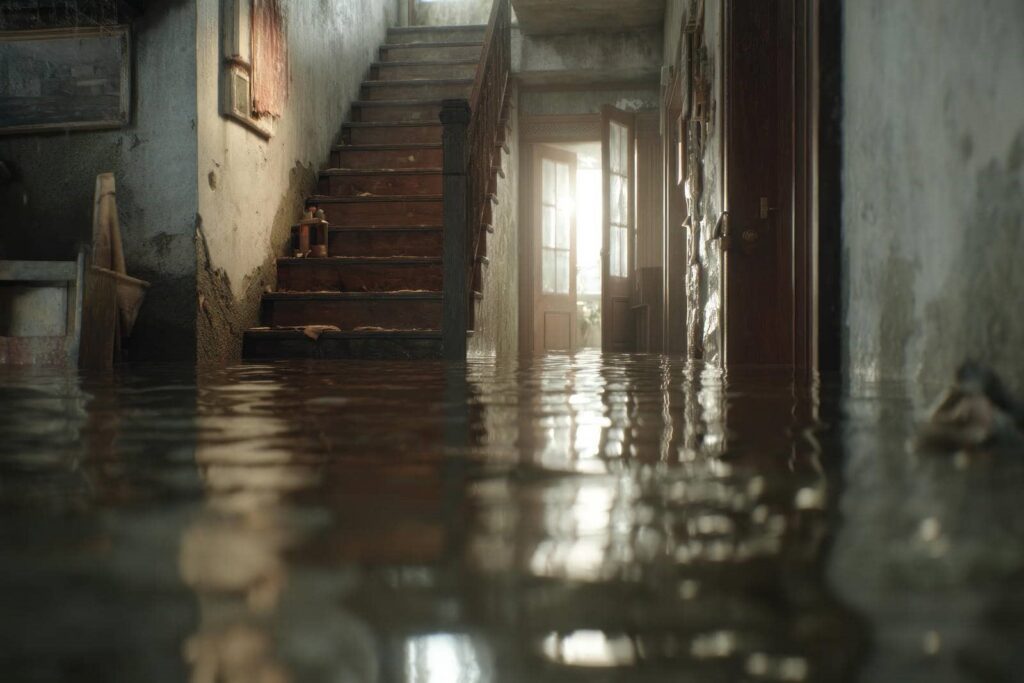
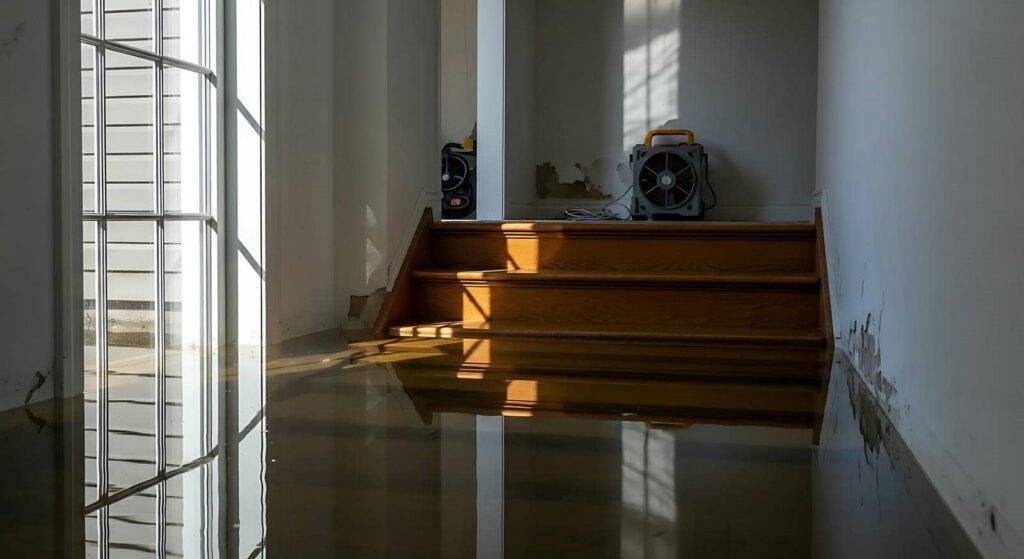
If you notice water pooling in strange spots around your home, it could be a sign of a sewage backup.
Identifying these locations is essential, as it helps you pinpoint the source of the problem.
Understanding the causes of water accumulation can lead to quicker solutions and prevent further damage.
Identifying Pooling Locations
When you notice water pooling in unusual areas around your property, it’s essential to investigate the source. Understanding pooling patterns can help you identify potential sewage issues before they escalate. Conducting a location analysis can reveal where the water collects most frequently.
Here’s a simple table to guide your observations:
| Pooling Location | Possible Concern |
|---|---|
| Near foundation | Structural damage risk |
| Backyard | Drainage problems |
| Driveway | Future pavement issues |
| Basement | Flooding potential |
| Lawn | Sewage line issues |
Causes of Water Accumulation
Pooling in unusual areas often signals underlying issues, and understanding the causes of water accumulation can help you address them promptly.
Common flooding sources include heavy rain, melted snow, or even broken pipes. These can lead to drainage issues that create unwanted pools around your home. If your gutters are clogged or your lawn’s grading is off, water can accumulate instead of flowing away.
Pay attention to these signs, as they affect your property and can invite mold or pests. By tackling these problems, you foster a healthier environment for yourself and your loved ones.
Backflow of Wastewater
Have you ever noticed strange odors or slow drains in your home? This could be a sign of backflow of wastewater, a serious issue that many homeowners face.
When sewage water flows back into your home, it can create unsanitary conditions, putting your family’s health at risk. It’s vital to understand how backflow prevention systems work to keep your home safe. These solutions help ensure that wastewater flows in the right direction, preventing contamination and unpleasant odors.
If you’re experiencing these issues, it’s important to act quickly. Consider contacting a professional to assess your plumbing system and implement effective wastewater solutions.
You’re not alone in this; many in your community have faced similar challenges. By prioritizing backflow prevention, you can protect your home and create a healthier environment for everyone.
Visible Mold or Mildew Growth
Mold and mildew growth can be alarming signs of a sewage backup in your home. These unwelcome guests thrive in damp environments, often arising when you least expect them. If you notice visible mold or mildew, it’s crucial to act quickly. Here’s how you can tackle the issue:
| Mold Prevention | Mildew Treatment |
|---|---|
| Keep indoor humidity below 60% | Use a mixture of vinegar and water to clean surfaces |
| Ensure proper ventilation | Apply a commercial mildew remover for tough spots |
| Fix leaks and water damage | Replace affected materials, if necessary |
Summary
Staying alert to the signs of sewage backup is like having a sixth sense for your home’s health. If you notice unpleasant odors, slow drains, or gurgling noises, don’t ignore them; they’re your home’s way of waving a red flag. Water pooling and backflow can create unsanitary conditions, while mold can sneak in unnoticed. Trust your instincts—if something feels off, call in the professionals to safeguard your space from costly repairs and health risks.