

Contents
You might think that sewage cleanup is always expensive, but there are affordable options available. By understanding the costs and exploring DIY methods, you can tackle minor issues without overspending. However, knowing when to call in professionals is essential for a thorough job. Let’s explore various strategies that can help you effectively manage sewage cleanup costs while ensuring your home stays safe and clean.
Key Takeaways
- Consider DIY cleanup methods using safety gear, soap, and a bleach solution to save on labor costs.
- Utilize home remedies like baking soda and vinegar for odor and bacteria control while minimizing expenses.
- Conduct a thorough comparison of professional cleanup services to find the most budget-friendly option.
- Check reviews and testimonials to ensure you choose a reliable and affordable service provider.
- Review your insurance policy to understand coverage for sewage damage, potentially reducing out-of-pocket expenses.
Understanding Sewage Cleanup Costs
When you find yourself facing a sewage cleanup situation, understanding the associated costs can help you make informed decisions quickly. Several sewage contamination factors can greatly impact these expenses.
For instance, the extent of the contamination, the type of sewage involved, and the area affected all play essential roles. If the sewage is raw wastewater, it requires more intensive cleanup efforts, leading to higher costs.
Cleanup material costs are another important aspect to take into account. You’ll need specialized equipment, protective gear, and cleaning agents, which can add up.
Additionally, labor costs vary based on the complexity of the job and the level of expertise required.
DIY Sewage Cleanup Methods
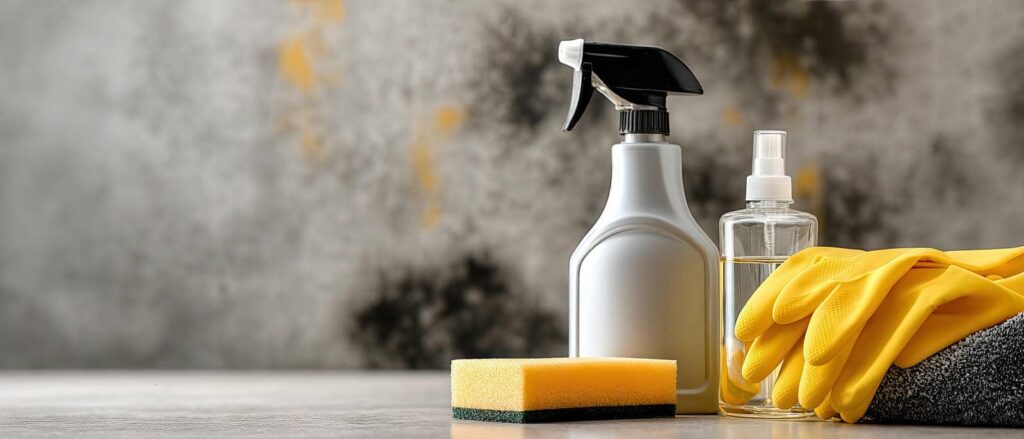
Although professional help is often recommended for sewage cleanup, there are situations where you might consider tackling the job yourself. If you choose to go the DIY route, start by gathering essential tools like gloves, masks, and buckets.
Safety precautions are vital; always guarantee adequate ventilation and wear protective clothing to avoid exposure to harmful pathogens.
For initial cleanup, home remedies can be effective. A mixture of baking soda and vinegar can help eliminate odors and bacteria.
Afterward, thoroughly scrub surfaces with soap and water, then disinfect with a bleach solution to confirm sanitation.
Remember to dispose of contaminated materials properly, as improper disposal can create further issues.
If the sewage damage is extensive, or if you’re dealing with hazardous waste, reconsider your decision.
Taking these steps can help you manage minor sewage issues while keeping your home safe and healthy.
Hiring Professional Cleanup Services
Hiring professional cleanup services can be an important step for effectively addressing sewage issues in your home. While you might consider tackling the problem yourself, the expertise and resources that professionals bring can save you time and prevent further damage.
When evaluating these services, it’s vital to weigh cost considerations; different companies offer varying rates based on their experience and the extent of the cleanup required. Make sure to conduct service comparisons to find a provider that fits your budget while still delivering high-quality results.
Look for reviews and testimonials from others in your community to gauge reliability. Additionally, inquire about their equipment and techniques, as advanced methods can expedite the cleanup process and minimize health risks.
Ultimately, investing in professional help can provide peace of mind, knowing that your home is restored safely and effectively.
Insurance Coverage for Sewage Damage
Understanding insurance coverage for sewage damage is vital, as it can greatly impact your financial recovery after such incidents. Many homeowners mistakenly assume their standard insurance policies cover all types of water damage, but this isn’t always the case. You’ll need to review your insurance policy closely to identify what’s included.
Often, coverage limits apply, which can considerably affect your out-of-pocket expenses. Flood insurance, for example, typically isn’t part of standard policies, and even water damage from sewage backups may require additional riders.
It’s important to communicate directly with your insurance agent to clarify your coverage options and limits. By being proactive, you can guarantee you have adequate protection in place before a disaster strikes.
Preventative Measures to Avoid Future Incidents
To prevent future sewage incidents, it’s vital to implement proactive measures that address potential weaknesses in your plumbing system.
Start with regular maintenance; scheduling routine inspections of your pipes and sewage system can identify issues before they escalate. Look for signs of wear or blockage, and address them promptly.
Proper drainage is equally essential. Guarantee that your gutters and downspouts direct water away from your foundation, reducing the risk of flooding.
You might also consider installing a backflow valve to prevent sewage from backing up into your home during heavy rainfall.
Lastly, educate your household on what can and can’t be flushed down the toilet or poured down the sink.
Frequently Asked Questions
What Are the Health Risks Associated With Sewage Exposure?
Exposure to sewage pathogens can lead to various health effects, including gastrointestinal issues, skin infections, and respiratory problems. It’s essential you protect yourself from these risks by avoiding contaminated areas and seeking immediate medical attention if exposed.
How Long Does Sewage Cleanup Typically Take?
How long does it take to restore your space after sewage spills? Cleanup duration varies, but sewage removal usually takes 1-3 days, depending on the extent of the damage and the resources available.
Can I Salvage My Belongings After Sewage Damage?
Yes, you can salvage your belongings after sewage damage. Employ effective salvage techniques and restoration methods to clean and disinfect items. However, assess each item’s condition carefully, as some may be beyond repair.
What Are Common Sources of Sewage Backups?
Picture a clogged drain; common sources of sewage backups include faulty sewage plumbing, tree root intrusion, and grease buildup. Regular maintenance and backup prevention measures can help you avoid these costly and damaging situations.
How to Identify Signs of Sewage Issues Early?
To identify sewage issues early, watch for warning signs like slow drains, gurgling sounds, and unpleasant odors. By recognizing these symptoms promptly, you can prevent costly damage and maintain a healthy living environment.
Wrap-Up
In the murky waters of sewage cleanup, steering your options can feel overwhelming. However, whether you choose to roll up your sleeves for a DIY approach or enlist the help of budget-friendly professionals, you can tackle contamination effectively without draining your wallet. By understanding costs and implementing preventative measures, you can build a resilient fortress against future sewage woes. After all, a clean home is a sanctuary, free from the shadows of past mishaps.