

Contents
After experiencing fire damage, you might not realize that moisture from firefighting efforts can lead to serious mold growth. That’s where 24/7 mold prevention services come into play. These services focus on immediate moisture control and mold prevention techniques to protect your property and health. Understanding how these services operate and their key techniques can make a significant difference in safeguarding your environment. Let’s explore how they effectively manage these risks.
Key Takeaways
- 24/7 mold prevention services provide immediate response to fire damage, addressing moisture issues from firefighting efforts to prevent mold growth.
- These services conduct rapid assessments to identify water intrusion and moisture levels, ensuring swift interventions.
- Dehumidification techniques are employed to lower humidity and mitigate mold risks in affected areas.
- Comprehensive inspections utilize advanced detection methods to pinpoint moisture sources and prevent mold proliferation.
- Professional services offer ongoing support, including regular monitoring and maintenance plans to ensure long-term mold prevention.
Understanding the Importance of Mold Prevention After Fire Damage
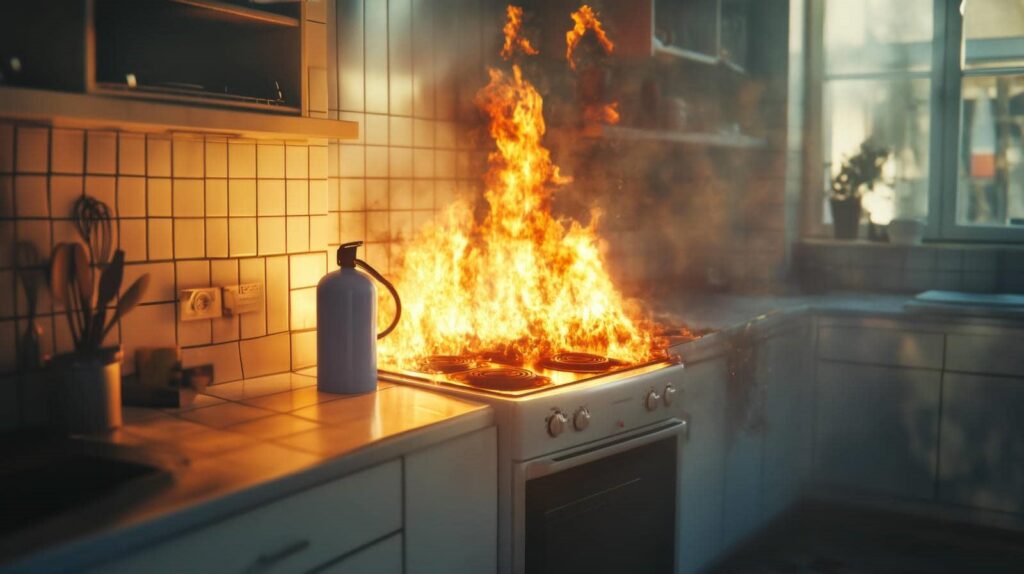
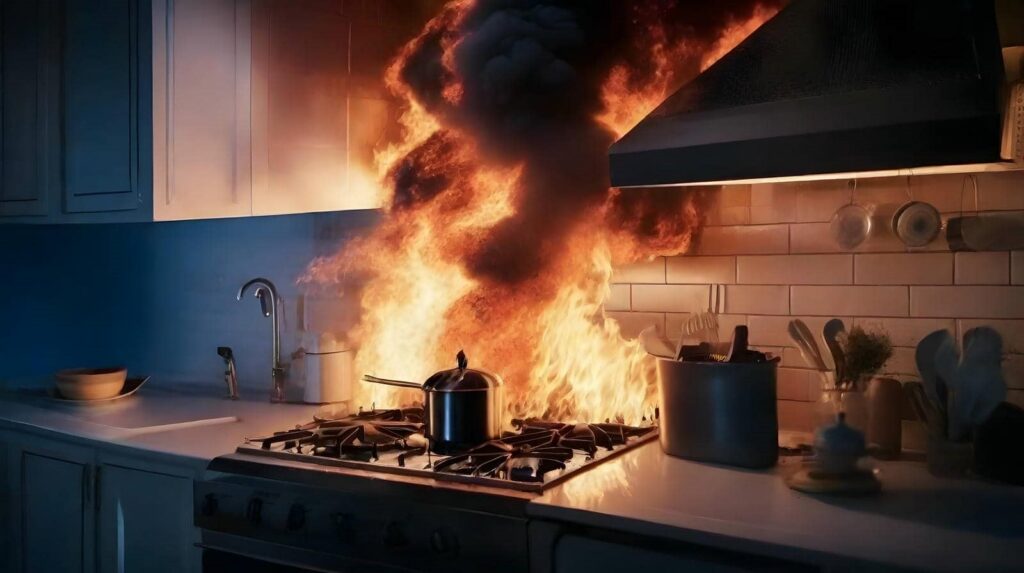
After a fire, you might think the worst is over, but without prompt action, mold can quickly become a significant issue.
The fire aftermath leaves behind moisture from firefighting efforts, creating an ideal environment for mold growth. This unseen threat can compromise your home’s structure and your health if not addressed.
To prevent mold from taking hold, it’s essential to act swiftly. Start by thoroughly drying out affected areas and removing any damaged materials.
Consider enlisting professional mold prevention services that specialize in fire damage. They’ll assess your property, ensuring every nook and cranny is addressed, and apply appropriate treatments to inhibit mold development.
How Fire Damage Creates a Risk for Mold Growth
Fire damage often leaves behind moisture retention issues, creating an ideal environment for mold growth.
With organic materials, like wood and drywall, still present, mold can thrive if not addressed promptly.
Additionally, temperature fluctuations after a fire can exacerbate these conditions, further increasing the risk of mold infestation.
Moisture Retention Issues
When a fire occurs, it often results in unexpected moisture retention issues that can greatly increase the risk of mold growth.
Firefighting efforts introduce significant water exposure to your property, leading to trapped moisture in walls, ceilings, and floors. If not addressed promptly, this can create a breeding ground for mold.
Effective moisture control is vital; you must guarantee proper drying techniques are employed to eliminate lingering dampness.
Additionally, humidity management plays a key role in preventing mold proliferation. By maintaining ideal indoor humidity levels, you can reduce the likelihood of mold taking hold.
Taking swift action to manage these moisture retention issues not only protects your property but also fosters a healthier environment for you and your loved ones.
Organic Material Presence
The remnants of a fire often leave behind organic materials such as wood, textiles, and paper, which greatly heighten the risk of mold growth.
You need to focus on organic material identification to assess what’s left after the damage. These materials provide an ideal breeding ground for mold, especially in moisture-laden environments.
Consequently, timely organic material removal is vital. Removing charred wood or soaked fabrics not only helps in preventing mold growth but also guarantees a healthier living space.
Regular inspections and professional assessments can help you identify areas at risk. By addressing this issue promptly, you can greatly reduce the chances of mold taking hold and safeguard your home and loved ones from its harmful effects.
Temperature Fluctuations Impact
After addressing the presence of organic materials, it’s important to understand how temperature fluctuations can further exacerbate the risk of mold growth following fire damage.
When the temperature in a fire-damaged area varies dramatically, it creates an environment that promotes mold proliferation. Inconsistent temperature control can lead to condensation, increasing humidity levels that mold thrives in.
Effective humidity management is essential, as mold spores can settle and germinate in damp areas, especially where organic material is present. To prevent mold growth, guarantee stable temperatures and maintain low humidity consistently.
Regular monitoring and adjusting of your indoor climate are critical steps in safeguarding your property from the hidden dangers of mold, fostering a healthy living environment for you and your loved ones.
Overview of 24/7 Mold Prevention Services
When your property suffers fire damage, responding quickly is vital to prevent mold growth.
Our 24/7 mold prevention services include immediate response protocols and extensive inspection techniques to identify and address potential risks.
You can trust us to safeguard your space and guarantee a thorough approach to mold prevention.
Immediate Response Protocols
Although fire damage can be devastating, swift action is essential to prevent mold growth in affected areas. The immediate response you take can make all the difference.
When you contact a 24/7 mold prevention service, they’ll perform a rapid assessment of your property to identify water intrusion and moisture levels. Trained professionals will quickly stabilize the environment, ensuring the removal of any standing water and damaged materials.
They’ll also implement dehumidification techniques to lower humidity levels, further reducing the risk of mold proliferation. By acting fast and relying on expert services, you can protect your home and your family from the long-term effects of mold growth, ensuring a safe and healthy environment for everyone involved.
Comprehensive Inspection Techniques
While a fire can leave your property vulnerable, thorough inspection techniques employed by 24/7 mold prevention services can effectively mitigate this risk.
These professionals utilize advanced mold detection methods to identify hidden spores and moisture levels that may not be immediately visible. Equipped with specialized inspection equipment, such as moisture meters and thermal imaging cameras, they can accurately assess the extent of potential mold growth.
By conducting detailed inspections, they guarantee that no area is overlooked, providing you with peace of mind. This proactive approach helps safeguard your environment and promotes a healthier living space.
Engaging with these services means you’re taking a crucial step in protecting your property and fostering a sense of belonging in a safe, mold-free home.
Key Techniques Used in Mold Prevention
As you navigate the challenges of fire damage restoration, implementing effective mold prevention techniques is vital to safeguarding your property.
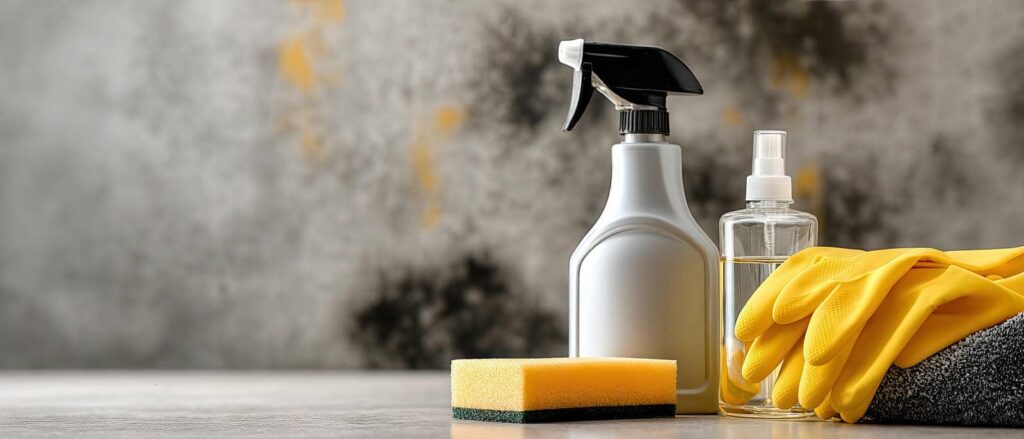
Start with thorough mold assessment techniques to identify potential problem areas. Regular inspections can help you pinpoint moisture sources and other risk factors before they escalate.
Next, focus on preventive maintenance strategies. Guarantee proper ventilation in high-humidity areas like bathrooms and kitchens to reduce moisture. Use dehumidifiers in damp spaces and inspect roofs and gutters to prevent water intrusion.
Additionally, consider applying mold-resistant coatings in vulnerable areas. Keeping your property well-maintained and promptly addressing leaks or water damage plays an important role in mold prevention.
The Role of Water Extraction in Mold Prevention
When dealing with fire damage, effective water extraction is vital for mold prevention, as standing water can create an environment ripe for mold growth. By promptly removing excess water, you greatly reduce the risk of mold spores settling and proliferating in your space.
Here’s why water extraction plays an important role:
Prevents mold growth: Eliminating moisture stifles the conditions mold needs to thrive.
Reduces health risks: High humidity can compromise air quality, leading to respiratory issues.
Minimizes structural damage: Quick water removal protects your property from deterioration.
Enhances restoration efficiency: Professionals can work faster without excess moisture complicating the process.
Improves overall safety: A dry environment is safer for both occupants and restoration teams.
Implementing thorough water extraction methods not only protects your home but fosters a sense of security for everyone involved.
Your proactive approach guarantees a healthier living space.
Emergency Response and Mold Remediation
In the aftermath of a fire, an effective emergency response is crucial for preventing mold growth and ensuring a safe environment. Your first step should be contacting professionals who specialize in mold detection and emergency cleanup. These experts can quickly assess the damage and identify areas at risk for mold development.
The priority during emergency cleanup is to remove any water and debris, as moisture is a key factor in mold proliferation. They’ll employ advanced techniques and equipment to dry out affected areas, minimizing the risk of mold taking hold.
Conducting thorough mold detection throughout the property is essential, as mold can often grow hidden behind walls or under carpets. By addressing these issues promptly, you create a healthier living space and protect your property.
Long-Term Solutions for Mold Prevention
Although immediate responses to fire damage are critical, long-term solutions for mold prevention are equally essential to confirm the integrity of your property.
In the aftermath of a fire, addressing moisture and humidity issues can make a significant difference in preventing mold infestations. Here are effective strategies to take into account:
Regular inspections: Schedule routine checks for signs of mold or moisture.
Ventilation: Guarantee proper airflow in attics, basements, and crawl spaces to reduce humidity.
Dehumidifiers: Use dehumidifiers in damp areas to maintain ideal humidity levels.
Seal leaks: Repair any plumbing or roofing leaks promptly to minimize water exposure.
Use mold-resistant materials: Invest in mold-resistant paints and building materials during repairs.
Choosing the Right Mold Prevention Service Provider
How do you guarantee you’re choosing the right mold prevention service provider after experiencing fire damage?
Start by evaluating their service qualifications. Look for companies with certified professionals who specialize in mold remediation and fire damage restoration. This guarantees they possess the expertise to tackle complex issues effectively.
Next, dig into customer reviews. Positive testimonials can provide insights into a provider’s reliability, responsiveness, and overall quality of work. Don’t hesitate to ask for references or case studies from past clients.
Additionally, consider their availability and approach to ongoing support. A provider that offers 24/7 services can be essential in addressing mold issues promptly.
Frequently Asked Questions
How Quickly Should I Contact a Mold Prevention Service After Fire Damage?
You should contact a mold prevention service immediately after fire damage occurs. Delaying can lead to mold growth within 24-48 hours, compromising your health and property. Acting fast helps safeguard your environment and peace of mind.
Are Mold Prevention Services Covered by Homeowners Insurance?
Mold prevention services might be covered by your homeowners insurance, but it depends on your policy limitations. Always check your specific coverage details to verify you’re protected against mold issues after fire damage.
What Signs Indicate Mold Is Already Present After a Fire?
Could you smell a musty odor after a fire? Signs of mold include visible growth, water damage, and increased humidity. Employ mold inspection techniques during post-fire assessments to identify hidden issues and guarantee a safe environment.
Can I Prevent Mold Growth on My Own?
Yes, you can prevent mold growth on your own! Utilize DIY mold solutions like vinegar or hydrogen peroxide, and follow homeowner tips such as maintaining airflow, controlling humidity, and promptly addressing any water damage.
How Much Do 24/7 Mold Prevention Services Typically Cost?
24/7 mold prevention services typically range from $500 to $3,000, depending on the extent of the damage and the emergency services required. Investing in professional help guarantees thorough mold removal and long-term protection for your home.
Review
24/7 mold prevention services are essential for protecting your property and health after fire damage. By addressing moisture issues swiftly and implementing effective techniques, these experts guarantee mold doesn’t take hold. Isn’t it reassuring to know that immediate help is available when you need it the most? Investing in professional mold prevention not only safeguards your home but also offers peace of mind during a challenging time. Don’t wait act quickly to protect your space and well-being.