

Contents
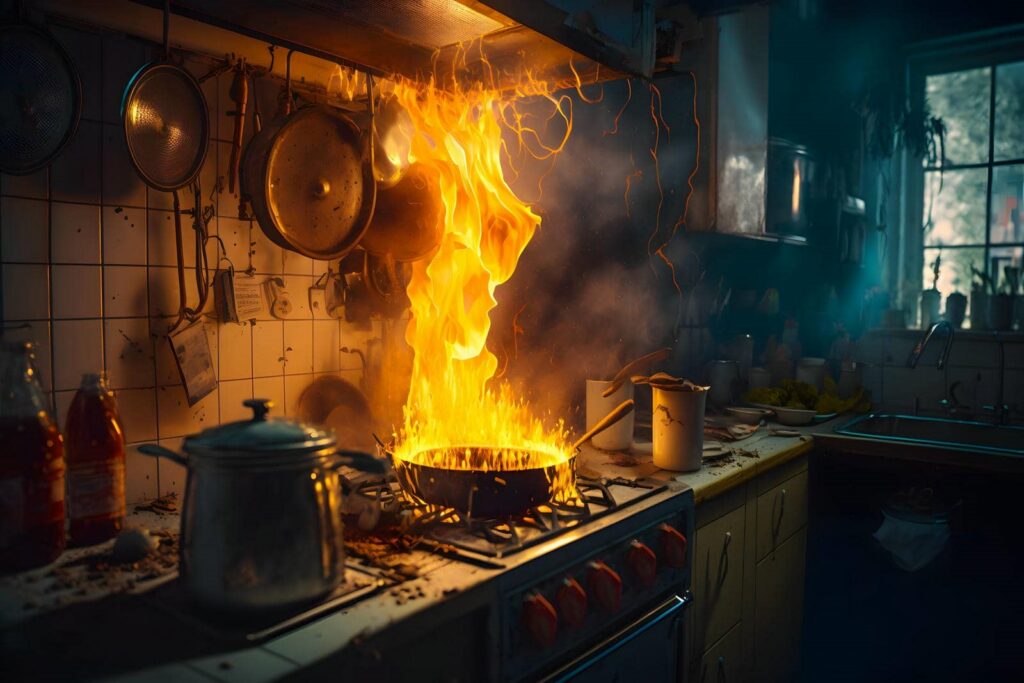
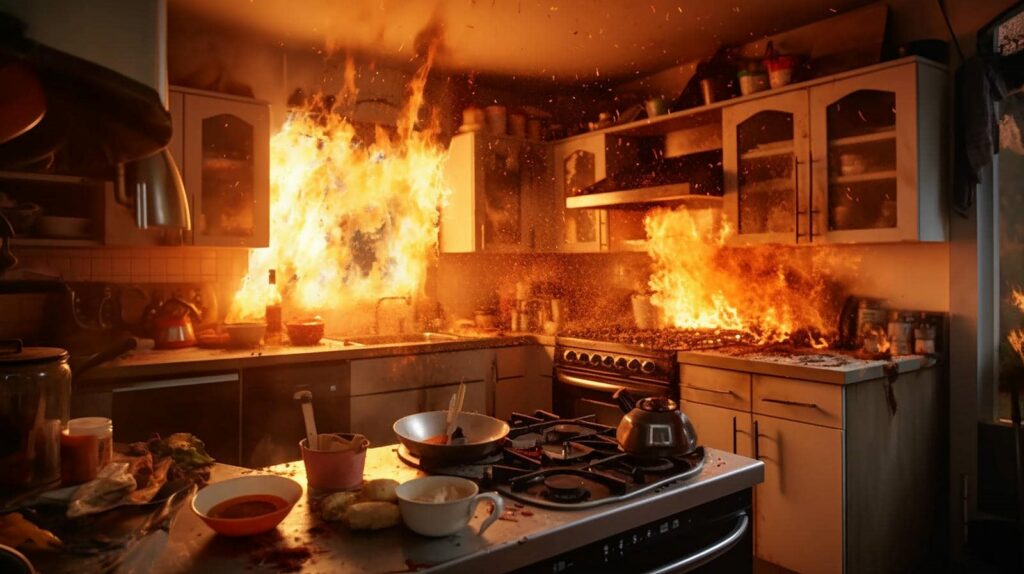
When a fire strikes, the aftermath can feel like maneuvering through a maze of destruction. To effectively restore your space, you’ll need to follow a structured fire restoration approach that begins with evaluating the damage. This essential step identifies both visible and hidden issues and sets the stage for the subsequent techniques. Understanding how to remove debris and soot properly could mean the difference between a complete restoration and ongoing problems. Let’s explore these methods in detail.
Key Takeaways
- Conduct a thorough inspection to assess damage and document findings for insurance claims.
- Remove debris and soot using appropriate tools, focusing on responsible disposal methods.
- Clean and sanitize surfaces with specialized cleaners to eliminate soot and harmful bacteria.
- Restore structural integrity by evaluating and reinforcing weakened areas and repairing damages.
- Implement preventative measures like regular fire safety inspections and educating on hazard awareness.
Assessing the Damage
When evaluating the damage after a fire, you should start by conducting a thorough inspection of the affected areas.
Begin with a visual assessment, noting charred surfaces, discoloration, and structural integrity. Use a systematic approach to document all damage, which is vital for accurate damage evaluation.
Take photographs and detailed notes to support your findings.
Next, check for hidden damage, like smoke infiltration and water damage from firefighting efforts. This step is essential for extensive insurance claims.
Once you’ve gathered all necessary information, compile a report that outlines the extent of the damage.
Be meticulous; insurers rely on this documentation to process your claims efficiently.
Removing Debris and Soot
After evaluating the damage, the next step involves removing debris and soot from the affected areas. Effective soot removal and debris disposal are vital for restoring the space and preventing further issues.
Here’s how you can approach this task methodically:
Wear protective gear: Use gloves, masks, and goggles to shield yourself from harmful particles.
Assess debris types: Identify materials needing special disposal, like electronics or hazardous waste.
Use appropriate tools: Equip yourself with brooms, vacuums, and scrapers for efficient debris removal.
Focus on soot removal: Employ dry sponges or specialized cleaning agents to lift soot from surfaces without damaging them.
Dispose responsibly: Follow local regulations for debris disposal to ensure safety and compliance.
Cleaning and Sanitizing Surfaces
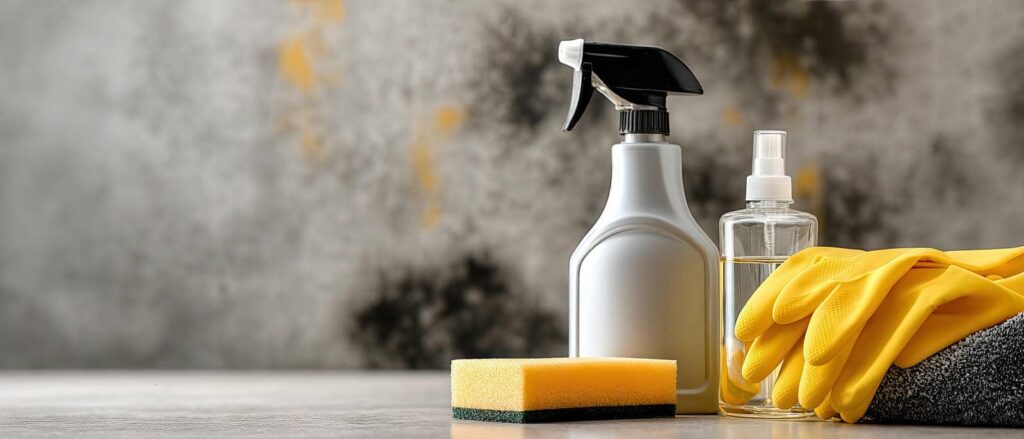
To ensure a thorough restoration, cleaning and sanitizing surfaces in the fire-affected areas is essential. Start by selecting appropriate surface treatments, depending on the material—wood, drywall, or metal. Use a combination of soap and water to remove soot, followed by specialized cleaners designed for smoke damage.
Once visible debris is cleared, focus on sanitization methods to eliminate harmful bacteria and odors. Apply commercial-grade disinfectants, ensuring you follow the manufacturer’s instructions for effectiveness.
Pay particular attention to high-touch areas, as these are more susceptible to contamination. For porous surfaces, consider using fogging techniques to penetrate deeper layers.
After cleaning, allow surfaces to dry completely to prevent mold growth. Remember, thorough cleaning and sanitizing aren’t just about restoring aesthetics; they’re vital for the health and safety of everyone who’ll occupy the space.
Your meticulous efforts will create a safer, more welcoming environment.
Restoring Structural Integrity
Restoring structural integrity in fire-damaged buildings requires a systematic evaluation of the affected areas. You need to conduct a thorough structural assessment to identify any weaknesses or compromised components. This process ensures safety and stability for future occupants.
Here are key steps to take into account:
- Inspect load-bearing walls and beams for damage.
- Assess the foundation for cracks or shifts.
- Evaluate roofing materials and trusses for integrity.
- Check for water damage from firefighting efforts.
- Plan for integrity reinforcement where necessary.
Once you’ve pinpointed the issues, you can implement solutions like reinforcing structures with steel supports or replacing damaged materials.
Collaborating with professionals ensures that repairs meet safety standards, restoring not just the physical structure but also peace of mind. By prioritizing structural integrity, you’re creating a safe environment for everyone who steps inside.
Preventing Future Hazards
While evaluating fire damage is essential, preventing future hazards is equally important to secure the safety and longevity of your property.
Start by conducting a thorough inspection of your electrical systems, as faulty wiring can ignite fires. Regularly check smoke detectors and replace batteries to make certain they function properly, contributing to fire safety.
Implement a fire safety plan that includes escape routes and designated meeting points for your family or coworkers. Educate everyone on hazard awareness, including the proper storage of flammable materials and the importance of keeping exits clear.
Consider investing in fire-resistant materials for renovations, particularly in high-risk areas.
Additionally, schedule regular professional inspections of fire safety equipment, such as sprinklers and extinguishers, to make certain they’re operational.
Frequently Asked Questions
How Long Does Fire Restoration Typically Take?
Fire restoration typically takes anywhere from a few days to several weeks, depending on the damage severity. Your restoration timeline will vary, but cleanup duration often involves evaluating, removing debris, and restoring affected areas efficiently.
What Should I Do Immediately After a Fire?
After a fire, recovery relies on swift action. Make certain everyone’s safe, contact emergency services, and notify your insurance. Document damage thoroughly, and keep emergency contacts handy for effective fire safety and restoration support.
Will My Insurance Cover Fire Restoration Costs?
Your insurance may cover fire restoration costs, but it depends on your policy details. Review your coverage carefully, focusing on specifics like dwelling and personal property limits to ensure you’re adequately protected during recovery.
Can I Perform Fire Cleanup Myself?
You can attempt fire cleanup yourself, but ensure you prioritize safety. Wear protective gear, assess fire damage thoroughly, and follow proper procedures to avoid hazards. It’s often best to consult professionals for extensive cleanup.
What Health Risks Are Associated With Fire Damage Cleanup?
When tackling fire damage cleanup, you face health hazards like smoke inhalation, which can cause respiratory issues. Protective gear is essential to minimize exposure, ensuring your safety while restoring the affected area effectively and efficiently.
Conclusion
Mastering these fire restoration cleanup techniques is essential for ensuring a safe, sanitized environment. By thoroughly evaluating the damage, diligently removing debris and soot, and meticulously cleaning surfaces, you can restore your space to its pre-fire condition—almost as if the flames never existed! Don’t underestimate the importance of this process; it safeguards your property and protects the health of everyone who steps inside. Implement these methods to prevent future hazards and ensure lasting peace of mind.