


Contents
Imagine maneuvering through the aftermath of a flood, only to discover that sewage has infiltrated your home. The hazards of sewage backups and mold growth can greatly threaten your health and property. Understanding the best solutions for cleanup and remediation is essential. From the right equipment to professional services, knowing what steps to take can make all the difference. But how do you guarantee you’re making the most informed choices in these critical situations?
Key Takeaways
- Ensure personal protective equipment (PPE) is worn during cleanup to safeguard against contaminants and harmful spores.
- Use advanced technology and thorough methods for effective sewage cleanup and mold removal.
- Hire professional services for comprehensive mold assessments and complete remediation to protect health and property.
- Remove standing water promptly and disinfect affected surfaces to prevent mold growth and further damage.
- Choose reputable cleanup services by checking credentials, licenses, and customer testimonials for reliability.
Understanding Sewage Backup and Its Hazards
A sewage backup can pose significant hazards to your health and property. Understanding the sewage causes is vital in mitigating its impact. Common culprits include clogged pipes, tree root intrusion, and municipal system failures.
When sewage infiltrates your home, it brings harmful bacteria and pathogens that can lead to serious health impacts, including gastrointestinal infections and respiratory issues. You may not realize that even brief exposure can trigger allergic reactions or exacerbate existing health conditions.
Additionally, contaminated water can damage your belongings and structural integrity, leading to costly repairs. Mold growth can also result from the moisture left behind, introducing further health risks.
Essential Equipment for Sewage Cleanup
When tackling sewage cleanup, having the right equipment is vital for your safety and efficiency.
You’ll need personal protective equipment to shield yourself from harmful contaminants, along with specialized cleanup tools and supplies to effectively manage the situation.
Understanding these essentials will help you navigate the process more safely and effectively.
Personal Protective Equipment
While tackling sewage cleanup, using the right personal protective equipment (PPE) is vital for your safety and health. Investing in appropriate protective gear helps guarantee your personal safety while handling hazardous materials.
Start with gloves that are resistant to chemicals and punctures, followed by waterproof boots to protect your feet from contaminants. A mask or respirator is essential to shield your lungs from harmful spores and bacteria.
Don’t forget goggles to keep your eyes safe from splashes and debris. Wearing coveralls can prevent direct contact with sewage and keep your clothing clean.
Cleanup Tools and Supplies
After guaranteeing your safety with the appropriate personal protective equipment, the next step in sewage cleanup involves gathering the right tools and supplies.
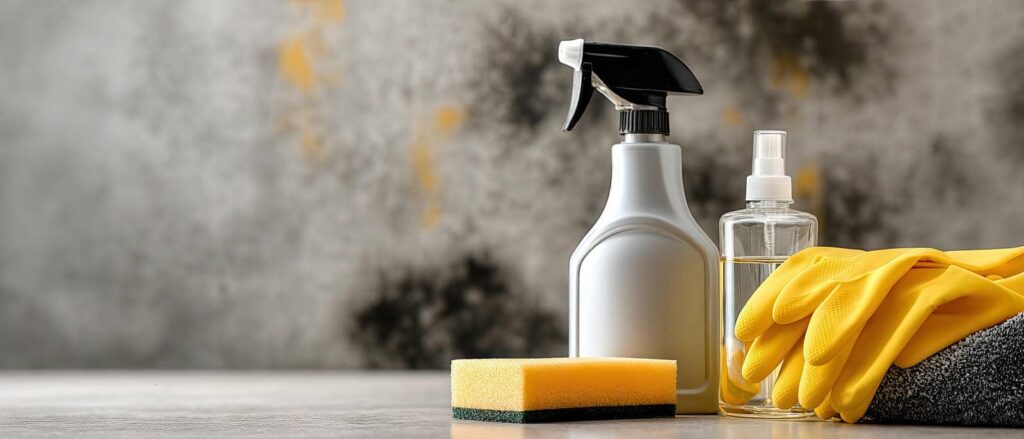
You’ll need effective sanitation equipment, including heavy-duty gloves, masks, and boots to protect yourself from contaminants. A reliable wet/dry vacuum will help you remove standing water, while mops and buckets assist in the drying process.
Don’t forget about cleanup chemicals; disinfectants and enzymes are vital for breaking down waste and eliminating odors. Having absorbent materials, like towels and sponges, on hand will help you tackle spills.
Finally, make sure you have trash bags for safe disposal of contaminated materials. By equipping yourself with these essential tools, you’ll be well-prepared to handle sewage cleanup efficiently and safely.
Steps for Effective Sewage Cleanup
Effective sewage cleanup requires a systematic approach to guarantee safety and thoroughness. Start by donning protective gear, including gloves, masks, and boots, to make certain your safety while working in contaminated areas.
Next, assess the extent of the sewage damage and follow established cleanup protocols for effective remediation.
Begin by removing any standing water using pumps or wet vacuums, then dispose of contaminated materials safely. Clean and disinfect all affected surfaces with appropriate cleaners, paying special attention to porous materials that may harbor bacteria.
It’s essential to confirm proper sewage safety by ventilating the area and using dehumidifiers to reduce moisture levels, which helps prevent mold growth.
Once you’ve completed the cleanup, monitor the area regularly for any lingering odors or signs of contamination.
Importance of Professional Mold Removal Services
When you encounter mold issues following sewage cleanup, the expertise of professional mold removal services becomes invaluable.
These specialists conduct thorough mold assessments to identify affected areas and determine the extent of the contamination. By utilizing advanced techniques and equipment, they guarantee that mold isn’t just superficially removed but completely eradicated, preventing future outbreaks.
Additionally, professionals establish a clear remediation timeline that helps you understand the process and sets realistic expectations. This structured approach minimizes disruption to your daily life, guaranteeing that your home is restored efficiently and effectively.
Attempting to tackle mold removal on your own can lead to incomplete remediation, which may jeopardize both your health and your home’s integrity.
Identifying Mold Growth in Your Home
How can you tell if mold is growing in your home? Start by looking for visible signs, like dark spots on walls or ceilings, often found in damp areas.
If you notice a musty odor, that’s another indicator of potential mold growth. Use mold inspection techniques such as examining hidden spaces, like behind appliances, under sinks, or in basements, where moisture tends to accumulate.
Employ moisture detection methods to assess humidity levels in your home. A hygrometer can help you gauge if humidity exceeds 60%, creating an ideal environment for mold.
Pay attention to water damage, leaks, or condensation, as these are prime conditions for mold spores to thrive.
Mold Remediation Techniques
Mold remediation techniques are vital for restoring a safe and healthy environment in your home. To effectively tackle mold, you first need to employ mold assessment methods. This involves identifying the extent of the problem and the types of mold present.
Once you’ve assessed the situation, you can move on to remediation strategies. Start by sealing off the affected area to prevent spores from spreading. Use HEPA filters during cleanup to capture airborne particles.
After removing contaminated materials, clean surfaces with specialized mold removers. It’s essential to dry the area thoroughly to inhibit future growth.
Incorporating mold prevention strategies, such as maintaining low humidity levels and guaranteeing proper ventilation, will help safeguard your home long-term. Regular inspections will also keep potential issues at bay.
Preventing Future Mold Growth
After successfully remediating mold, the focus shifts to preventing its return.
To guarantee a mold-free environment, you’ll need to adopt a proactive approach. Here are key strategies you can implement:
- Use mold resistant materials in construction and renovation.
- Maintain humidity control by using dehumidifiers or air conditioning.
- Regularly inspect and repair leaks in roofs, pipes, and windows.
- Ensure proper ventilation in areas prone to moisture, like bathrooms and kitchens.
- Keep indoor humidity levels between 30-50% to inhibit mold growth.
Health Risks Associated With Mold Exposure
Mold exposure can lead to significant health risks, particularly respiratory issues and allergic reactions.
If you’re sensitive or allergic to mold, inhaling spores can trigger symptoms like sneezing, coughing, and difficulty breathing.
It’s essential to address mold problems promptly to minimize these health hazards.
Respiratory Issues
Exposure to mold can trigger a range of respiratory issues, particularly for those with pre-existing conditions like asthma or allergies.
Mold spores can compromise your indoor air quality, leading to significant concerns for your respiratory health. Here are some common respiratory issues you might face:
- Coughing and wheezing
- Shortness of breath
- Chest tightness
- Increased asthma attacks
- Sinus congestion
These symptoms can worsen in damp environments where mold thrives.
It’s essential to address mold problems promptly to safeguard your health and maintain a safe living space.
Allergic Reactions
Allergic reactions to mold can manifest in various ways, impacting individuals differently based on their sensitivity.
If you have mold allergies, you might experience allergy symptoms such as sneezing, itchy eyes, or skin rashes when exposed to mold spores. These reactions occur because your immune system mistakenly identifies mold as a harmful substance, triggering an inflammatory response.
It’s essential to recognize these symptoms early, as prolonged exposure can lead to more severe health issues. Identifying and eliminating mold in your environment is important for your well-being.
Emergency Response for Water Damage
When faced with water damage, it’s crucial to act swiftly to minimize the potential for lasting effects.
Initiating emergency protocols can greatly help in managing the situation effectively. Start with a thorough damage assessment to identify the source and extent of the water intrusion.
Here are key steps to follow:
- Shut off the main water supply to prevent further damage.
- Remove any valuables and important documents from affected areas.
- Use towels or mops to soak up excess water.
- Ventilate the space by opening windows and using fans to reduce moisture.
- Contact a professional service for extensive cleanup and mold prevention.
Choosing the Right Cleanup and Remediation Service
After addressing immediate water damage, selecting the right cleanup and remediation service becomes essential for restoring your space effectively.
Start with a thorough service evaluation to assess the options available in your area. Look for companies that specialize in sewage cleanup and mold removal, as their expertise can make a significant difference.
Next, don’t hesitate to check contractor credentials. Verify licenses, certifications, and insurance coverage to confirm you’re working with qualified professionals. Customer reviews and testimonials can also provide insights into their reliability and quality of work.
Finally, ask about their cleanup methods and equipment. A reputable service should use advanced technology and follow industry standards to guarantee a detailed restoration.
Frequently Asked Questions
How Can I Prevent Sewage Backups in My Home?
To prevent sewage backups, regularly follow sewage maintenance tips, such as scheduling plumbing inspections. Keep drains clear, avoid flushing non-biodegradable items, and monitor tree roots near pipes to guarantee a healthy plumbing system.
What Are the Costs Associated With Sewage Cleanup?
Sewage removal costs can vary widely, often due to unexpected expenses like equipment rental and labor. You’ll want to budget carefully, ensuring you’re prepared for these potential financial surprises and protecting your home effectively.
How Long Does Mold Removal Typically Take?
Mold removal typically takes a few days to a week, depending on mold growth severity and removal methods used. Efficient techniques can expedite the process, ensuring your space is safe and free from harmful spores.
Are DIY Mold Removal Methods Effective?
DIY methods can be like a band-aid on a deep cut; they might temporarily mask mold growth but often miss underlying issues. For lasting results, professional help usually proves more effective in tackling persistent mold problems.
What Insurance Coverage Is Available for Sewage Damage?
Homeowner policies typically cover sewage damage, but coverage limits vary. Review your policy to understand what’s included and any exclusions that might apply. Knowing these details guarantees you’re prepared for potential expenses related to sewage incidents.
Final Thoughts
Addressing sewage cleanup and mold removal is essential for your health and property. Consider a case where a homeowner faced severe mold growth after a sewage backup went untreated for weeks. By acting swiftly, employing professional services, and using proper equipment, they restored their home and prevented ongoing health risks. Remember, taking immediate action and choosing the right cleanup team can protect your space from hazards, ensuring a safe environment for you and your family.