

Contents
Many homeowners underestimate the impact of sewage backups until it’s too late. Recognizing the early warning signs can save you from costly repairs and health hazards. If you notice persistent odors or slow drainage, you might be facing a larger issue. Ignoring these symptoms can lead to significant damage. Understanding what to look for is essential to protect your home and family. What are the key signs you should be aware of?
Key Takeaways
- Persistent foul odors in the home may indicate a sewage backup and should be investigated immediately.
- Slow-draining fixtures, especially in multiple locations, can signal plumbing issues leading to sewage backups.
- Gurgling sounds from pipes often suggest air trapped due to blockages, indicating potential sewage problems.
- Water pooling in the yard or basement can point to drainage issues linked to sewage system failures.
- Frequent clogs in multiple drains, especially if accompanied by backups, require urgent plumbing attention to prevent sewage backups.
Unpleasant Odors in the Home
Unpleasant odors in your home can be a telltale sign of a sewage backup. If you notice a persistent, foul smell, it’s essential to act quickly. These odors often come from various odor sources, including clogged drains or damaged pipes.
These smells indicate potential plumbing issues, and they can impact your home’s air quality, making it uncomfortable for you and your loved ones. You don’t want to ignore these warning signs, as they can lead to more significant problems down the line.
To create a welcoming environment, start by identifying the source of the odor. Check your sinks, toilets, and any exposed pipes for leaks or blockages. If you can’t pinpoint the issue, it might be time to call a professional.
Keeping your home free from unpleasant smells enhances comfort and fosters a sense of belonging and safety for everyone who enters.
Slow Draining Fixtures
When you notice that water is draining slowly from your sinks, bathtubs, or showers, it could signal a looming sewage backup. This isn’t just an inconvenience; it’s a call to action for your plumbing maintenance.
Here are three things to check:
Clogged Drains: Hair, soap residue, and debris can build up, hindering proper drainage. Regular drain cleaning can help prevent this.
Ventilation Issues: Sometimes, slow draining can stem from blocked vents that affect your plumbing system’s pressure. Keeping these clear is essential.
Pipe Damage: Cracks or misalignments in your pipes can cause drainage problems. Inspecting your plumbing periodically can save you from bigger issues.
Ignoring slow-draining fixtures can lead to more severe problems down the line.
Staying proactive with your plumbing maintenance and addressing these signs early can foster a healthier home for you and your loved ones.
Gurgling Sounds From Pipes
Have you ever noticed gurgling sounds coming from your pipes? If you have, it’s time to pay attention. These strange noises often indicate a blockage in your plumbing system. When air gets trapped due to a buildup, it creates that unsettling gurgling. You’re not alone in experiencing this; many homeowners face similar issues, and recognizing them early can save you from bigger problems down the line.
To keep your plumbing in top shape, regular pipe maintenance is essential. Don’t hesitate to schedule plumbing inspections, especially if the gurgling persists.
Professionals can identify hidden issues and help prevent sewage backups. By addressing these warning signs early, you create a safer, more comfortable home for yourself and your loved ones.
Water Pooling in Yard or Basement
If you notice water pooling in your yard or basement, it’s a clear sign that something might be wrong with your plumbing or drainage system.
Ignoring this issue can lead to bigger problems, so it’s essential to address it promptly.
Here are some key things to take into account:
Check Yard Drainage: Poor yard drainage can cause water to accumulate, leading to potential flooding and long-term damage.
Inspect for Blockages: Look for clogged gutters or downspouts that might divert water toward your foundation, causing basement moisture issues.
Evaluate Soil Conditions: Compacted or saturated soil can hinder water absorption, contributing to pooling.
Frequent Clogs in Multiple Drains
Water pooling in your yard or basement can often signal underlying plumbing issues, and frequent clogs in multiple drains may be another red flag. When you notice that several drains are slow or blocked, it’s time to pay attention. This could indicate a larger problem within your plumbing system.
| Signs of Clogs | What to Do |
|---|---|
| Slow-draining sinks | Schedule drain cleaning |
| Gurgling sounds | Inspect plumbing maintenance |
| Toilets backing up | Call a plumber immediately |
| Foul odors from drains | Perform regular inspections |
Don’t ignore these signs; they can lead to bigger issues down the line. Regular plumbing maintenance ensures a healthy drainage system. By staying proactive, you can avoid costly repairs and keep your home feeling comfortable and safe for you and your loved ones.
Sewage Backflow Into Sinks or Toilets
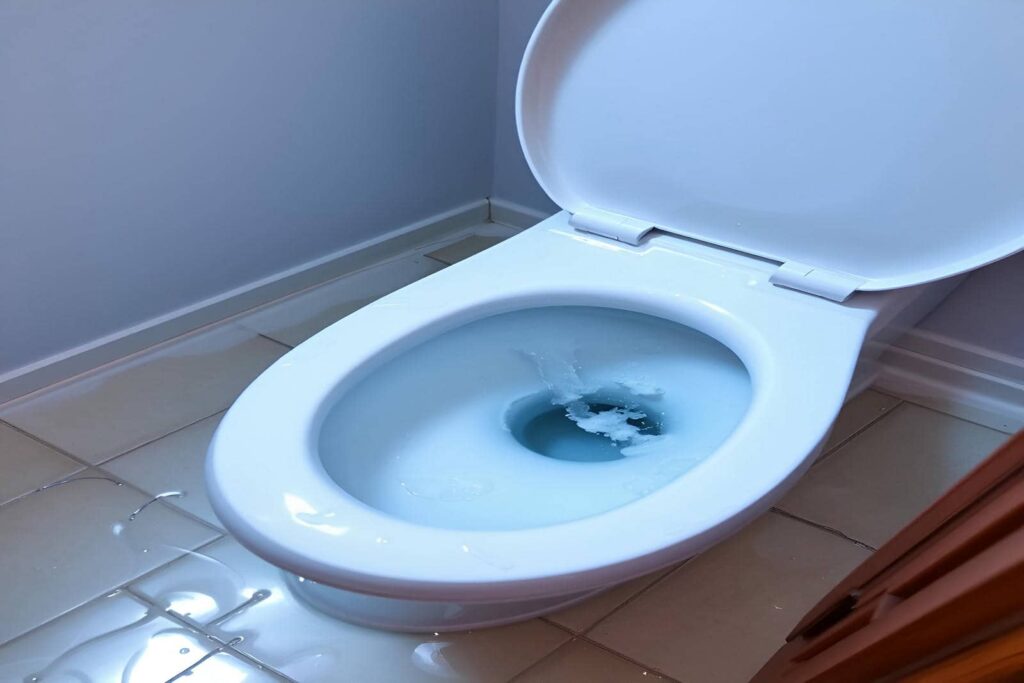
When sewage starts to backflow into your sinks or toilets, it’s not just a minor inconvenience—it’s a serious warning sign that your plumbing system is in trouble.
Acting fast can save you from extensive damage and costly repairs.
Here are three key steps to help with sewage prevention:
Regular Toilet Maintenance: Keep your toilets in top shape by checking for leaks and ensuring they flush properly.
Avoid Drain Clogs: Be mindful of what you flush or pour down the drain. Items like grease, wipes, and hair can lead to blockages.
Schedule Professional Inspections: Regular plumbing check-ups can help identify potential issues before they escalate.
Discoloration or Staining on Walls and Floors
Discoloration or staining on walls and floors can be a red flag for sewage issues lurking beneath the surface. When you notice unexpected spots or dark patches, it’s essential to act quickly.
Begin with a thorough wall inspection; these stains can signal moisture or even sewage seeping through, which can lead to serious health risks for you and your loved ones.
A detailed floor analysis is equally important, as compromised flooring can harbor hidden problems that worsen over time.
Don’t ignore these signs—addressing them early protects your home and fosters a sense of safety and belonging for everyone within.
Engaging with professionals who understand these issues can make a difference, ensuring your space remains a haven.
Recap
Staying alert to these sewage backup warning signs can save you from a home disaster that feels like a nightmare on repeat. Don’t ignore those unpleasant odors, slow drains, or gurgling pipes; they’re your home’s way of crying for help. If you notice water pooling or frequent clogs, it’s time to act. By addressing these issues quickly, you protect your property and ensure a safe and healthy environment for you and your family.